Overall impression: Reviews for Doylestown Health Care Center are mixed, with a clear split between strong praise for individual caregivers and ongoing operational concerns. Many families and former residents highlight compassionate, professional bedside staff and effective therapy services, while other comments point to recurring issues with staffing, responsiveness, and administrative follow-through.
Care and staff: Multiple reviewers praised the professionalism and kindness of specific caregivers and therapists, noting that direct-care staff and physical therapy personnel can be highly skilled and supportive. At the same time, reviews identify inconsistent staffing levels and frequent use of agency staff as contributors to variability in day-to-day care. Reported consequences include delays in attending to resident requests, limited availability to assist with ambulation or restroom needs, and inconsistencies in bathing and linen changes. There are also mentions of communication tone and phone etiquette concerns with some individual staff members.
Dining and activities: Dining impressions are mixed. Several reviewers described meals as better-than-expected or enjoyable, while others reported meal-service interruptions or missing tray deliveries. Staffing shortfalls appear to affect the facility’s ability to provide consistent assistance for residents who require help during activities or scheduled walks, which some families feel slowed rehabilitation progress despite positive therapy interactions.
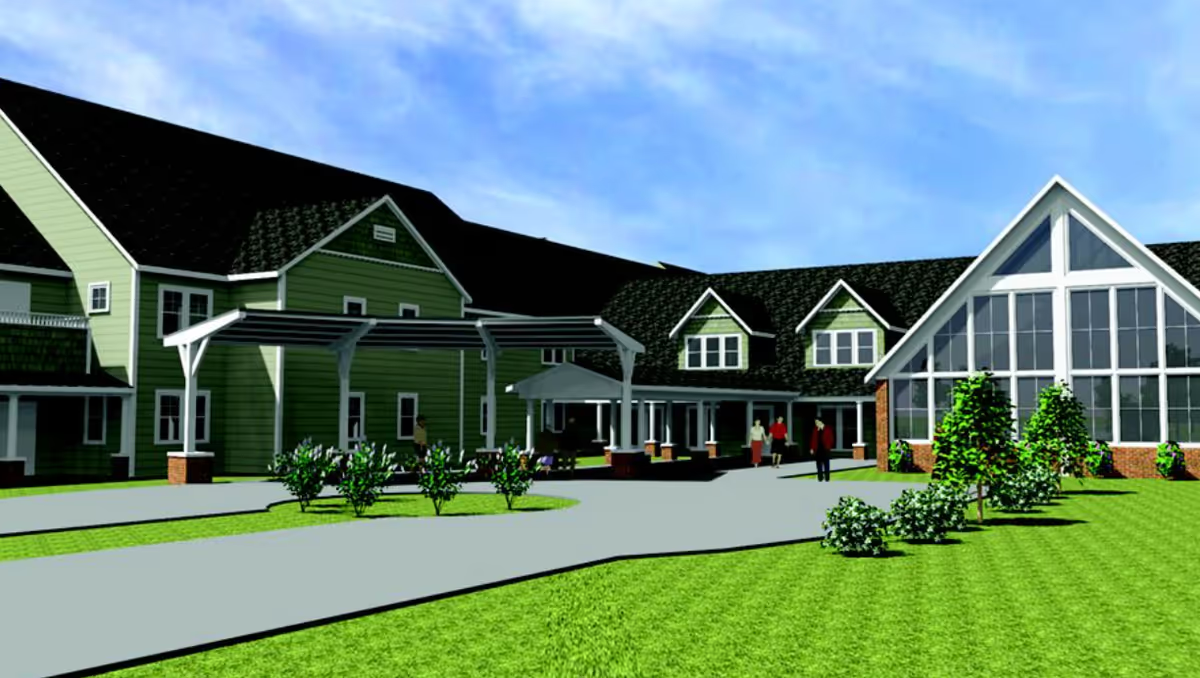
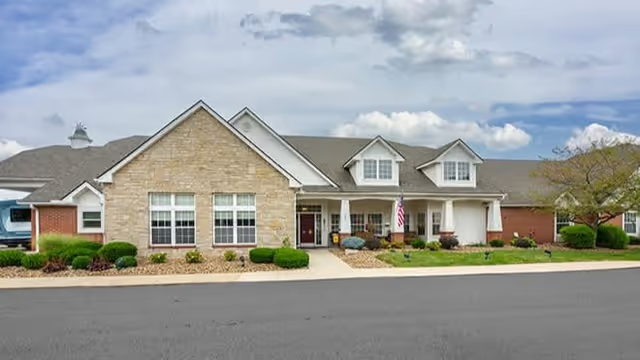
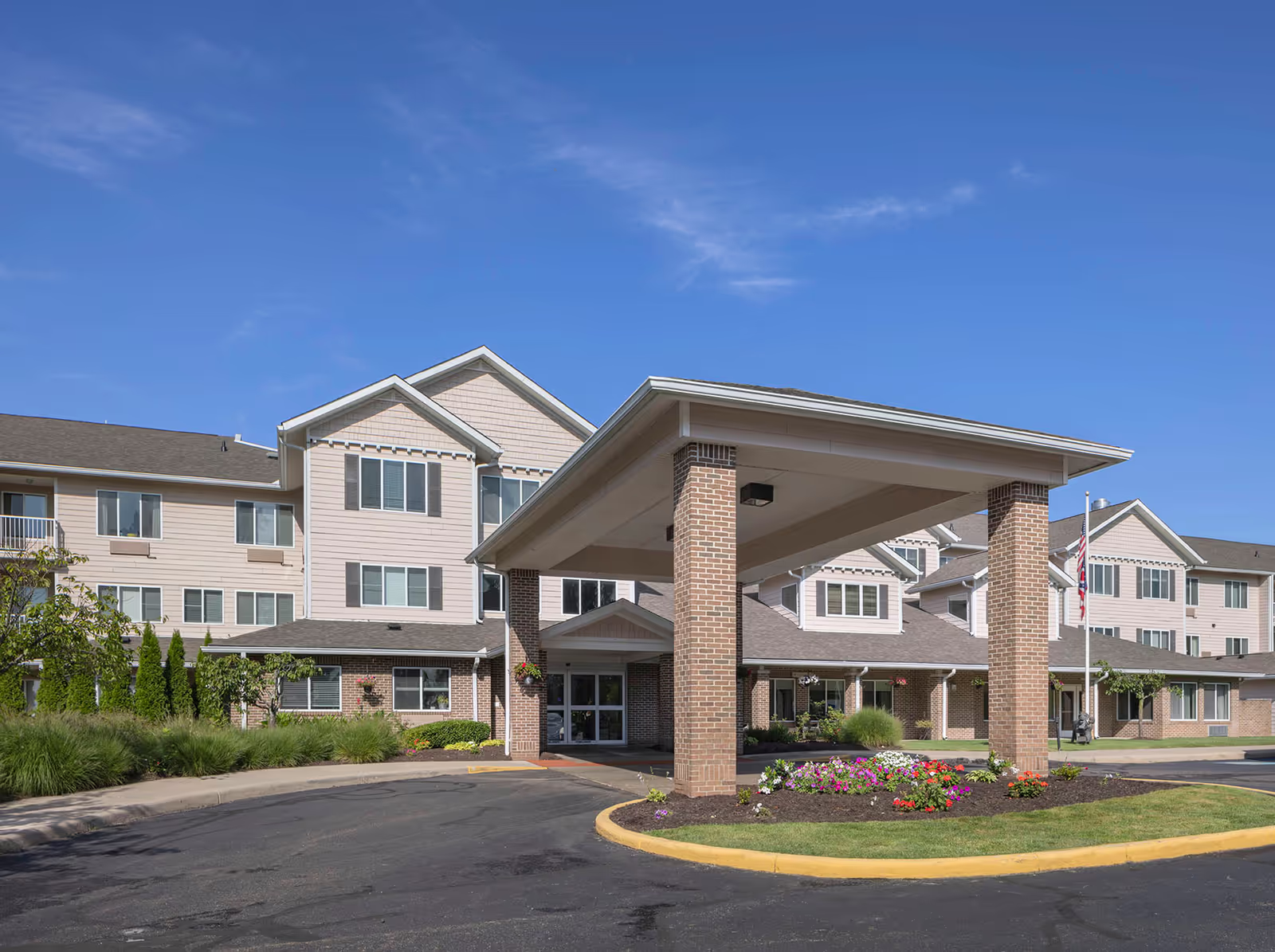
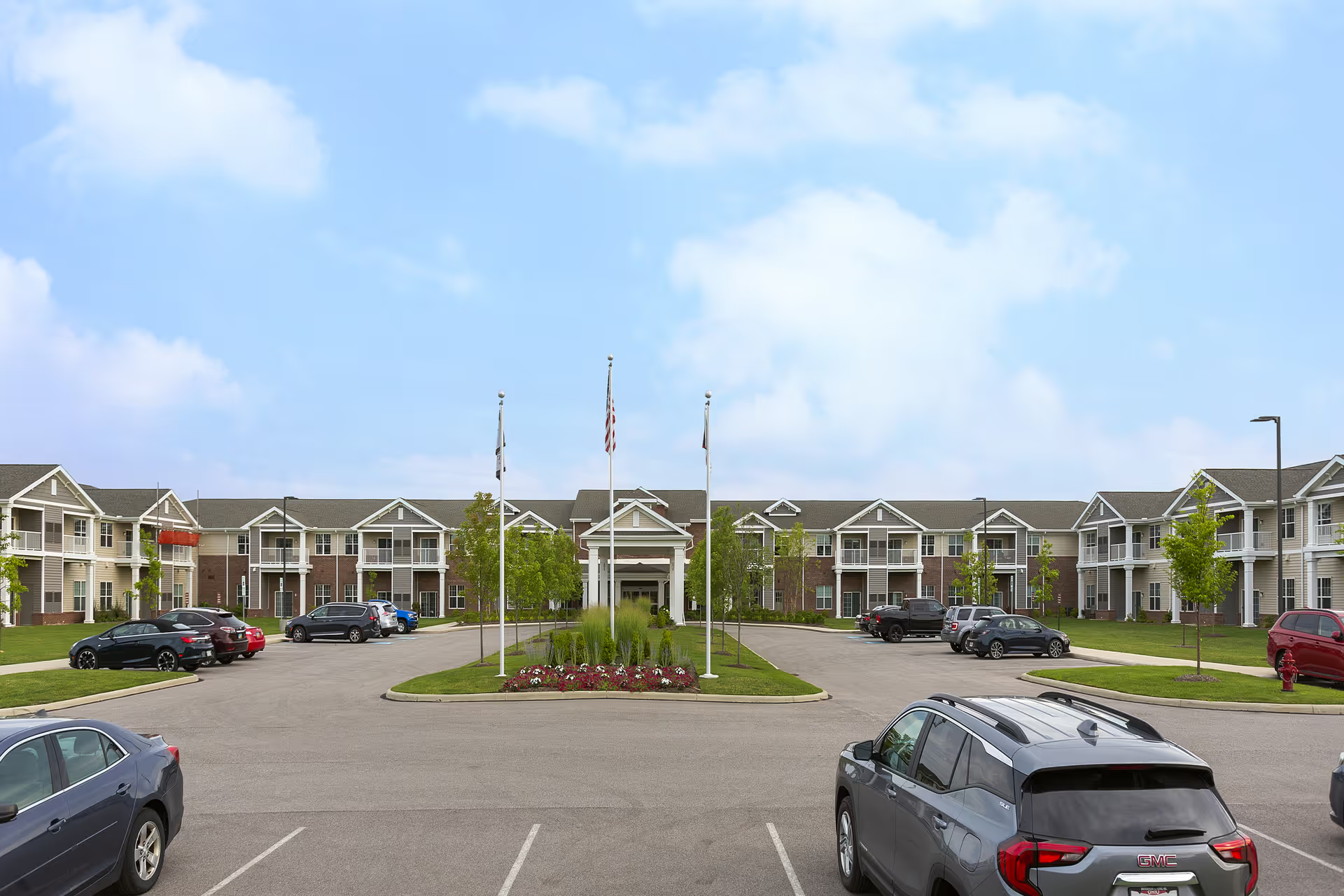
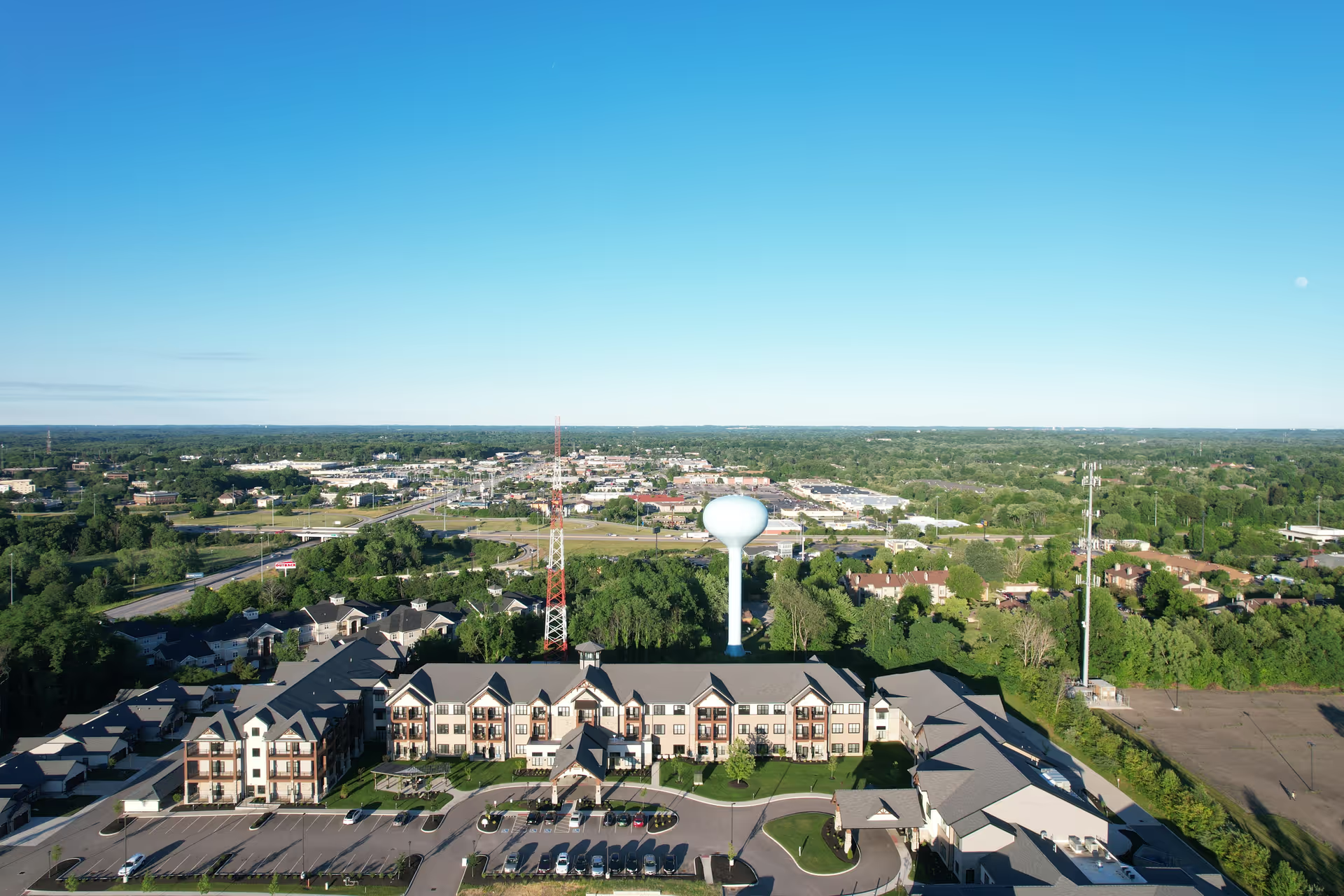
Facilities and cleanliness: The facility’s updated building and pleasant public spaces were noted positively; visitors often found the atmosphere agreeable. Concurrently, there are sanitation and odor concerns in some areas and inconsistencies in timely linen changes and personal-care routines. These operational gaps undermine the otherwise well-maintained appearance reported by other visitors.
Management and patterns: Several reviews raise concerns about management responsiveness and administrative processes, including communication around clinical incidents and payroll or personnel actions. Families describe instances where they were not promptly notified about injuries or care events and where they felt the facility’s follow-up was inadequate. There are also remarks about safety procedures (for example, door/security controls and transfer handling) that prospective residents and families should clarify during tours.
Notable patterns and recommendations: The dominant pattern is one of unevenness—strong individual caregivers and effective therapy coexist with systemic issues tied to staffing, reliance on agency personnel, and communication/management processes. Prospective residents and their families may wish to ask about current staffing ratios, the facility’s use of agency staff, protocols for incident notification and family communication, infection-control and linen-change schedules, and security measures. Observing multiple shifts and speaking with the unit manager and therapy staff can help assess whether the facility’s strengths align with a specific resident’s care needs.