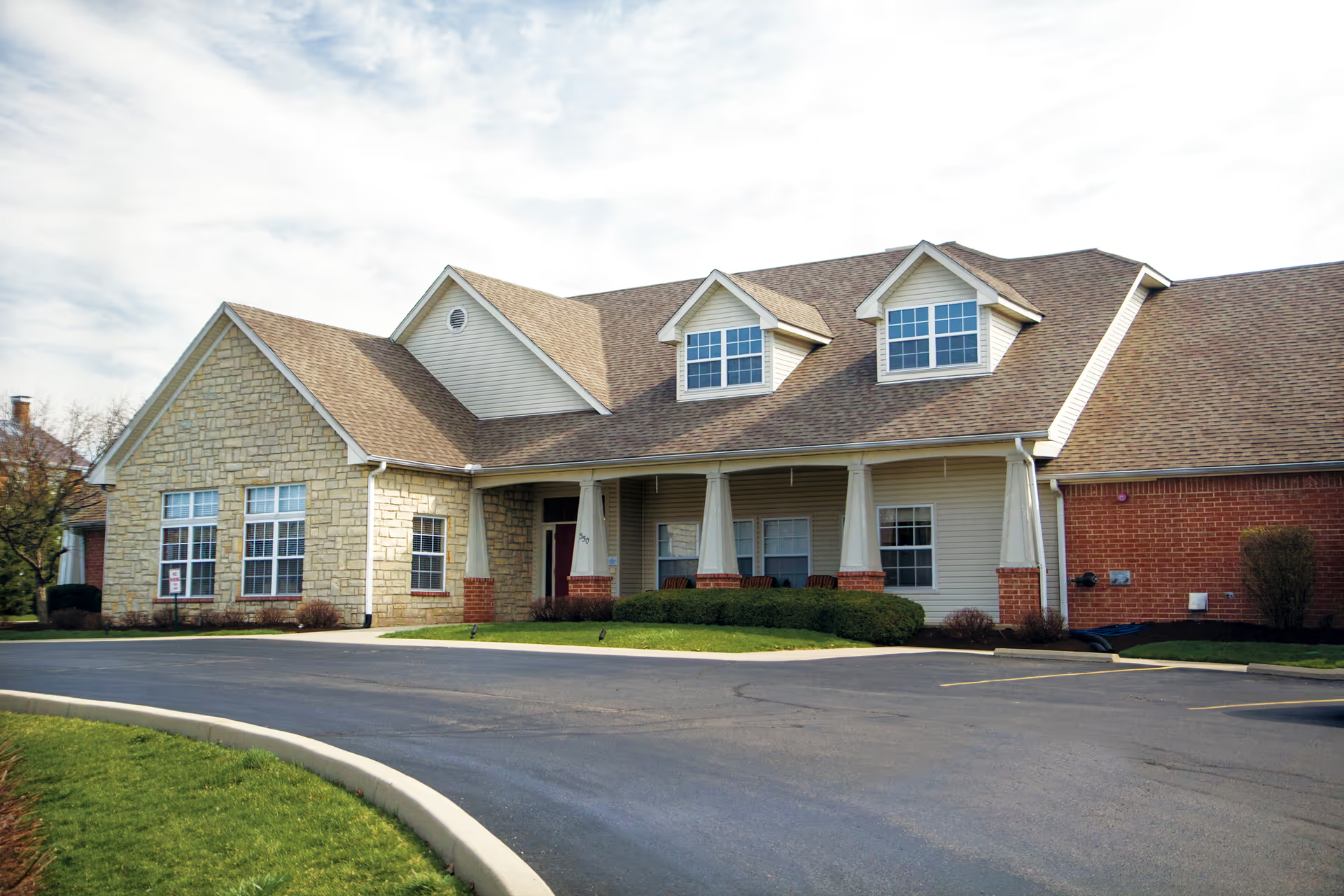
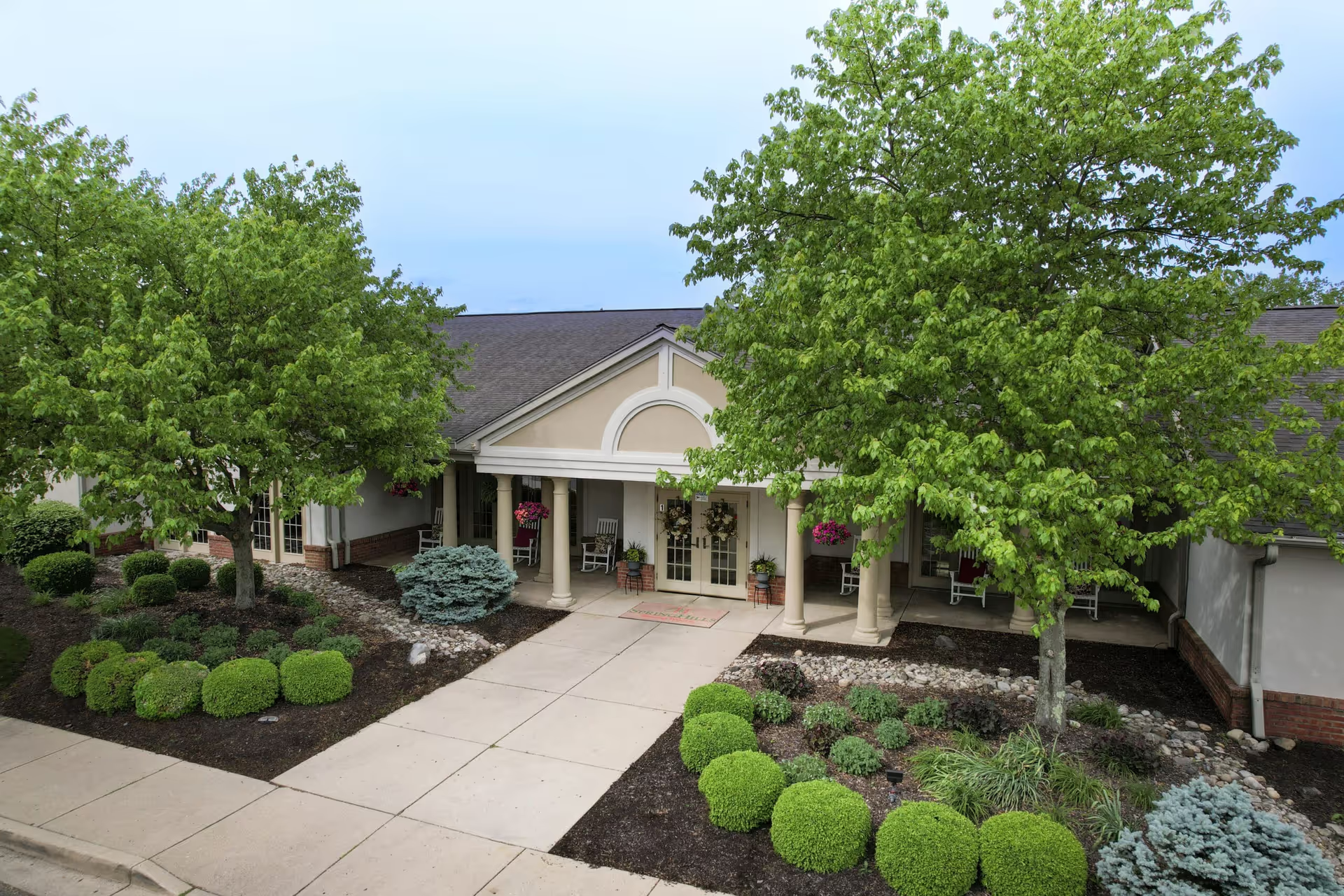
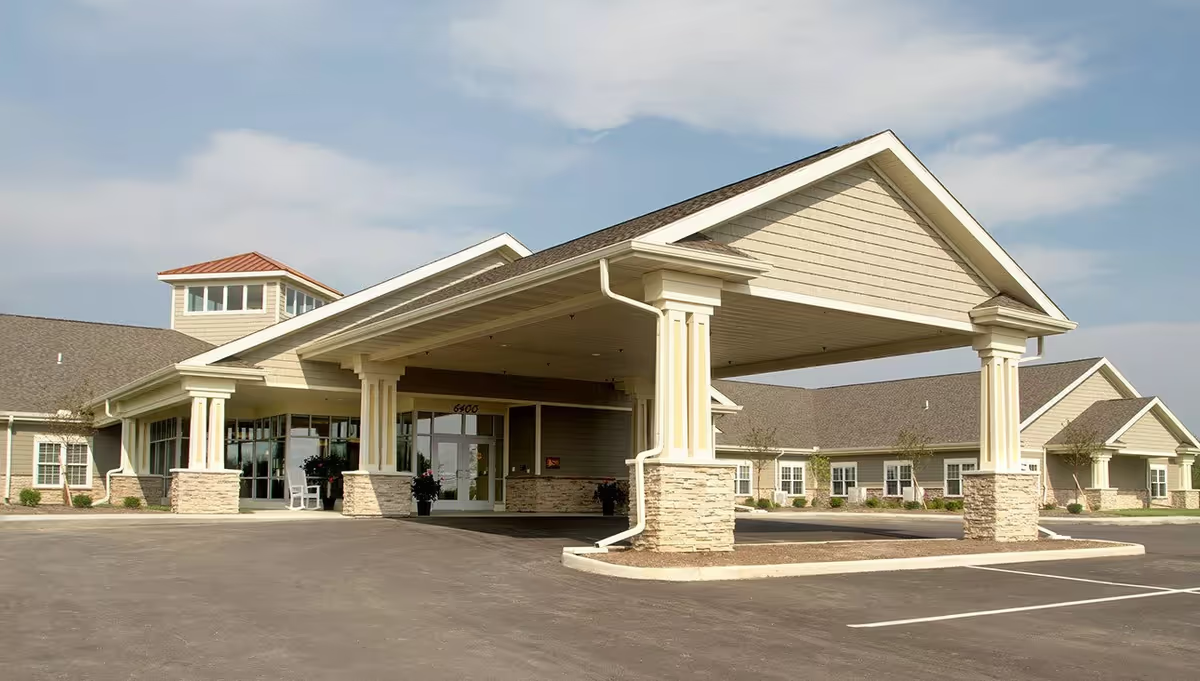
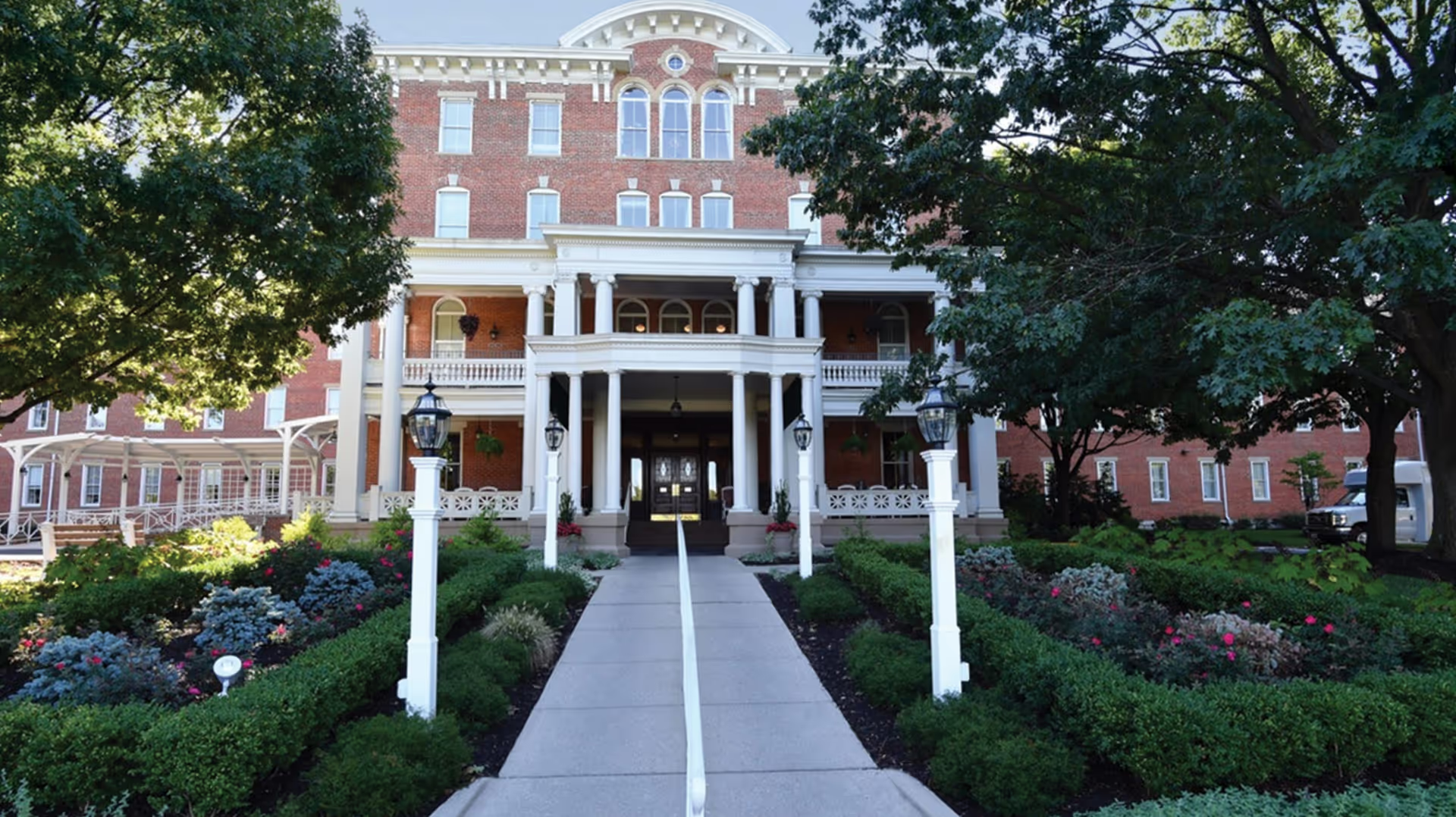
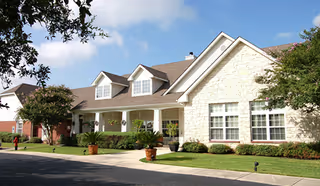
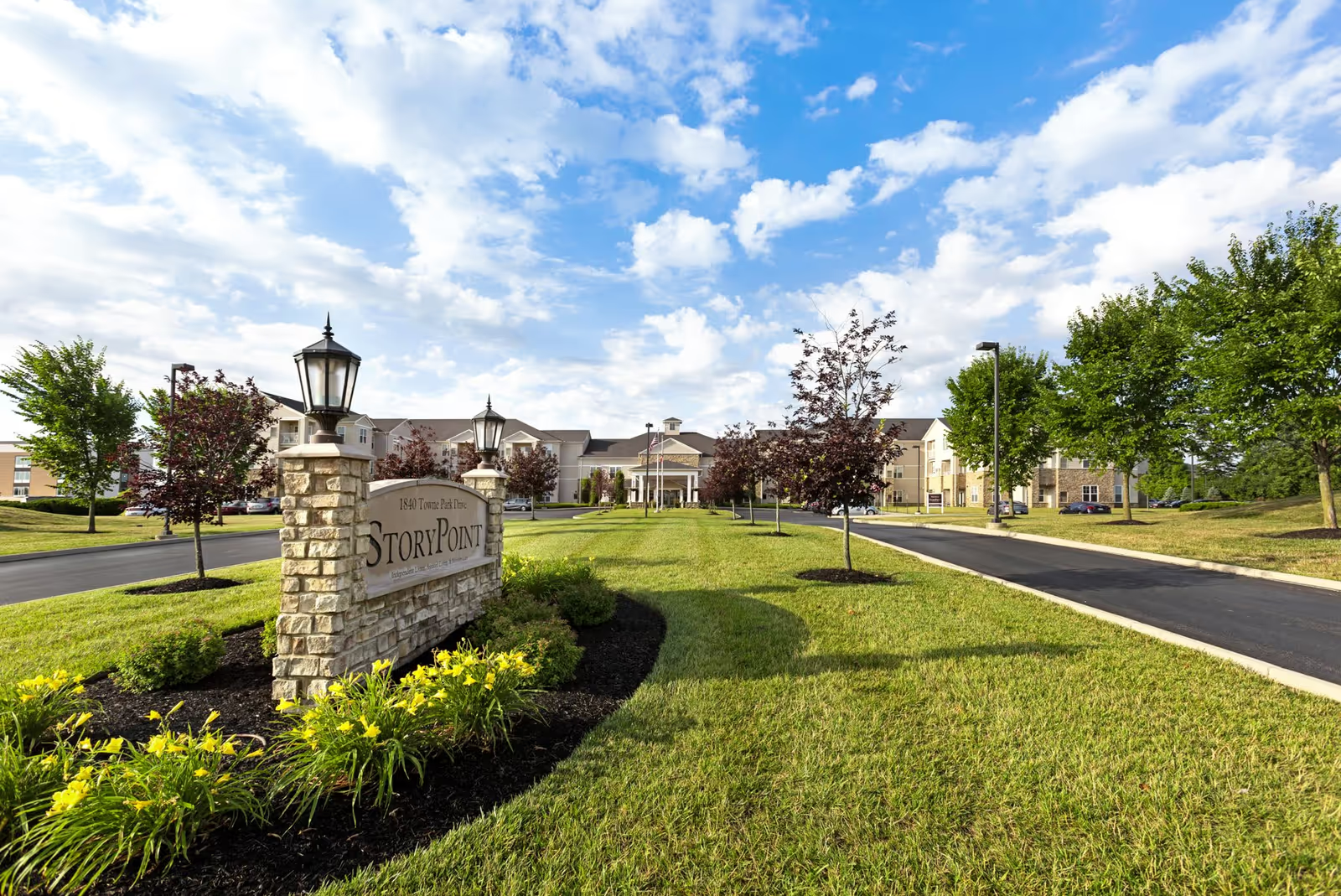
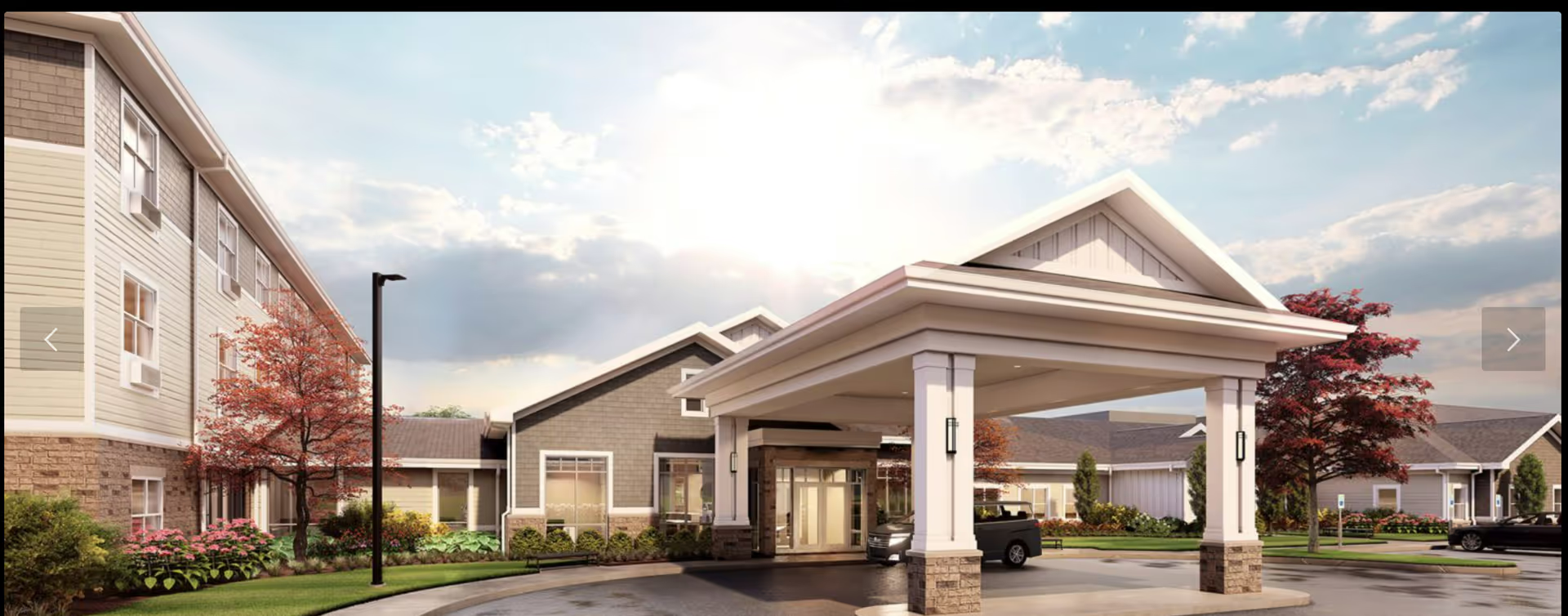
Cypress Pointe Health Campus presents a mixed but clear pattern: the physical campus, independent-living villas, dining services, and rehabilitation/therapy offerings receive frequent praise, while operational and clinical consistency vary by unit. Many reviewers described a well-kept, attractive facility with apartment-style layouts, accessible private baths, pleasant communal areas, outdoor courtyards, and an on-site chef who provides varied menus. The campus model and on-site continuing-care services are seen as strengths for residents seeking a range of levels of care in one location.
Direct-care staff—particularly aides and some therapy personnel—are repeatedly characterized as warm, attentive, and resident-focused. Several family members and residents highlighted helpful admissions staff and specific employees who went beyond expectations. The rehabilitation program and therapy department earned positive comments for daily therapy and helpful progress. At the same time, there are recurring operational challenges: staffing shortages that affect responsiveness, delayed assistance to call requests, and inconsistent bathing and linen care in some units. These issues appear to be more pronounced in certain clinical-care areas than in independent-living settings.
Memory care and skilled nursing present the most variability. Multiple reviewers expressed concerns about leadership gaps in the memory-care unit (including director vacancies and turnover), limited dementia-specific programming and physical activities, and uneven staff training for complex cognitive needs. There are also reports of clinical incidents that underscore gaps in clinical-incident response and family communication; reviewers described delays in notification about hospital transfers and difficulties obtaining timely follow-up. Additionally, concerns about infection-control practices and catheter-related care were raised by families; these items suggest families should review clinical protocols and documentation closely during a tour.
Management and administration received mixed assessments. Praise for helpful admissions personnel and some business-office interactions sits alongside complaints about billing errors, significant invoice adjustments, and perceived corporate inflexibility. Several families noted problems with transfer scheduling, delayed corporate approvals, and inconsistent disclosure about financial policies (including limits on Medicaid beds and ramifications for long-term payment). One should consider asking detailed questions about billing procedures, contractual terms, and escalation paths for disputes.
Dining and activities are generally strengths, with many residents enjoying varied meal choices, themed events, happy hours, and outings. However, activity levels appear inconsistent across units and during periods of restricted access (e.g., pandemic-related changes). Food quality was described as strong by numerous reviewers though a few found meals unappetizing at times.
In summary, Cypress Pointe offers attractive facilities, strong rehabilitation and dining programs, and many compassionate frontline caregivers. Prospective residents and families should plan an in-person visit and ask targeted questions about staffing ratios, call-response times, memory-care leadership and programming, housekeeping and linen schedules, clinical-incident communication practices, billing controls, and transfer/ admission logistics. Those items—particularly the consistency of clinical care and administrative processes—are the primary differentiators observed across the reviews.