Buckeye Forest at Fairfield elicits strongly polarized impressions: many families and clinical visitors praise the facility’s therapy services, several long-standing aides, and individual nurses for compassionate, attentive care, while other accounts describe significant operational failures. The rehabilitation and therapy teams are consistently cited as a strength — clinicians and families report measurable mobility and balance gains, efficient therapy coordination, and staff who go above and beyond to progress residents toward discharge goals. Numerous reviewers also highlighted individualized attention from specific aides and social work support that facilitated transitions and family communication.
At the same time, a pattern of clinical and operational concerns appears across reviews. Medication-management issues are recurrent — examples include incorrect dosing, delayed administration, and documentation gaps — which families view as a major clinical risk. Call-response performance is variable: some units and shifts respond promptly while others experience long delays in attending to resident requests. Reviewers also describe incontinence-care delays and inconsistent assistance with toileting and bathing, indicating uneven adherence to basic care routines.
Dining and nutrition are another mixed area. Some residents report satisfactory meals and generous portions, but many accounts indicate poor menu consistency, late service, and failures to honor diabetic or sodium-restricted diets. The activities program is generally a positive feature, with a range of social events and opportunities for engagement that several families credited with improving resident morale and socialization.
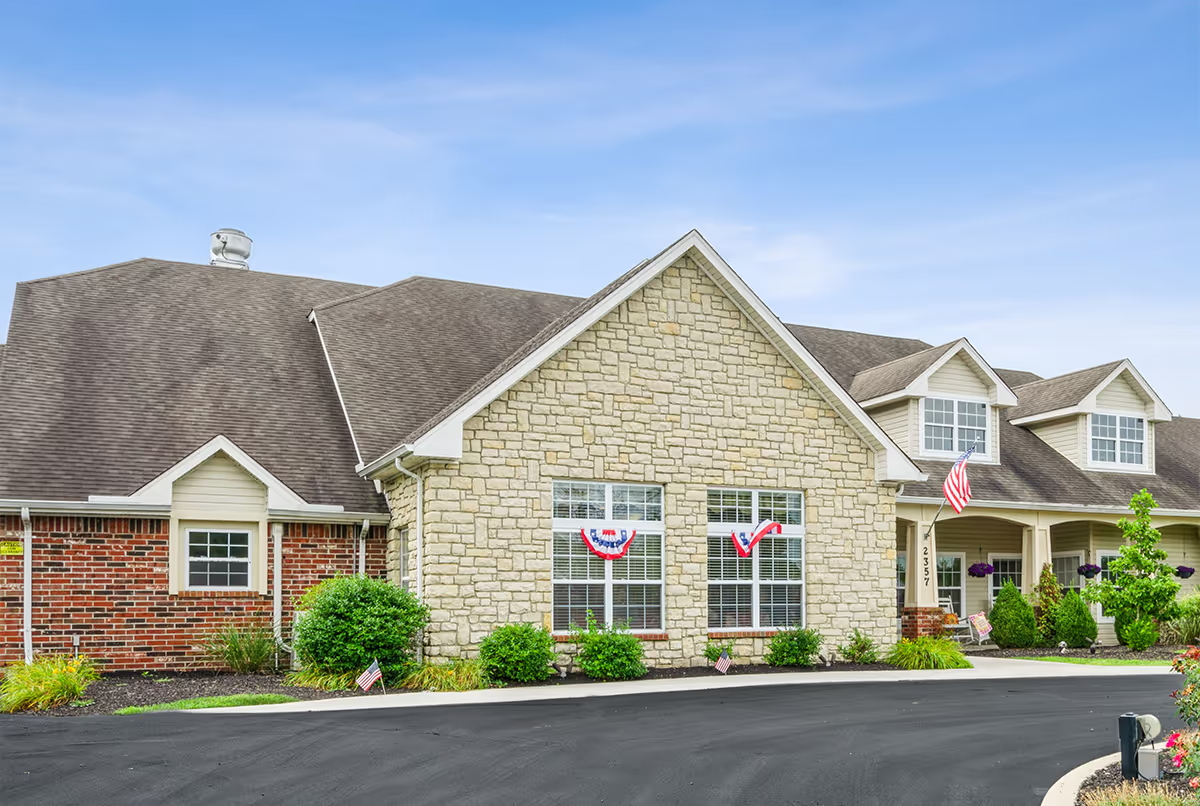
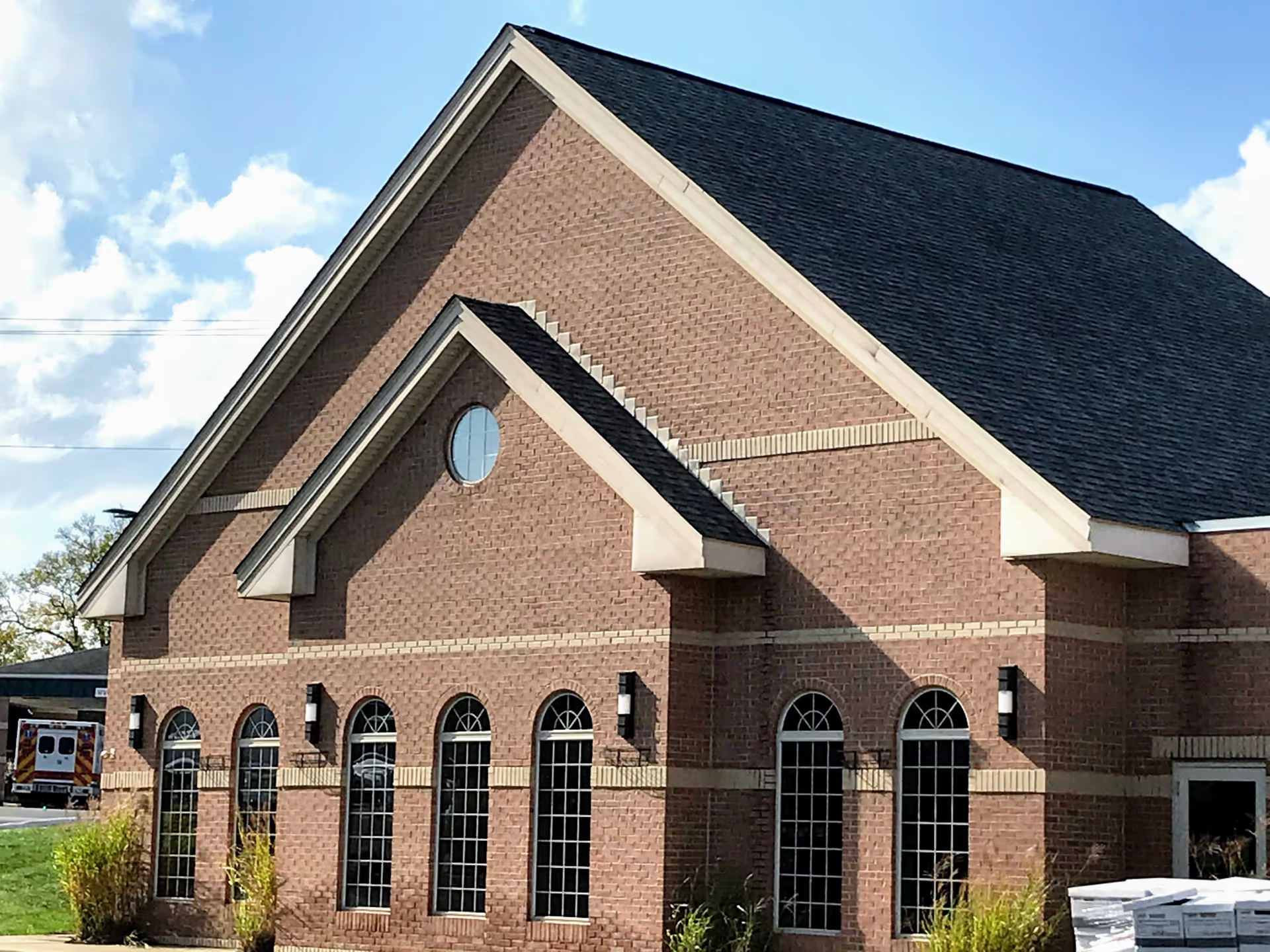
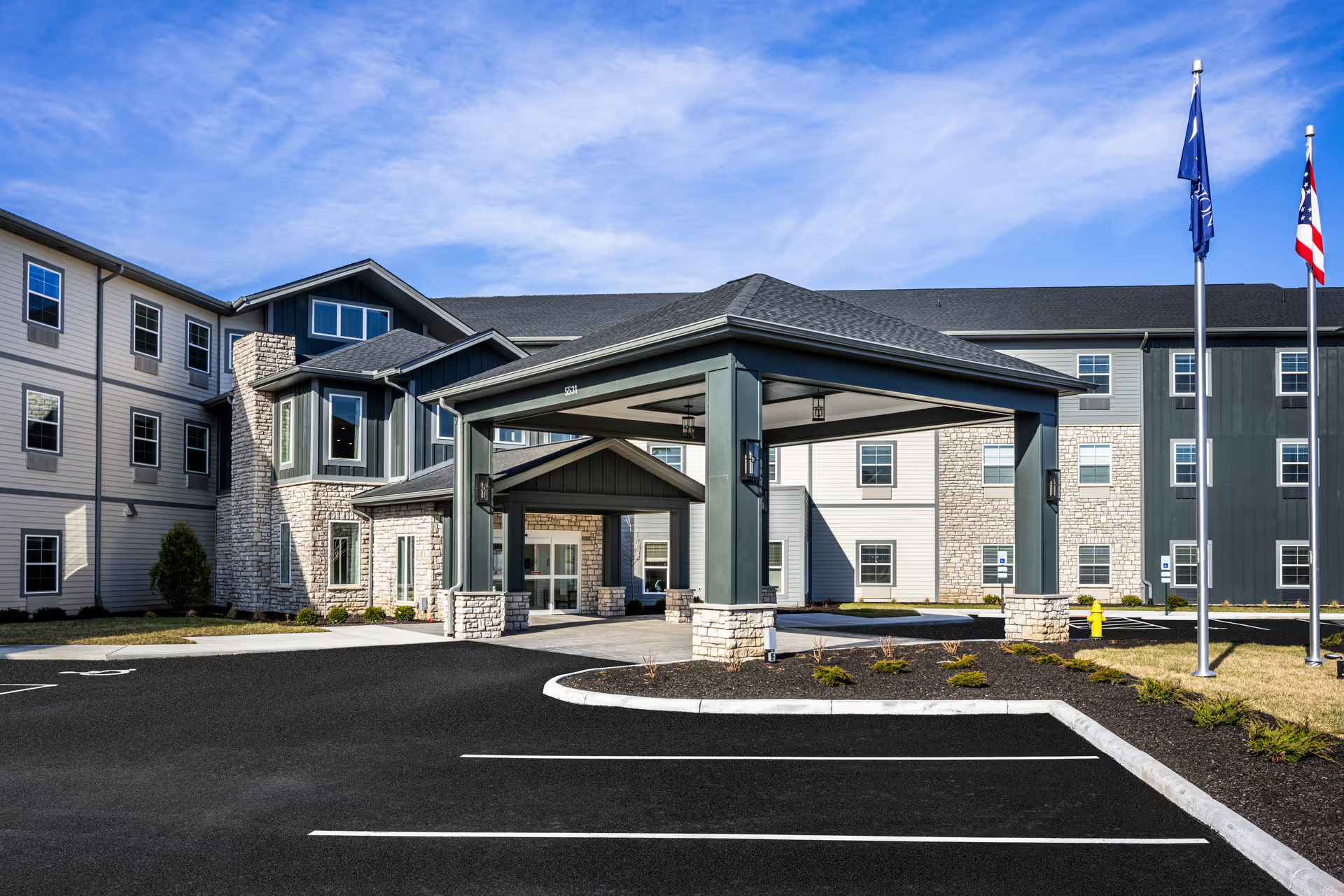
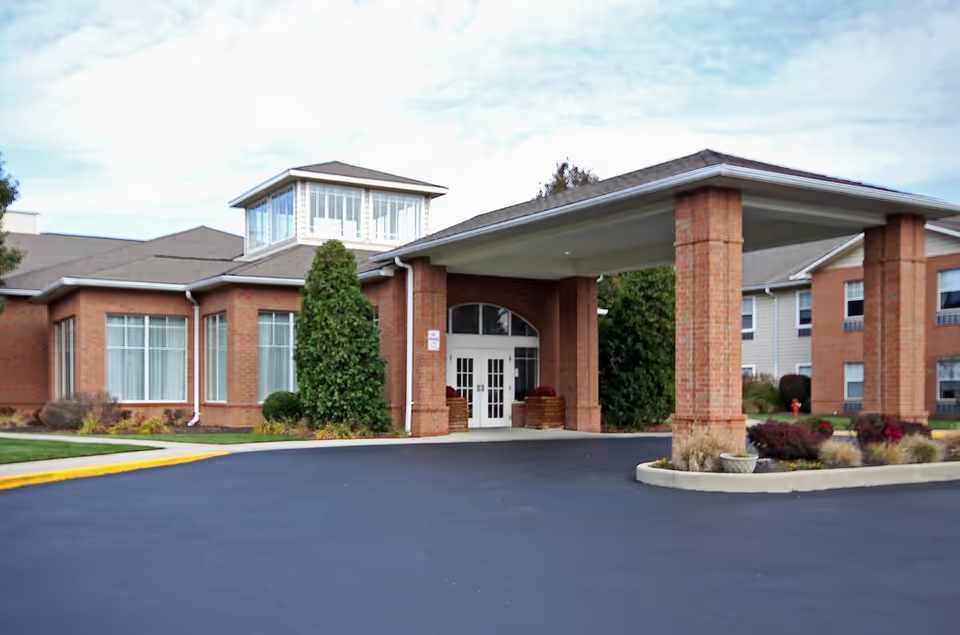
Facility condition and maintenance reports are mixed but notable. Several families describe well-kept, pleasant areas under recent management initiatives; however, a substantial portion of comments raise sanitation and pest-control concerns, recurring maintenance issues (broken elevators, damaged rooms), and odor concerns in particular areas. These items, together with complaints about laundry and housekeeping continuity, suggest variable environmental quality across units.
Management and administrative patterns show areas of improvement and ongoing challenge. Multiple reviews mention leadership turnover and inconsistent communication from corporate and on-site administrators; conversely, some recent managers and the director of nursing received praise for hands-on involvement and improvements. There are also persistent complaints about billing and admissions transparency, difficulty reaching staff or leaders by phone, and at least a few serious allegations involving missing personal items and financial mishandling that families view as requiring investigation.
Overall, prospective residents and families should weigh the facility’s strong rehabilitation program, committed direct-care personnel on some units, and active social environment against recurring operational weaknesses: inconsistent clinical processes (especially medication administration and call-response), sanitation and pest-control concerns in parts of the building, variable dining/dietary adherence, and uneven leadership continuity. Visiting specific units, asking targeted questions about medication oversight, staffing ratios, pest-control measures, dietary accommodation procedures, and recent quality-improvement actions — and requesting copies of recent inspection or corrective-action reports — will help families assess whether Buckeye Forest’s strengths are present on the units under consideration and whether the facility has addressed the documented weaknesses.