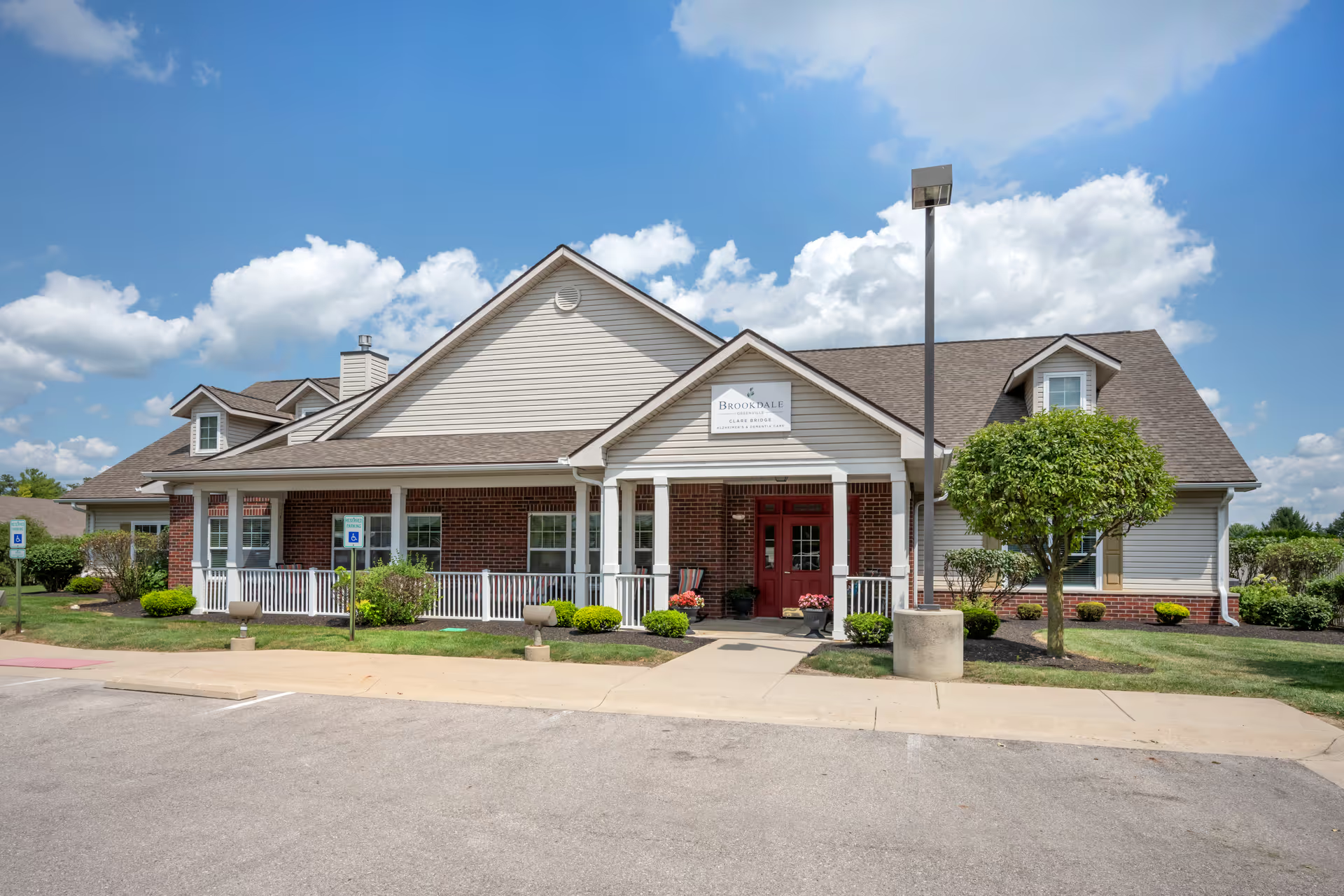
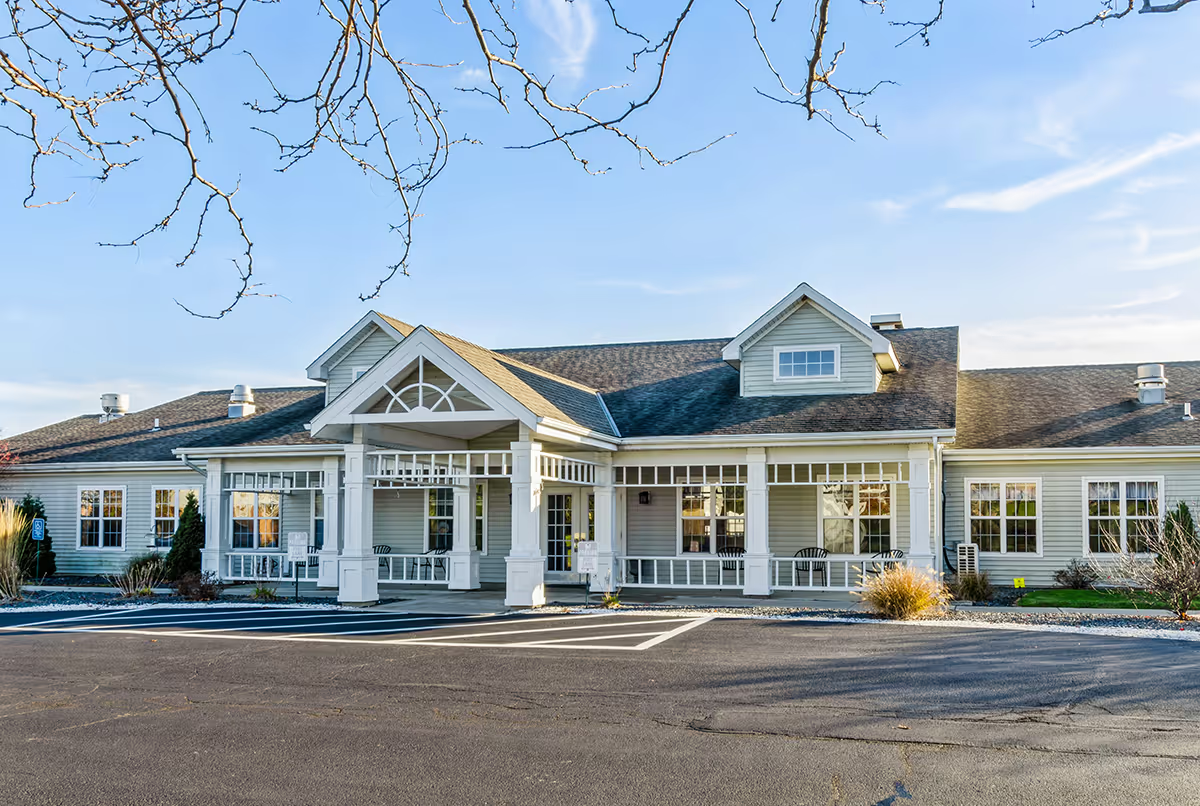
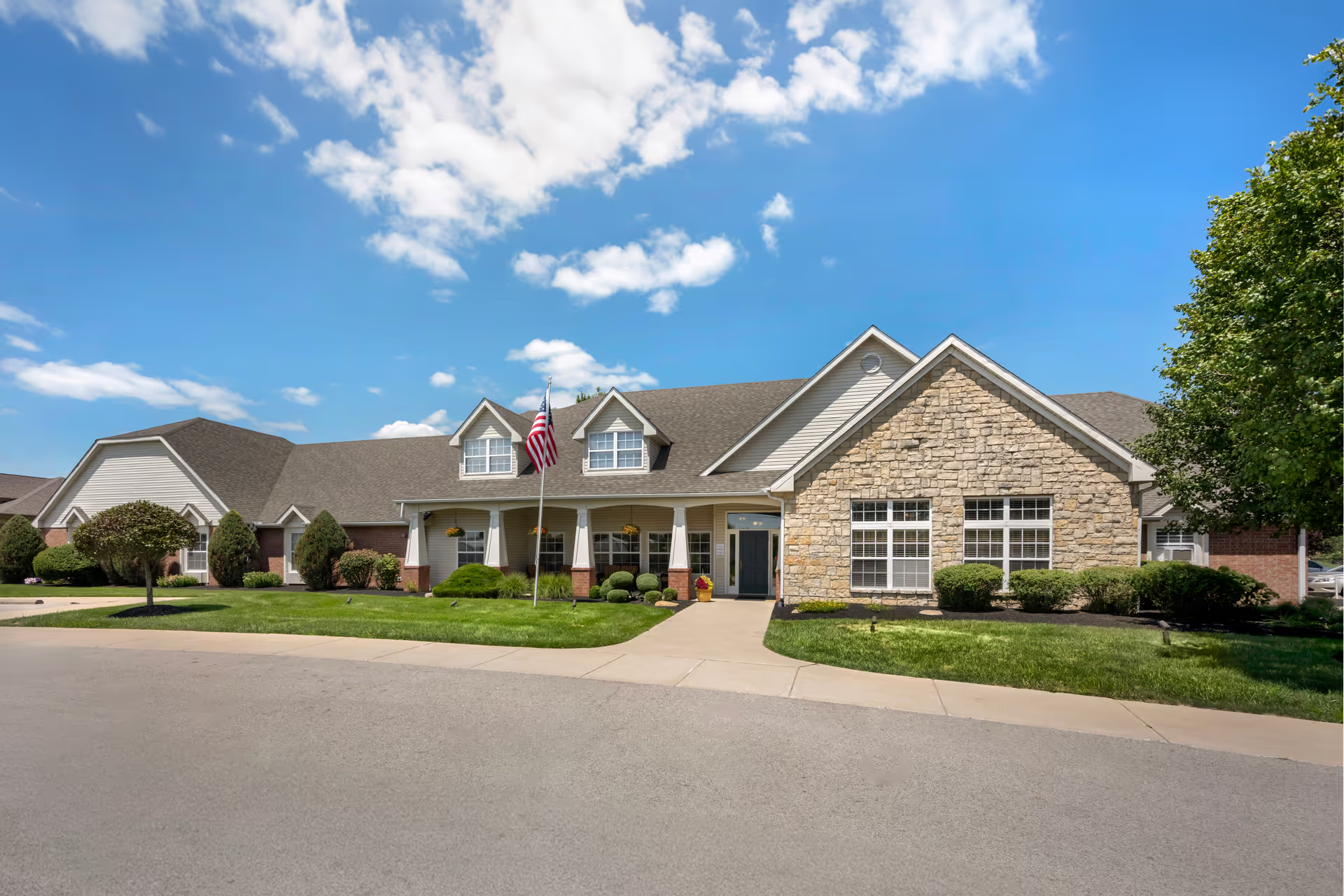
Overall impression: Village Green Health Campus elicits strongly mixed but instructive feedback. Many families and former patients describe high-quality rehabilitation outcomes, compassionate bedside care, and an engaged therapy staff that often produces measurable recovery (particularly in mobility, respiratory rehab, and wound healing). The facility is frequently praised for its welcoming campus, updated equipment and furnishings, private meeting spaces, and a family-like atmosphere fostered by social-work and recreational staff.
Care and clinical services: Nursing, CNA, respiratory, and therapy teams receive consistent praise for clinical knowledge, attentive care, and effective therapy regimens. Reviewers commonly note on-time medication administration, attentive pain management, and strong wound and pulmonary care. The facility’s hospice and end-of-life offerings are also viewed positively for support and coordination. That said, a subset of experiences points to gaps in clinical oversight when residents are higher-acuity or rapidly deteriorating; those accounts describe subsequent hospital transfers and improvements after escalation of care. Prospective residents with complex needs should assess staffing and clinical oversight for their specific acuity level.
Staff and communication: Staff warmth, individualized advocacy by social workers, and visible supervisor engagement are frequently highlighted. Several reviewers named specific staff who went above and beyond, and families appreciated coordination with external systems such as the VA. However, there are recurring operational concerns about inconsistent management responsiveness, leadership turnover, and uneven front-office communication—particularly at admissions and when arranging outside specialist appointments. These leadership and communication inconsistencies contribute to variable family experiences.
Dining and activities: Dining is often described as a strength — meals served hot, restaurant-quality food on many days, and helpful kitchen staff. Recreation and activities, including live entertainment and veteran-focused programming, are cited as adding to resident quality of life. A minority of comments indicate uneven meal accommodation for individual preferences and medical diets; families should confirm how special dietary needs are handled.
Facilities and cleanliness: The campus and resident rooms receive positive comments for being clean, modern, and free of institutional smell, with new furniture in several areas. Nevertheless, some reviewers raised sanitation concerns in specific units or shifts and suggested the need for deeper cleaning in places. Cosmetic updates (flooring/wallpaper) were occasionally recommended but overall facility maintenance was seen as acceptable to good.
Operational patterns and recommendations: The predominant positive pattern is strong rehabilitative care and a compassionate staff culture. The predominant negative patterns are variability: uneven staffing levels (notably on weekends and nights), inconsistent responsiveness to call lights and personal-assistance needs, occasional lapses in clinical oversight for sicker residents, and uneven management communication. Prospective residents and families should weigh the facility’s strengths in therapy and hospice care against the variability in staffing and leadership. Practical next steps when considering admission include asking about current staffing ratios for the intended unit/shift, clarifying processes for escalation of clinical concerns, verifying arrangements for specialist appointments, and meeting the social-work/therapy teams who will coordinate care.