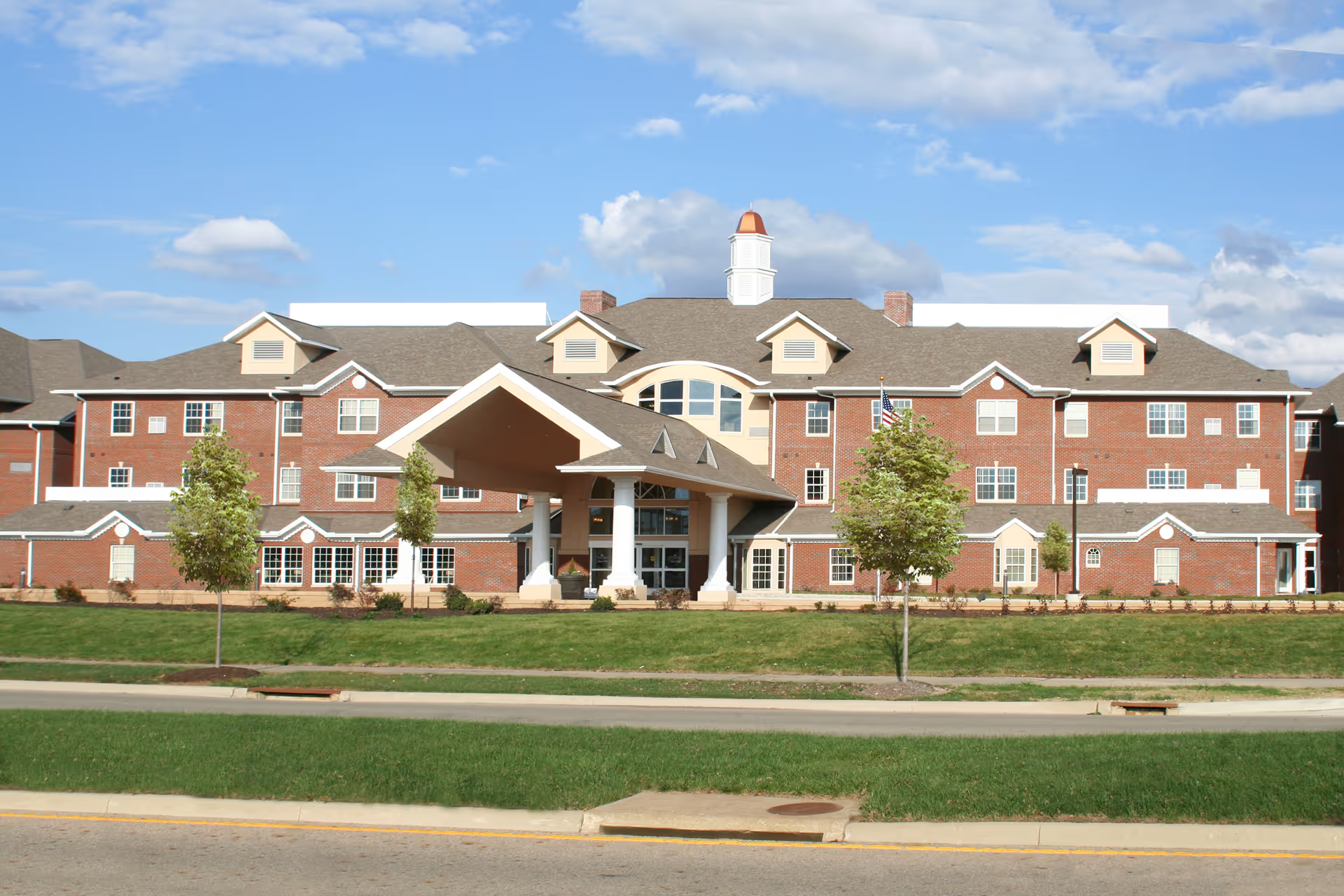
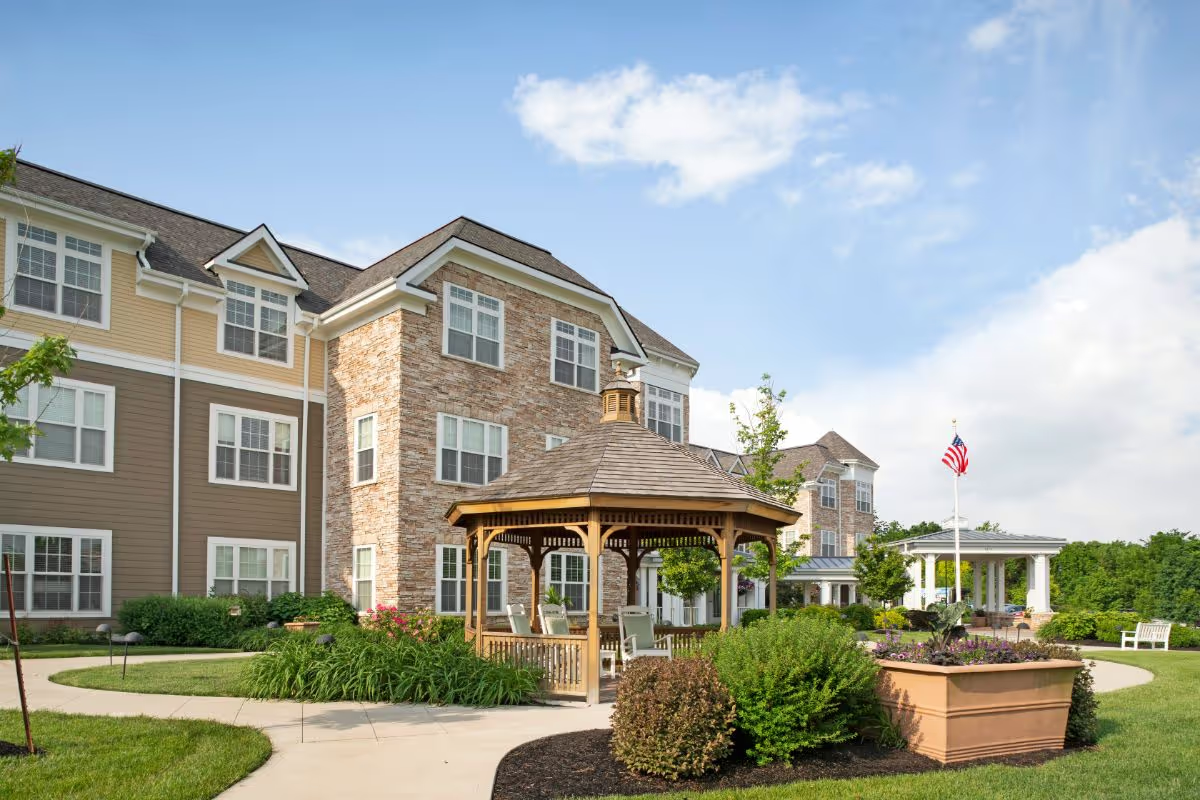
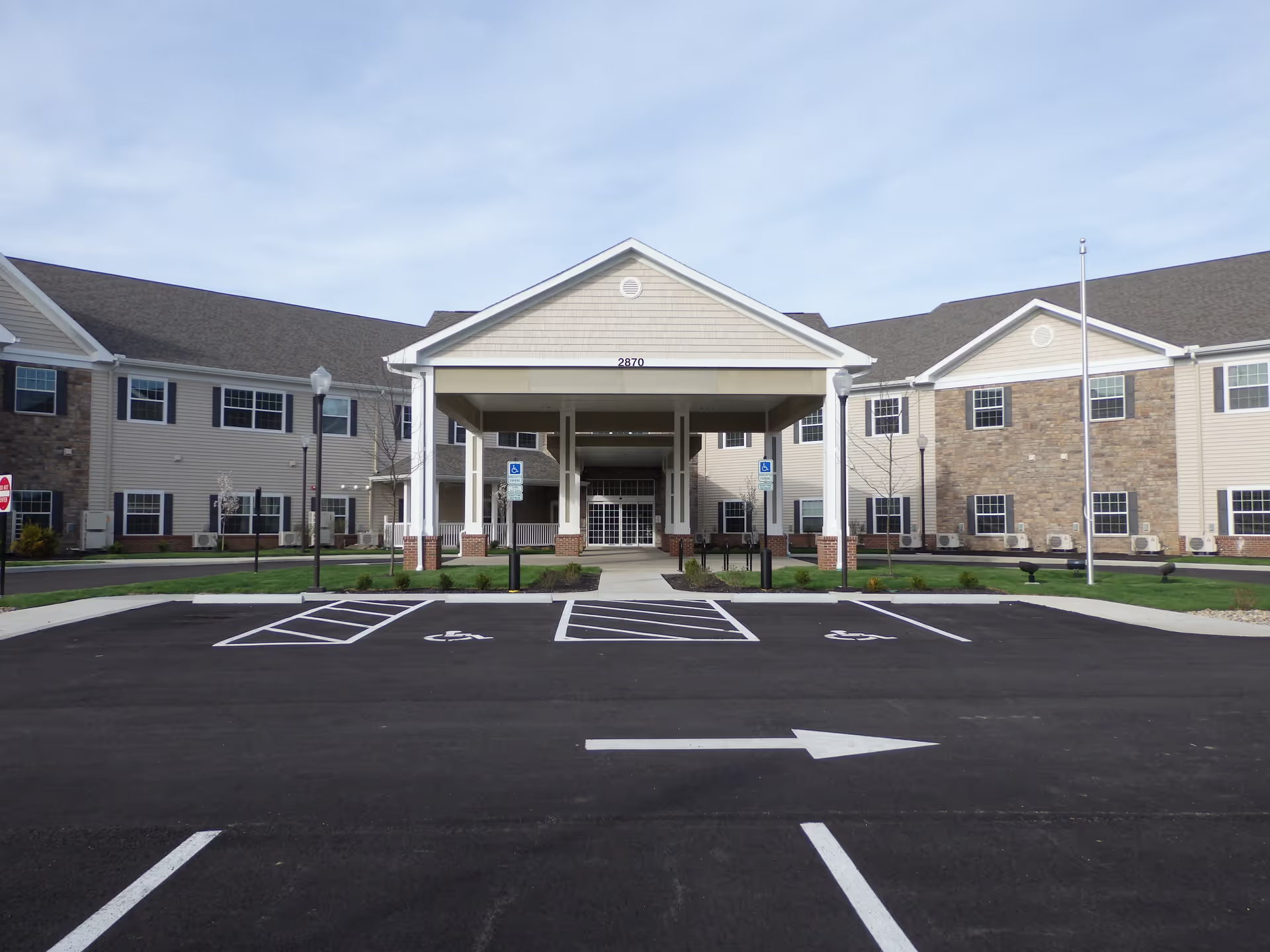
Carriage Court Senior Living presents as an upscale, well-appointed community with many features families value. The property is frequently described as clean and hotel-like, with welcoming common areas, porch seating, a variety of apartment sizes, an onsite salon, therapy/rehab resources, and multiple dining and snack options. Programming is broad and active—bingo, music, outings, exercise, and social events are commonly noted—and many families described improved mood, increased socialization, and engagement for residents after moving in.
Staffing and direct care generate mixed impressions. Numerous accounts praise compassionate, resident-focused caregivers and responsive leadership who know residents by name and facilitate smooth move-ins and care-plan discussions. Conversely, persistent operational patterns include inconsistent staffing levels (notably evenings and weekends), delays responding to assistance requests, and variability in nursing confidence and medication-management practices. These patterns have the practical effect of uneven day-to-day care responsiveness and occasional lapses in scheduled personal care tasks.
Dining and facility operations show strengths and weaknesses. The dining program is often described as restaurant-style with varied menus, fresh fruit, and special offerings, and many families appreciate on-demand snacks, hot coffee, and happy hours. At the same time, reviewers described inconsistent meal quality, dining-room temperature and comfort issues, and intermittent service problems. Facility maintenance and housekeeping are frequently commended, but there are recurring sanitation and pest-control concerns and isolated cleanliness incidents that have affected perceptions of reliability.
Management, communication, and financial practices require careful inquiry during touring and move-in. Several families praised accessible leadership and quick resolution of concerns, while others experienced poor internal coordination, inconsistent visitor-policy enforcement, and delays in communicating about clinical incidents. Billing and deposit policies have been a source of dispute for some families; clarifying refundable amounts, point systems, and extra charges before commitment is advisable. Staff turnover and changes in key roles have also been cited as factors that can disrupt continuity of care.
Memory care and clinical oversight are notable areas to evaluate in person. The community offers a two-level memory-care neighborhood with open spaces and an all-inclusive fee structure for many care levels—attributes that many families found attractive. At the same time, there are accounts that point to variability in memory-care quality and at least a small number of allegations of serious clinical incidents; prospective residents and families should review clinical protocols, incident reporting, and fall/transfer safety processes closely.
Bottom line: Carriage Court combines strong amenities, active programming, and many consistently praised caregiving staff with operational weaknesses that may affect reliability for higher-acuity needs. Prospective residents should weigh the facility’s social and environmental strengths against reported variability in staffing, clinical responsiveness, dining consistency, and billing transparency. When considering placement, schedule a thorough tour, meet the nursing leadership, review staffing patterns by shift, and obtain written clarification on financial terms and incident-response procedures.