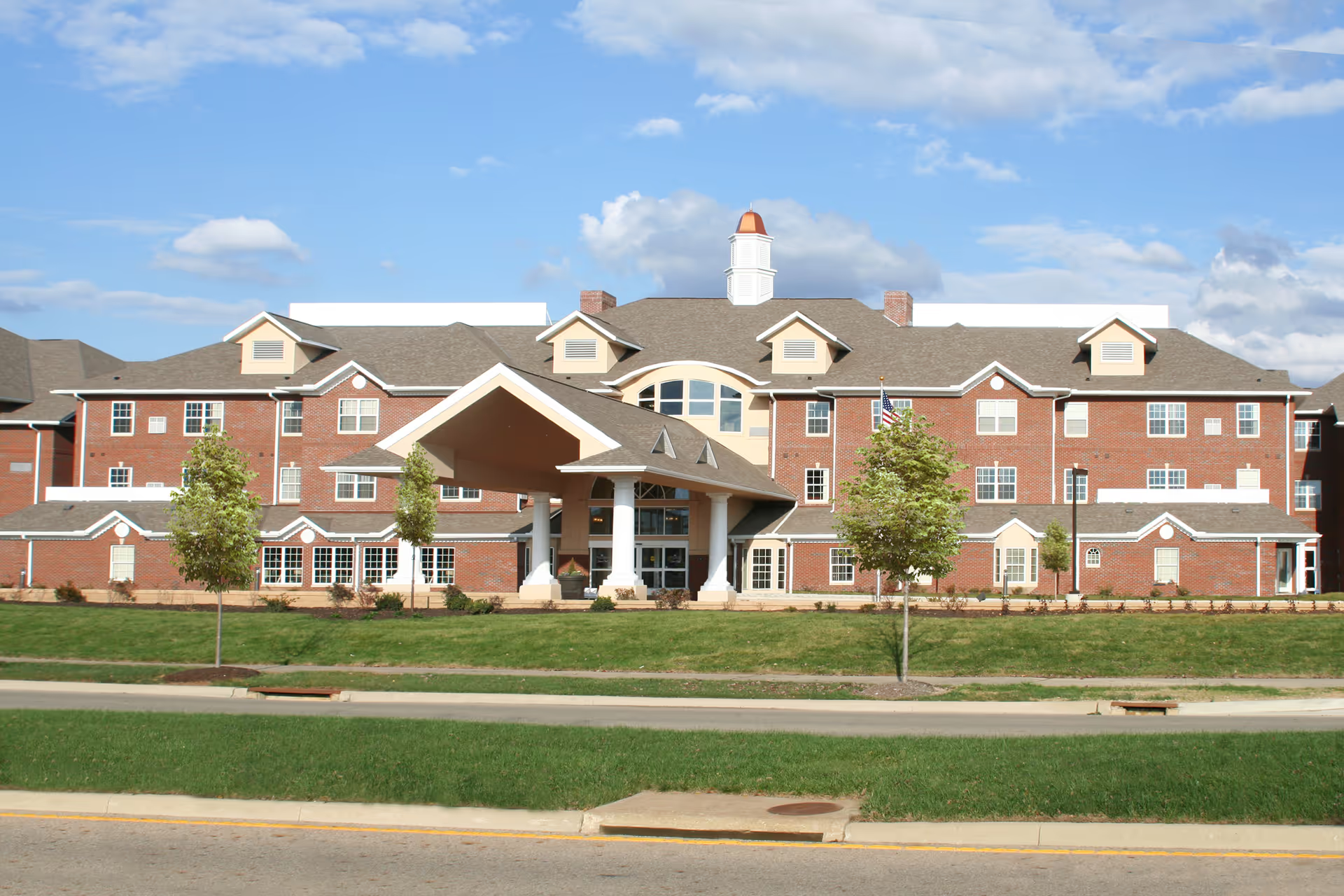
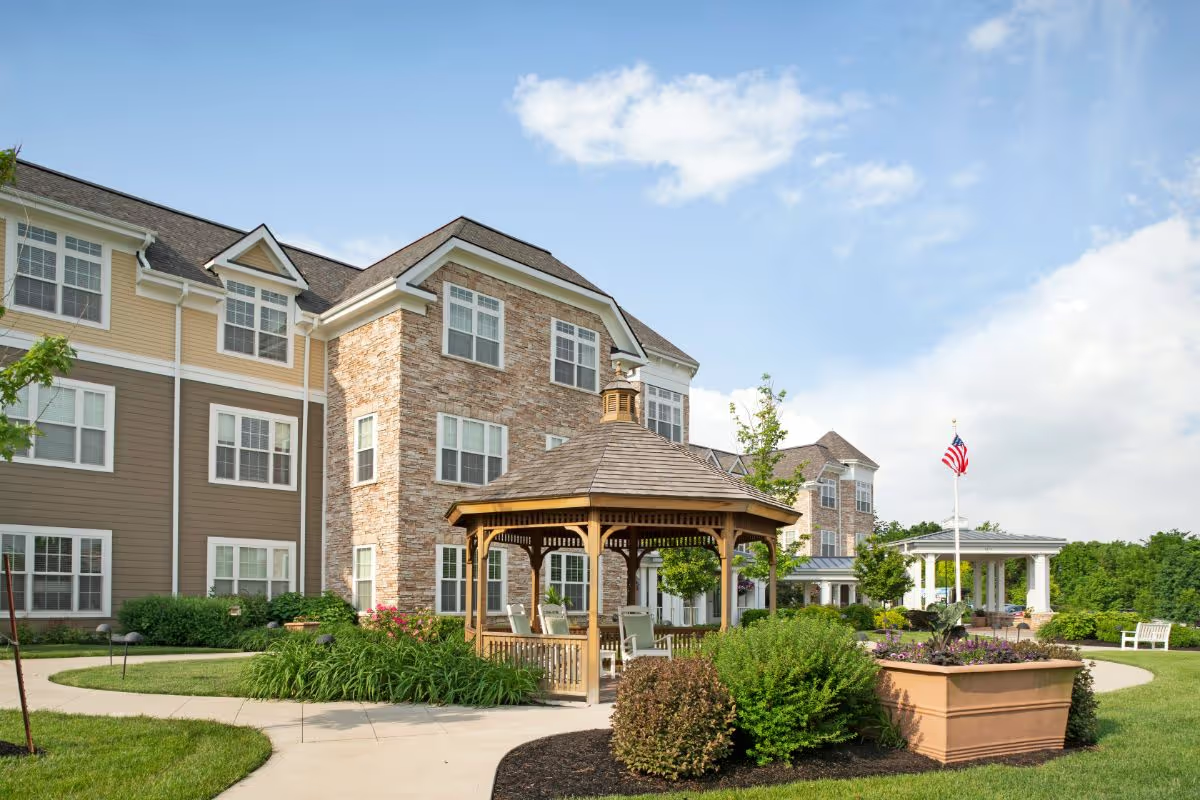
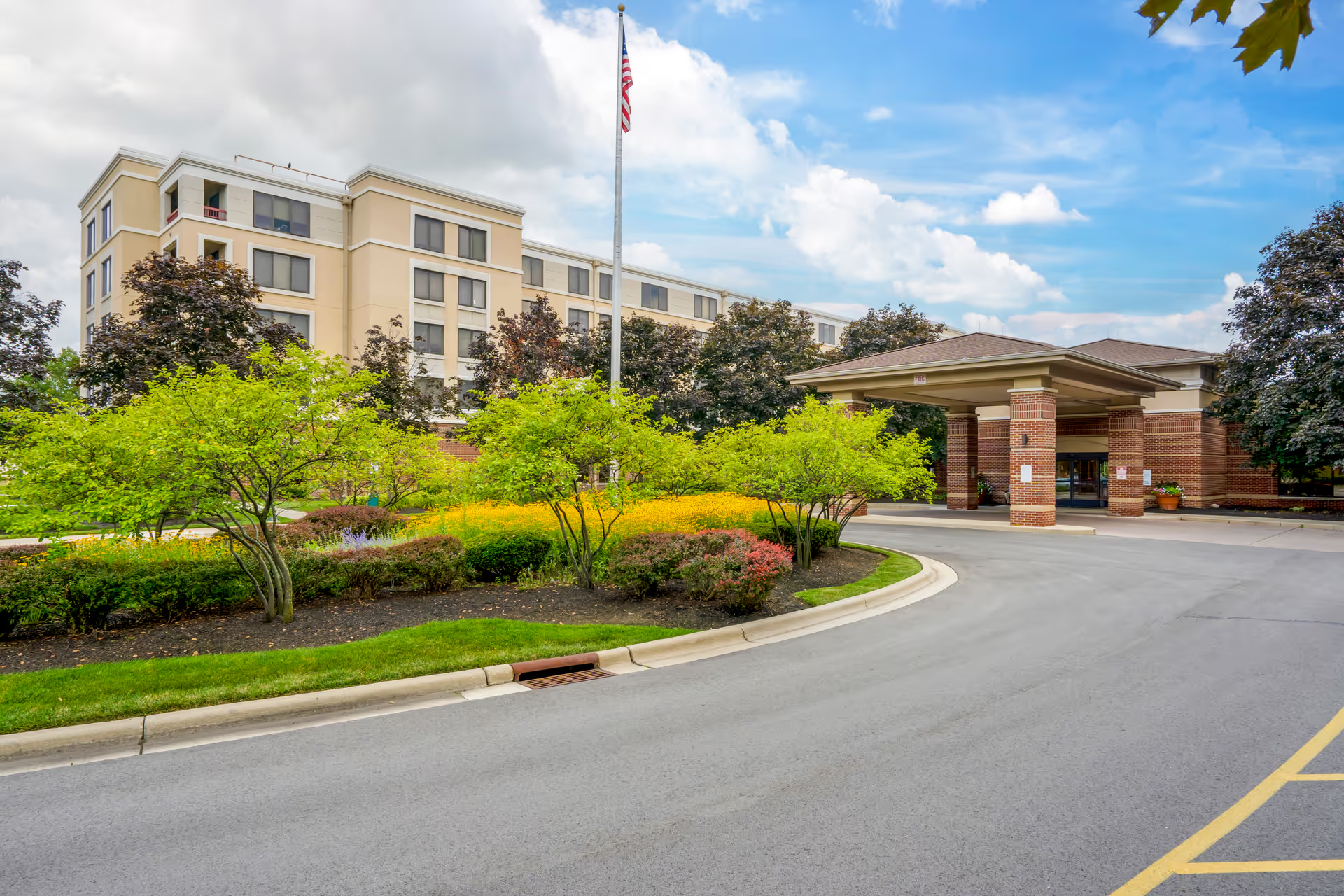
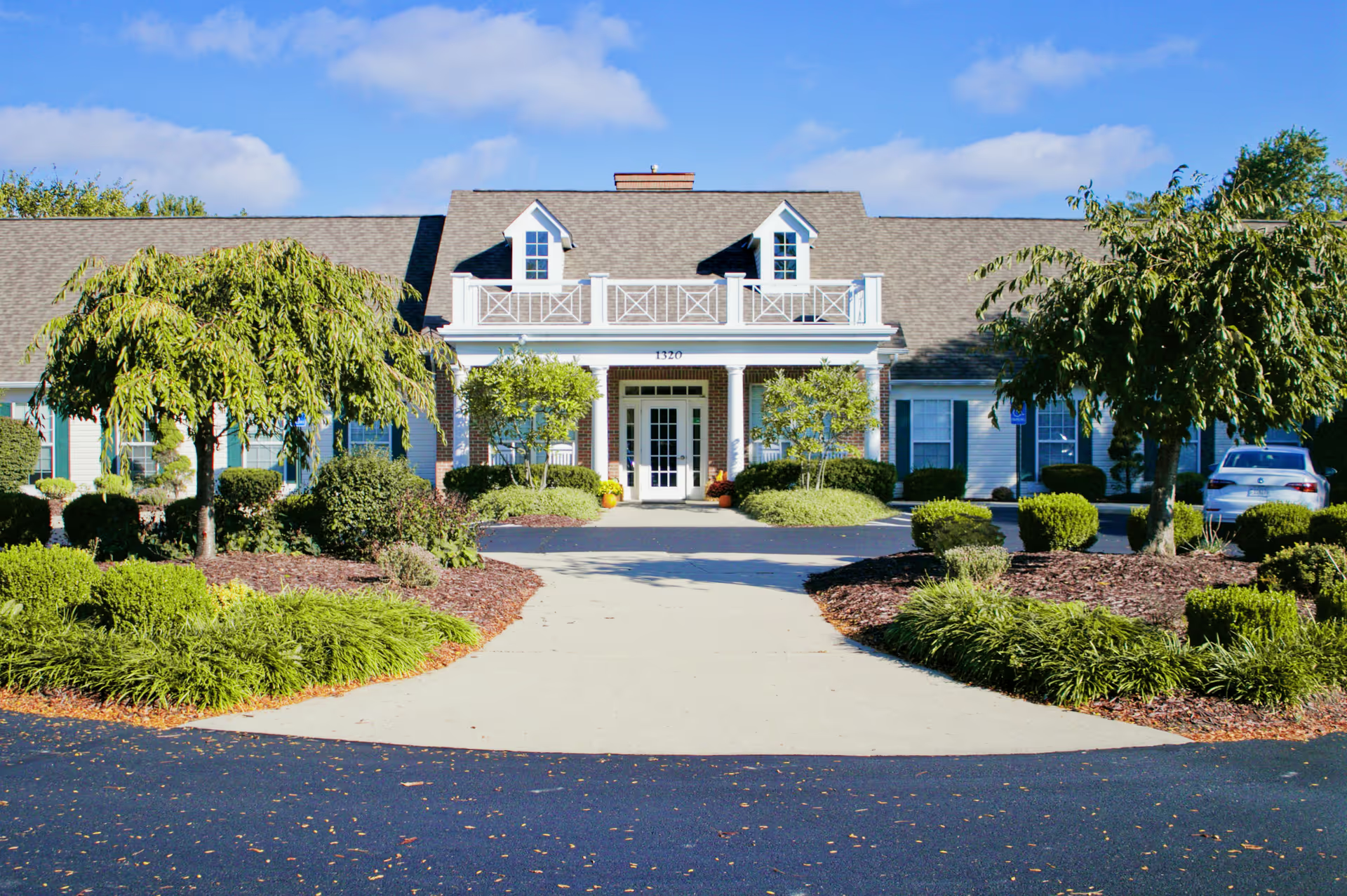
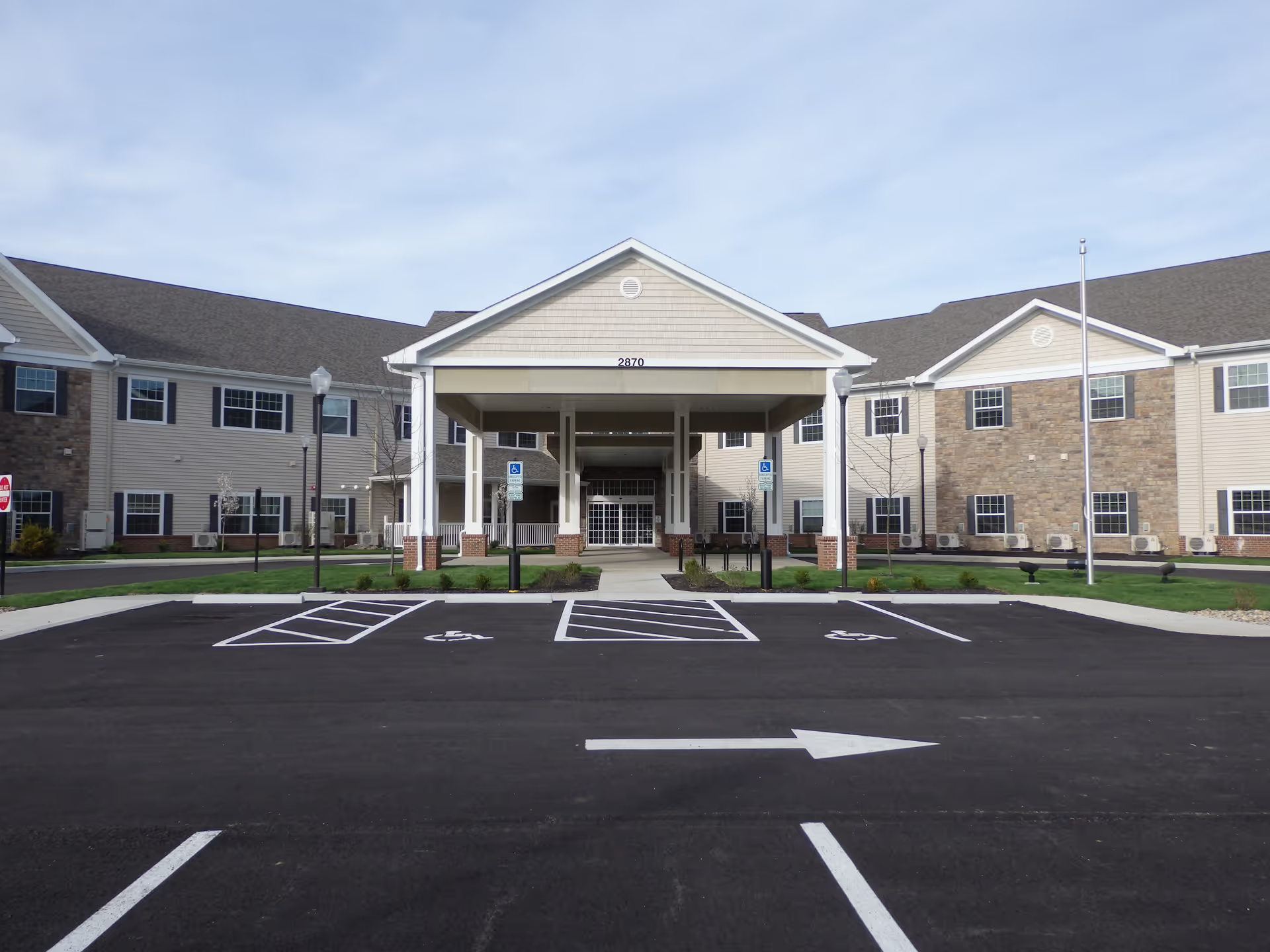
The review set for Norwich Springs Health Campus is strongly polarized, with a mixture of highly favorable experiences and serious operational concerns. Positive feedback highlights a clean, modern campus with attractive common areas, engaging programming, and a therapy department that produces good rehab outcomes. Many reviewers praised compassionate front-line staff, warm social activities, celebratory events, and amenities such as dining presentation, pet programs, and responsive maintenance operations. Admissions and administrative personnel receive repeated favorable mention for ease of intake and family-oriented coordination in positive accounts.
At the same time, a number of substantive issues emerge across the negative reviews that point to inconsistent operational performance. Clinical responsiveness and monitoring are frequent concerns: reviewers described delays in vital-sign checks, slow medication administration, and slow responses to acute changes in condition. These patterns suggest variability in nursing availability or in handoff/monitoring protocols rather than a uniformly consistent standard of care. Staffing levels and workload pressure were also cited as contributing factors to delayed care and missed tasks.
Cleanliness and personal-care practices appear uneven. While some accounts describe well-kept rooms and timely housekeeping, others cite sanitation concerns, inconsistent linen handling, pest-control concerns, and prolonged gaps in bathing or hygiene services. Relatedly, reviewers raised issues with personal-effects management—missing belongings and slow return of property—and with billing practices that families perceived as opaque or incorrect. These are operational weaknesses that prospective residents and families should clarify during a tour and pre-admission conversation.
Dining and nutrition are another mixed area. Several reviewers praised food quality, presentation, and enjoyable meals; others described hard-to-chew fare, insufficient liquids, and variability in meal consistency and dietary accommodations. Therapy services (PT/OT) and some clinical specialties such as wound care receive strong endorsements in many accounts, indicating pockets of clinical strength even where other care processes are inconsistent.
Communication and management responsiveness show a split pattern. Positive reviews emphasize supportive administration, helpful admissions staff, prompt maintenance resolution, and thoughtful end-of-life comfort in some cases. Conversely, negative reviews describe poor communication about care plans and discharge timing, limited transparency around billing, and in a few instances, complaints filed with the state health department and referenced inspection activity. These items suggest that managerial responsiveness can be good in some interactions but uneven overall.
What stands out is variability: many families experienced attentive, high-quality care and a robust activity program, while others encountered delays in clinical attention, cleanliness gaps, medication and personal-effects problems, and billing or discharge challenges. For prospective residents and their families, recommended due diligence includes touring the specific unit, asking for current staffing ratios and examples of clinical-monitoring protocols, requesting copies of recent state inspection findings, clarifying personal-effects and billing policies, and confirming dietary accommodations. Those steps can help determine whether the facility’s stronger practices align with your specific care needs and expectations.