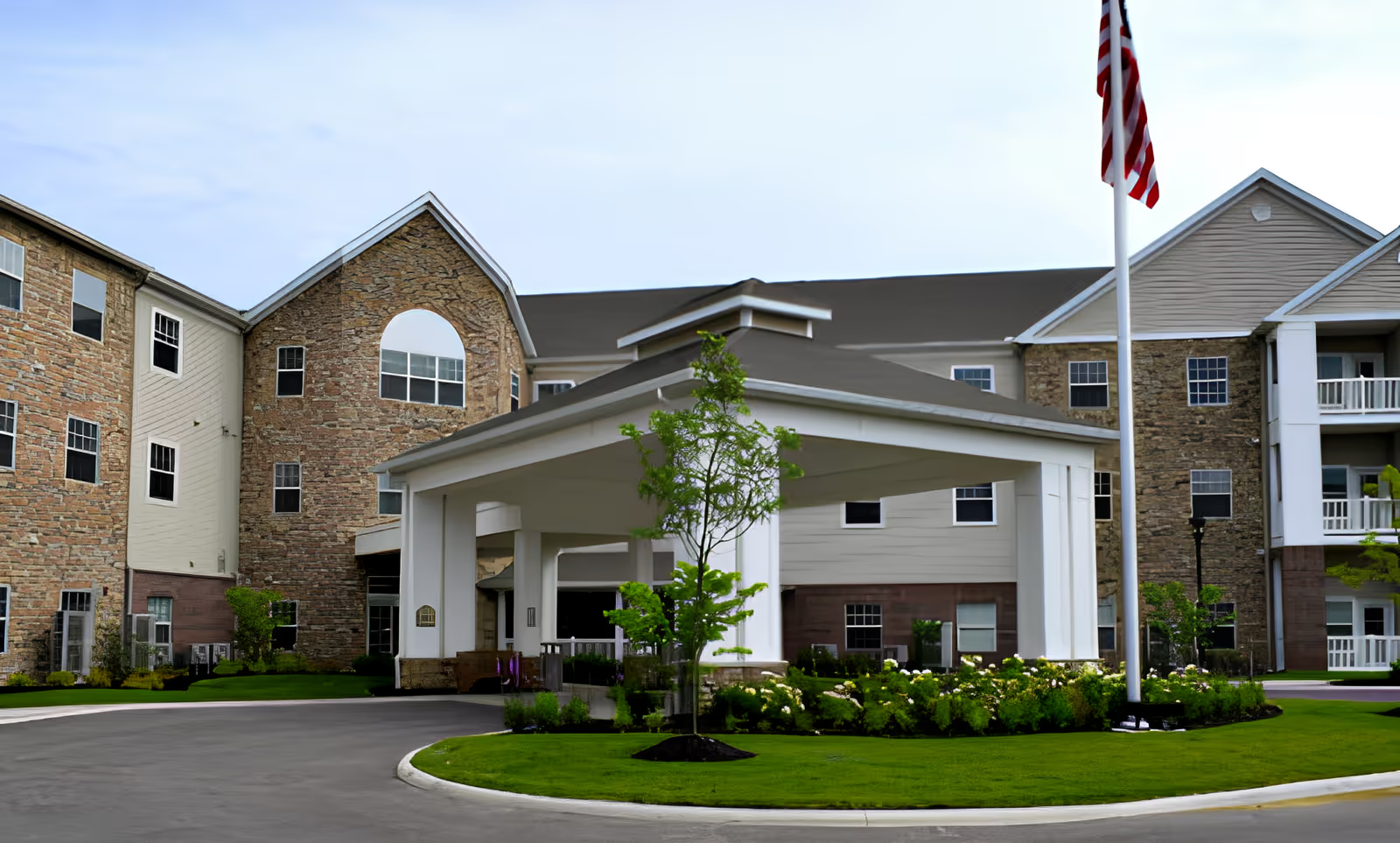
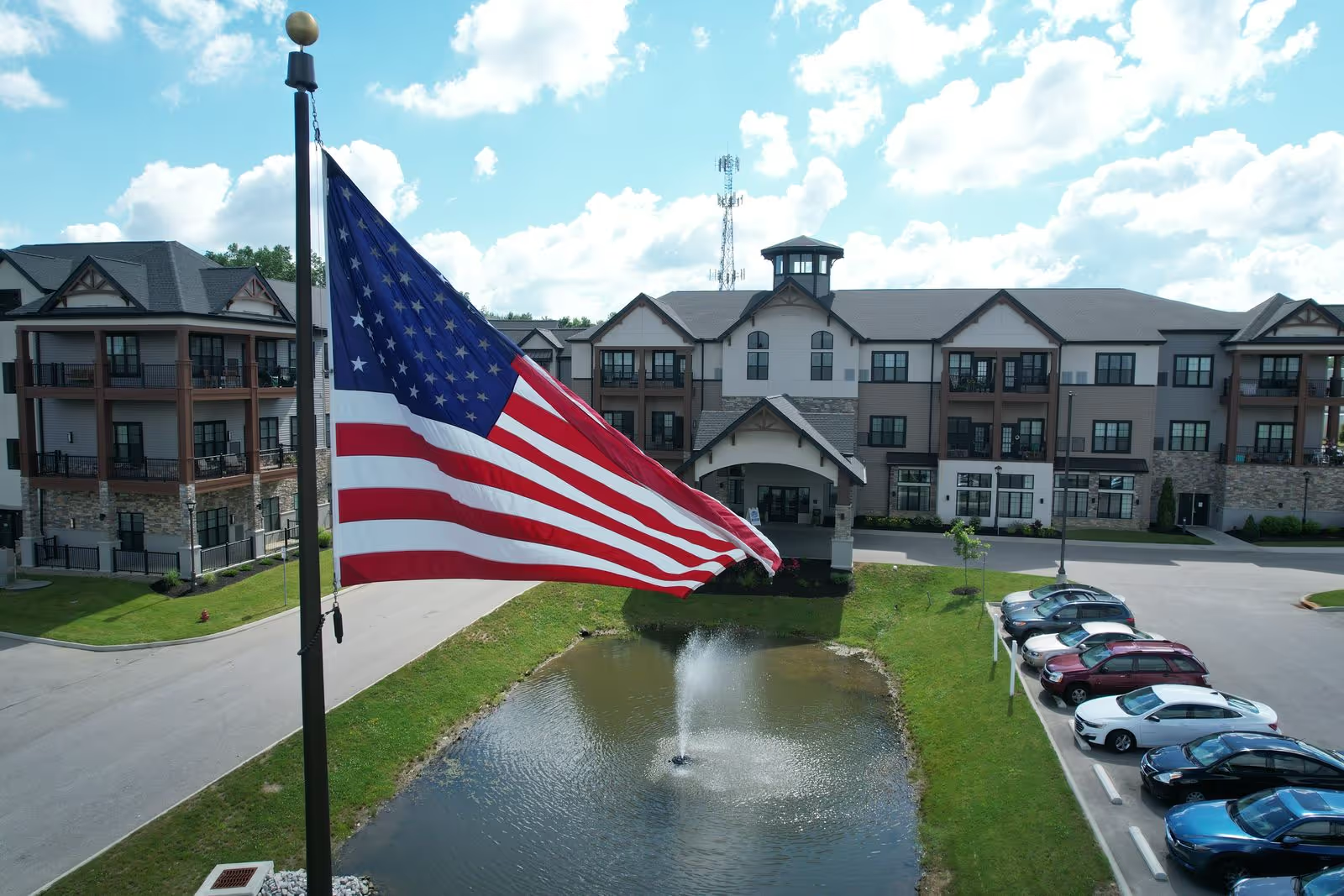
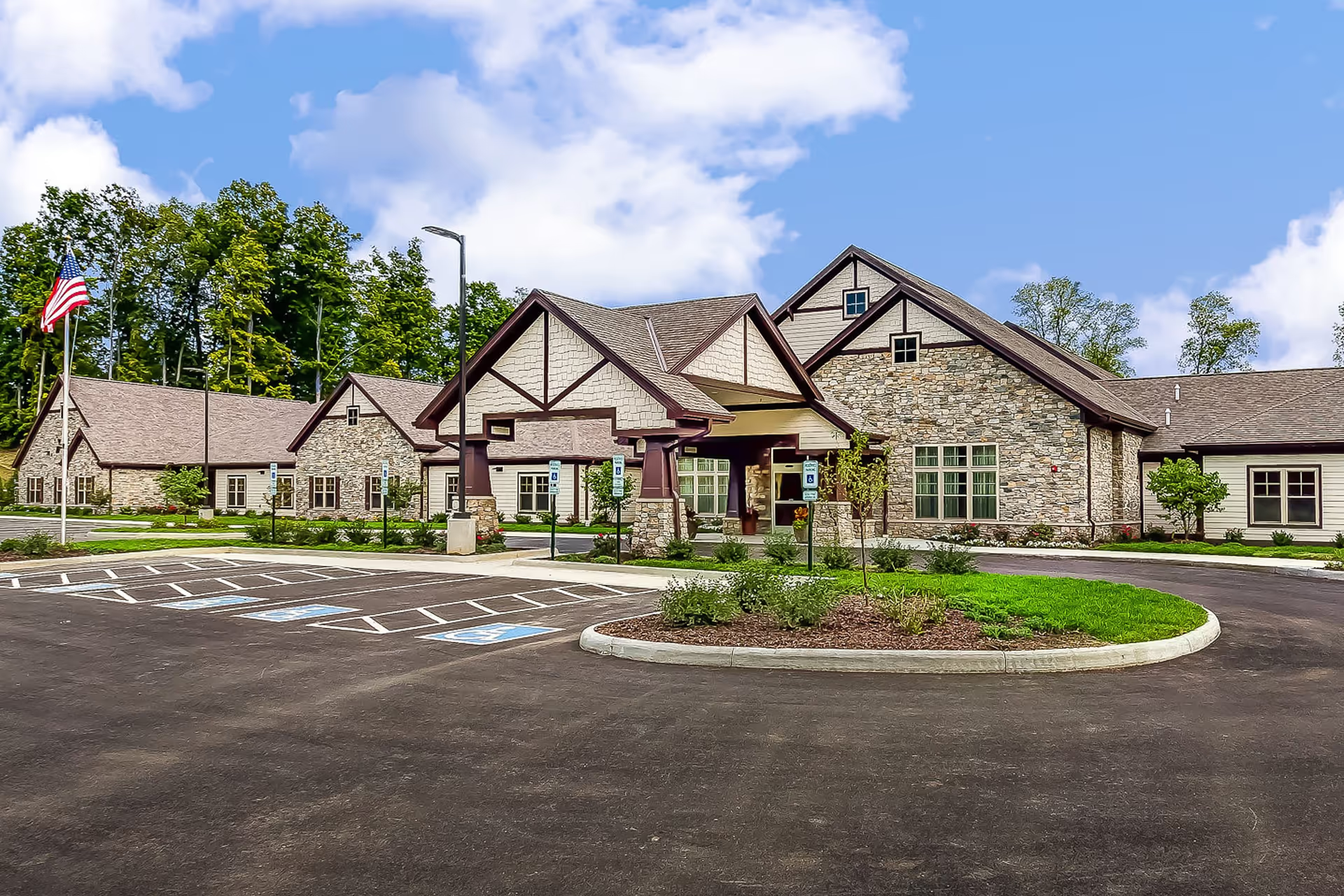
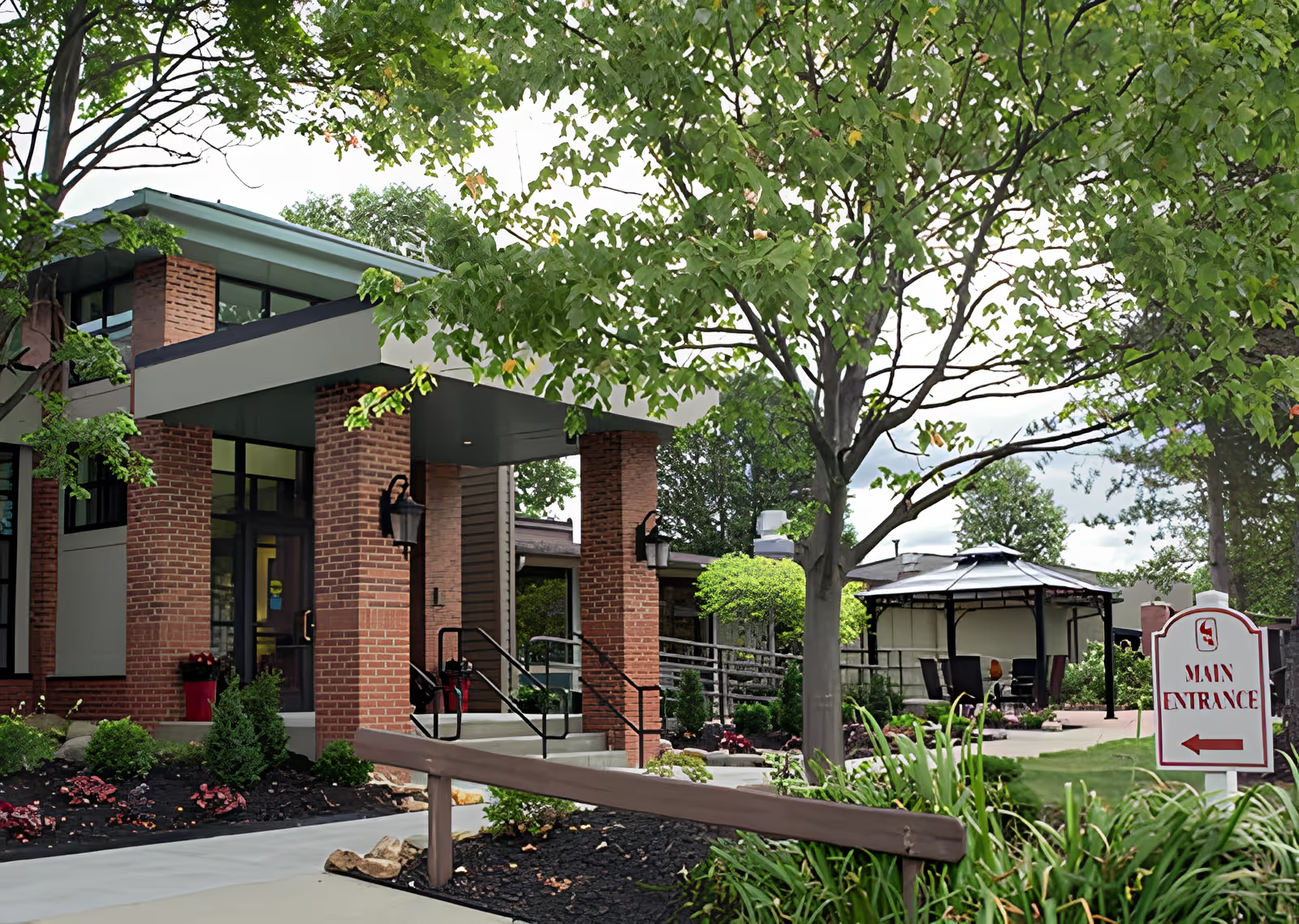
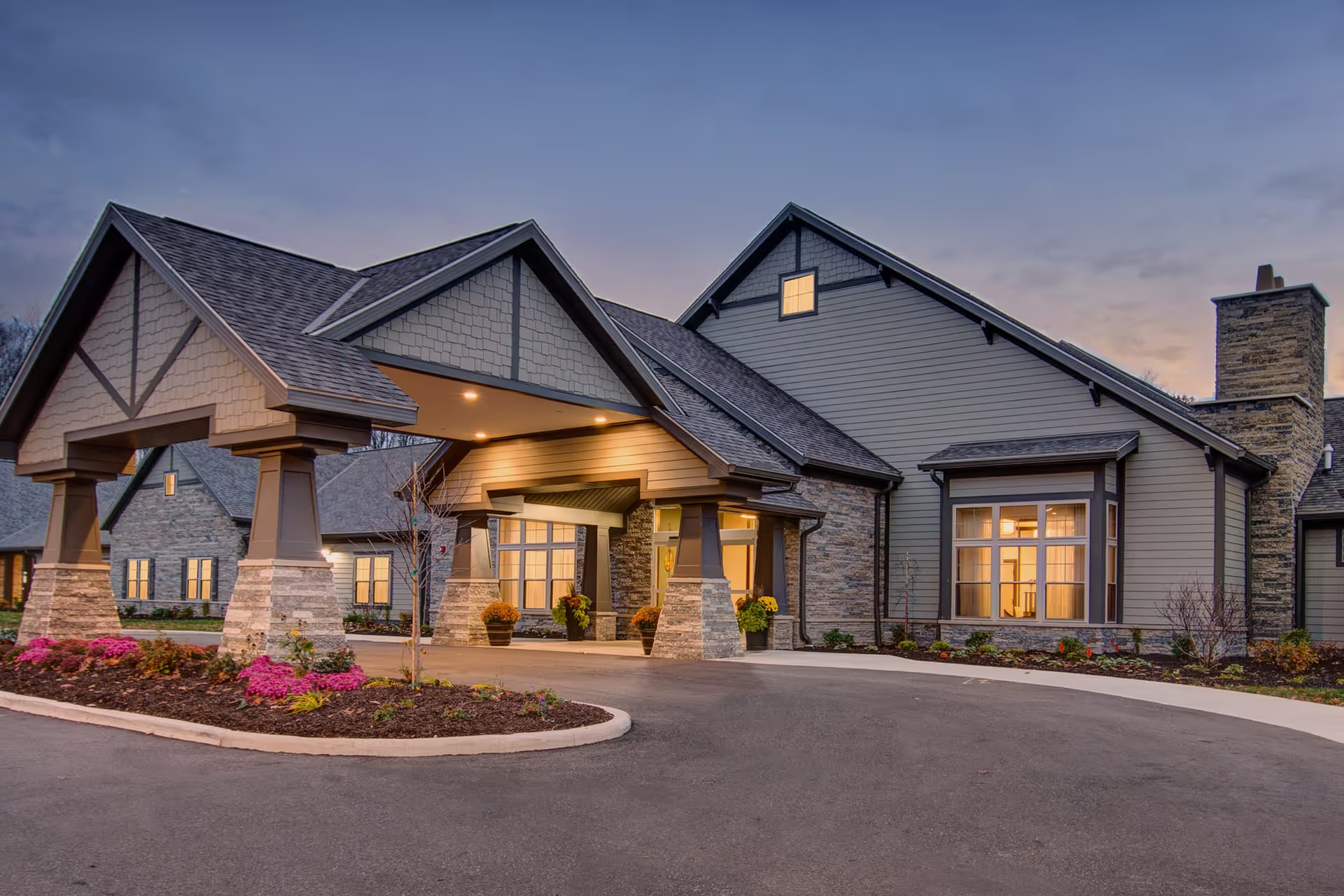
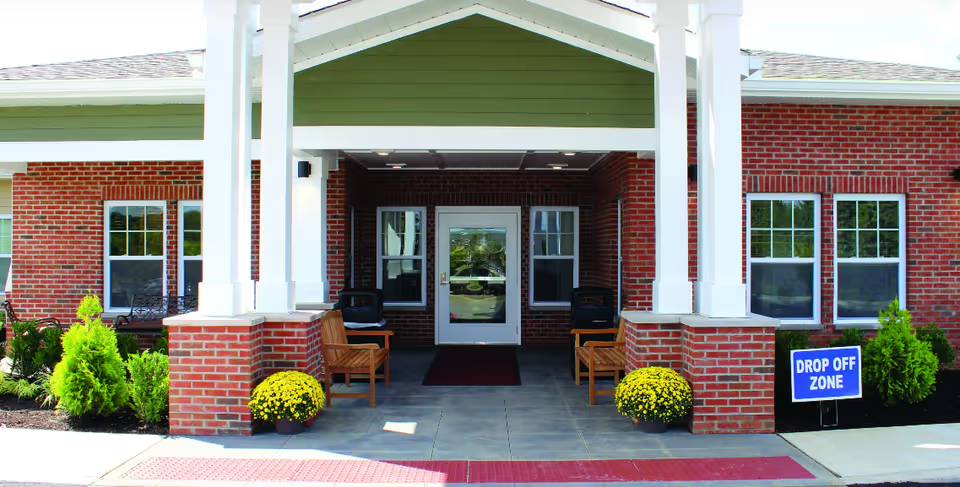
Heritage of Hudson presents a mixed but instructive profile: the facility is frequently praised for its rehabilitation capabilities, activity programming, and pleasant campus amenities, while operational and staffing inconsistencies recur across accounts. Many families described strong short-term therapy outcomes and rehabilitation progress—examples include improved mobility and restored continence after therapy. The activity program, which includes speakers, outings, and animal-assisted engagement, is consistently noted as robust and contributes to a home-like atmosphere. The grounds, water features, and private-suite options are repeatedly described as well maintained and attractive.
At the same time, a pattern of operational weaknesses emerges that prospective residents and families should evaluate. Staffing levels and continuity are uneven, often cited as thinner on weekends; reviewers linked this to delayed personal care (including bathing and call-button response), limited weekend therapy coverage, and uneven supervision in memory-care areas. Medication-management inconsistencies and pharmacy delays were also described, and several accounts raised concerns about clinical follow-through after transfers or discharge. A formal complaint to a state health authority was mentioned by one source, underscoring the importance of checking current regulatory status and recent quality reports.
Dining and basic-services experiences are inconsistent. Positive comments about cleanliness and a well-run wing coexist with descriptions of cold meals, delayed medication delivery, and intermittent sanitation or odor concerns in some areas. These inconsistencies appear tied in part to staffing variability and shift coverage. Families that raised safety or hygiene concerns sometimes chose to contract private aides or to escalate issues to facility management.
Staff and management performance are portrayed in divergent terms. Numerous reviewers praised compassionate caregivers, helpful admissions staff, and clear care-team communication—specifically family updates, care meetings, and assistance with financial/timeline logistics. Others described unresponsive or brusque staff, long response times, and difficulties obtaining timely information after incidents. This split suggests variability across units or shifts rather than uniform facility-wide practice.
In summary, Heritage of Hudson offers strong amenities, an active engagement program, and capable therapy services that make it a reasonable candidate for both short-term rehabilitation and long-term placement for many residents. However, recurring patterns—uneven staffing (notably on weekends), gaps in medication and personal-care responsiveness, and intermittent sanitation concerns—merit direct inquiry during any tour or placement discussion. Prospective residents should ask about current staffing ratios, weekend therapy availability, memory-care staffing and training, medication-administration protocols, recent quality surveys, and how the facility has addressed any documented complaints before making a placement decision.