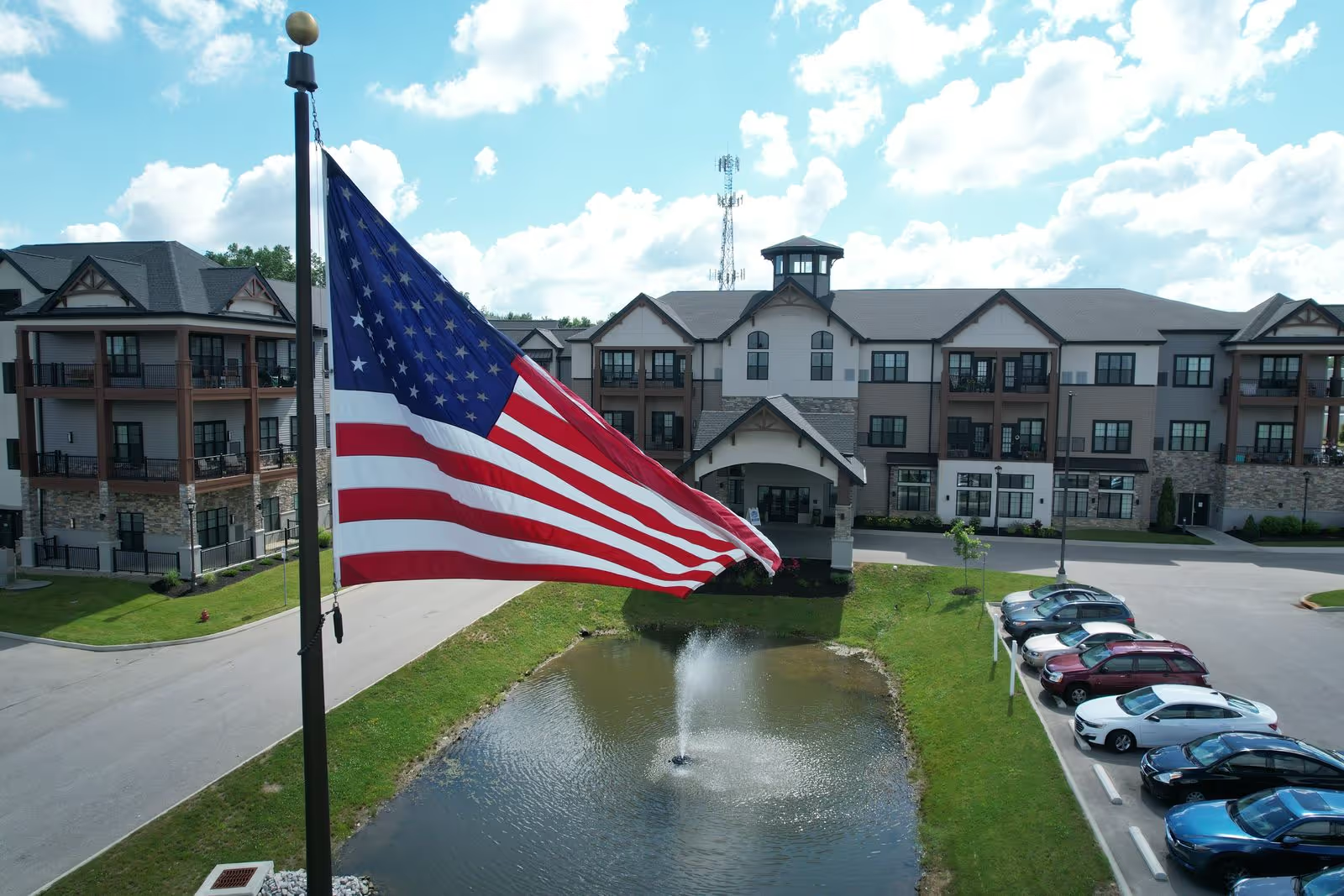
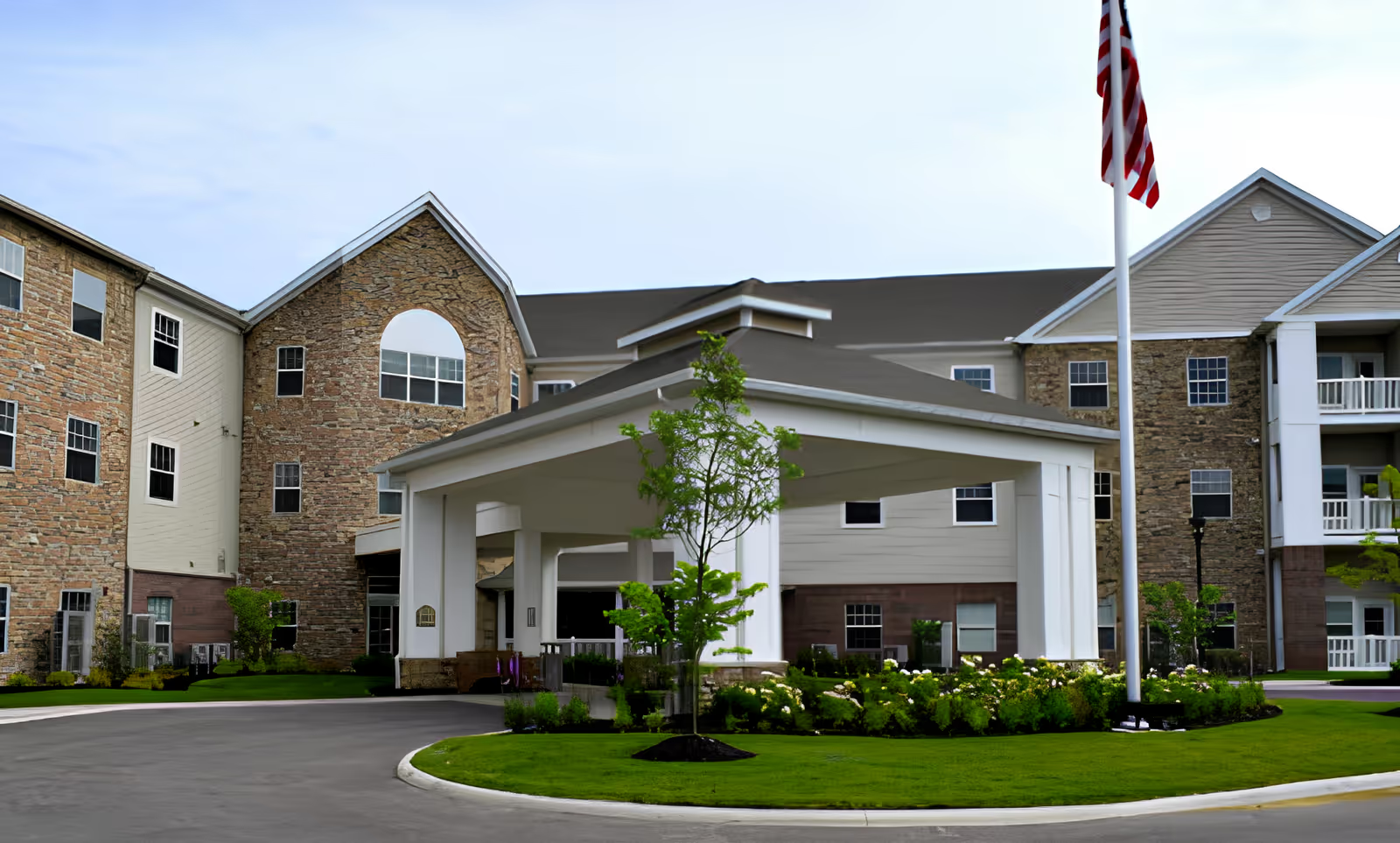
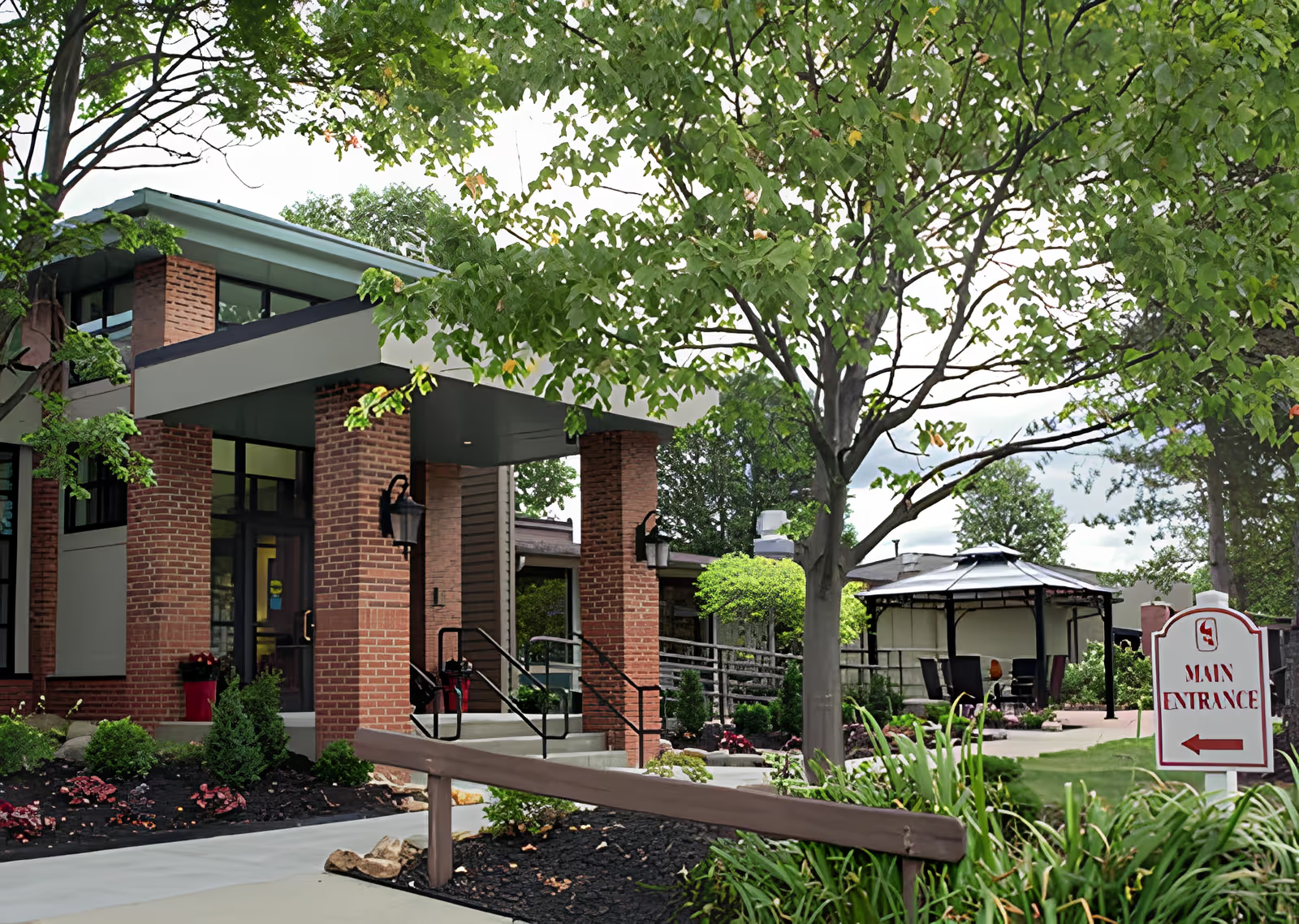
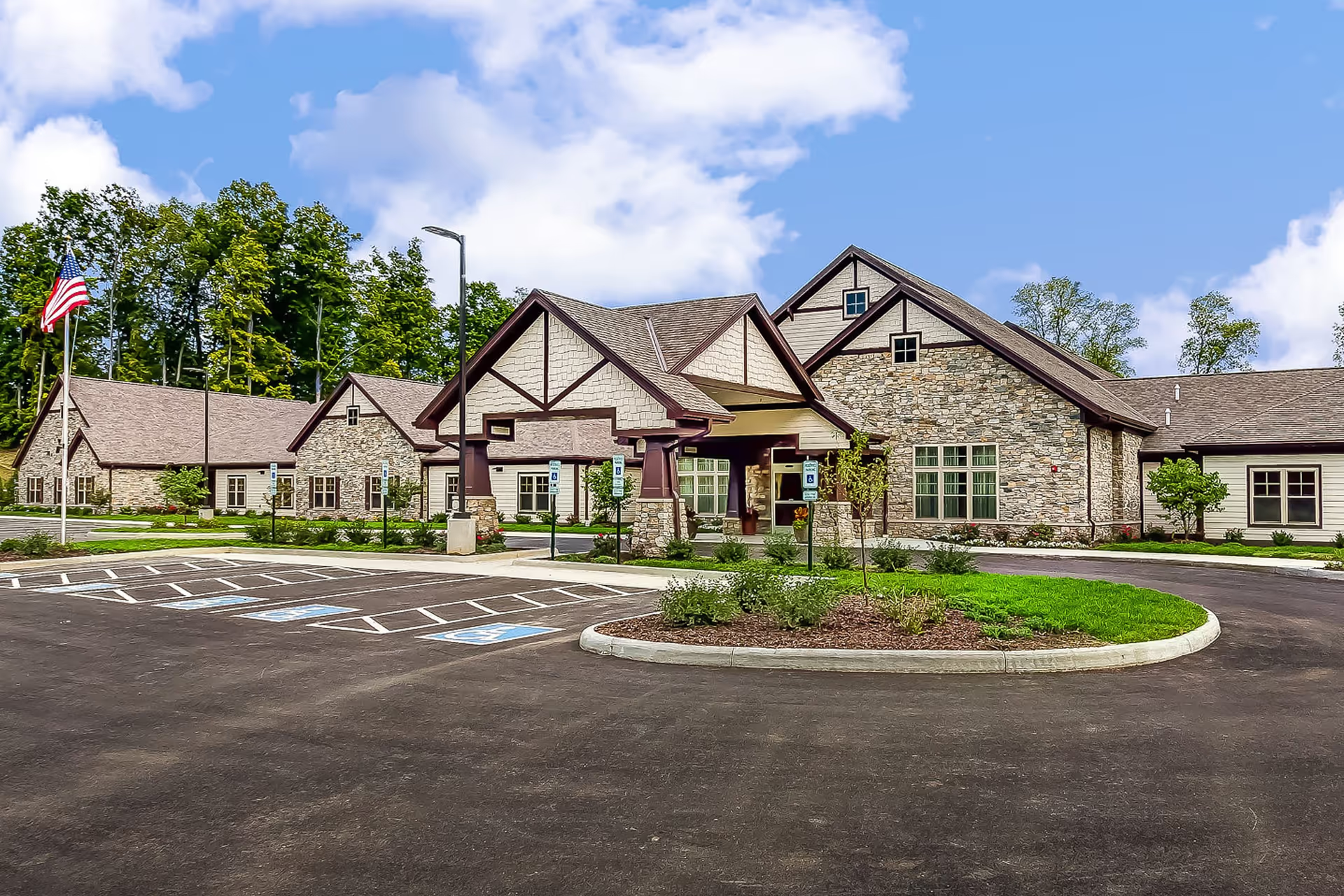
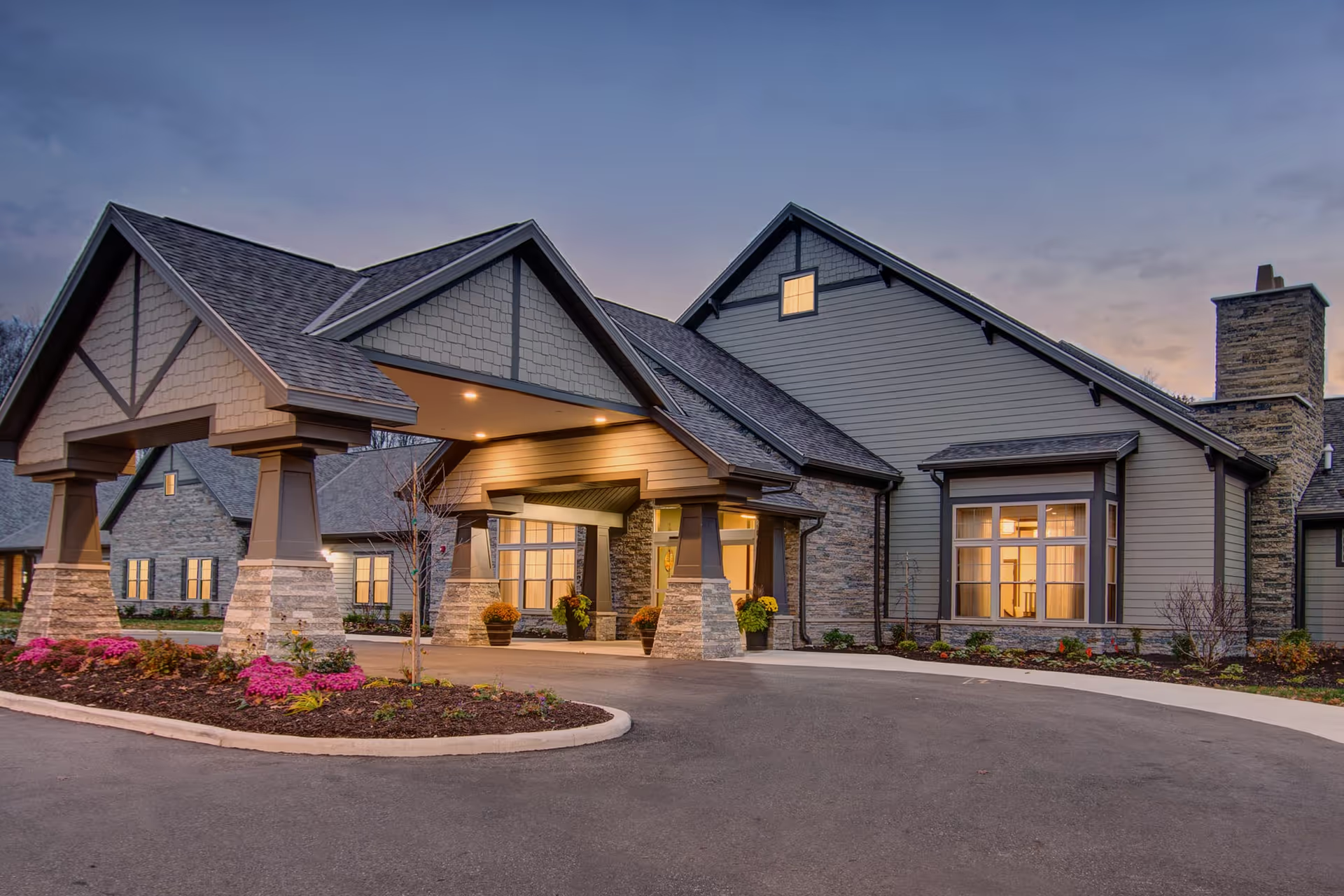
Hudson Grande Senior Living elicits broadly mixed but specific feedback. Many families and residents praise the community for its compassionate caregiving, professional nursing presence, restaurant-style dining, and robust activity program that includes outings and memory-care–appropriate engagement. The physical environment is frequently described as bright, clean, and well maintained, with hotel-like common areas, courtyards, and private studio options. On-site therapy services, flexible dietary accommodations, and a family-like culture contribute to a positive experience for many residents and their families.
Care quality and staff behavior are among the most discussed areas. Numerous accounts highlight attentive, respectful care partners and nurses who invest personally in residents’ well-being; several staff members and departments are singled out for exemplary service. At the same time, a consistent theme across feedback is variability: periods of strong, individualized attention alternate with reports of limited nursing visibility, delayed responses, and uneven assistance with fundamental activities of daily living (notably bathing and dressing). There are also operational concerns about medication and personal-device handling that suggest opportunities to tighten clinical and personal-item procedures.
Dining and activities are major strengths but show inconsistent execution. Many reviewers describe chef-prepared, restaurant-style meals, frequent events, and an energetic activities team that offers both group programming and outings. Conversely, other families noted variability in meal quality, service timing, and occasional long waits or incorrect orders. The activity program is generally described as broad and engaging—particularly for memory-care residents—but participation and inclusion can vary by unit and by staffing on any given day.
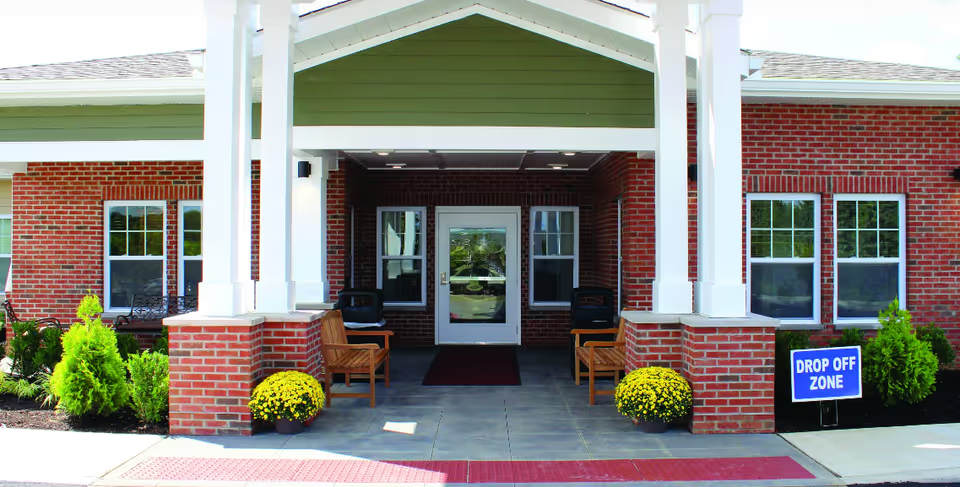
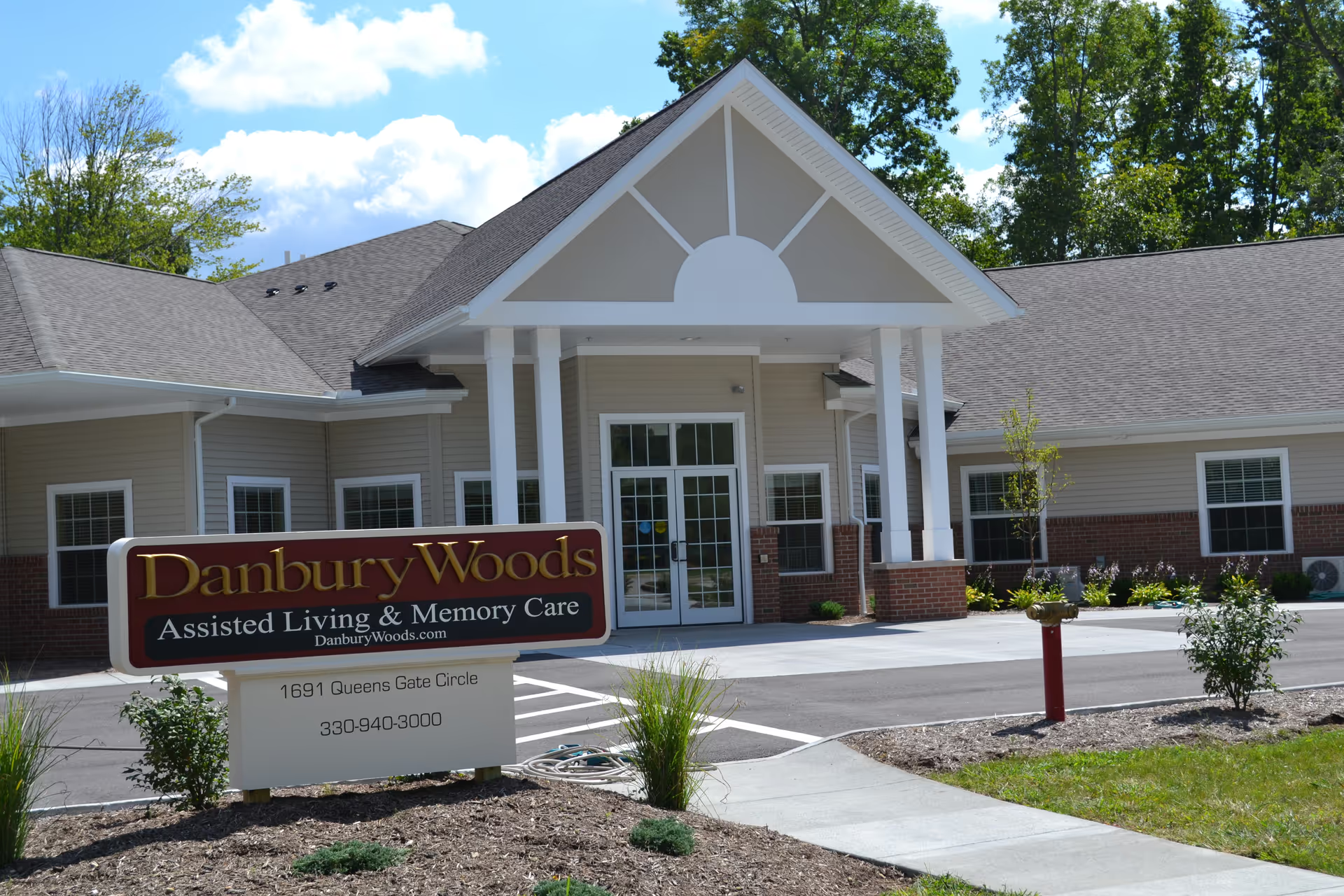
Facility amenities earn repeated praise for cleanliness, natural light, and thoughtful design; common areas such as the lobby, music spaces, and courtyards are often highlighted. That said, there are reports of localized sanitation and maintenance issues (for example, dining-area cleanliness, bathroom upkeep, ventilation, and isolated water-damage repairs) that indicate inconsistent operational follow-through in some zones.
Management and operational consistency are recurring themes. Several families observed a change in tone and performance following leadership transitions, with particular concerns about staffing stability, increased use of agency personnel, and occasional communication breakdowns around transfers, family requests, and care planning. Conversely, other families commend specific managers and directors for responsiveness and effective problem resolution. The pattern suggests that service quality can depend substantially on current leadership, staffing levels, and unit-specific practices.
Takeaway for prospective families: Hudson Grande offers many of the amenities and strengths that families seek—engaged activities, appealing dining, a bright facility, and numerous caring staff members. However, there is meaningful variability in day-to-day operations, especially around staffing consistency, ADL support, medication/personal-device management, and some housekeeping/maintenance processes. When evaluating the community, families should ask specific questions about current staffing ratios, weekend/agency staffing plans, medication and personal-item protocols, visitation policies, and how transfers or end-of-life transitions are handled. Visiting during different times of day (including evenings and weekends), requesting recent staffing metrics, and clarifying communication protocols can help assess whether the current operational environment matches your expectations.