The reviews present a mixed but consistent pattern: the facility is recognized for strong rehabilitative services and elements of a supportive, long-term residential community, while operational issues related to staffing and training appear to affect day-to-day care quality for some residents.
Care quality: Rehabilitation services are described very positively and are a clear strength. Several comments highlight effective rehab outcomes. At the same time, there are concerns about inconsistency in routine care delivery and responsiveness; reviewers indicate that not every resident receives the same level of attention. Prospective families should ask about current staffing ratios, shift coverage, and how care plans are monitored over time.
Staff: Staff are frequently characterized as caring and hardworking, and many reviewers praised individual employees for their compassion. However, there are recurring operational concerns: reviewers note low overall staffing levels, uneven training for direct-care aides, and variability in staff communication tone. These issues suggest that while some staff perform well, workforce constraints and inconsistent training may undermine uniform service quality.
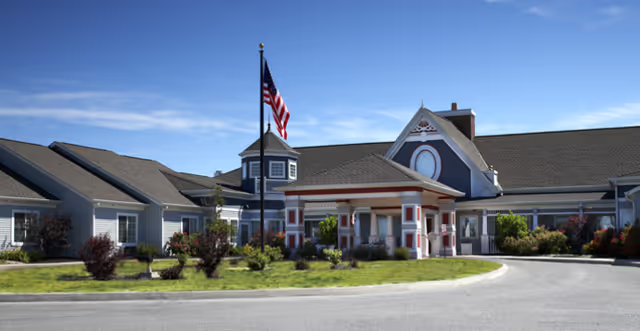
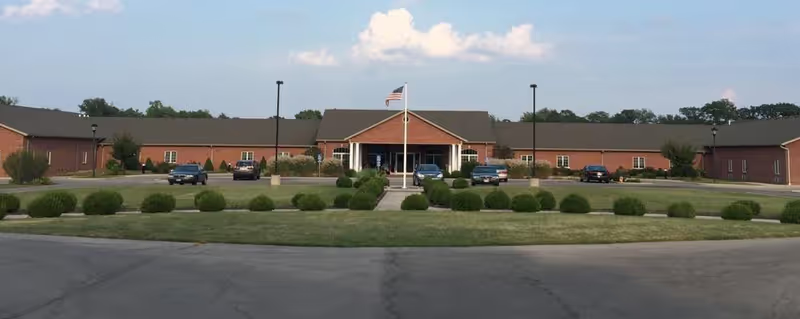
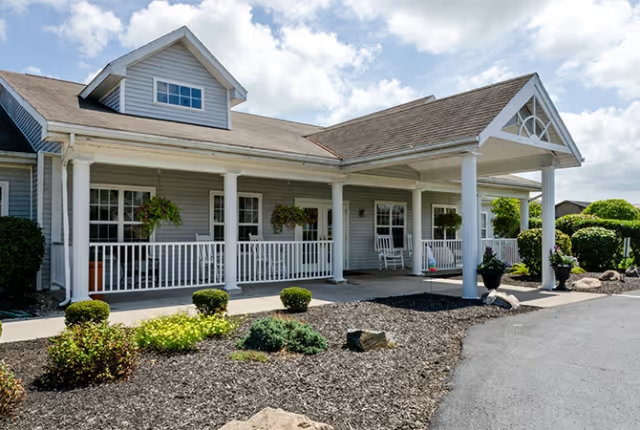
Dining and activities: Reviews do not focus heavily on dining or formal activity programming. The facility does receive positive mention for its outdoor spaces and grounds, which may support outdoor activities and family visits. Prospective residents may want to request sample menus, activity calendars, and opportunities for family participation during a visit.
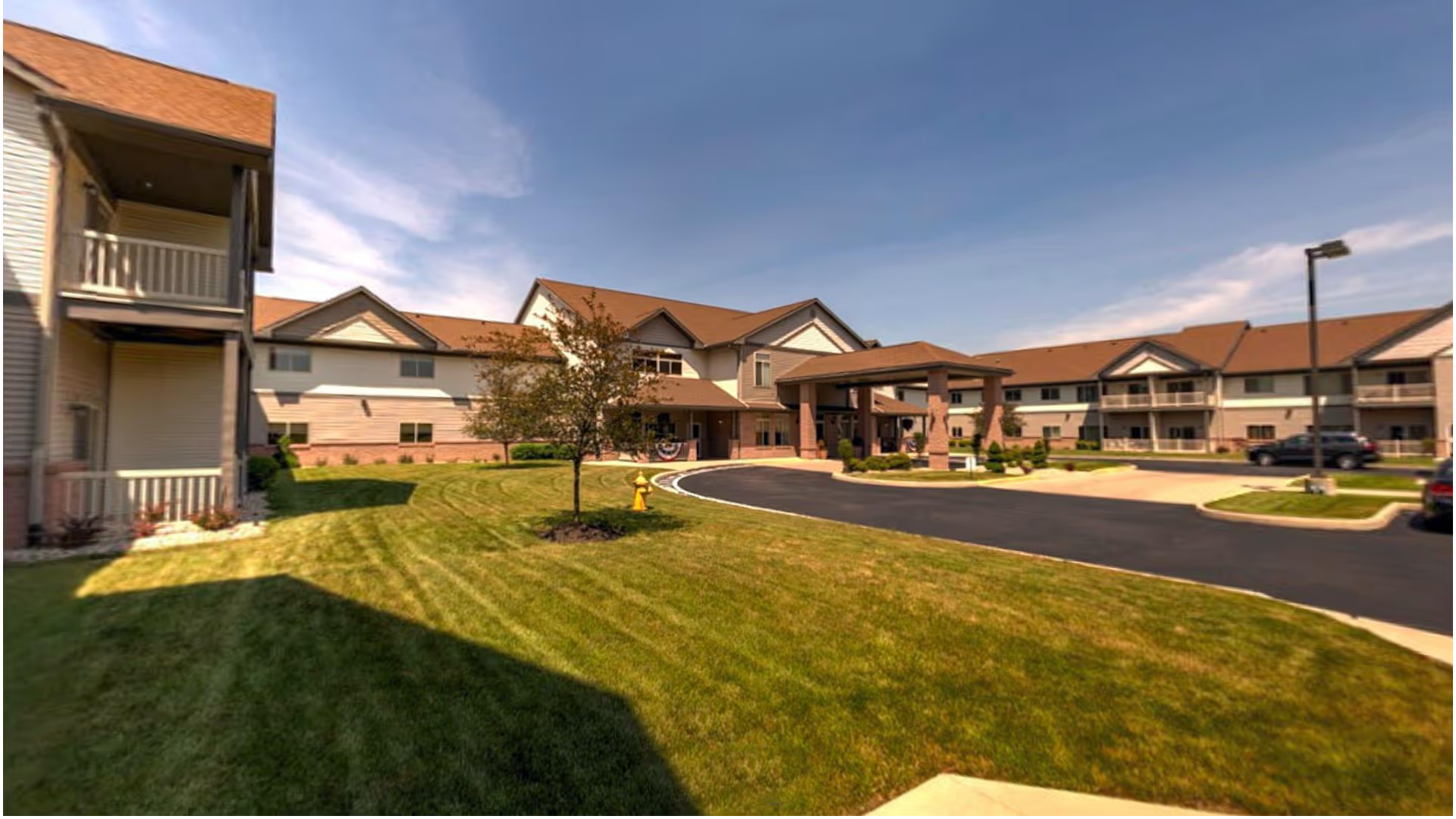
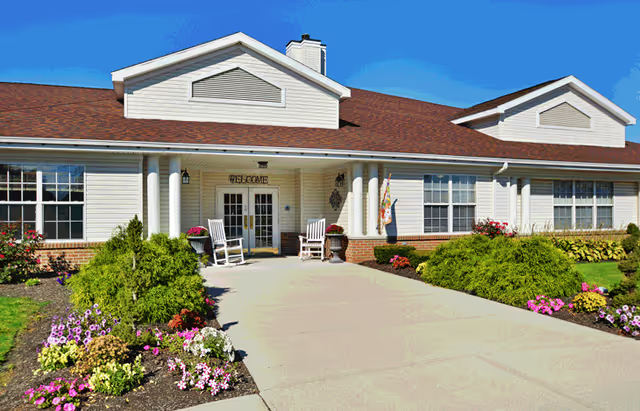
Facilities: The grounds are described positively and appear well maintained. Interior condition and dining-room details are not consistently discussed in the available summaries, so an on-site tour is recommended to assess cleanliness, room layout, and common-area upkeep.
Management and operations: The mix of strong endorsements alongside significant staffing and training concerns suggests variability in operational consistency. Management appears capable of supporting long-term residents and rehabilitation programs, but may be challenged by workforce stability and training standardization. Asking about staff turnover, training programs for nurse aides, and mechanisms for escalating family concerns would help clarify operational reliability.
Notable patterns and guidance: Reviews are polarized—some families express strong long-term satisfaction while others raise substantive concerns about insufficient staffing and inconsistent care. This pattern points to variability in resident experience rather than uniform excellence or failure. For families considering placement, recommended next steps include an in-person tour, direct questions about staffing levels and training, review of recent quality or inspection reports, and speaking with current residents or families about their daily experience.