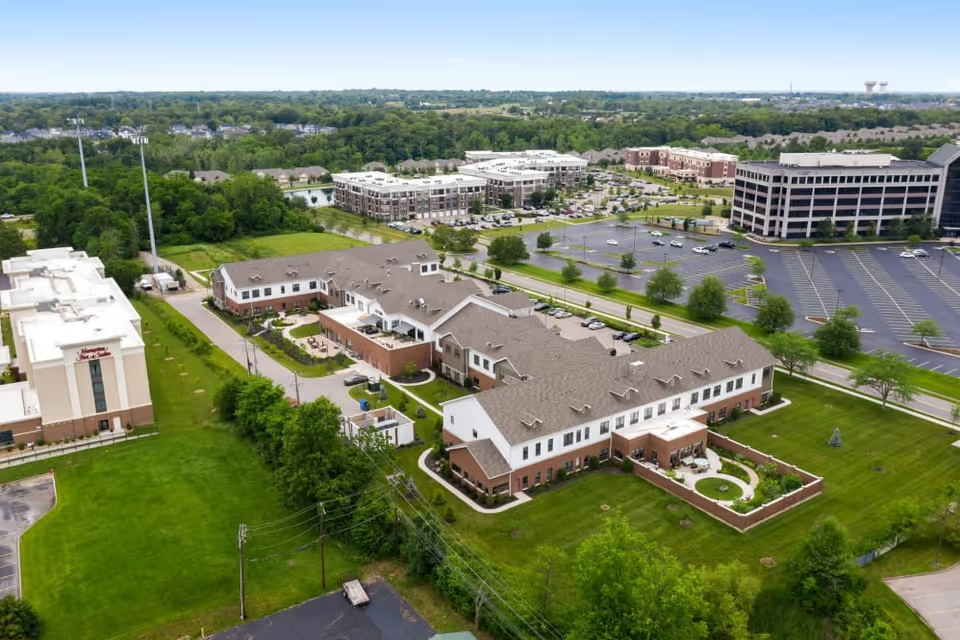
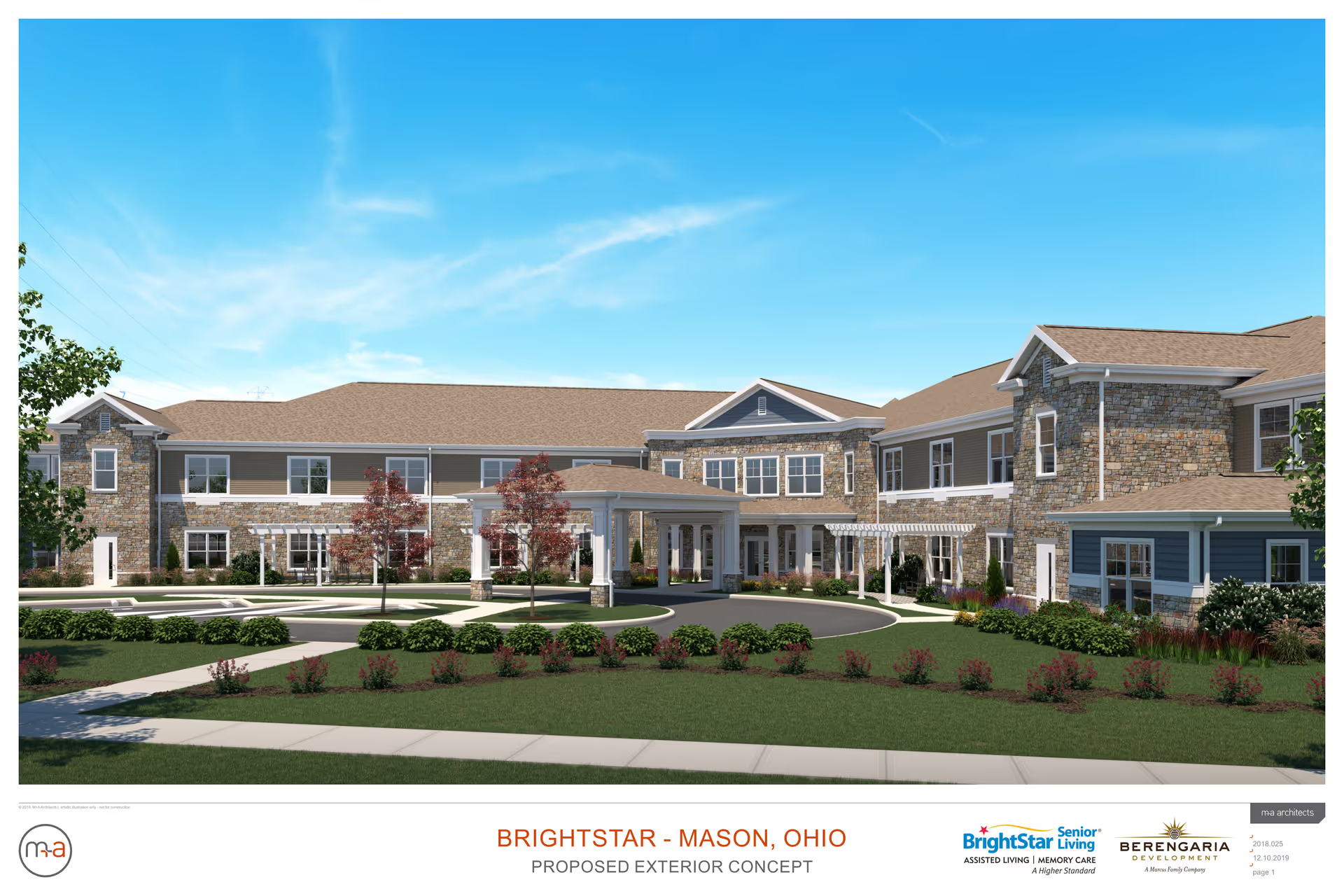
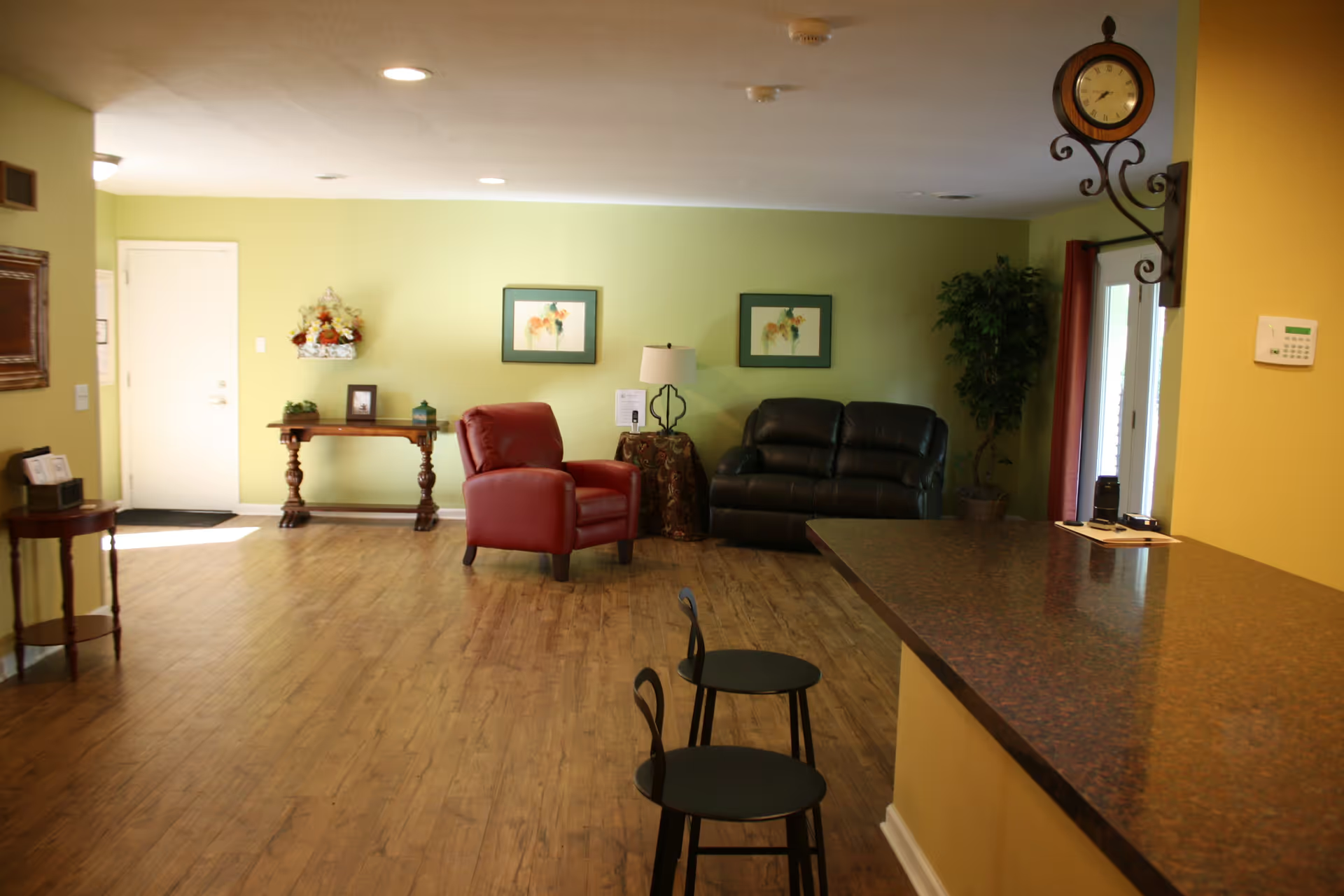
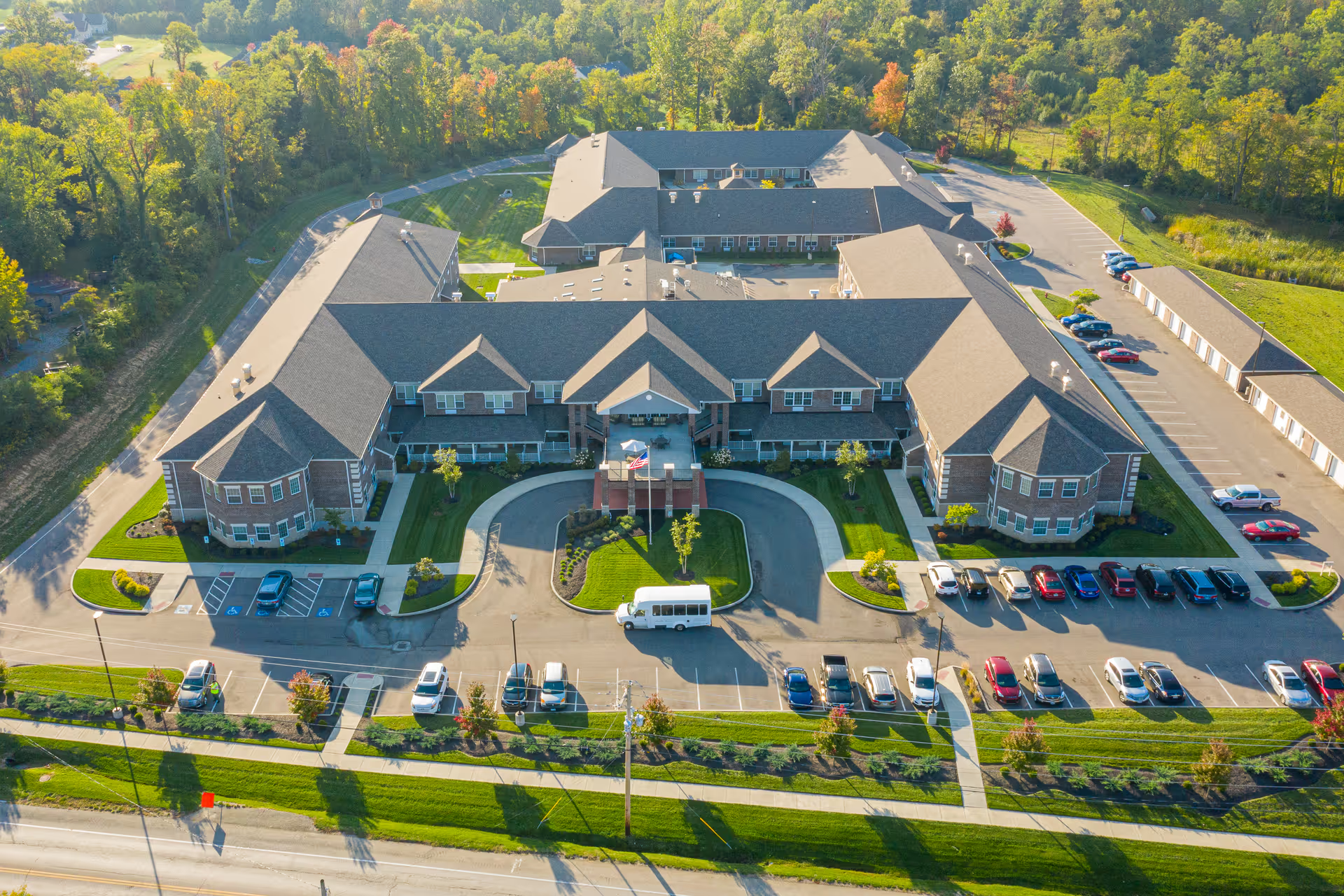
Traditions of Deerfield elicits strongly mixed impressions. Many families and residents praise the physical environment and lifestyle offerings: the building is frequently described as new, bright and well maintained, with comfortable apartments, accessible bathrooms, attractive dining spaces and pleasant outdoor seating. The community offers a robust activity program — live music, weekly happy hour, group outings and diverse social events — plus a range of on-site amenities such as a salon, chapel, fitness room and shuttle. Several accounts highlight attentive, compassionate direct-care staff and positive, seamless memory-care transitions; a number of families reported good communication and supportive end-of-life care by the memory-care team.
At the same time, recurring operational concerns appear throughout reviews. Staffing and leadership instability is a prominent theme: reviewers cite frequent staff turnover, director changes and periods of short staffing that affect day-to-day responsiveness. These personnel issues are linked to delayed responses to call lights and family requests, inconsistent medication timing and tracking, and gaps in shift-to-shift communication. A subset of families described clinical shortfalls for residents with higher medical needs, noting limited physician availability and reliance on LPN/PA oversight rather than regular physician rounds.
Facility service delivery shows variability. Dining is frequently praised for menu variety and restaurant-style service, but reviewers also describe intermittent cold meals and meal-service lapses. Housekeeping and apartment cleanliness receive positive mention in many cases, yet other accounts raise sanitation and incontinence-care delays. Ancillary services such as physical therapy were described as effective by some but as costly and of limited benefit by others. Financial issues recurred as a concern: families reported billing discrepancies, unexpected or unauthorized charges, and frustration around refunds or contract terms following changes in residency.
Management and communication are uneven in reviewers’ experience. Where leadership is engaged and stable, families report responsive administrators, good family updates and a warm community culture. Where leadership turnover and management gaps exist, families describe unresolved issues, inconsistent training for new staff, and misalignment between marketing promises and the level of clinical care delivered. Notably, memory-care and hospice experiences were among the most consistently positive clinical narratives, with examples of personalized support and timely hospice involvement.
For prospective residents and families, the pattern suggests clear strengths in facility quality, social programming and compassionate direct caregivers, paired with operational weaknesses that can affect clinical reliability and value. Recommended topics to probe on a tour include current staffing ratios (including weekend and night coverage), clinical leadership and physician access, medication-administration processes and timing, fall-prevention policies and call-button demonstration, cleaning protocols, billing practices and contract terms, and recent inspection or quality metrics. Observing a meal service, asking for recent staffing turnover data, and requesting references from current families can help clarify whether the community’s current operational performance aligns with the positive aspects many reviewers describe.