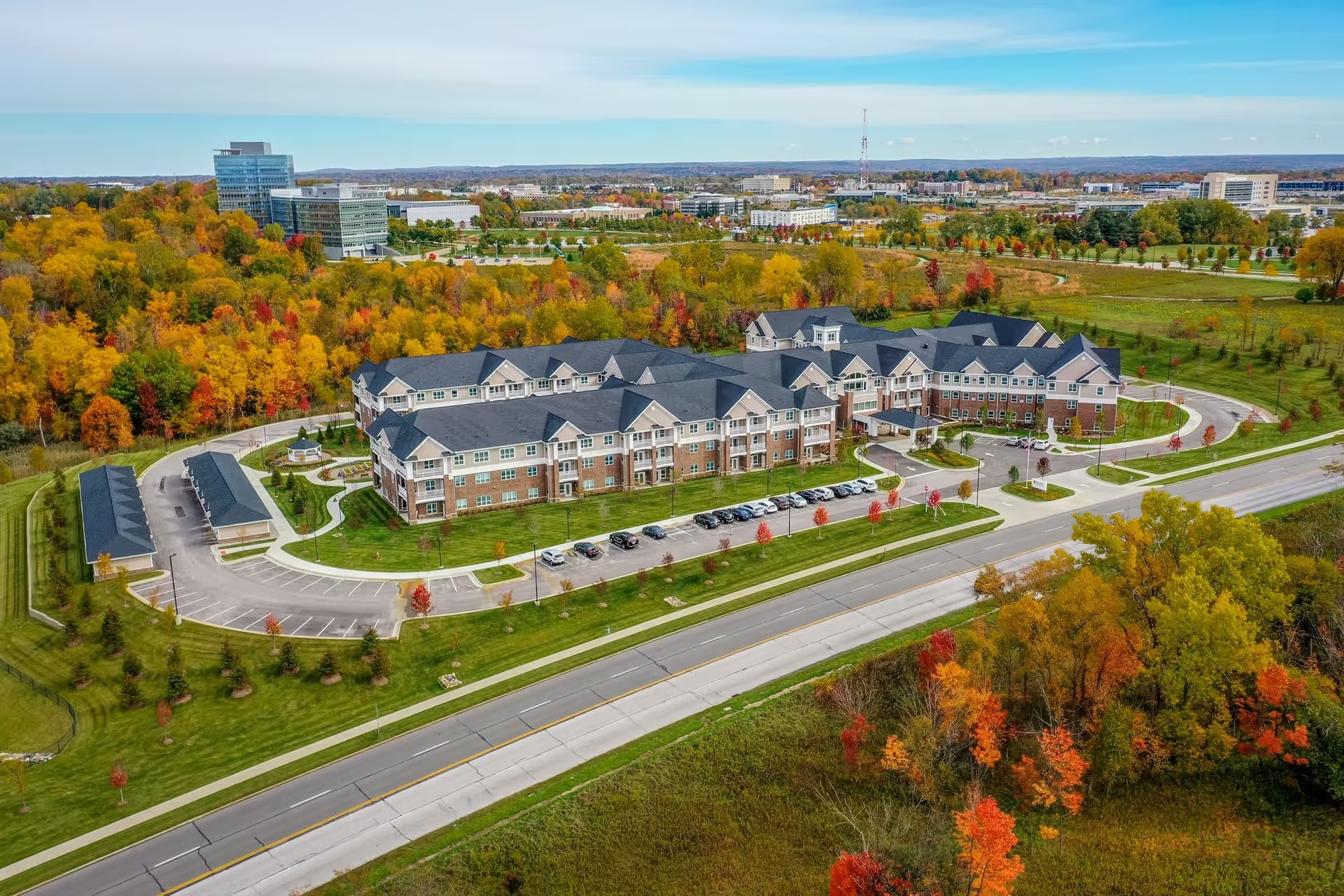
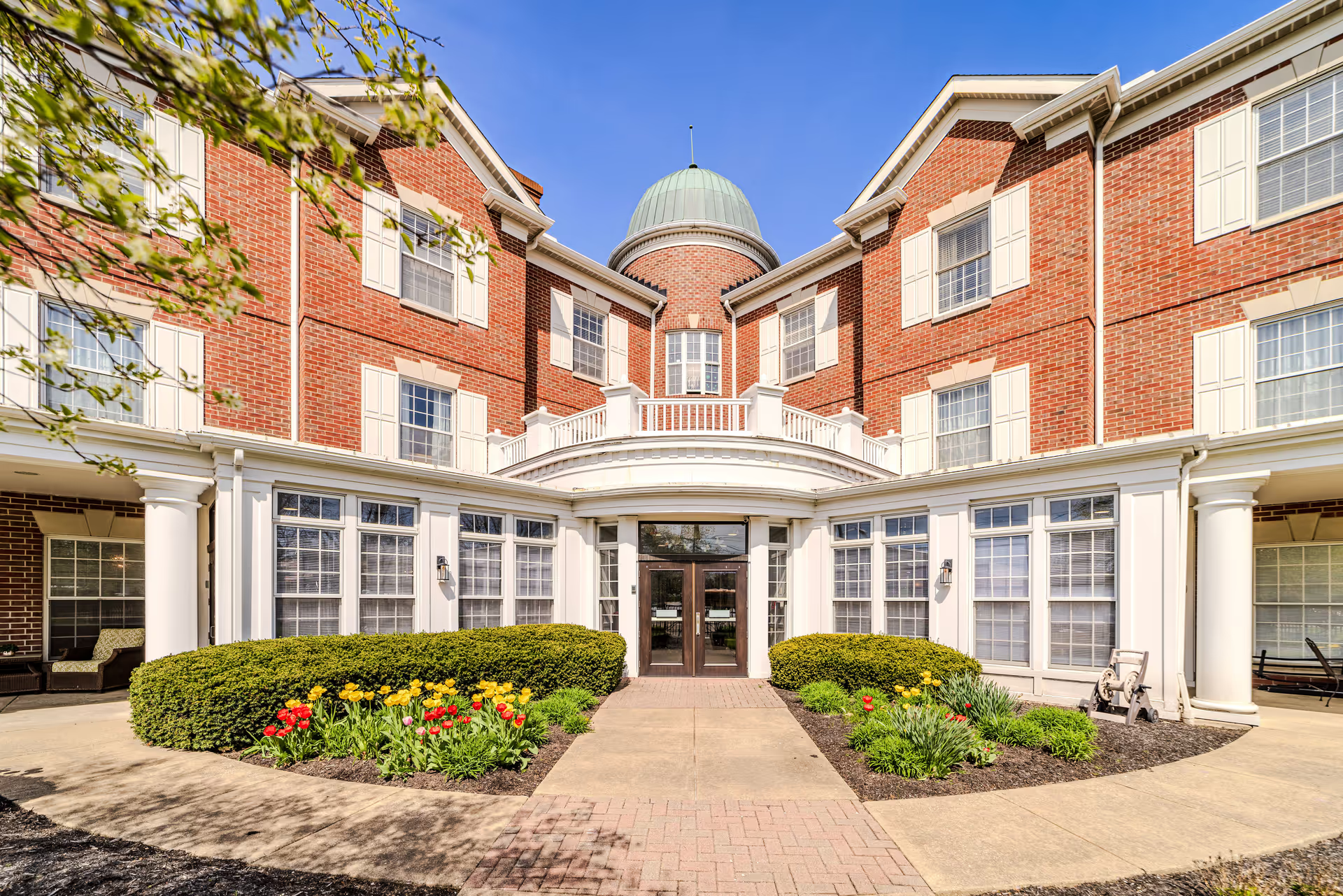
Heritage of Lyndhurst elicits strongly mixed but repeatable themes. Many families describe a warm, home-like environment with spacious apartments and well-kept common areas. The activities program is frequently singled out for its energy and variety — an active director, outings, volunteers, and plentiful on-site activities contribute to resident engagement. Maintenance and housekeeping are often praised when functioning well, and several reviewers noted an easy move-in experience supported by welcoming front-desk and administrative staff.
Clinical care elements receive both positive and negative observations. Nursing staff are commonly described as compassionate and reliable, with explicit praise for nurses who administer medications promptly and personally deliver or remind residents about doses. At the same time, there are substantive operational concerns: reviewer accounts point to inconsistent housekeeping and sanitation practices and specific incontinence-care delays. These issues suggest variability in day-to-day resident care and hygiene follow-through that prospective families should probe further.
Dining and food service are another area of divergence. Numerous families report flexible meal options, good food quality, and the convenience of meal delivery to rooms. Conversely, some reviewers note a decline in meal quality and service continuity tied to a change in food-service management, including late or off-menu meals and inconsistent preparation. For prospective residents, asking about the facility’s current food-service provider, sample menus, and meal timing policies would be advisable.
Staffing and communication present mixed impressions. Many reviewers praise friendly, respectful aides and stable leadership from the executive director; low turnover and visible managerial involvement are cited as strengths. However, intermittent reports indicate staffing shortages that can affect responsiveness, inconsistent follow-up with families, and concerns about communication tone—instances where families felt interactions were brusque or where promised follow-up did not occur. There are also notes about placement practices: some families experienced room moves tied to changes in care level, and a few felt pushed toward higher levels of care without a thorough, documented assessment.
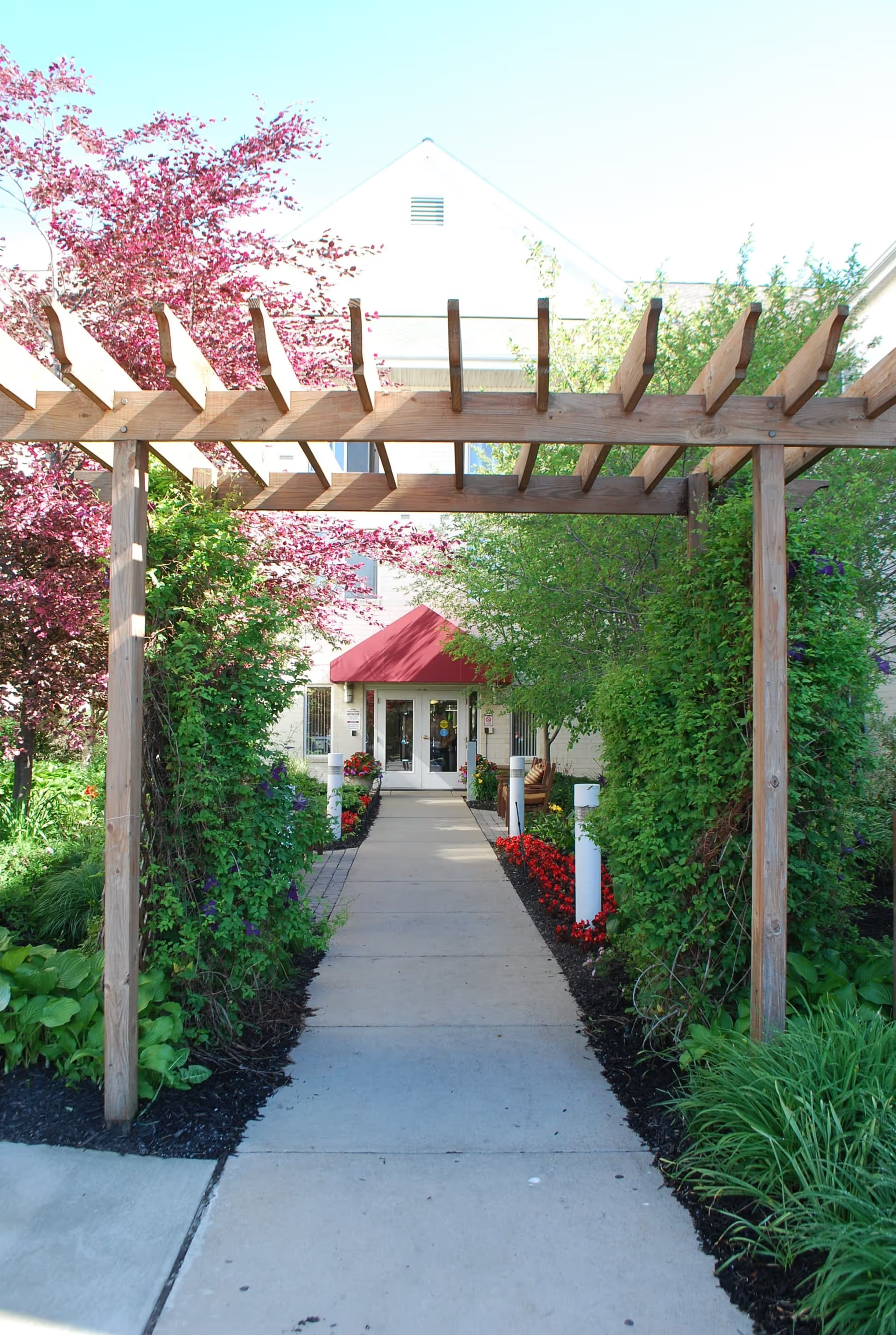
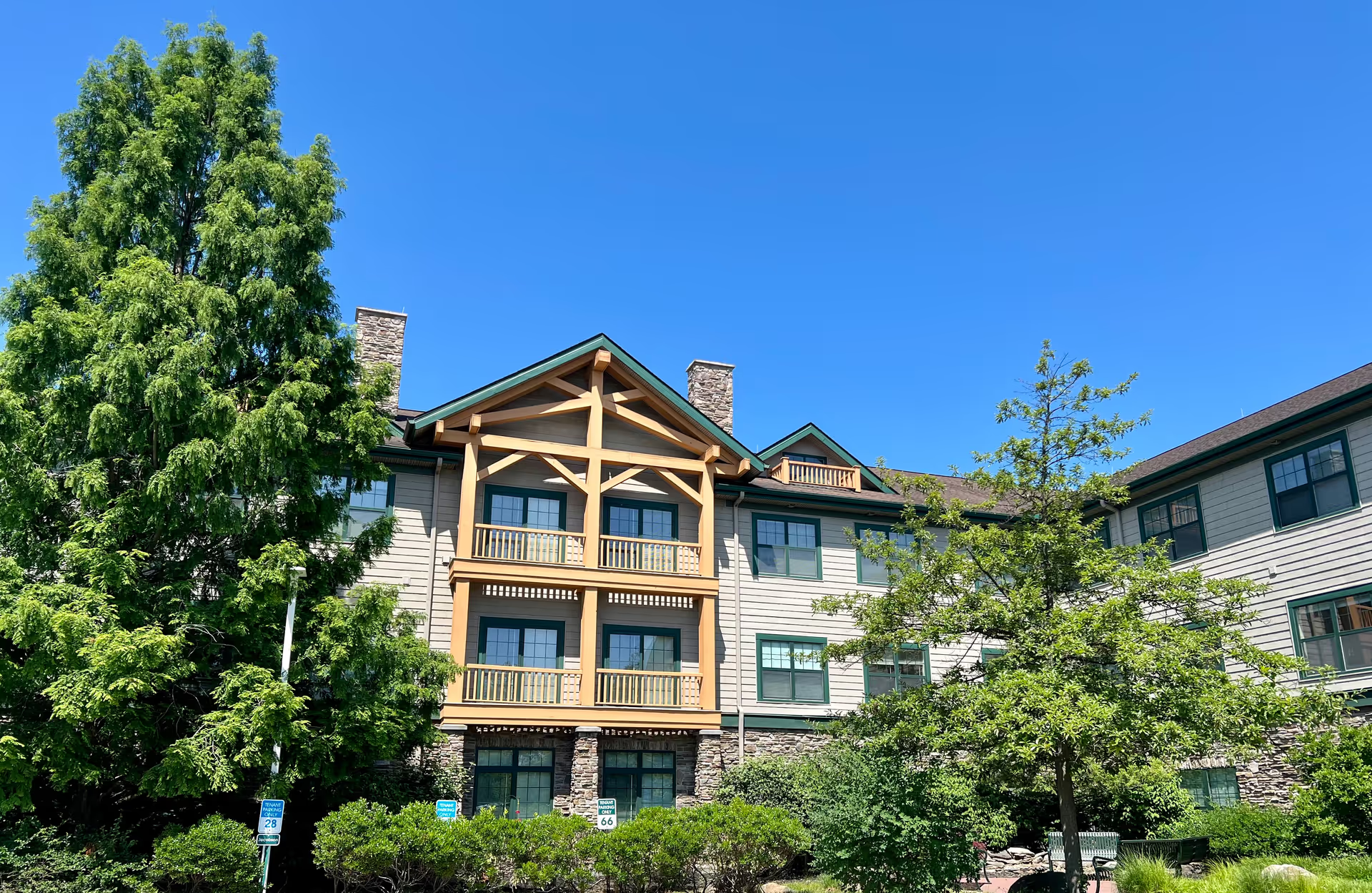
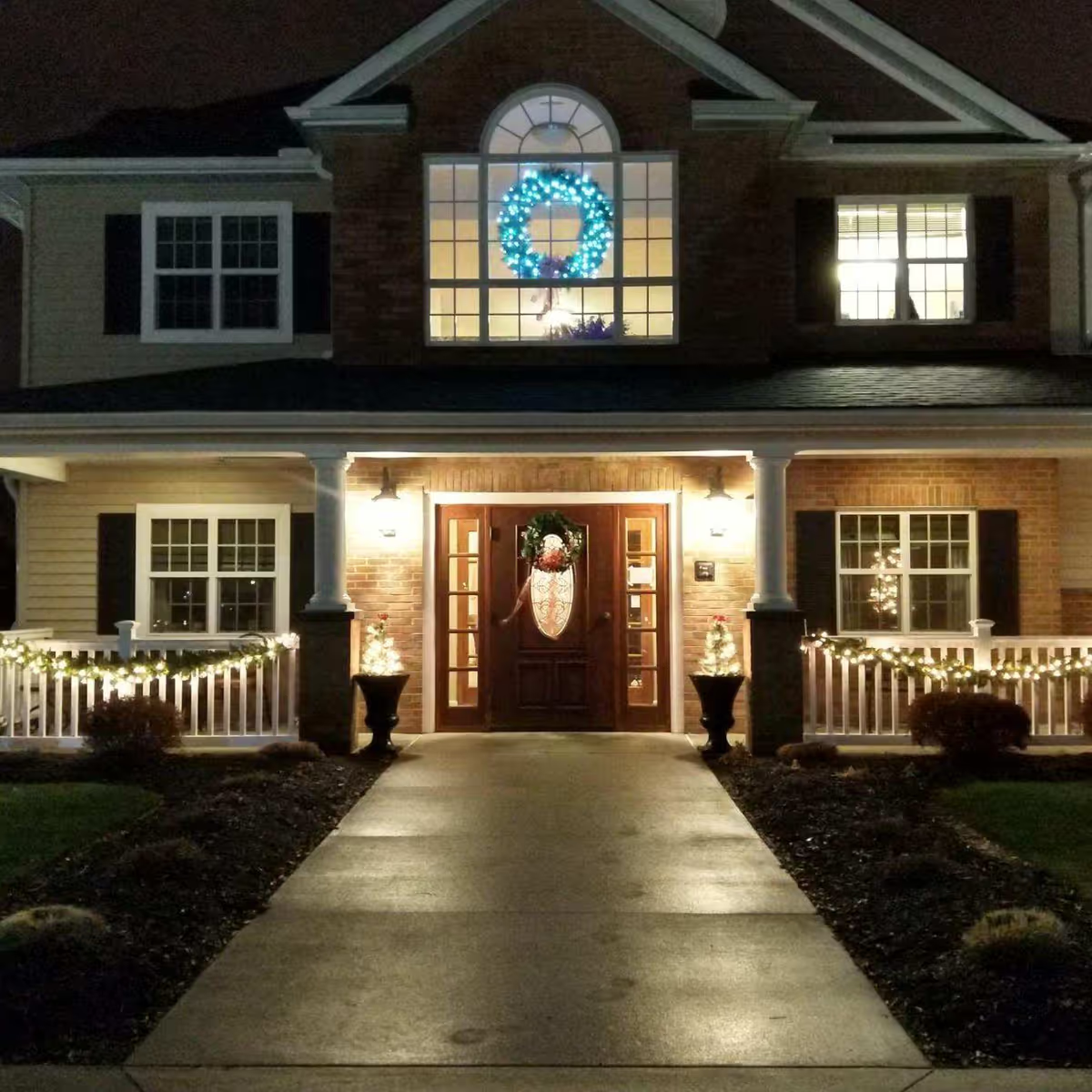
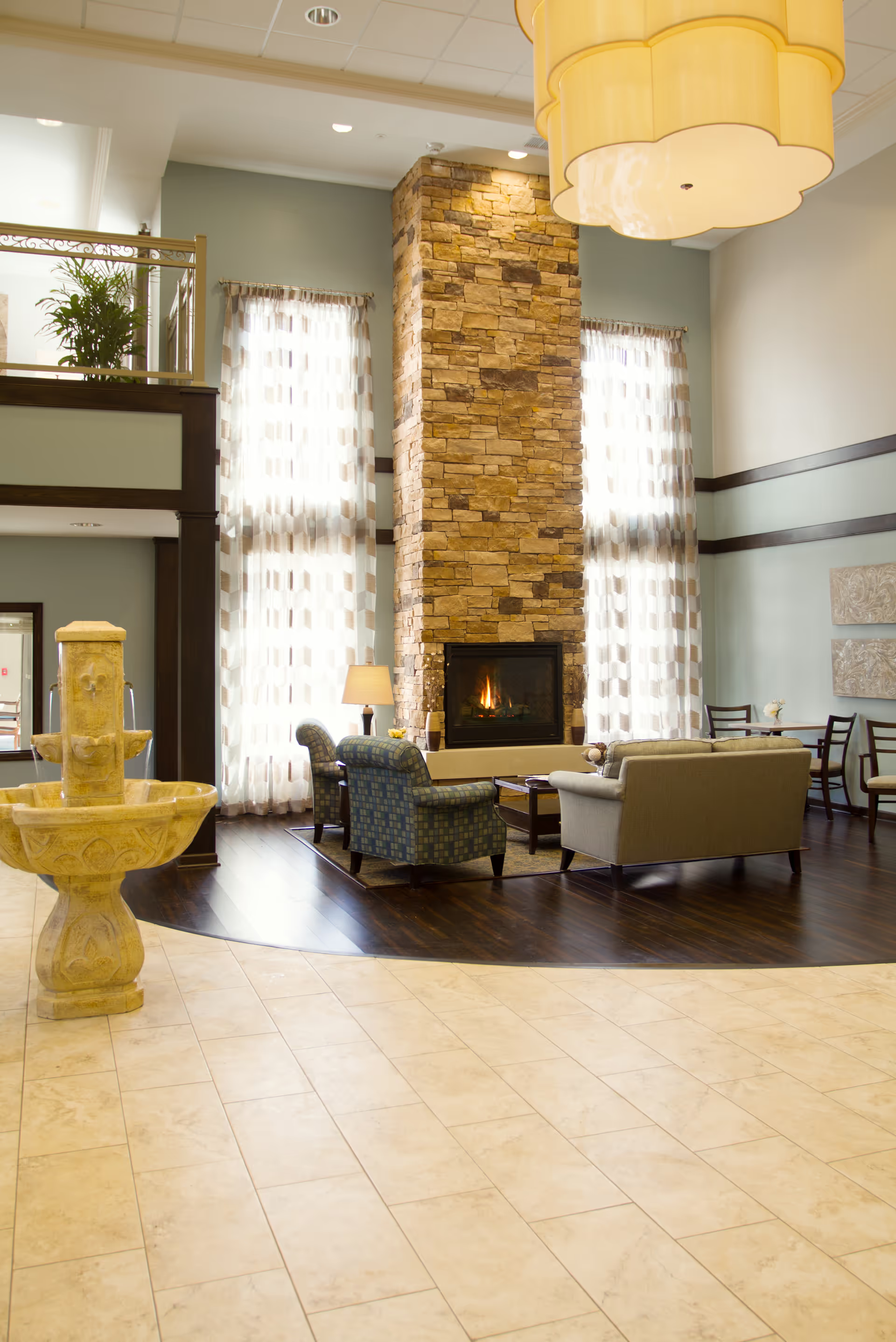
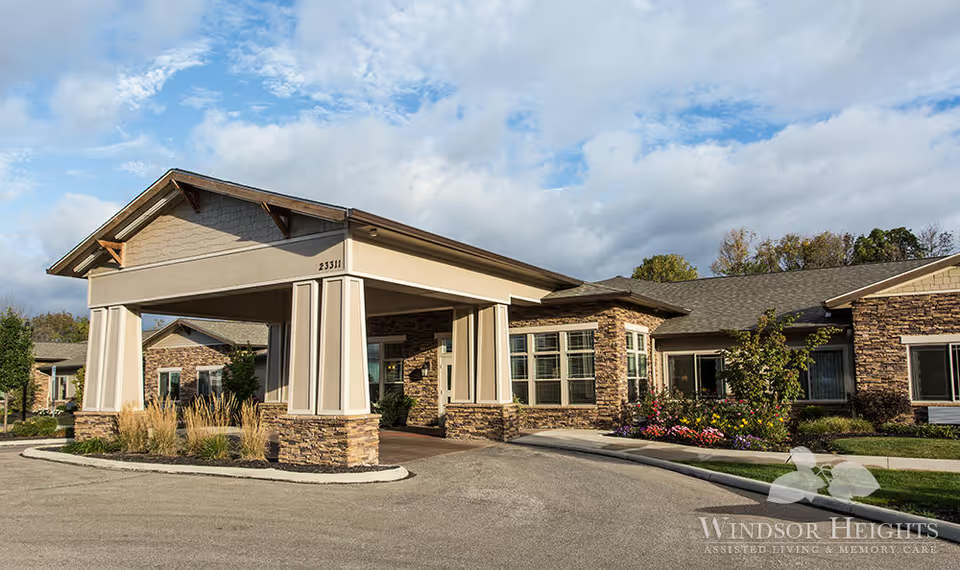
The physical plant is described as generally clean and homey, but reviewers also reference dated building areas and accessibility limitations for some wheelchair users. These observations point to an overall facility that can be attractive and comfortable, while still having pockets that would benefit from capital or accessibility improvements.
Bottom line: Heritage of Lyndhurst appears to offer many of the hallmarks families seek — engaged activities, caring nursing staff, roomy apartments, and a supportive management team — but it also shows operational variability in housekeeping, incontinence care, meal-service continuity, staffing responsiveness, and care-placement practices. Prospective residents and families should arrange an in-person visit, request recent housekeeping and staffing protocols, inquire about current dining management, review accessibility provisions, and ask how care-level changes and family communications are handled to confirm the facility’s fit for their specific needs.