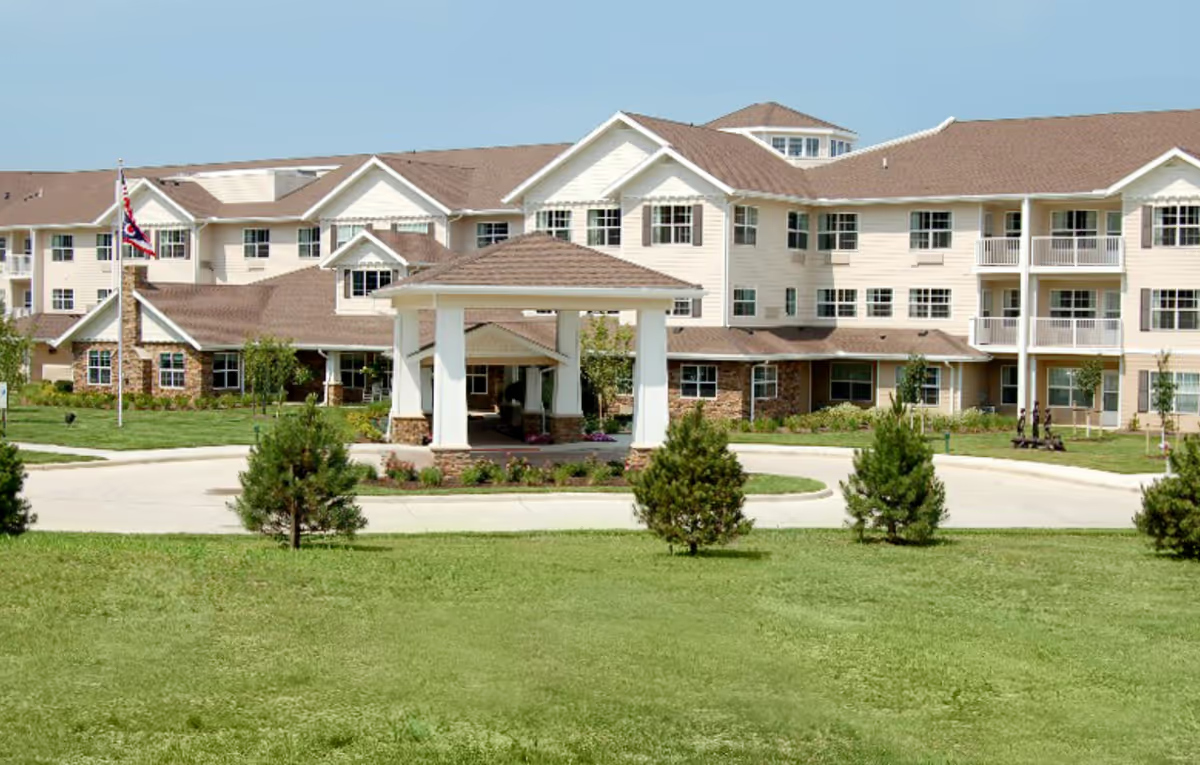
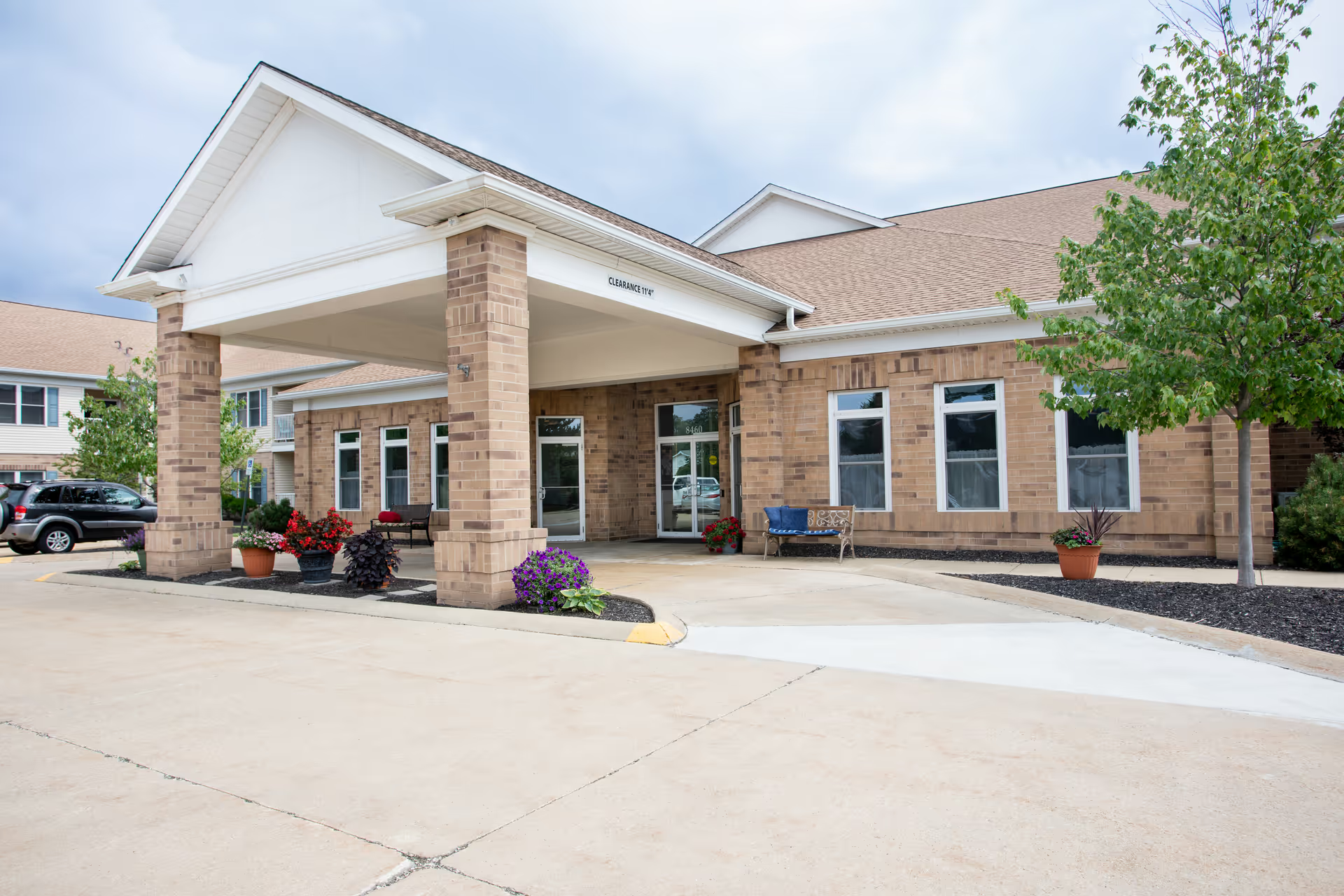
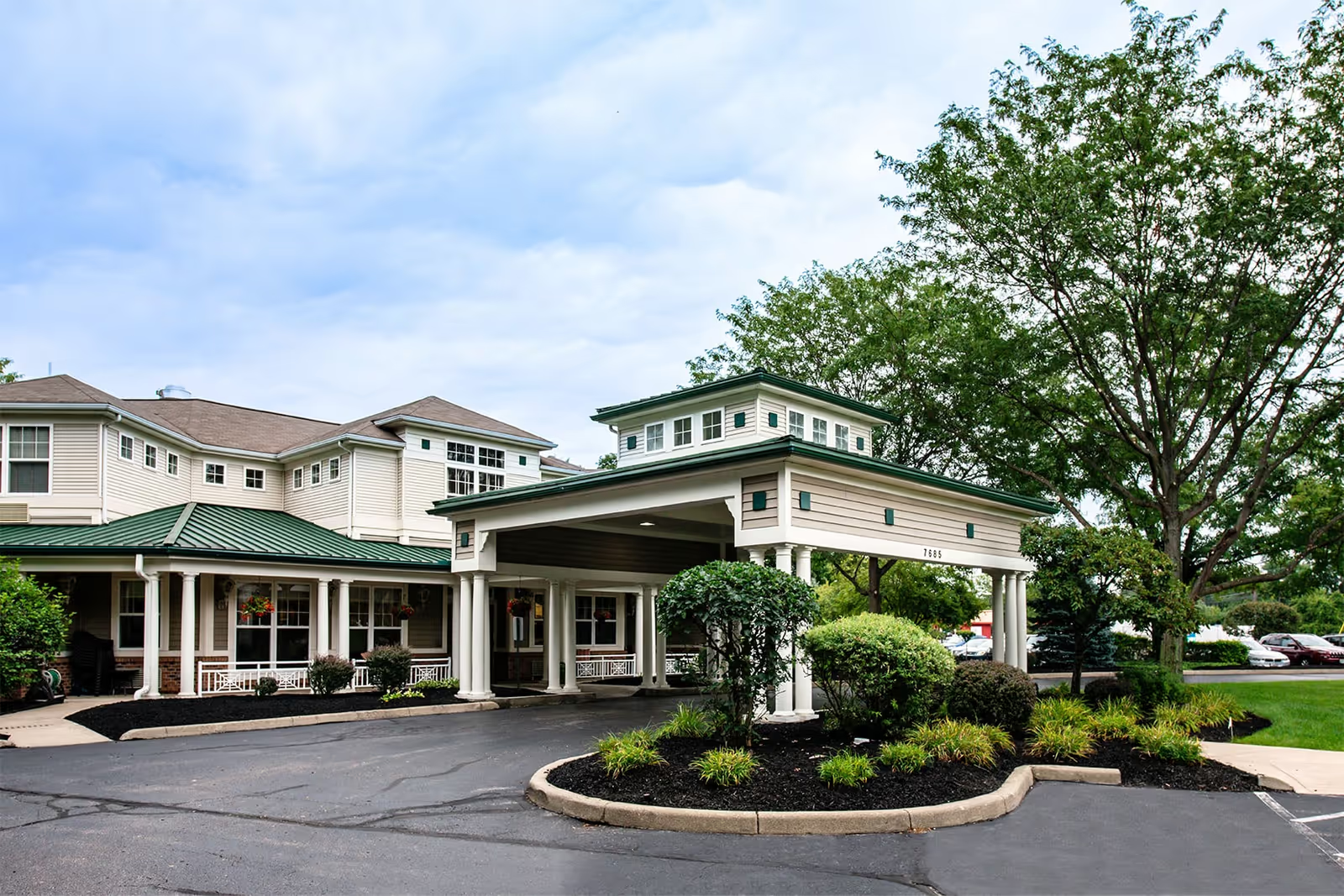
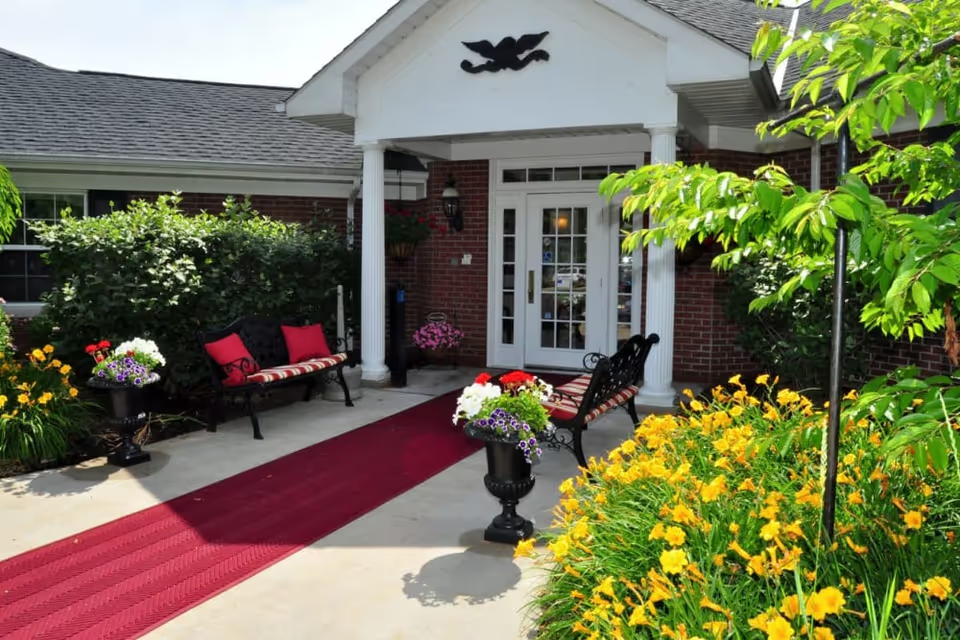
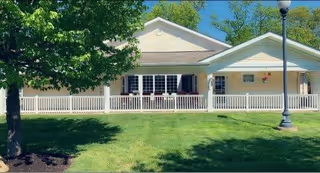
Symphony at Mentor is described by many families as a memory-care–focused community with clear strengths in dementia-specific programming, an engaged activities team, and a home-like atmosphere. Numerous accounts emphasize compassionate, patient caregivers and nurses who understand Alzheimer’s and related disorders, supported by a secure memory-care neighborhood and therapeutic offerings such as aromatherapy, spiritual services, offsite nature visits, and structured daily engagement. The facility’s physical environment is frequently characterized as recently renovated, clean, and well maintained, with comfortable room layouts and accessible outdoor spaces.
Dining and allied services receive mixed but often positive feedback. Several reviews praise a committed culinary staff and dietitian involvement that produce home-style meals and varied menus; others describe day-to-day variability in meal quality and a desire for more frequent menu updates. Therapy and rehabilitation services, plus active social programming (music, crafts, exercise), are noted as meaningful contributors to resident quality of life. Reception and front-desk personnel are commonly described as helpful and proactive in day-to-day logistics and family contact.
Despite these strengths, a consistent pattern of operational weaknesses emerges. Staffing stability is a recurrent concern: reviewers describe high turnover, periodic reliance on agency staff, and variability in individual caregiver performance. These staffing fluctuations appear linked to inconsistent responsiveness, supervision gaps, and uneven adherence to clinical and housekeeping protocols. Housekeeping and sanitation have been described as inconsistent in some areas, and families have raised concerns about laundry handling and loss of personal items. There are also recurring notes about security and access: slow door-entry procedures and physical move-in challenges that can affect accessibility.
Clinical-process concerns appear in multiple areas. Several accounts indicate irregularities in medication handling and documentation practices and inconsistent follow-through on advertised care procedures. Families also note variability in management communication—both in routine updates and around price changes or contract terms—with some describing opaque fee practices and surprise charges. A small number of serious allegations, including theft and documentation irregularities, are part of the commentary; those items warrant verification through regulatory records and direct discussion with leadership.
Overall, Symphony at Mentor presents a mixed but coherent profile: strong dementia expertise, an active and caring activities and dining culture, and a well-appointed physical environment are balanced against operational inconsistencies tied to staffing, housekeeping, medication processes, and managerial transparency. Prospective families should prioritize an in-person tour, ask for current staffing ratios and agency-staff policies, review medication and incident-reporting procedures, request housekeeping and laundry protocols in writing, clarify all fees and contract terms, and consult state inspection and complaint histories before making a placement decision.