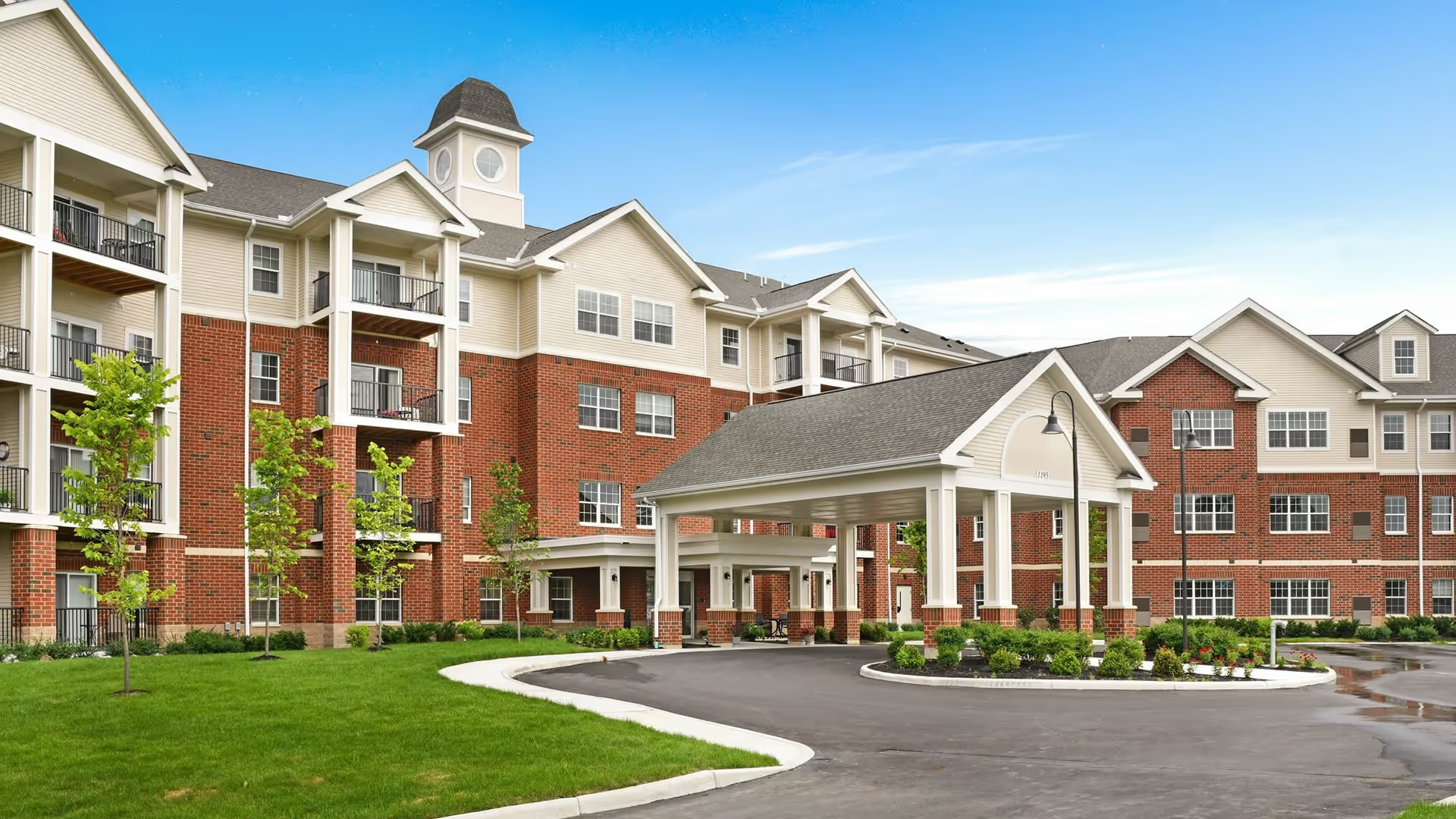
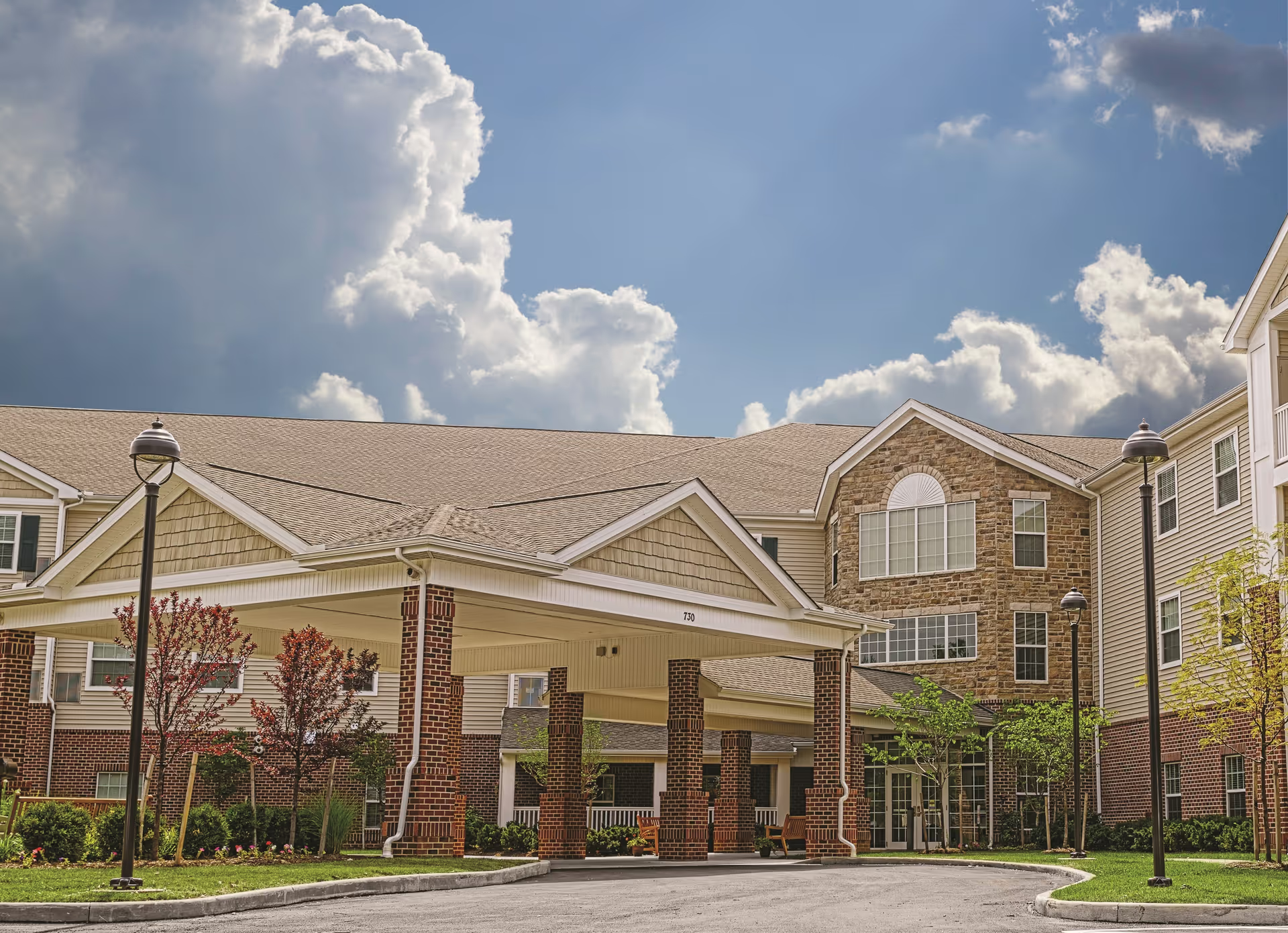
The Avalon of New Albany elicits strongly polarized responses. A large number of families describe a warm, engaged community with attentive staff, robust amenities, and high-quality dining. Positive accounts commonly cite named employees, smooth transitions into the community, active programming, and well-maintained grounds; those experiences emphasize reliable clinical presence (including 24/7 nursing and on-site therapy), personalized communications, and an array of social and leisure options that support resident engagement.
Care quality and staff conduct present a mixed picture. Many families praise compassionate caregivers, proactive nursing staff, and a memory-care team that uses music and technology for stimulation. Conversely, other accounts raise operational concerns about responsiveness, training consistency, and delays in personal care tasks. Specific operational themes include falls risk management, airway/oxygen equipment checks, and variability in aides' clinical skills. There are also isolated but serious allegations, including concerns following a resident's death; these are serious enough that prospective families should request documentation of staffing credentials, incident reporting procedures, and clinical oversight practices.
Dining and nutrition are generally regarded as strengths: an executive chef, restaurant-style options, and varied menus receive frequent praise. At the same time, some families note inconsistencies in meal assistance (meals delivered without help when needed) and occasional limited meal variety or nutritional balance for special dietary needs. Housekeeping and laundry are similarly mixed: many reviews describe a clean, well-maintained environment, while others describe lapses in cleaning and laundry workflows that suggest inconsistent execution rather than a uniform systemic failure.
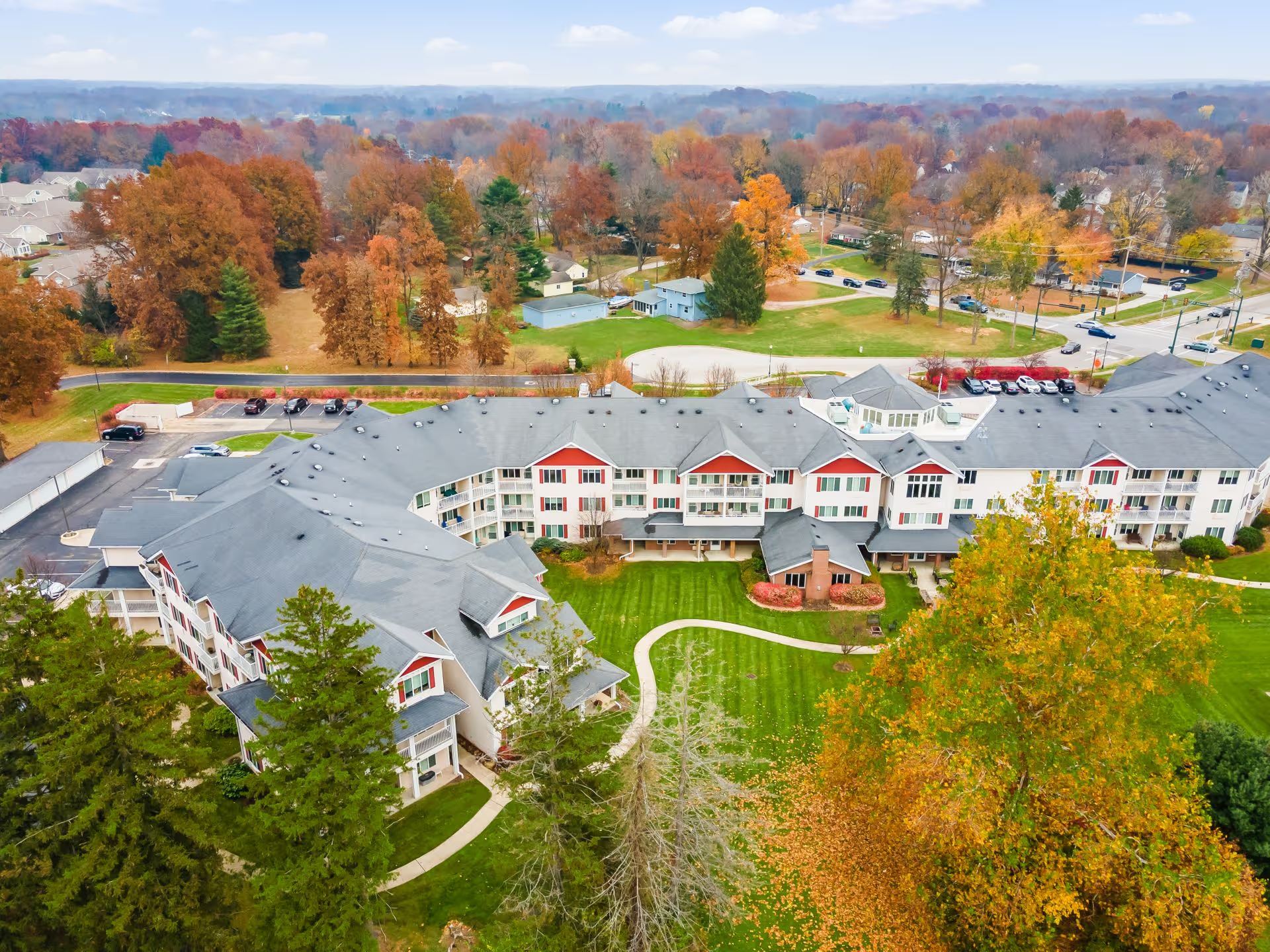
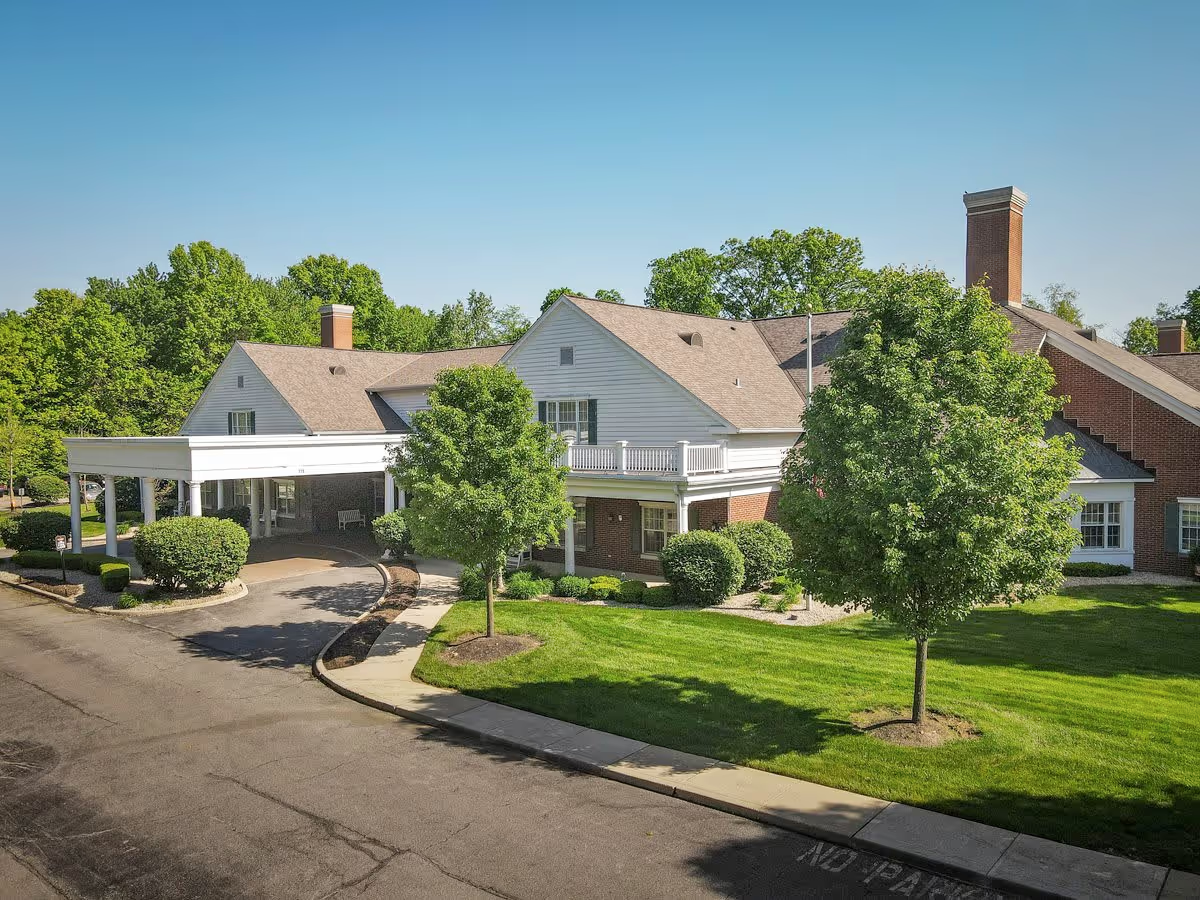
Activities and facilities are frequently cited as notable positives. The community offers a wide set of amenities — movie theater, salon, chapel, fitness rooms, courtyards, greenhouse, and communal dining spaces — and an active events calendar (holiday gatherings, happy hours, concerts, and workshops) that supports social engagement and quality of life.
Management and administration show divergent impressions. Several families commend hands-on leadership, effective transition support, and staff members who go above and beyond. Other accounts describe delayed follow-up after incidents, restricted access after complaints, billing issues, and communication lapses — particularly after critical events or on weekends. Equipment- and facilities-maintenance concerns (for example, laundry and medical-device upkeep) also recur and point toward gaps in maintenance oversight.
Notable patterns: positive experiences tend to cluster around strong, consistent staff relationships, proactive communication, and rapid transition assistance; negative experiences concentrate on staffing variability, inconsistently executed personal-care tasks, housekeeping and laundry process breakdowns, and weaknesses in incident response and follow-up. Prospective residents and family members should specifically inquire about staffing ratios and turnover, aide training and credentials, emergency and incident-reporting protocols, equipment maintenance plans (oxygen and laundry equipment), meal-assistance procedures for residents with impairments, memory-care staffing consistency, weekend service levels, and the facility's billing and grievance resolution processes. These targeted questions can help reconcile the divergent accounts and clarify whether the community's strengths align with an individual resident's needs.