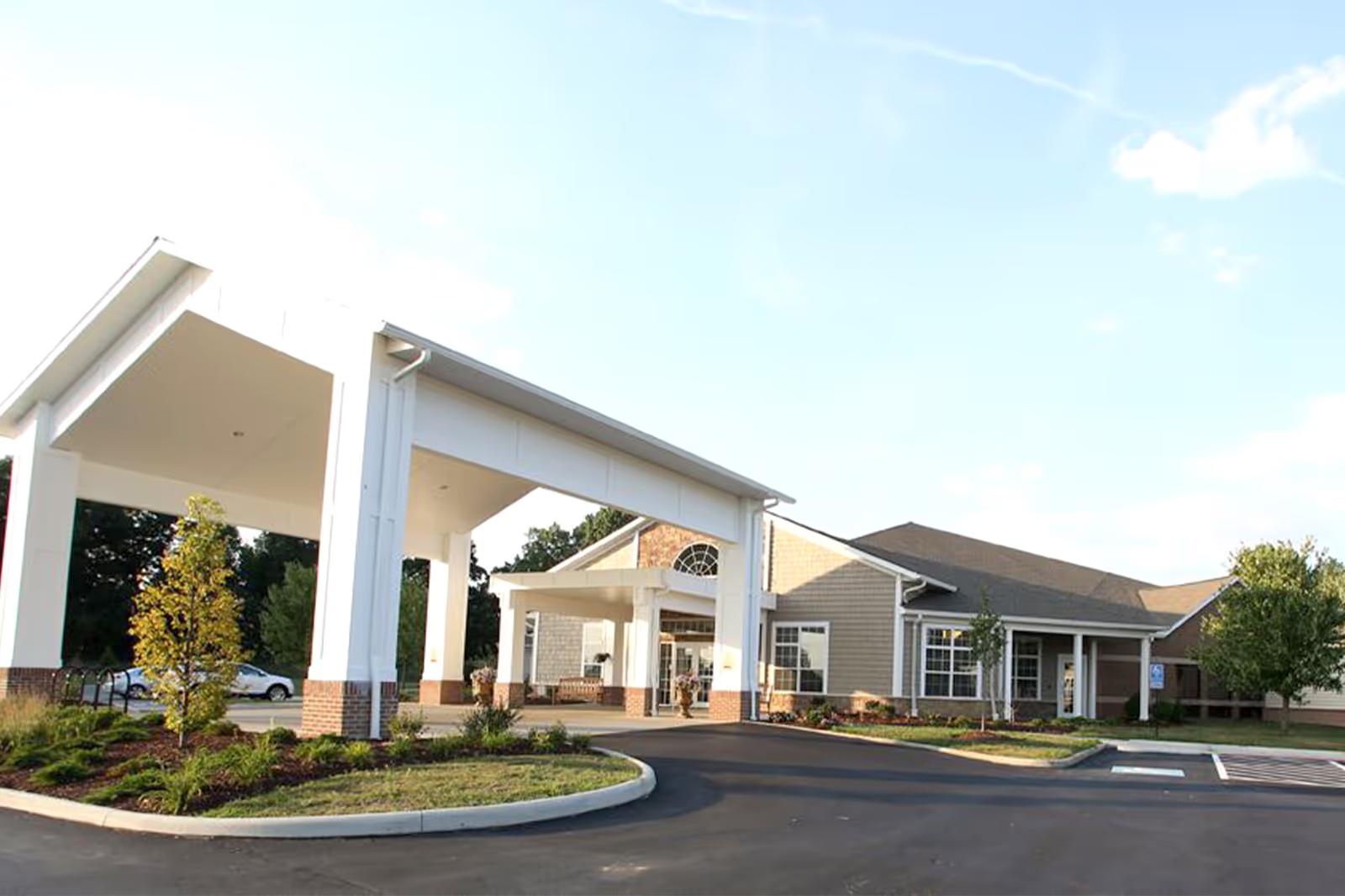
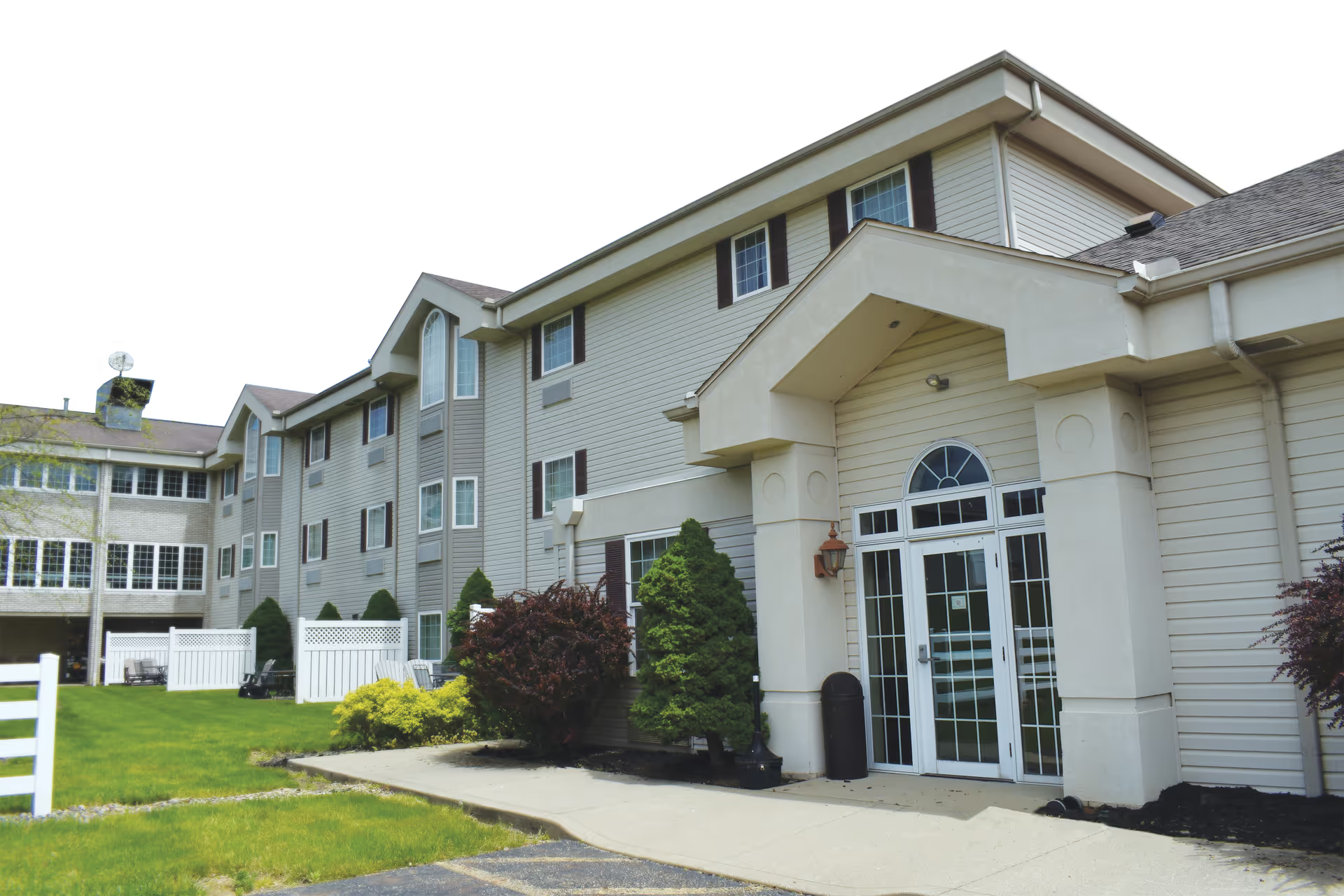
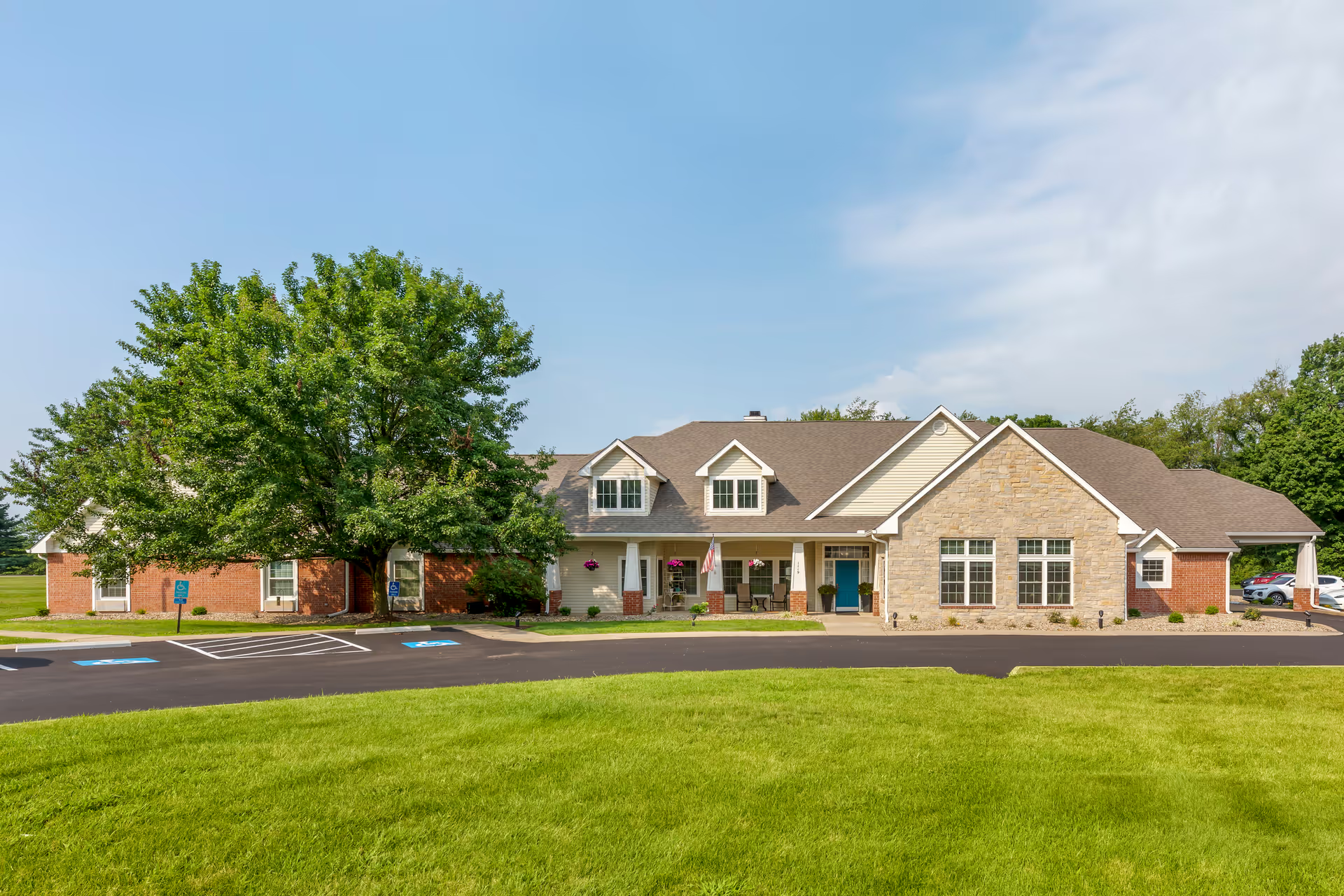
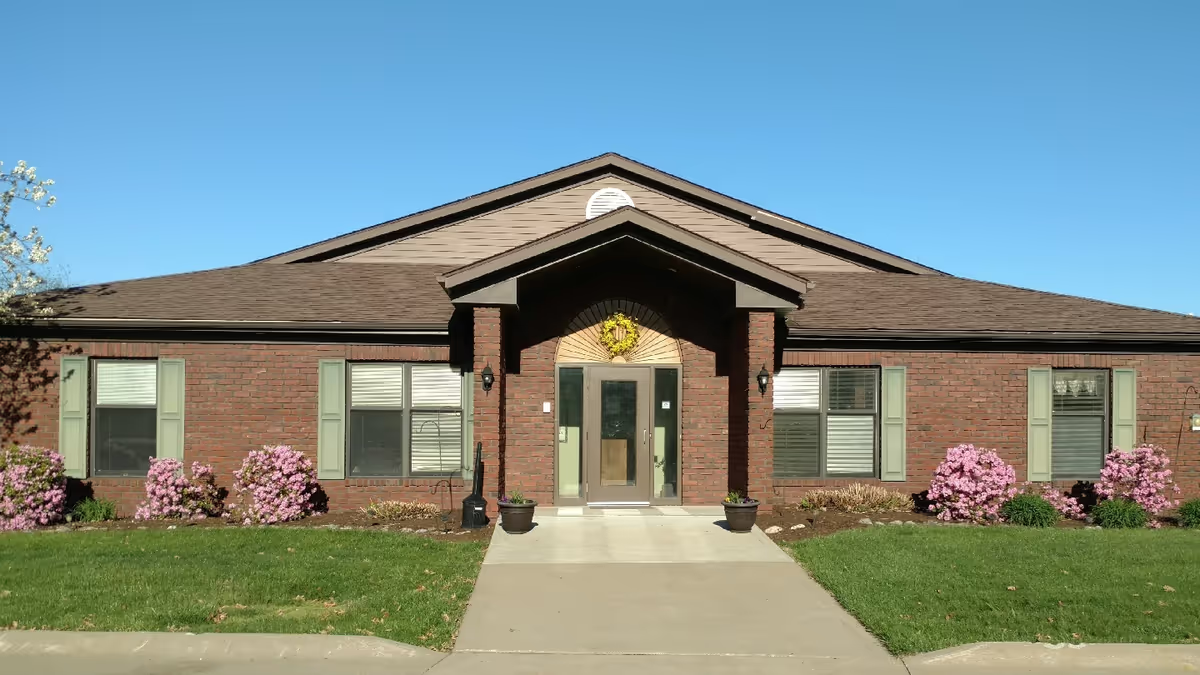
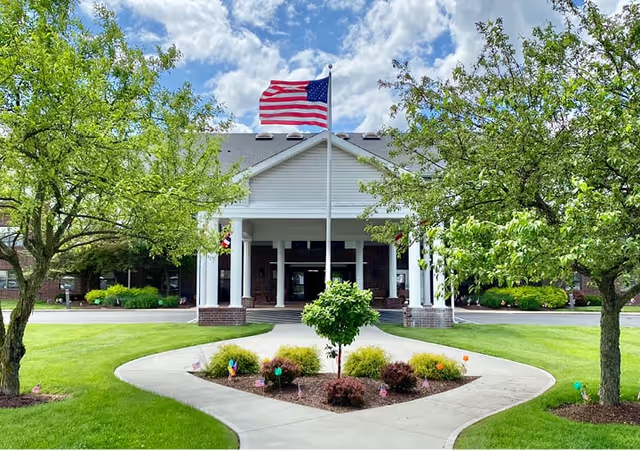
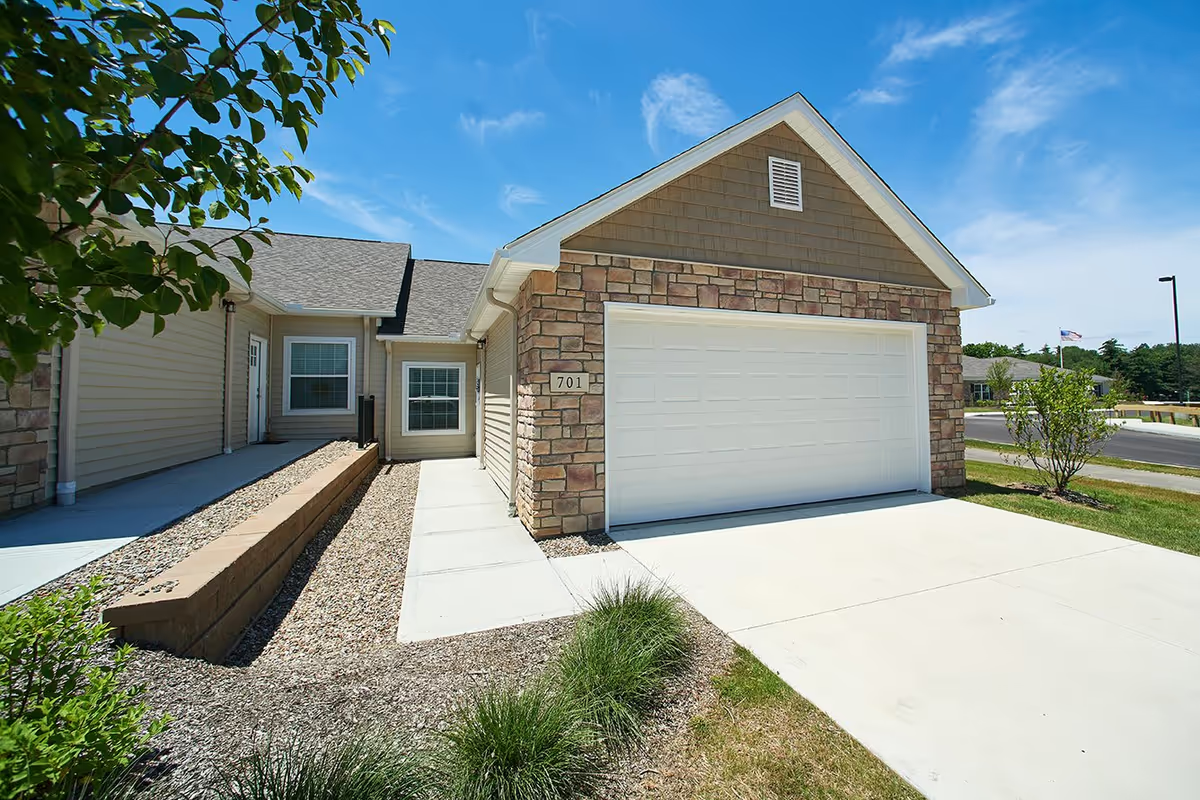
The reviews describe a facility with clear strengths alongside notable operational weaknesses. Strengths center on the direct caregiving and therapy teams: many families and residents praised compassionate, attentive nurses and aides, a dedicated therapy and rehab program with a well-equipped gym, and an interdisciplinary approach that felt family-focused. Reviewers also highlighted a generally homelike atmosphere, engaging activities, varied dining choices, and visible nursing leadership. COVID-era practices were described as respectful and communicative in many accounts, and the facility's social programming and staff warmth contributed to a positive daily environment for numerous residents.
Clinical concerns are mixed. Positive accounts emphasize individualized attention and excellent therapy outcomes, while other reports point to gaps in clinical oversight for higher-acuity needs — for example, management of enteral feeding, infection monitoring, and the communication of diagnostic plans. Medication-administration consistency emerged as a recurrent operational issue: delays in med delivery and missed follow-ups were cited. Limited on-site physician time and brief provider visits were also mentioned, which may compound challenges for residents with complex or changing medical needs.
Operationally, reviewers described variability in staffing levels and responsiveness. Some families experienced staff who were prompt and communicative, while others described delays in routine care and instances where promised follow-up did not occur. Housekeeping and maintenance were another mixed area: many praised a generally clean, odor-free environment, but there were also accounts indicating lapses in cleaning thoroughness and delays in repairing equipment (for example, resident beds and safety rails). These maintenance and cleanliness inconsistencies were raised as factors that may increase infection risk or affect resident comfort.
Administrative and safety patterns emerged as additional areas to review. Several comments referenced billing discrepancies and confusion, as well as difficulties reaching staff by phone. There were also concerns about the security of personal belongings and variability in staff demeanor, including isolated reports of unhelpful interactions. Fall-prevention and transfer-safety practices were identified as an operational weakness in some narratives, linked to injuries or hospital transfers in certain cases.
For prospective residents and families: the facility offers strong therapy services, a warm community feel, and many examples of compassionate care, but it also demonstrates variability in clinical consistency, staffing responsiveness, housekeeping/maintenance, and administrative processes. When evaluating Amberwood Manor, consider asking specific questions about staffing ratios and peak shift coverage, medication administration protocols and audit results, physician coverage and frequency of rounds, infection-prevention practices, maintenance turnaround times, billing procedures, and procedures for securing personal items. A focused tour that addresses these operational areas, plus review of recent inspection or quality reports, can help determine whether the facility’s strengths align with a resident’s clinical and safety needs.