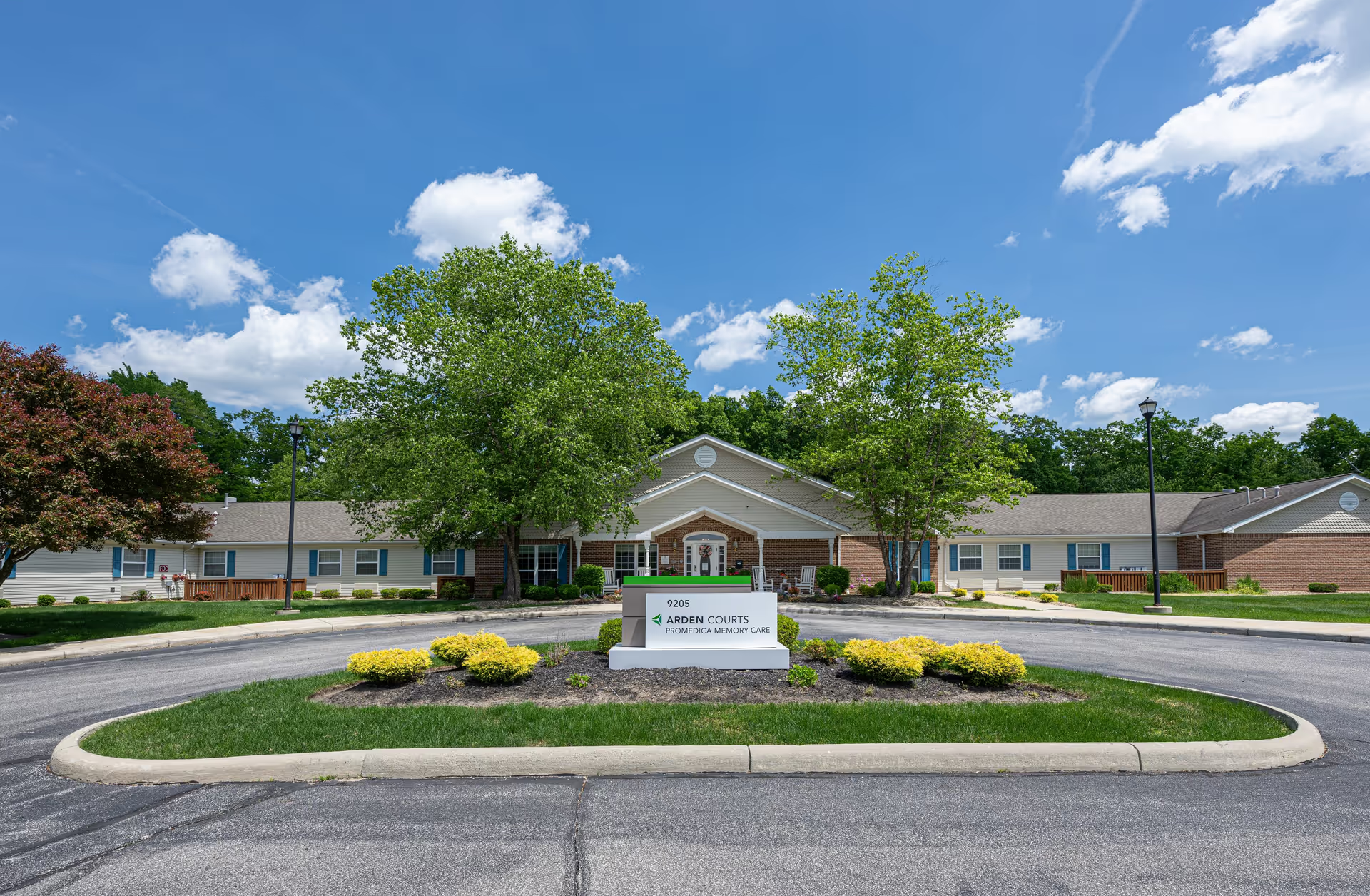
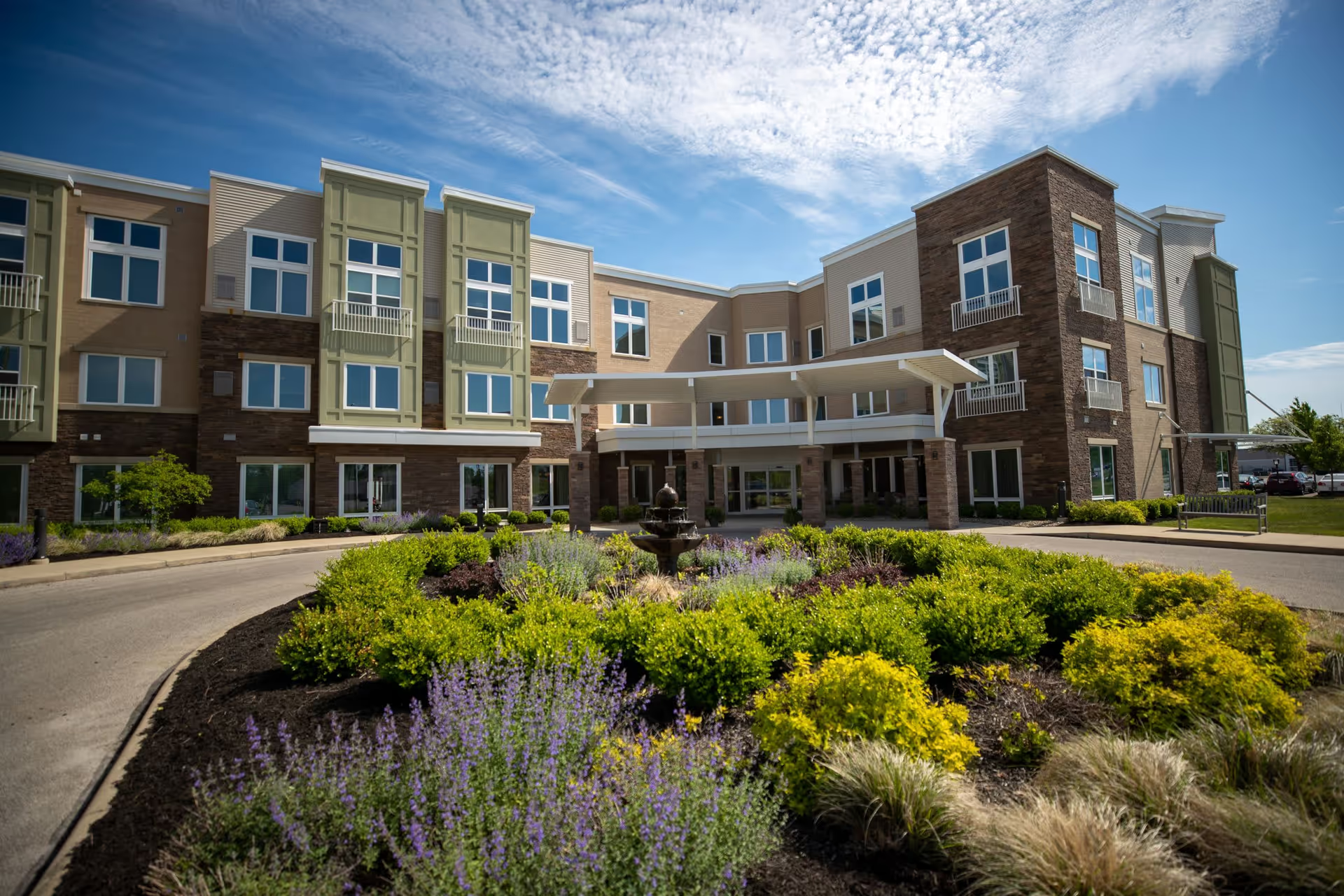
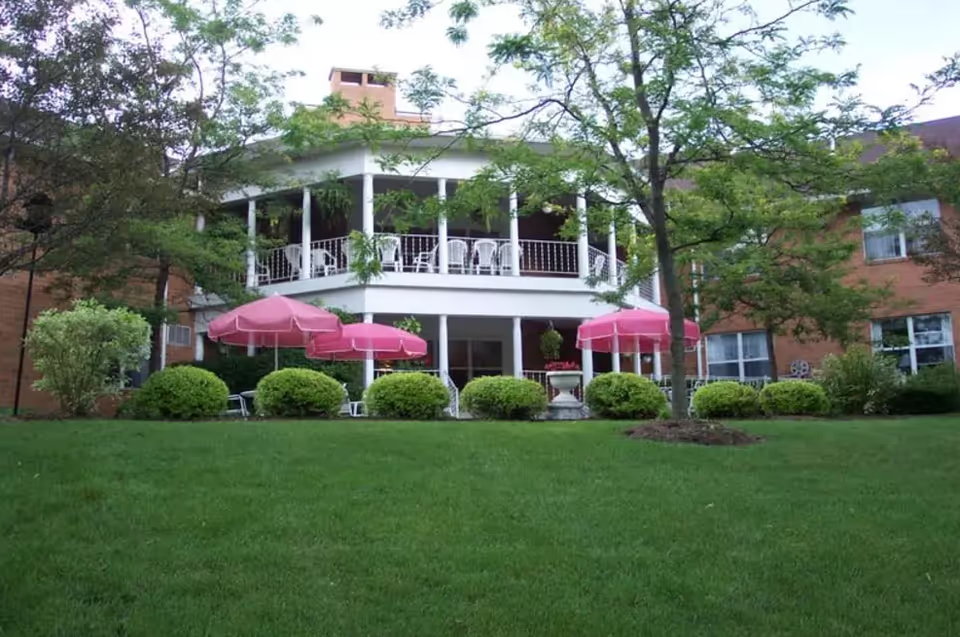
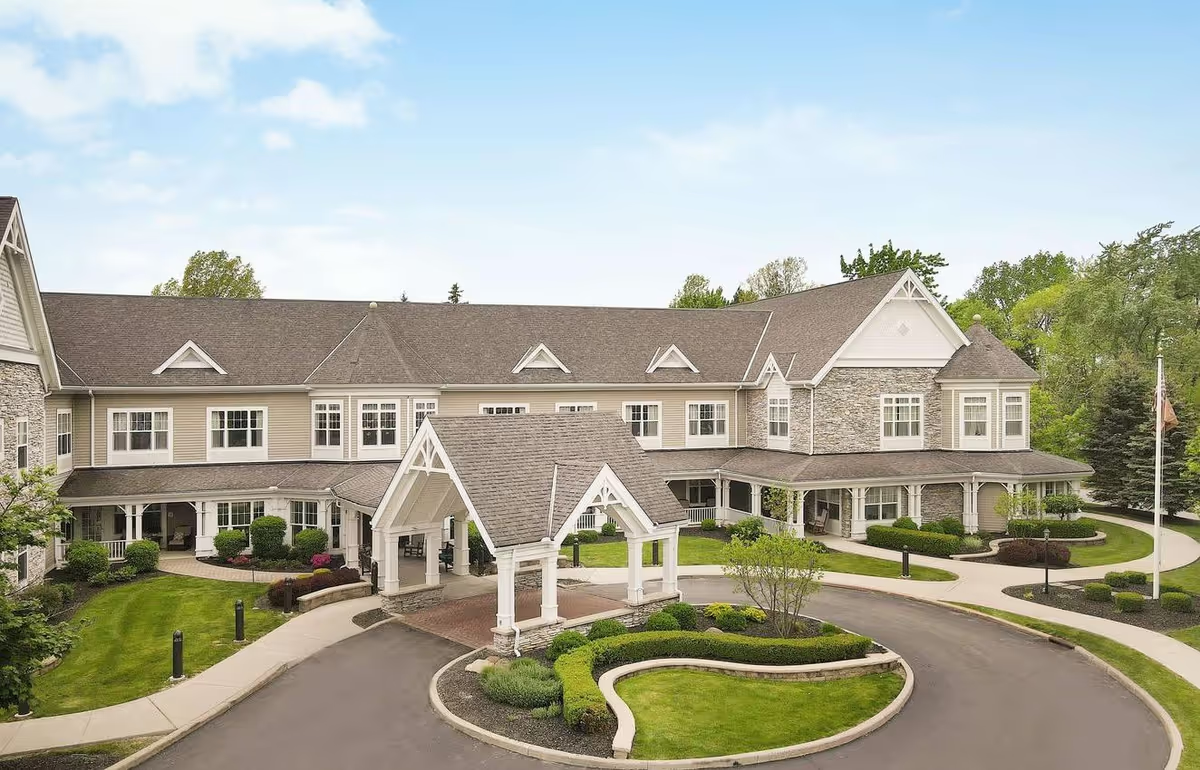
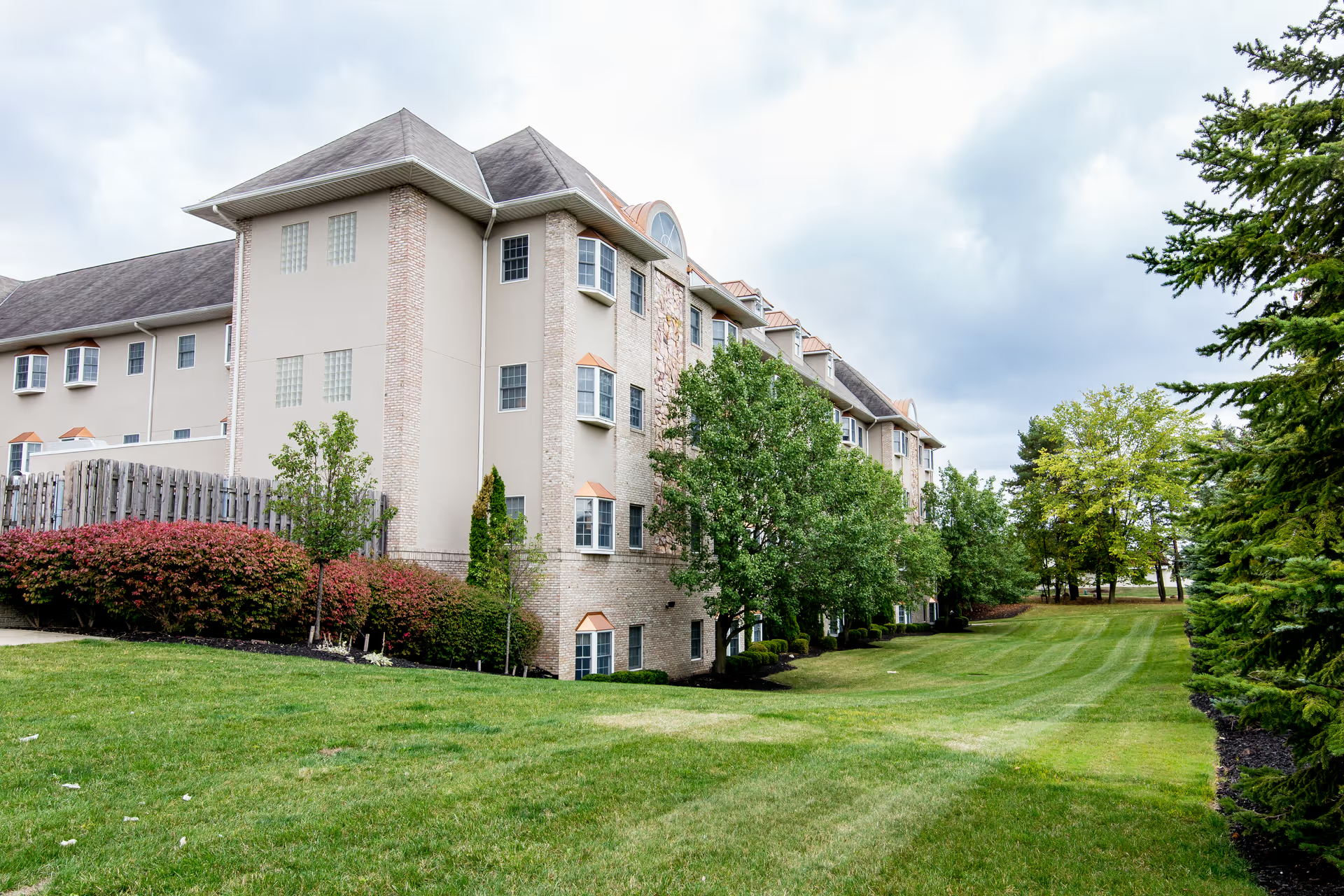
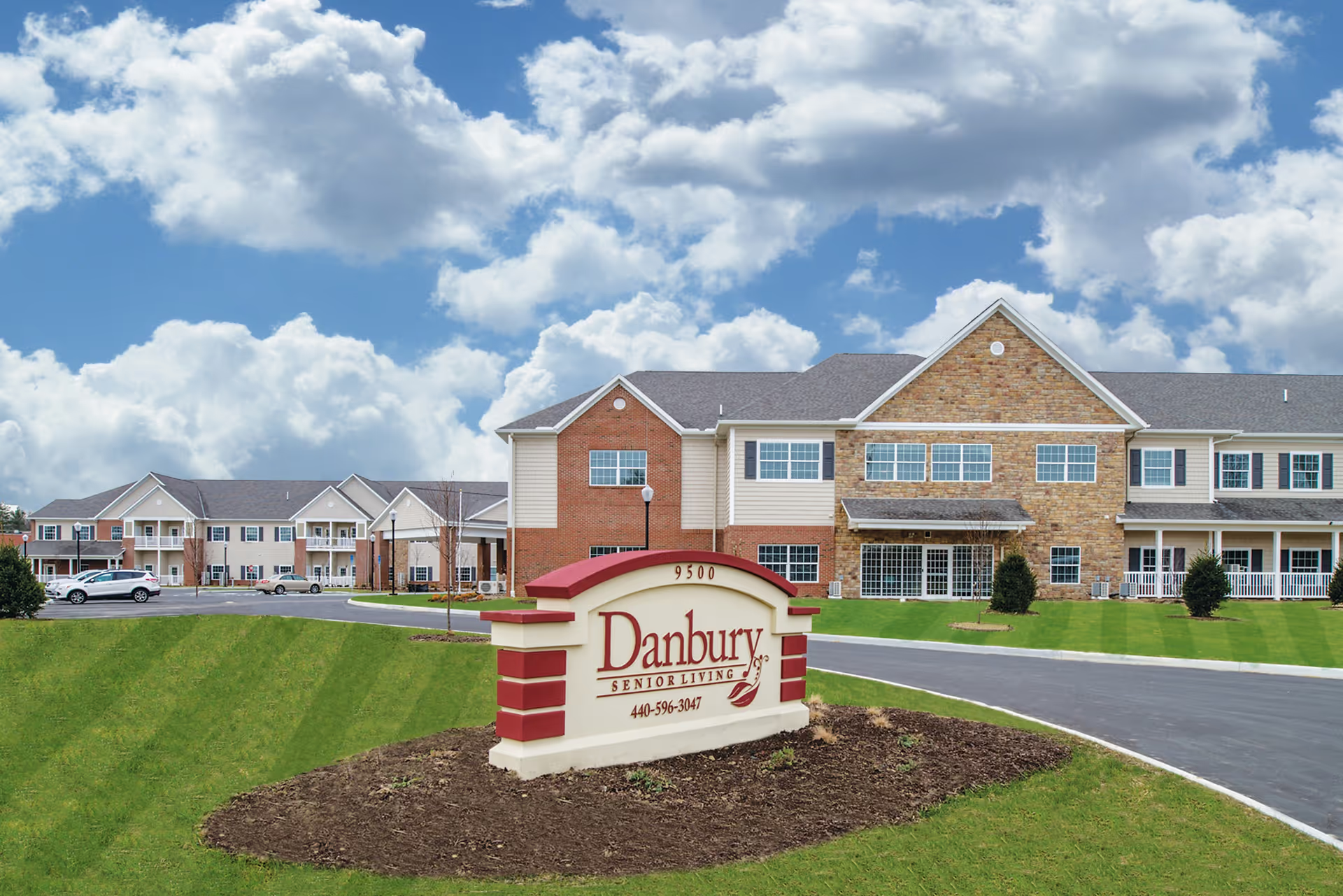
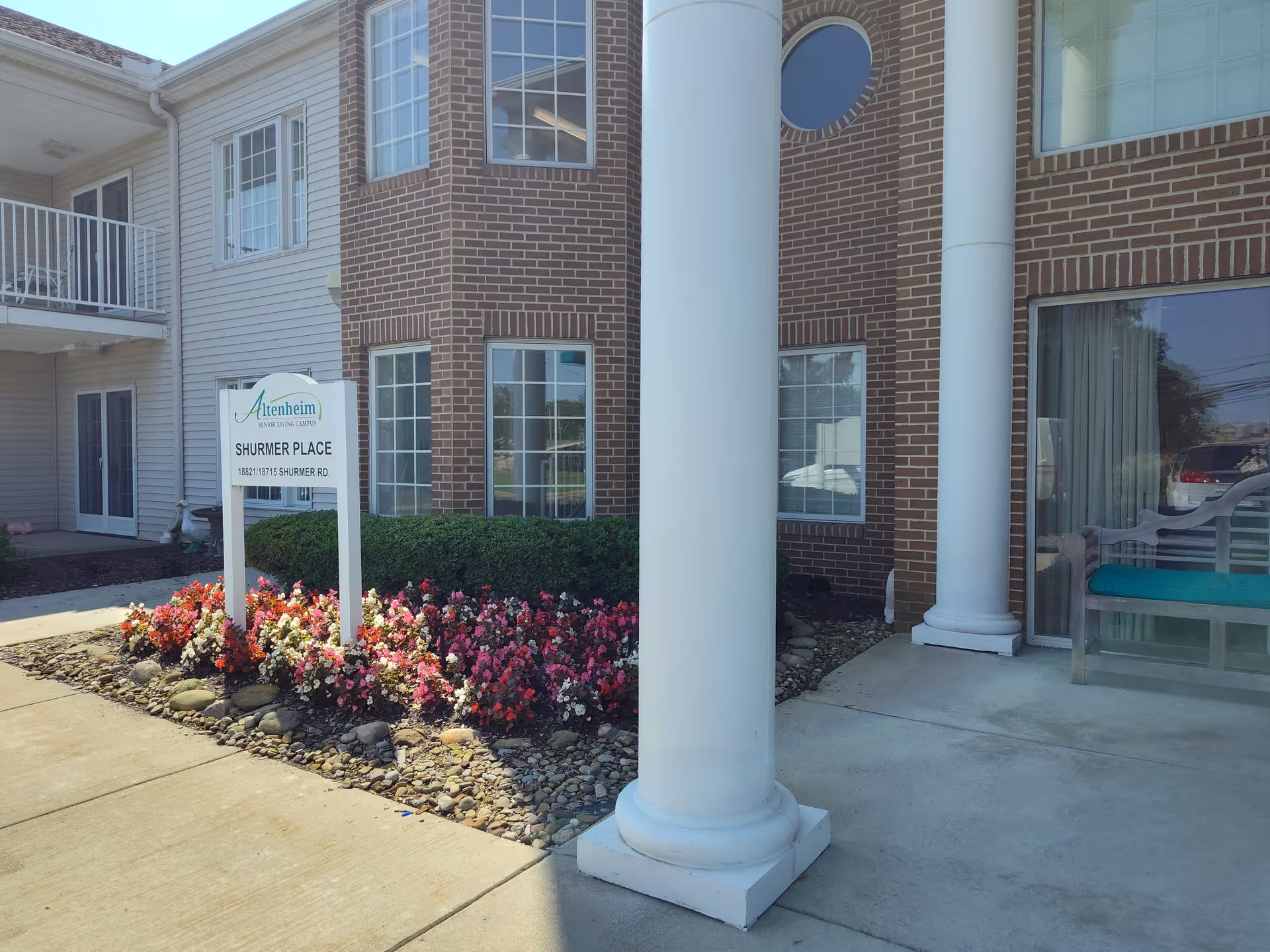
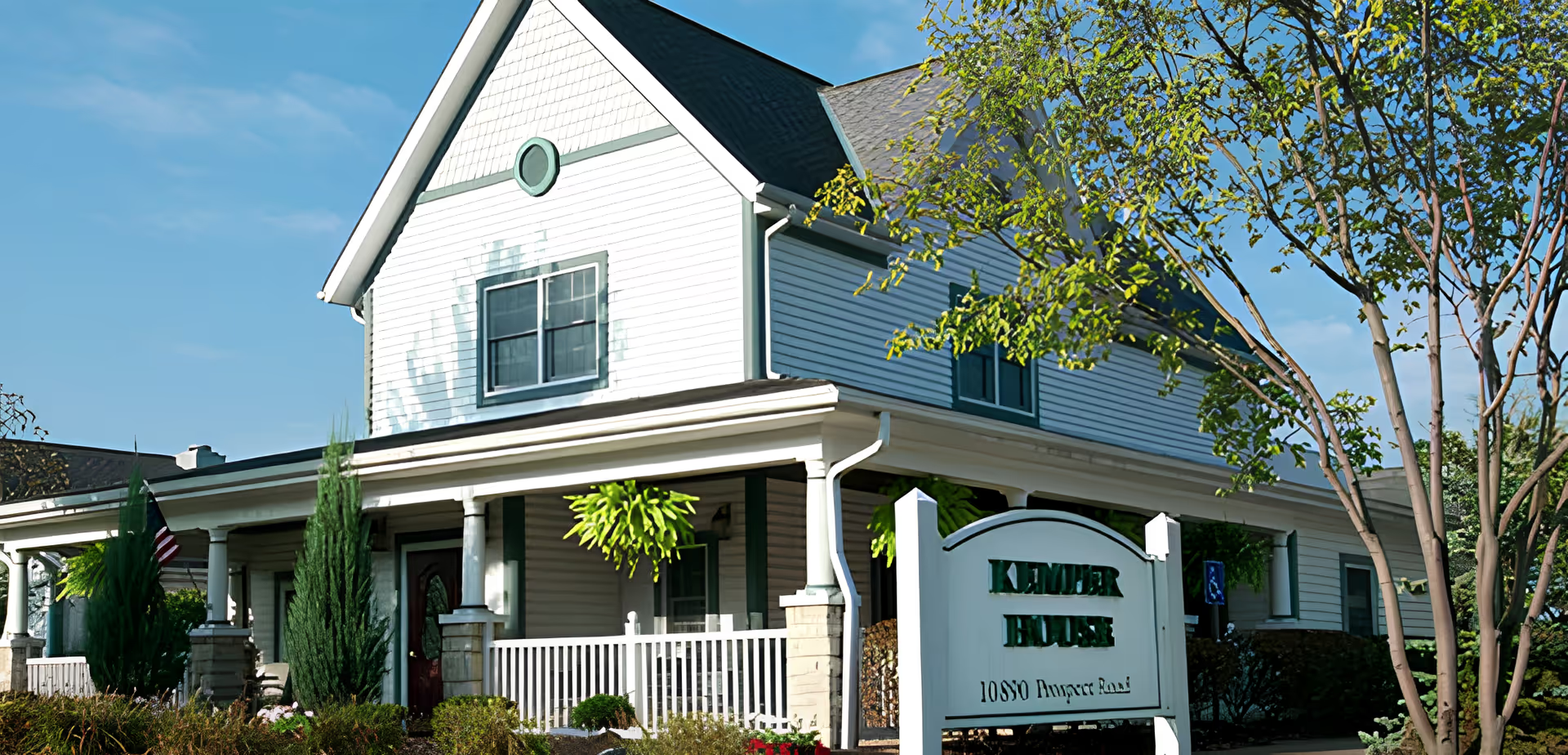
Vitalia Active Adult Community North Royalton presents as a recently built, resort-like community that many families describe as attractive, modern, and well staffed at the front line. The site offers a broad activities program (exercise classes, outside speakers, outings, and regular resident meetings), flexible dining options with a chef-driven menu and snack areas, and amenities such as an exercise pool that support an active lifestyle. Multiple accounts highlight courteous hospitality staff and a social environment in which many residents feel comfortable and engaged.
Care quality and direct-staff interactions show contrasting patterns. Numerous experiences emphasize professional, compassionate front-desk and caregiving staff who make residents comfortable; concurrently, there are recurring accounts of inconsistent clinical oversight, delayed nursing responsiveness, and turnover among caregiving or culinary personnel. Memory-care programming in particular has been described as uneven, with concerns around staffing levels and care-plan consistency. Prospective families with higher clinical needs will likely want to verify staffing ratios, clinical oversight procedures, and how care plans are reviewed and updated.
Dining is a frequently noted strength: reviewers cite good meals, a large menu selection, and flexible meal times. That said, there are also patterns of variability in meal quality over time and frequent cook turnover, as well as isolated dining-access issues. Prospective residents may benefit from a meal tasting and questions about culinary staffing stability and contingency plans for kitchen staffing changes.
Facility condition and maintenance are mixed. The community’s finishes and public spaces are consistently described as new and attractive, but there are operational concerns tied to construction and building maintenance: water intrusion, garage flooding, improper grading or gutters, unfixed seals or screens, and delays getting those items repaired. These point to both building-envelope vulnerabilities and slower-than-expected maintenance follow-through. Several accounts indicate perceived corporate underinvestment in addressing recurring infrastructure problems; verifying warranty coverage and the pathway for escalated repair requests is advisable.
Administrative and contractual issues appear as a recurrent theme. Families have expressed frustration with accessibility of administration and directors, delays in addressing resident or family questions, billing and contract clarity concerns, and perceptions of high monthly costs without commensurate responsiveness. Those evaluating the community should request copies of standard contracts, sample invoices, and documented escalation processes for maintenance and clinical complaints.
Overall impression: the community offers strong social programming, appealing facilities, and many staff members who are described as kind and attentive. However, operational weaknesses—especially inconsistent clinical oversight, maintenance and building-envelope issues, staffing turnover in key service areas, and administrative transparency gaps—are notable patterns to vet before committing. Recommended due diligence includes reviewing recent maintenance logs and repair histories, confirming memory-care staffing and care-plan oversight, sampling meals and asking about kitchen staffing stability, and obtaining clear written explanations of contract terms and billing practices.