Overall assessment Riverview Pointe elicits strongly mixed impressions: many families describe warm, effective short-term rehabilitation, attentive day-to-day nursing, and a homelike living environment, while other families raise significant operational concerns that merit careful inquiry before placement. The facility demonstrates clear strengths in therapy-driven recovery, memory-care programming, and social engagement, but persistent issues around staffing, consistency of care, and administrative practices appear intermittently in family accounts.
Care quality and clinical issues Numerous families praised the therapy teams, nursing staff, and memory-unit programming for producing measurable functional gains and supportive dementia care. Reports highlight skilled therapists, dedicated aides, and accessible hospice support. At the same time, reviewers describe variability in clinical consistency: episodes of delayed repositioning or inconsistent skin and wound follow-up, uneven medication/medical-response timeliness, and instances that prompted emergency transfers. These patterns suggest that positive clinical outcomes are achievable when staffing and supervision are adequate, but that service reliability can fluctuate.
Staff and staffing patterns Staff bedside conduct and compassion are frequently cited as strengths; several reviews emphasize long-term staff who provide continuity and relationship-based care. Conversely, chronic understaffing and high turnover recur as a facility-level problem. Families describe delays in response times, uneven skill levels among aides, and occasional concerns about staff accountability. There are also references to asset-control weaknesses and allegations of missing belongings; these raise questions about administrative controls and follow-up procedures.
Dining and activities The activities program receives consistent praise for keeping residents engaged through games, seasonal events, and social opportunities; the environment is described as welcoming and home-like. Meal quality is more variable in family feedback: some note generous portions and enjoyable meals, while others describe repetitive menus or episodes of unavailable meal selections. Prospective residents should ask about current menu rotation and special-diet accommodations.
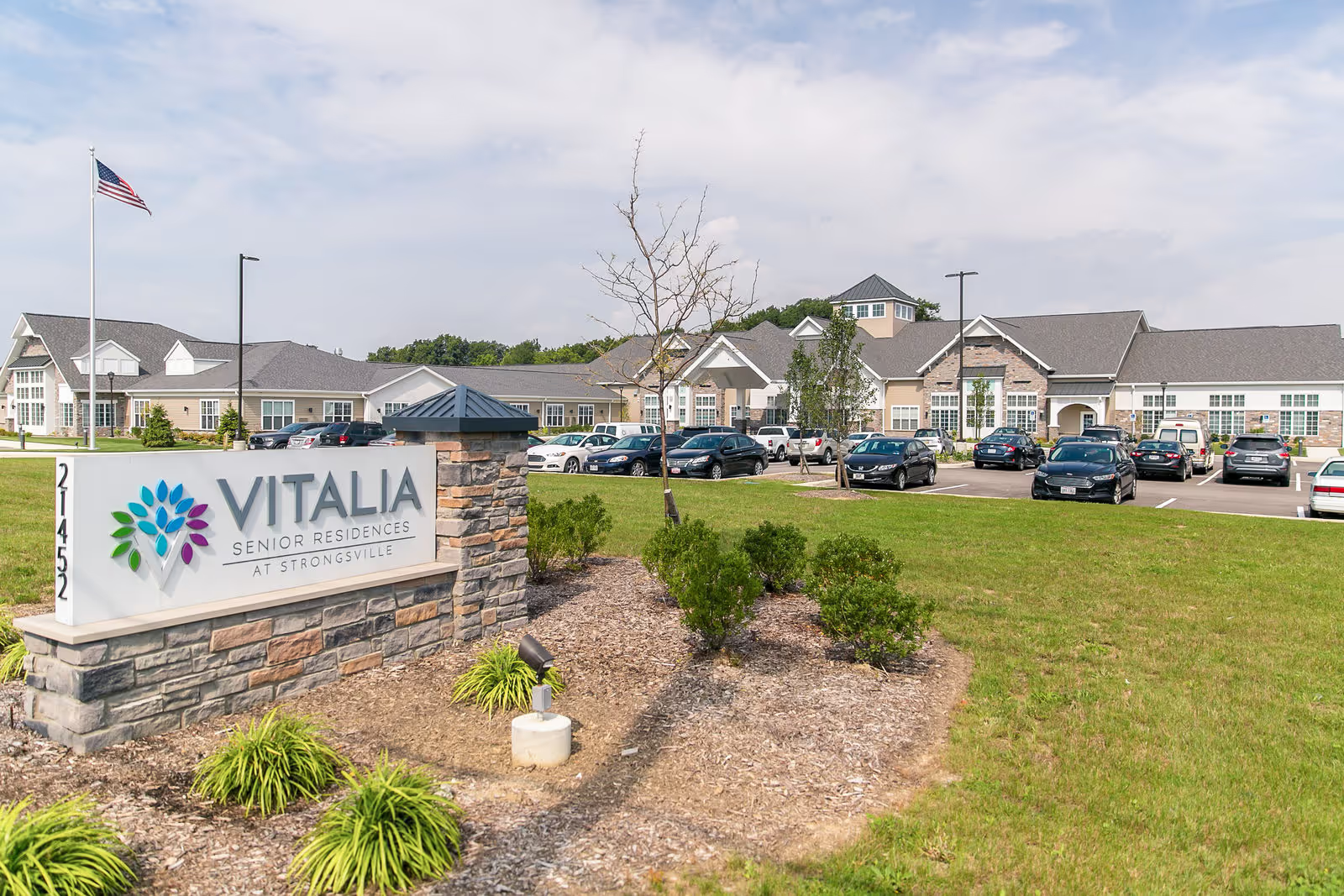
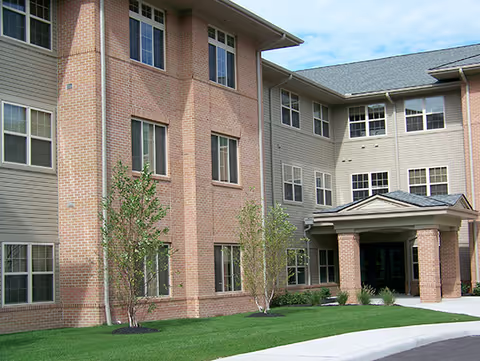
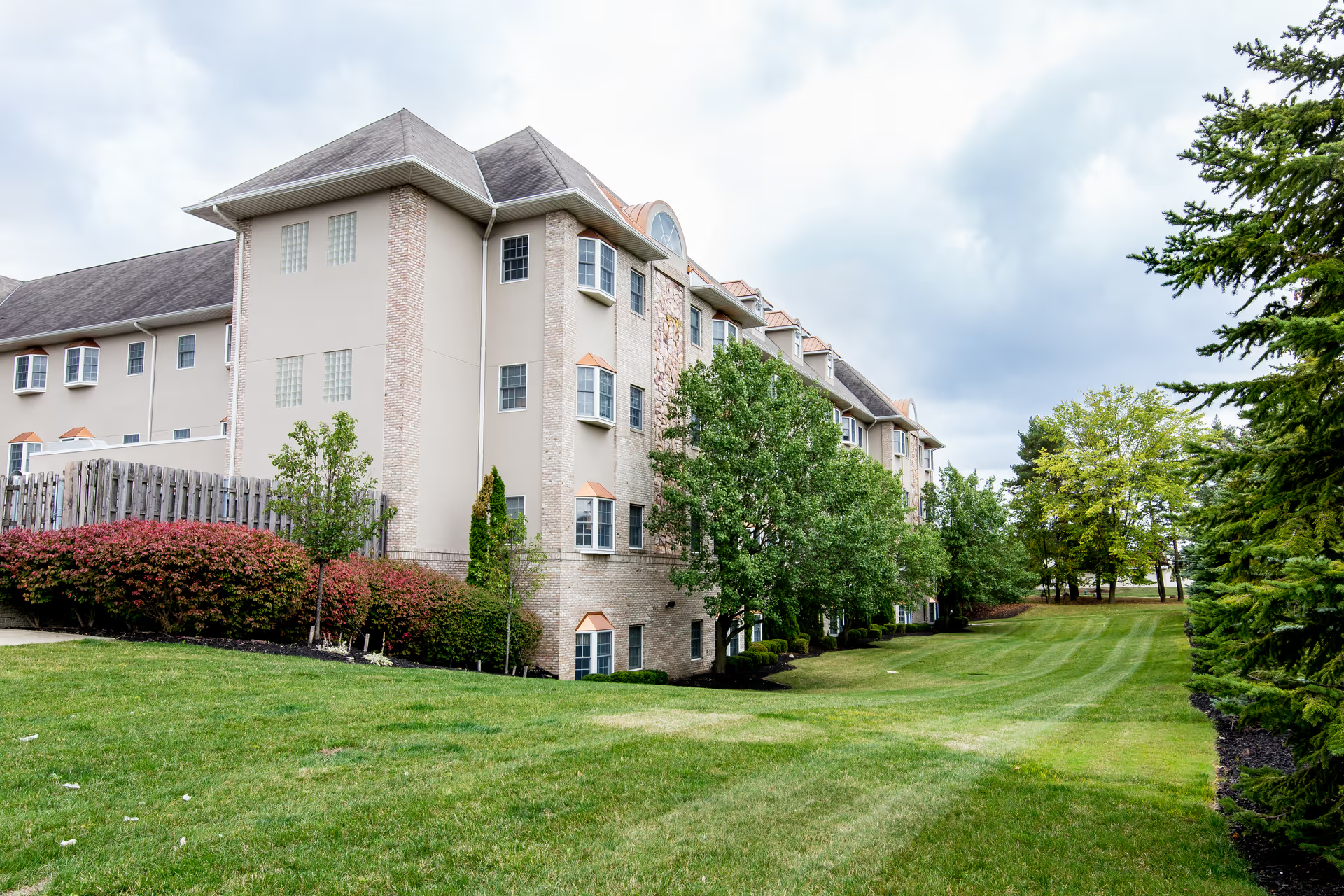
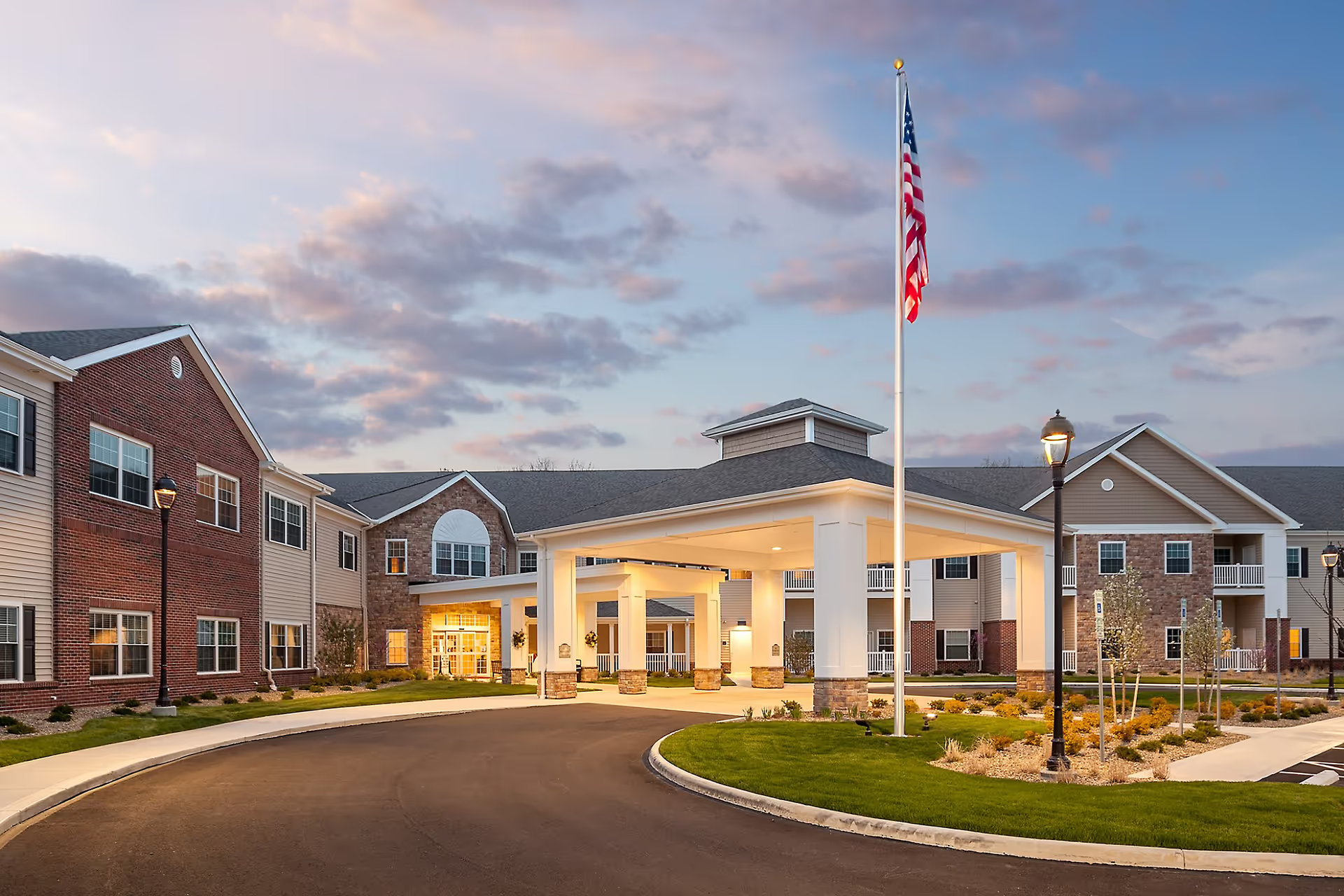
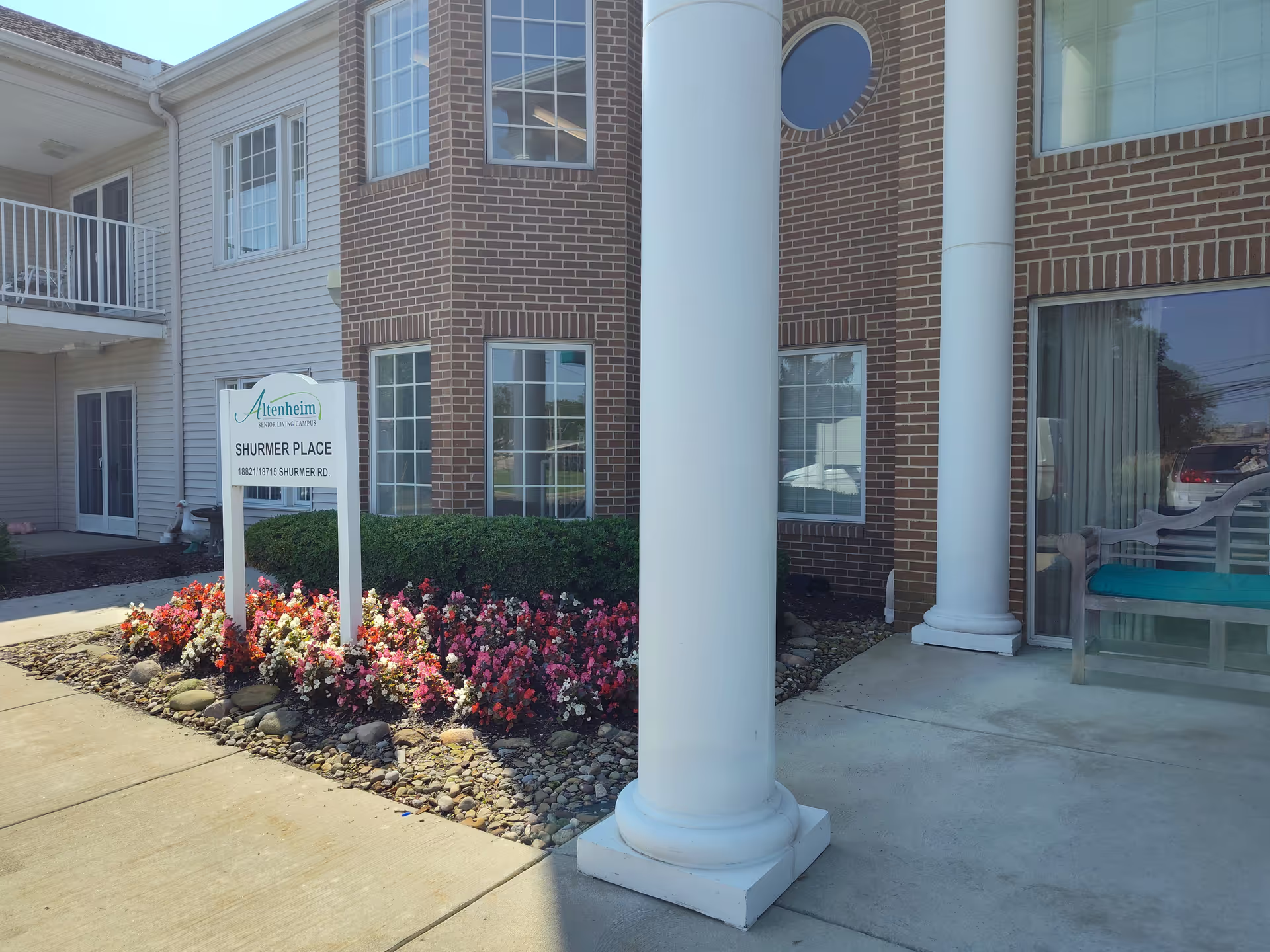
Facilities and amenities Physical spaces, decor, and grounds are often described as clean, comfortable, and hotel-like, with private rooms and pleasant views supporting a non-institutional atmosphere. Some reviewers, however, reported early sanitation or odor concerns in specific units that they said improved over time. Reports also indicate uneven availability of rehab equipment across stays, so confirm the current therapy resources if intensive rehabilitation is required.
Management, communication, and compliance Family experiences with administration are mixed. Many families praise an attentive admissions team and helpful social workers; others report delayed callbacks, poor discharge coordination, and problematic handling of personal or financial matters. The facility has been subject to regulatory citations and at least one state investigation referenced by families, and a small number of serious individual allegations (including legal disputes) were also described. These items point to the importance of reviewing recent compliance history and asking direct questions about incident-reporting, grievance procedures, and policies for safeguarding resident property and legal documents.
Notable patterns and advice for families Riverview Pointe can deliver high-quality, compassionate care—particularly for short-term rehab and memory-care needs—when staffing and supervision are sufficient. However, variability in staffing levels, cleaning practices, therapy scheduling, and administrative follow-through means outcomes can differ between units and over time. Prospective residents and families should: verify current staffing ratios and turnover rates; ask about weekend therapy and available rehab equipment; review recent state inspections and how cited issues were addressed; clarify policies on belongings, POA/financial coordination, and death/aftercare procedures; and plan for regular family oversight during the early weeks of a placement. These steps will help align expectations with the facility’s strengths and mitigate operational risks documented by families.