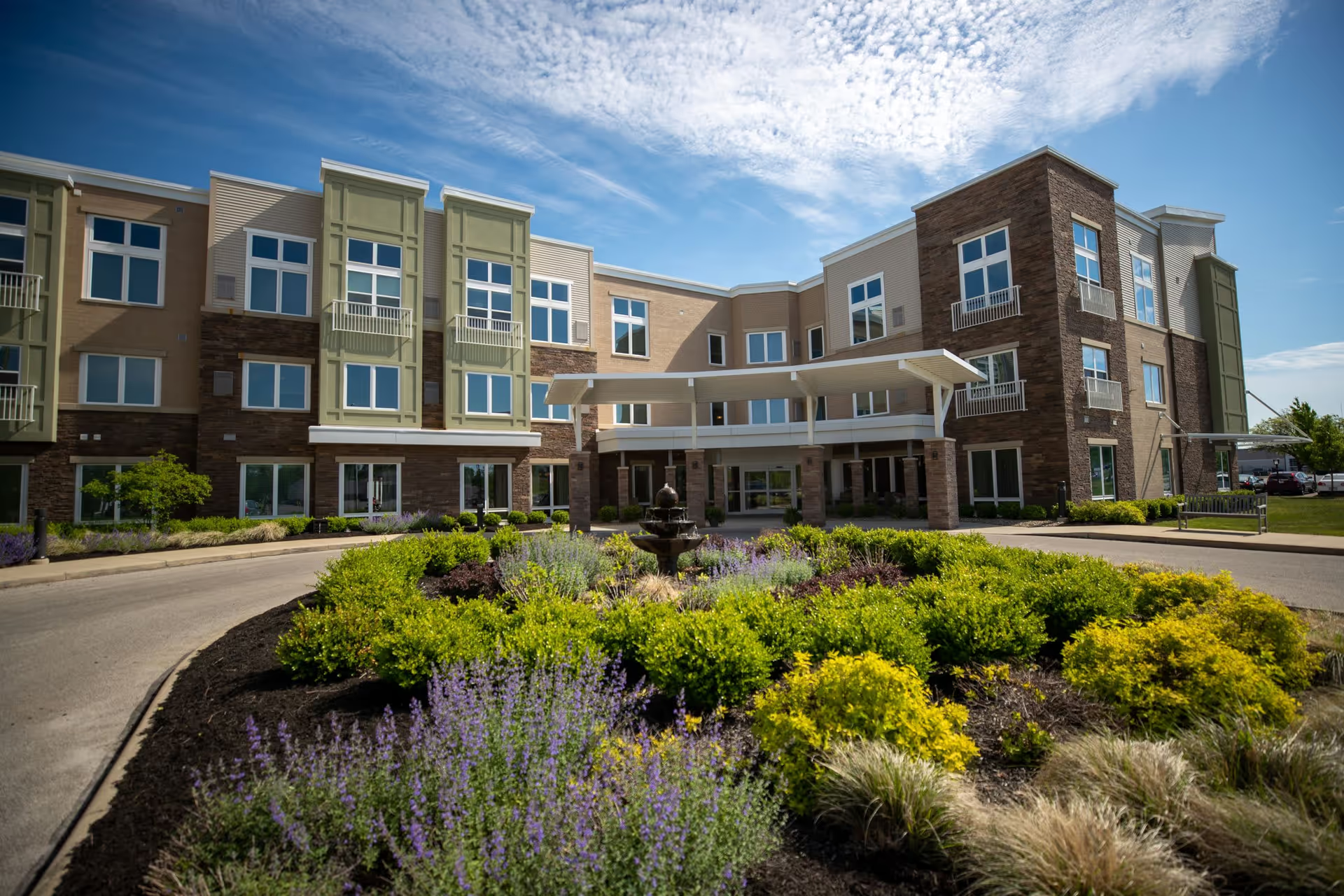
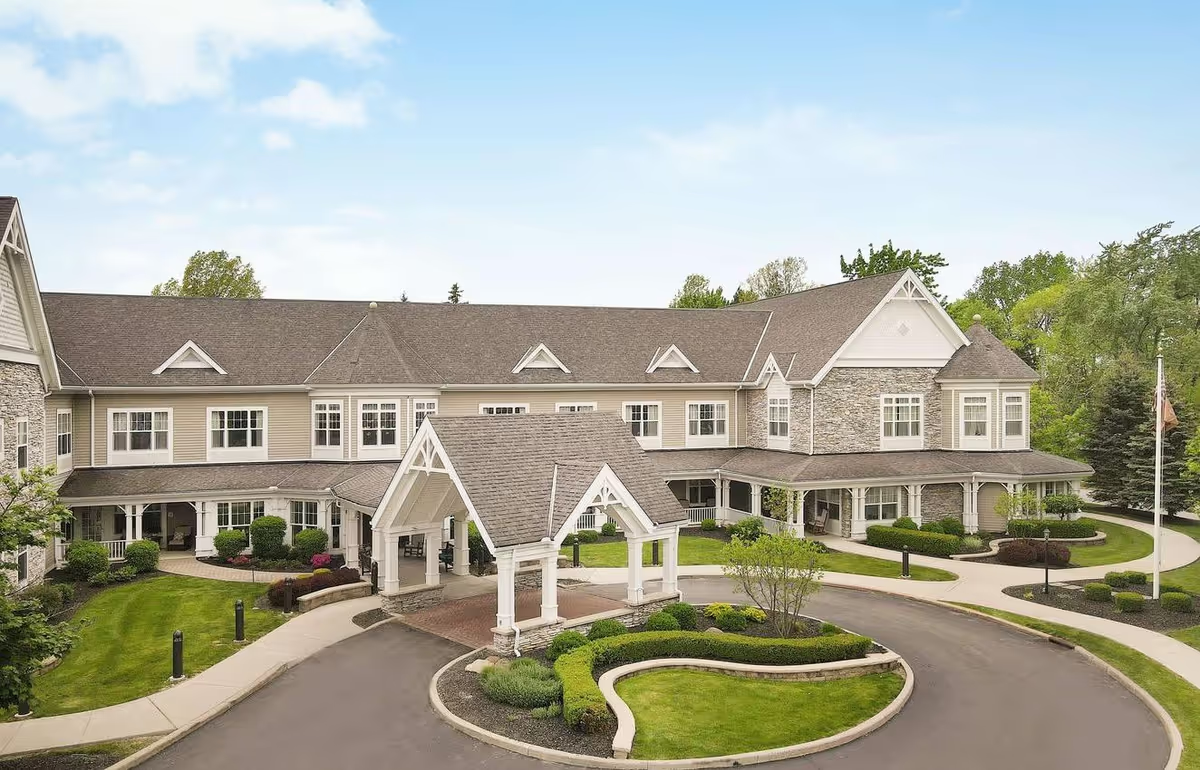
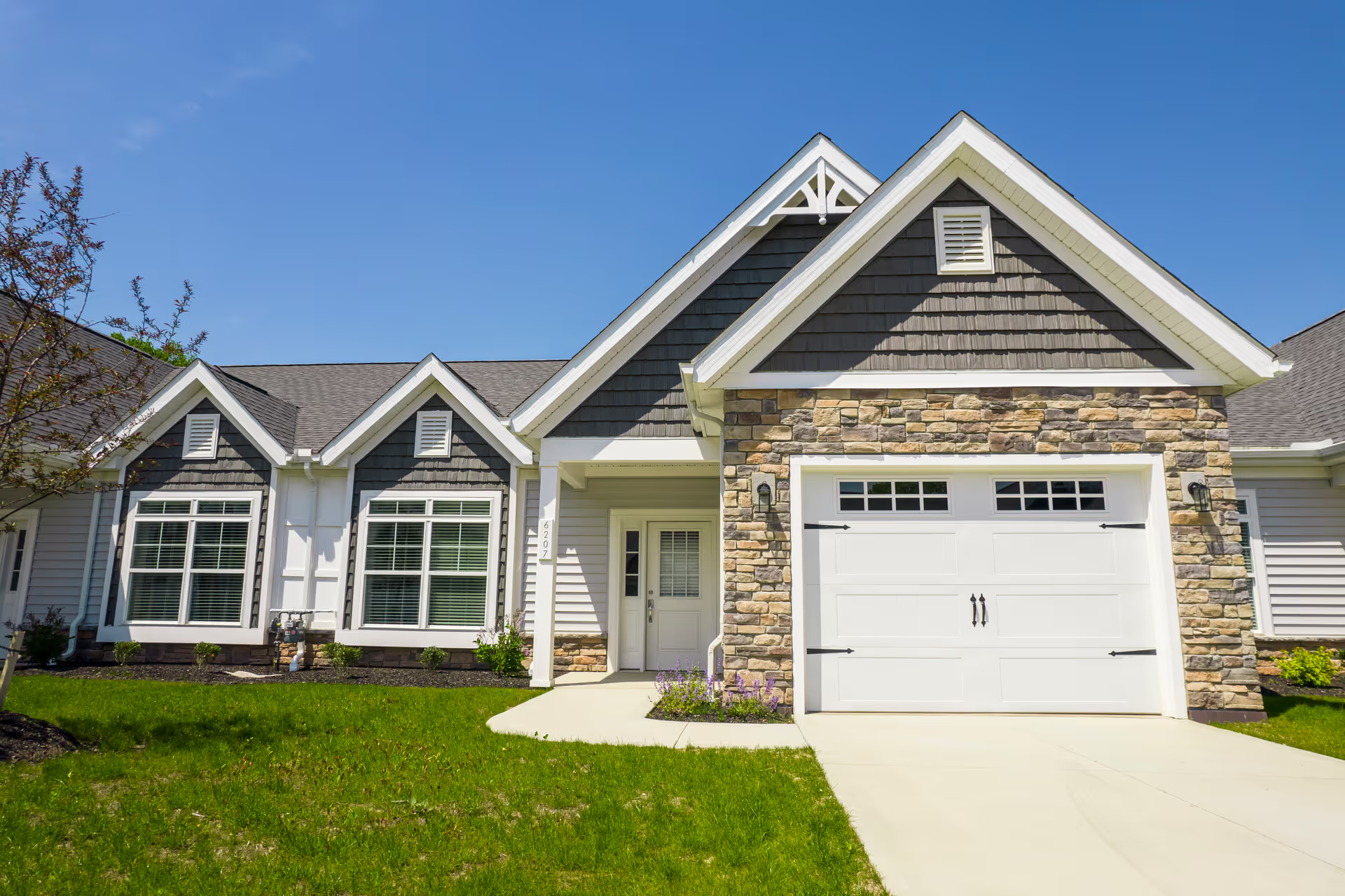
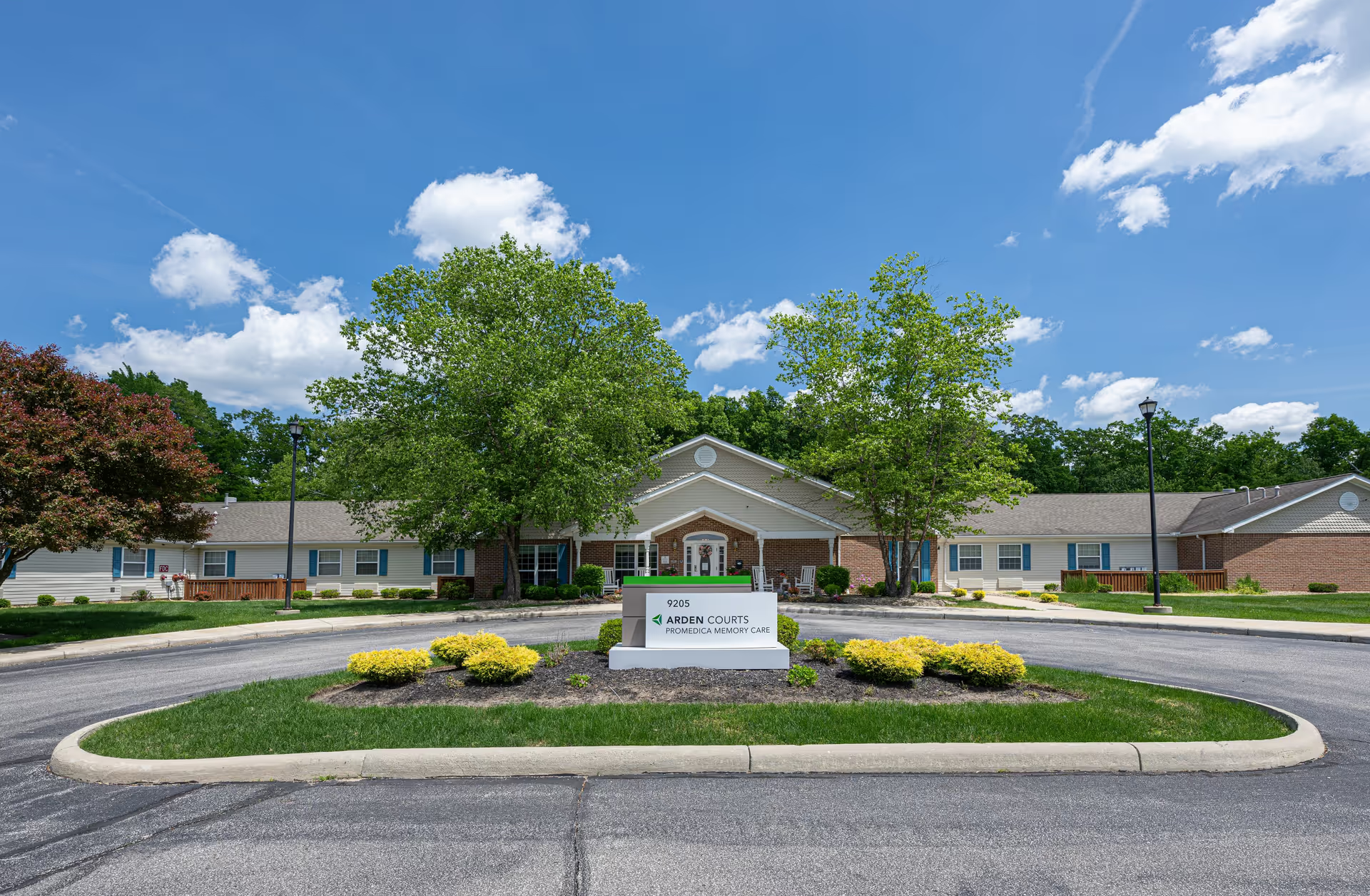
Mount Alverna Village elicits a wide range of family experiences, with clear strengths in rehabilitation, communal life, and a faith-based environment alongside recurring operational concerns. Positive accounts consistently highlight a strong therapy department (including a well-equipped gym and dedicated therapists), compassionate nursing and aide staff, attentive housekeeping, and an active activities program. The on-site chapel, regular Mass, and Franciscan presence make the campus a good cultural and spiritual fit for residents seeking a Catholic-oriented community. The facility’s appearance, outdoor courtyards, and salon services are also frequently described as attractive and well-maintained.
Care quality and staffing present a mixed picture. Many families praise specific nurses, aides, and therapy staff for professionalism and effective communication, and reviewers often mention helpful admissions and administrative staff. At the same time, persistent themes include understaffing, high staff turnover, and reliance on agency personnel whose training and familiarity with residents can vary. Several families described limited clinical coverage during evenings and nights and delays in responding to call bells and personal-care needs. There are also concerns about continuity of clinical tasks such as medication administration and therapy follow-through; prospective families should ask about handoff processes and after-hours clinical coverage.
Dining and programming are similarly varied. The activities program, often led by an engaged activities director, is frequently praised for breadth and social engagement, and many residents appear to participate regularly. However, activity availability may differ by unit, and a subset of families expressed that programming was limited in certain areas. Meal quality was described inconsistently — some reviewers found the food acceptable or good, while others called out poor meals and requested more fresh fruits and vegetables. Housekeeping and laundry services receive mostly positive comments, though families should clarify which laundry services and fees are included.
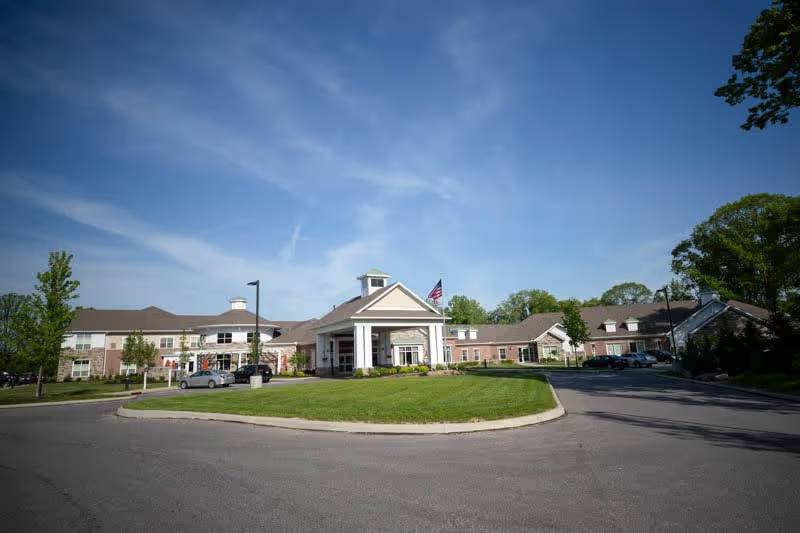
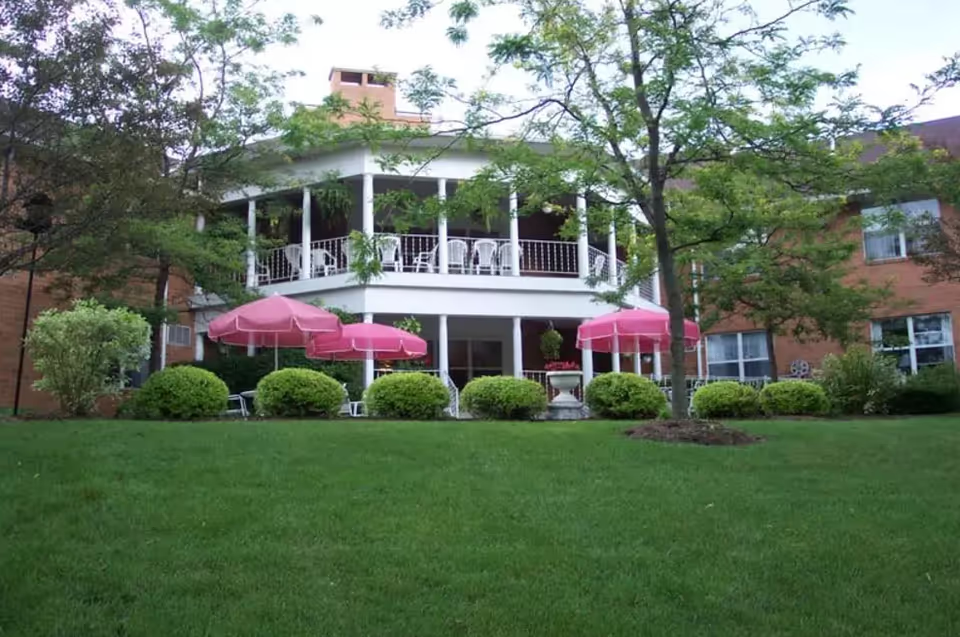
Facility features and operations: the campus is generally described as bright, clean, and attractively decorated, with multiple courtyards and a calming chapel space. Notable operational issues raised include inconsistent enforcement of the non-smoking policy (with smoke ingress into some rooms), occasional odor or sanitation concerns in select areas, and additional charges such as phone or personal-laundry fees that affect total cost. Leadership turnover was cited as a contributor to uneven service continuity; conversely, some families compliment the administration’s communication and willingness to update families about staffing and vacancies.
Overall, Mount Alverna Village appears to be a strong option for families prioritizing rehabilitation services, a faith-based community, and an attractive campus environment. The most important patterns to investigate during a tour are staffing levels (especially night coverage), reliance on agency personnel, medication and therapy continuity processes, dining samples and menus, smoking-policy enforcement, and any extra fees. Doing so will help align expectations with the facility’s operational realities and determine fit for a specific resident’s clinical and cultural needs.