Overall impression: Reviews present a mixed but coherent picture. Many families emphasize a warm, home-like environment with attentive, compassionate frontline staff and plentiful social opportunities. At the same time, there are recurring operational concerns related to clinical capacity, emergency readiness, and management follow-through that prospective residents and families should evaluate before committing.
Care quality and staff: Numerous accounts praise direct-care staff as caring, personable, and relationship-oriented; reviewers frequently describe a family-like culture, successful transitions for new residents, and strong day-to-day interactions. However, several reviewers also described inconsistent clinical responsiveness, turnover among caregivers, and situations in which clinical needs outstripped the community's capabilities. The community appears to operate with limited on-site nursing resources and reliance on home-health or family-managed medication routines in some cases, which can make it less suitable for higher-acuity residents (for example, those with complex diabetes or unstable cardiac conditions). Families should confirm current staffing models, on-site clinical coverage, and protocols for escalating acute medical issues.
Dining and activities: The facility is repeatedly highlighted for active programming — bingo, movies, puzzles, parties, and other events — and for fostering social connections. Many reviewers find the food acceptable and some call dinners enjoyable, though other accounts note a decline in meal balance and occasional missed or inconsistent meal service. Nutritional consistency and menu variety appear to vary over time; prospective residents should ask about current menus, special-diet accommodations, and how the facility supports residents with specific dietary needs (for example, diabetes management).
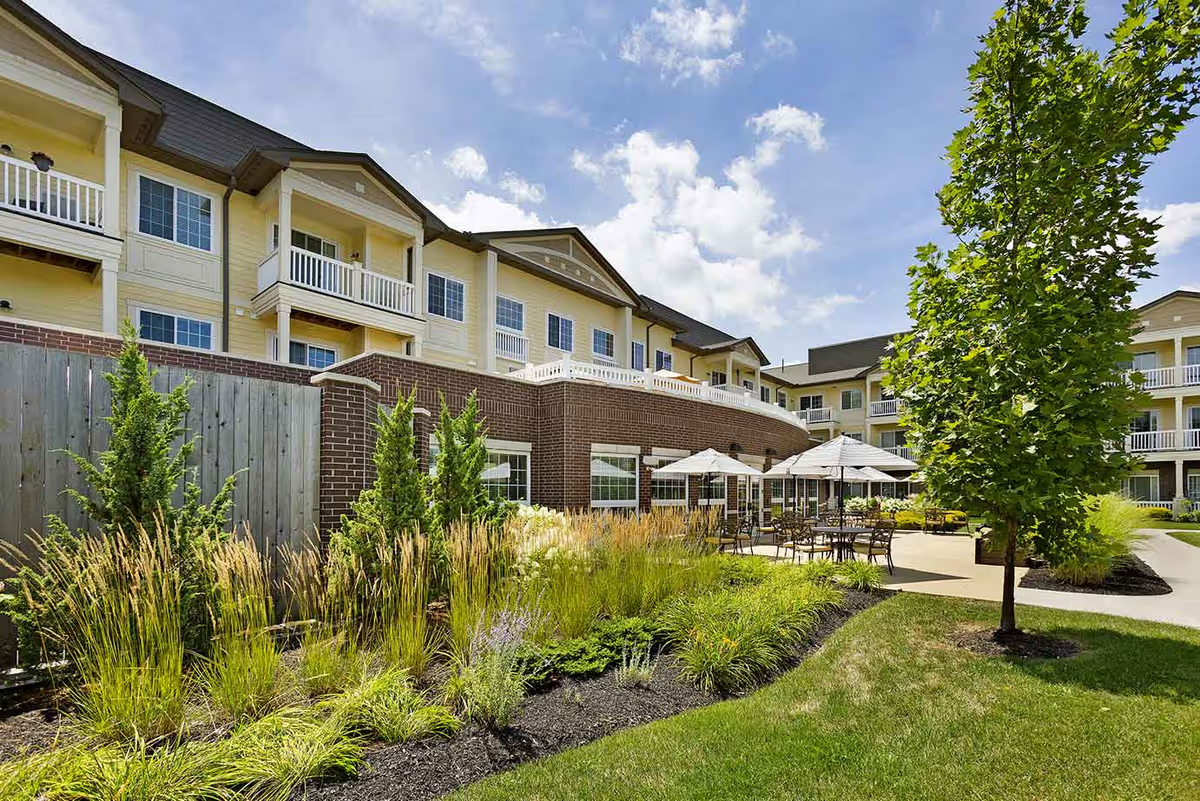
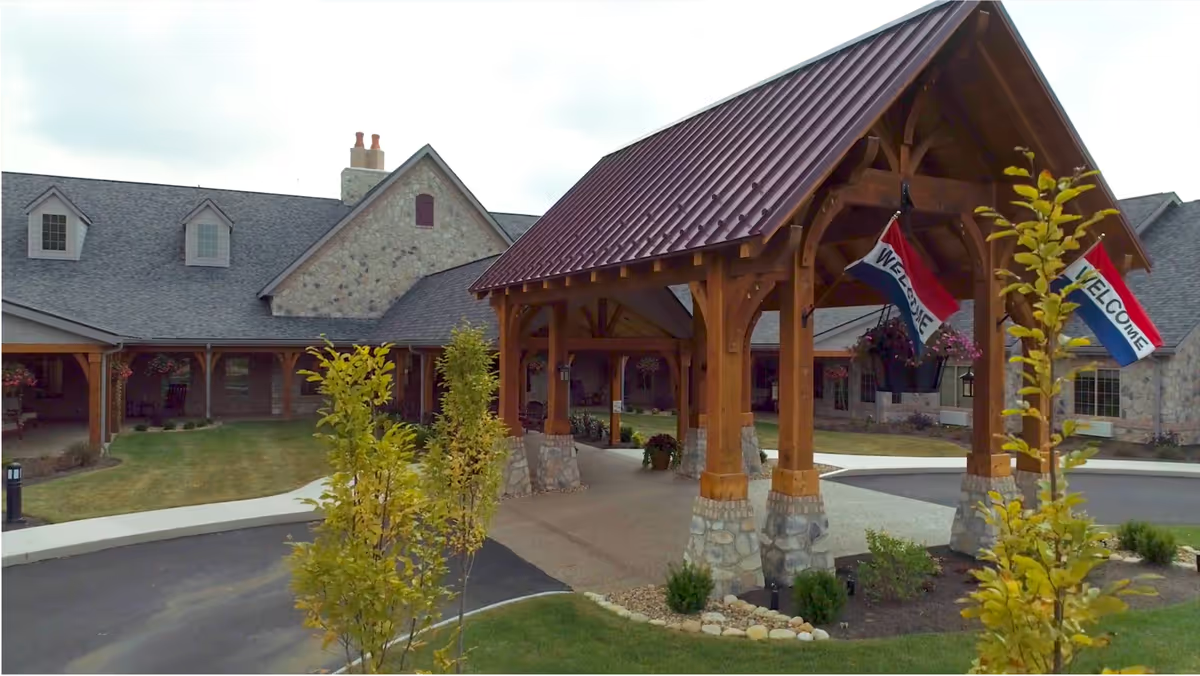
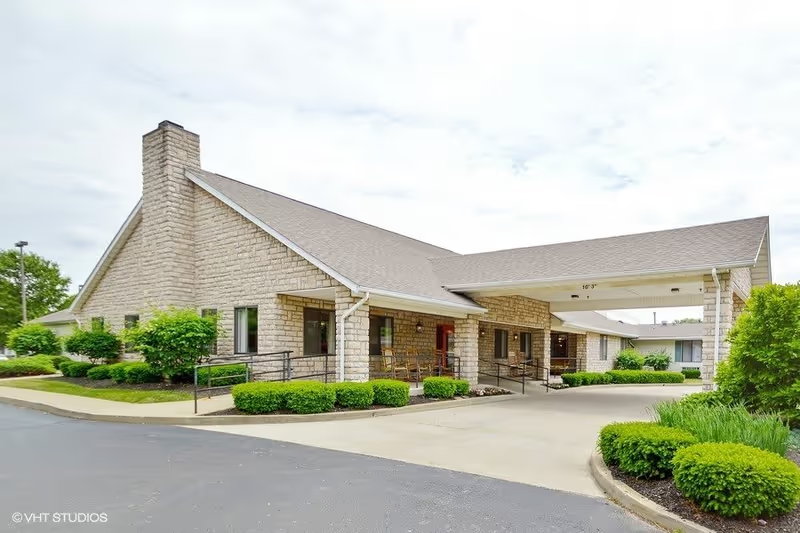
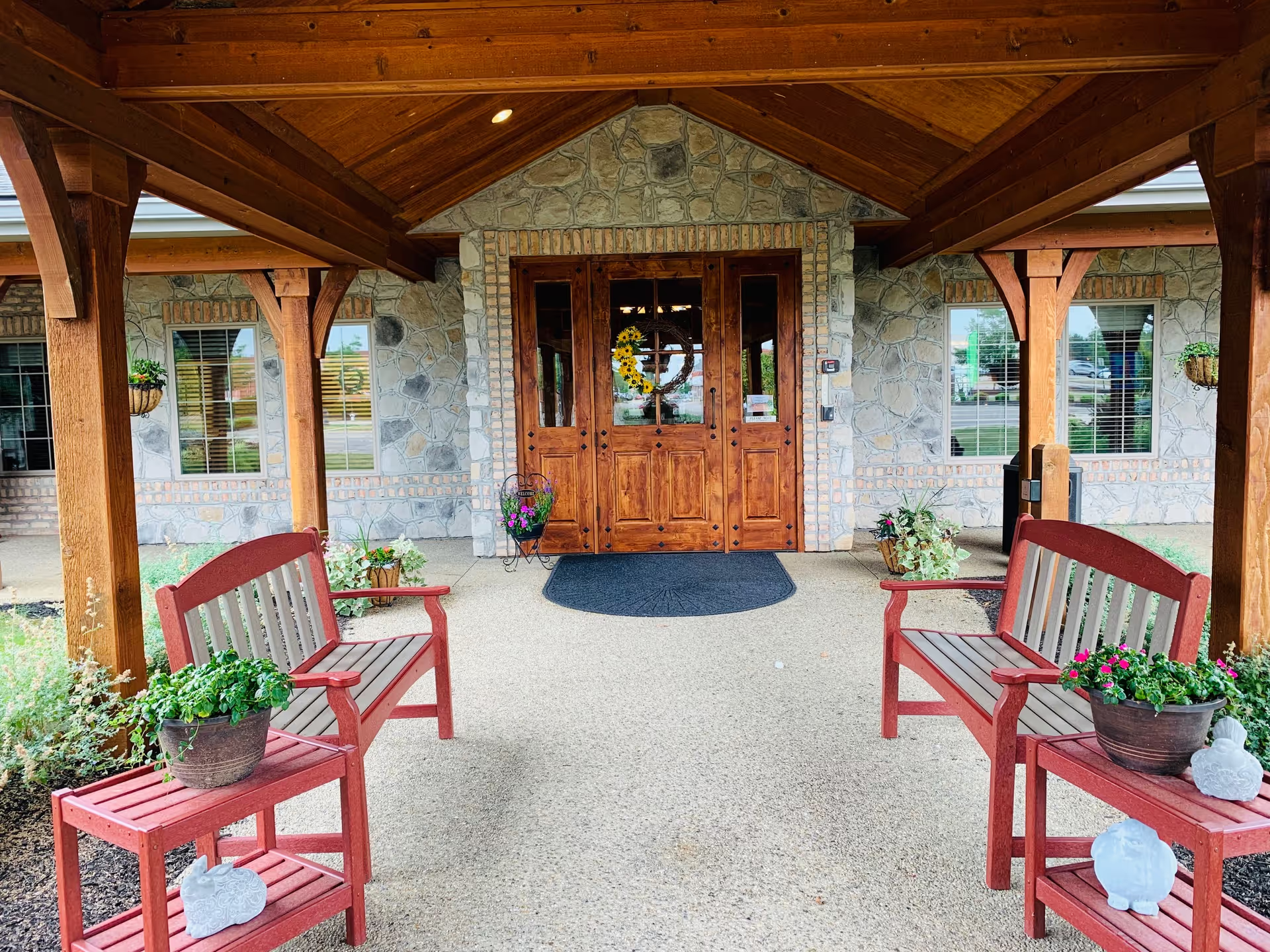
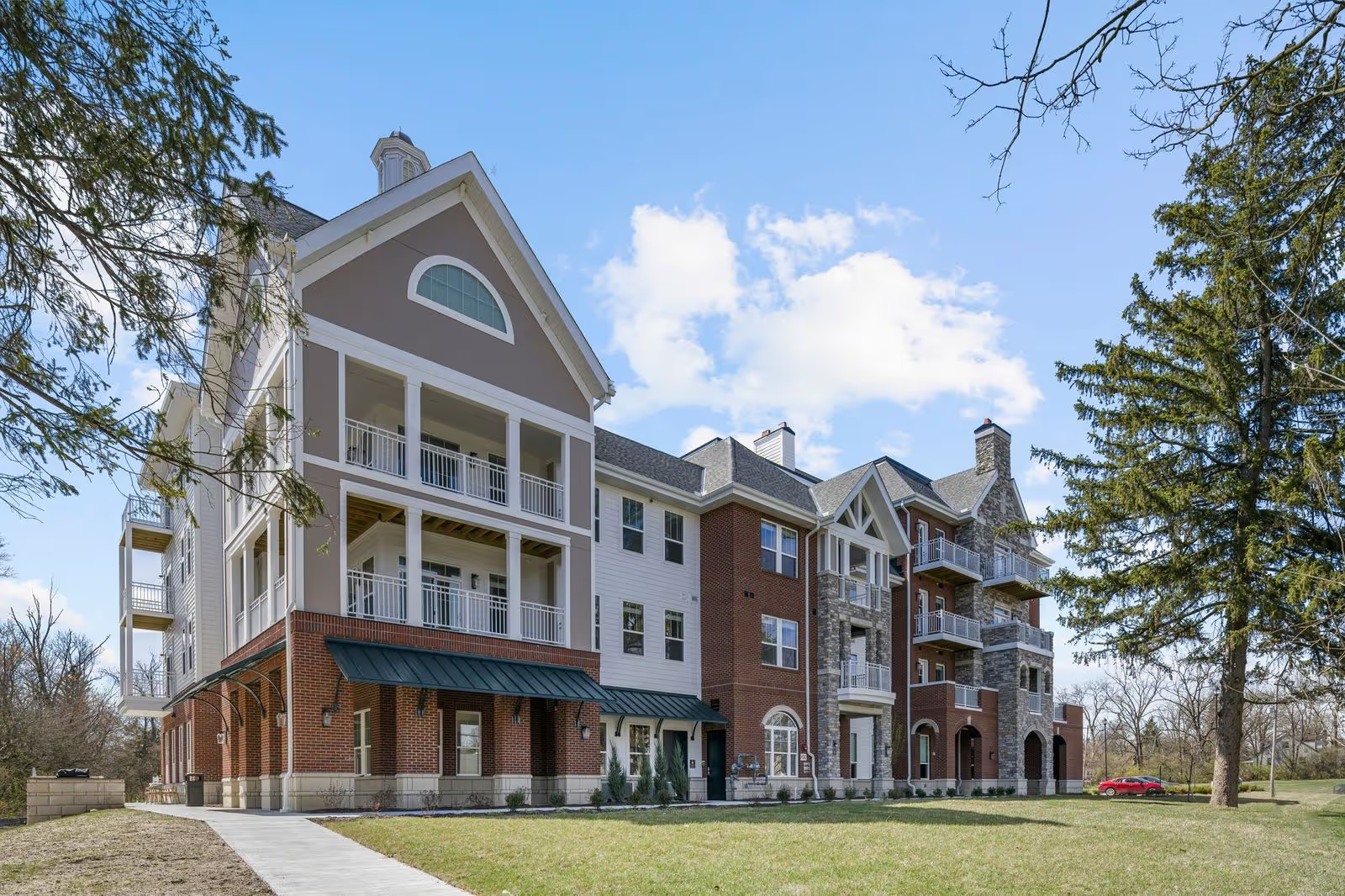
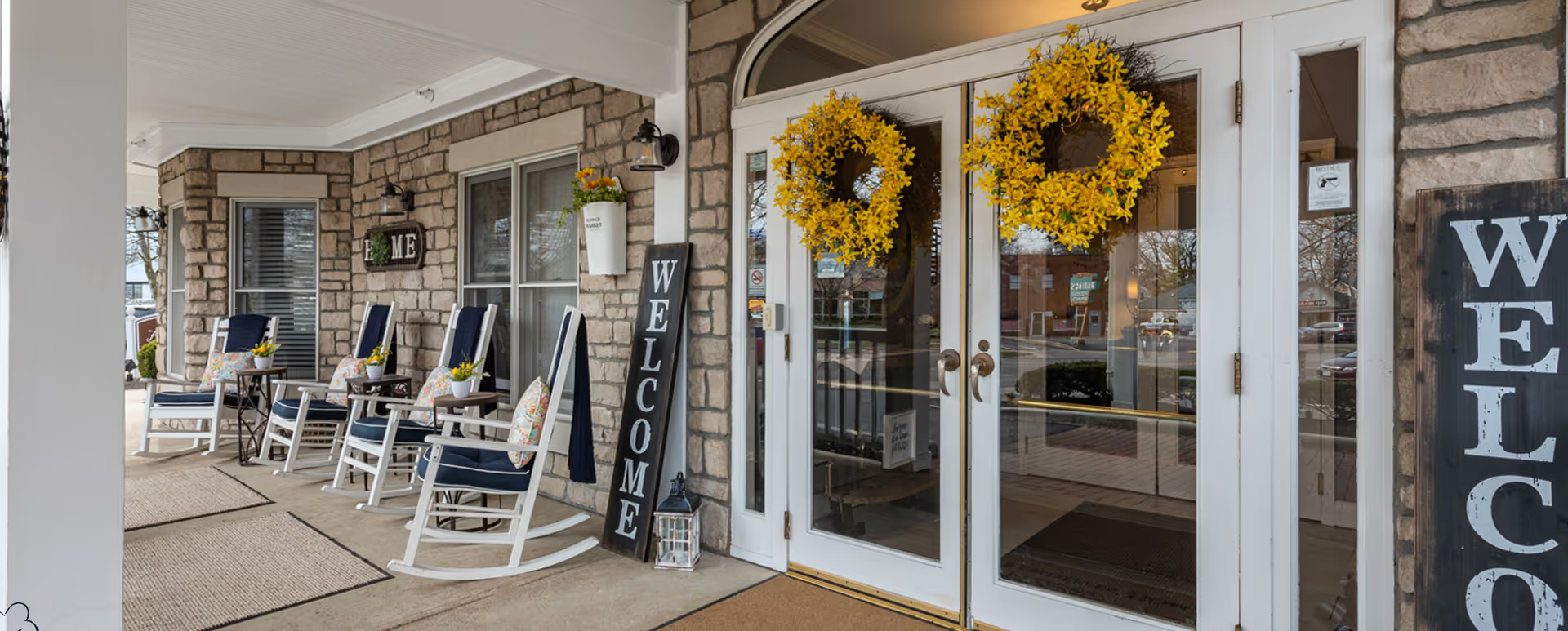
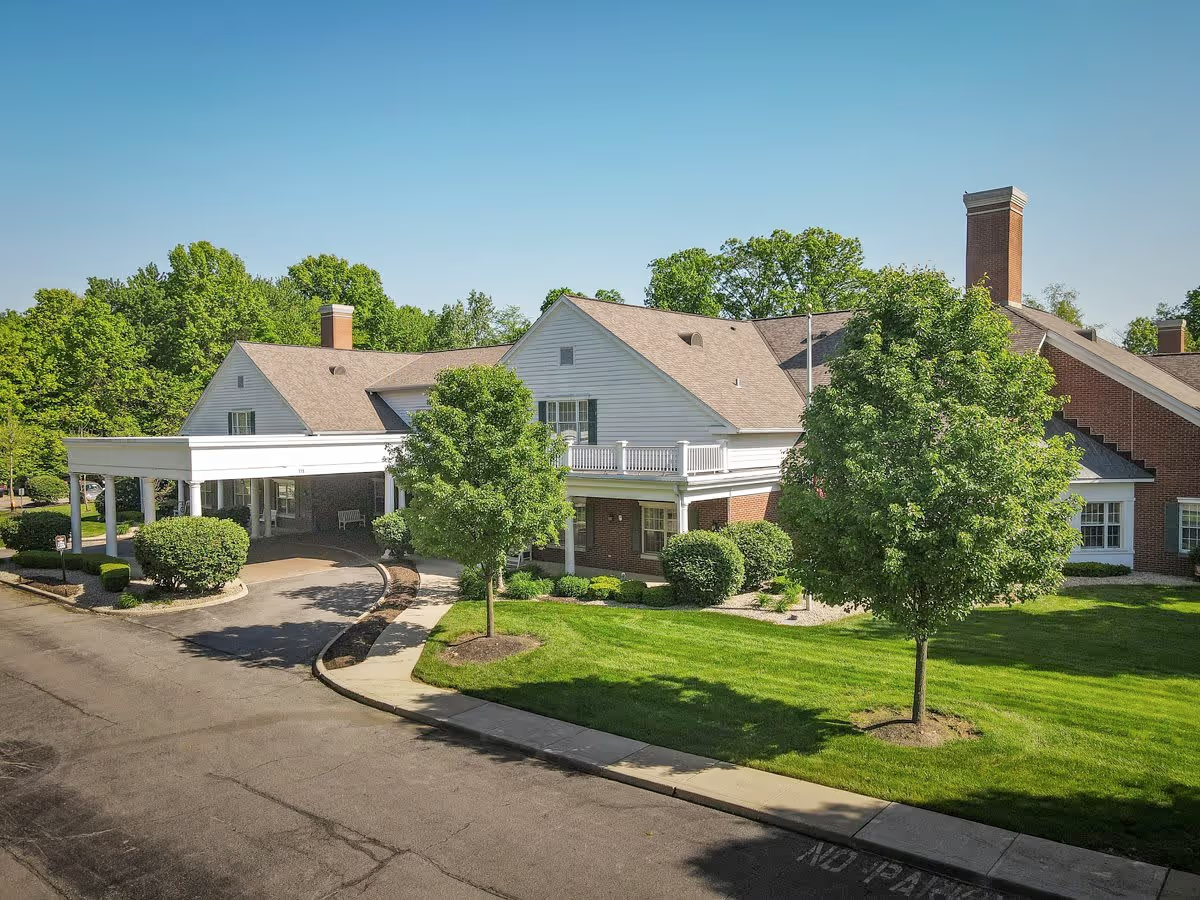
Facilities and safety: Physically, the community is described as attractive, clean, and well maintained with a cozy, non-institutional feel. The single-level design, screened porches, library, and chapel are cited as strengths. Conversely, reviewers raised facility-level safety and preparedness issues — most notably gaps in emergency contingency (including lack of a backup generator at the time of an outage) and isolated sanitation or housekeeping lapses in some units. These observations suggest asking for the community's current emergency plan, maintenance schedule, infection-control and housekeeping practices, and any recent improvements.
Management and notable patterns: A pattern emerges in which frontline staff receive consistent praise while administrative or management functions are viewed as more variable. Concerns include uneven communication with families, inconsistent follow-through on care plans, and training gaps that surface when residents' needs increase. Some reviewers described major negative outcomes associated with clinical escalation and subsequent relocation; these appear to reflect mismatches between resident acuity and the community's scope of services rather than uniform day-to-day neglect. Prospective families should clarify the community's care-level acceptance criteria, transfer policies, staffing ratios, emergency protocols, and grievance or escalation procedures.
Bottom line: Abbington of Pickerington offers a warm, social, and well-kept environment with many strengths in direct caregiving and resident programming. However, the community may have limitations in on-site clinical capacity, emergency preparedness, and consistent management communication. Families should verify current staffing, clinical coverage, diabetic and cardiac care protocols, meal-service reliability, and the facility's emergency-readiness plan to ensure alignment with a prospective resident's medical and safety needs.