Reviewer feedback for Piqua Manor is polarized: many families and residents praise the front-line caregiving and rehabilitative services, while others raise substantive concerns about clinical processes, facility maintenance, and administration. Nursing staff, nurse aides, and therapy teams (PT/OT/RT) receive frequent positive comments for compassionate care, successful rehab outcomes, effective respiratory support, and responsive assistance with mobility. The dining program and communal dining area are commonly described as pleasant, and there are a variety of activities available for residents who can participate. Several accounts also describe a warm, family-like community and examples of staff teamwork and morale.
At the same time, reviewers identified recurring operational weaknesses. Cleanliness and linen management are inconsistent across units, with some families noting stained sheets, inadequate room maintenance, and pest-control concerns. Multiple reports describe delayed responses to call bells and assistance requests, which reviewers associated with extended wait times and unmet care needs. Clinical concerns include gaps in wound care, variable pain and medication management, and examples of discharge planning perceived as rushed or poorly coordinated. These issues point to weaknesses in transitional-care processes and in-clinic follow-up.
Administrative and leadership problems are another notable pattern. Several reviewers described billing pressure, confusing or aggressive billing communication, and an administrator who was unresponsive or brusque. Families also reported difficulties reaching attending physicians in person and instead receiving only phone-based communication, creating frustration during critical clinical situations. Understaffing during busy shifts and management visibility gaps were commonly cited as contributing factors to delayed care and inconsistent service delivery.
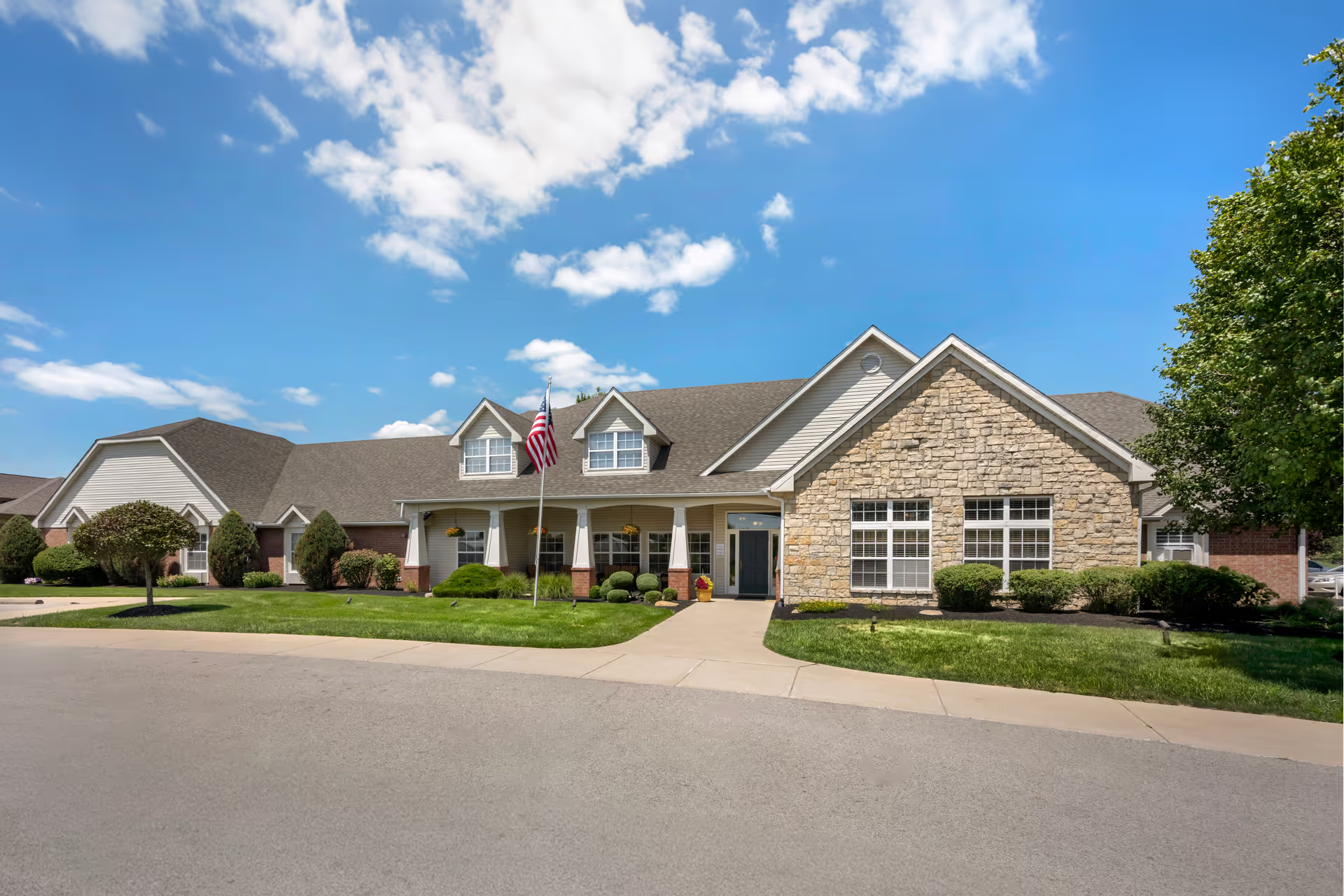
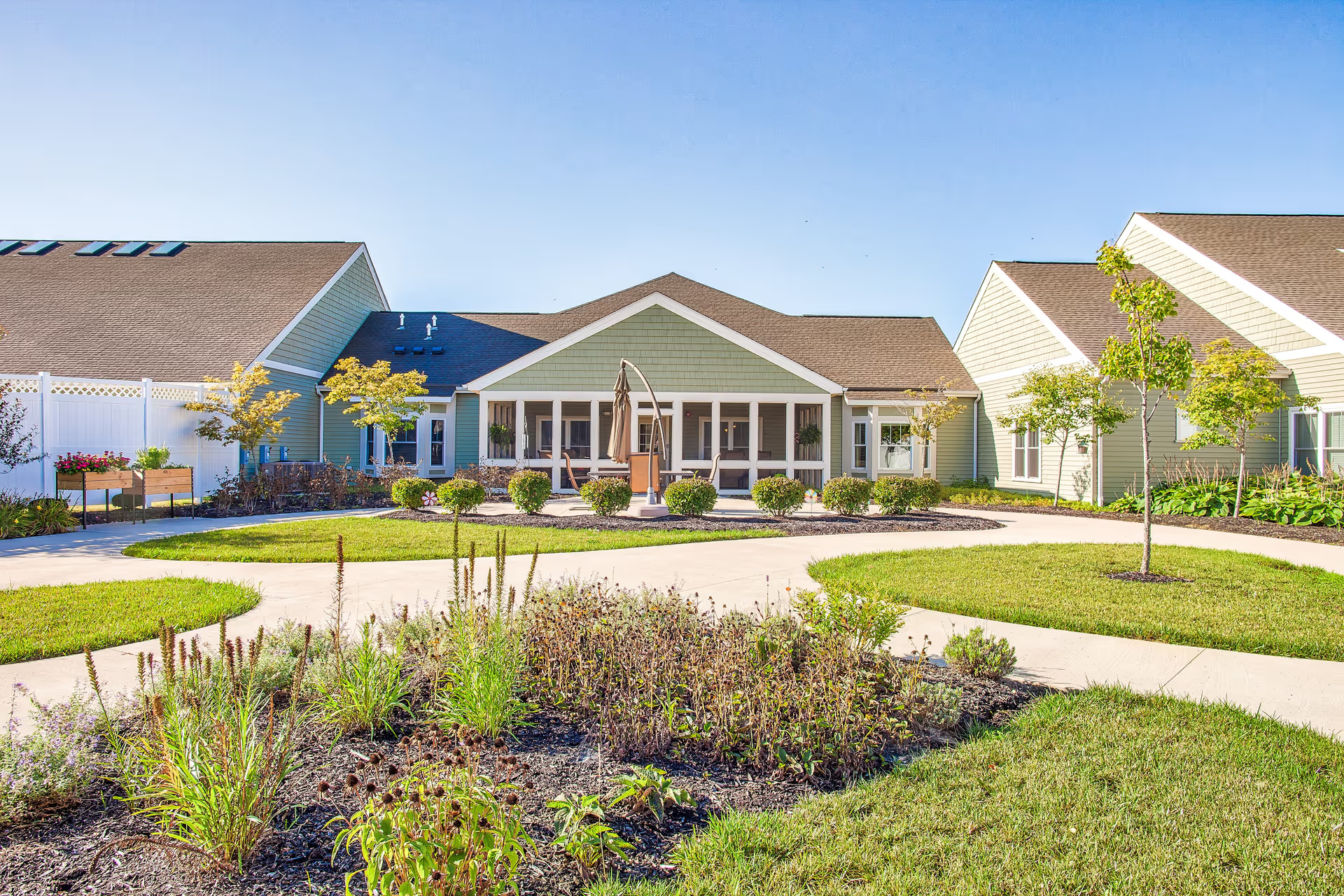
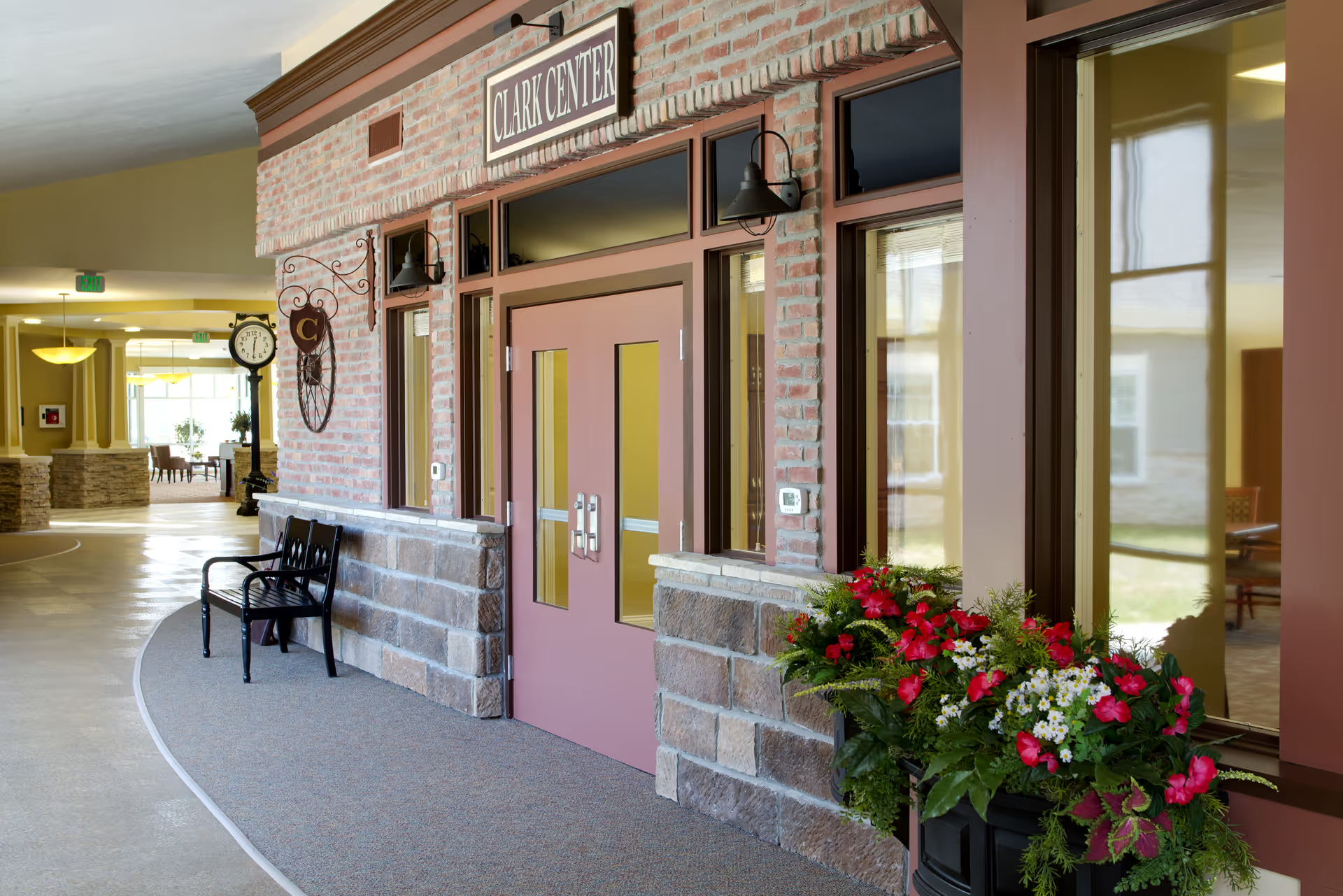
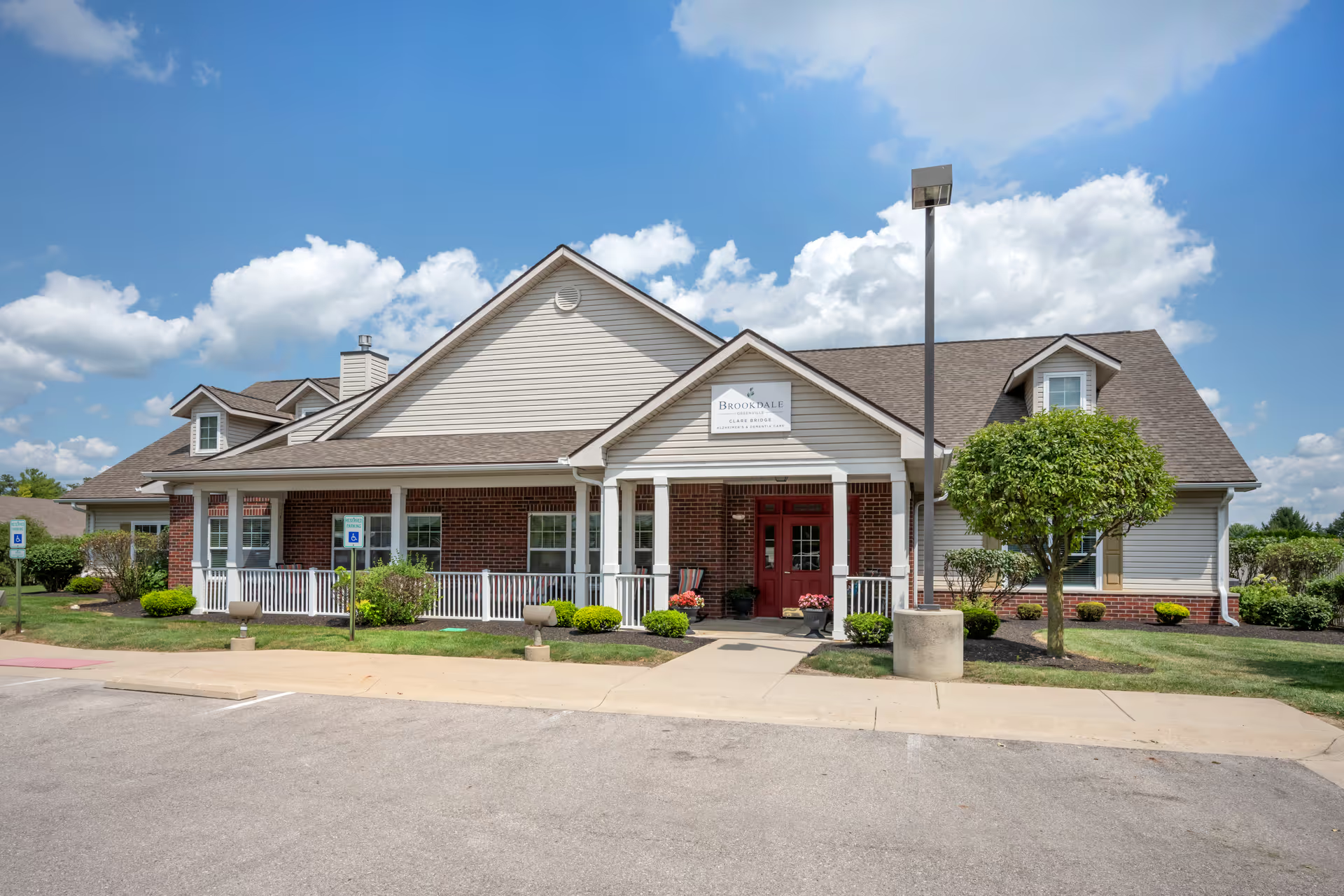
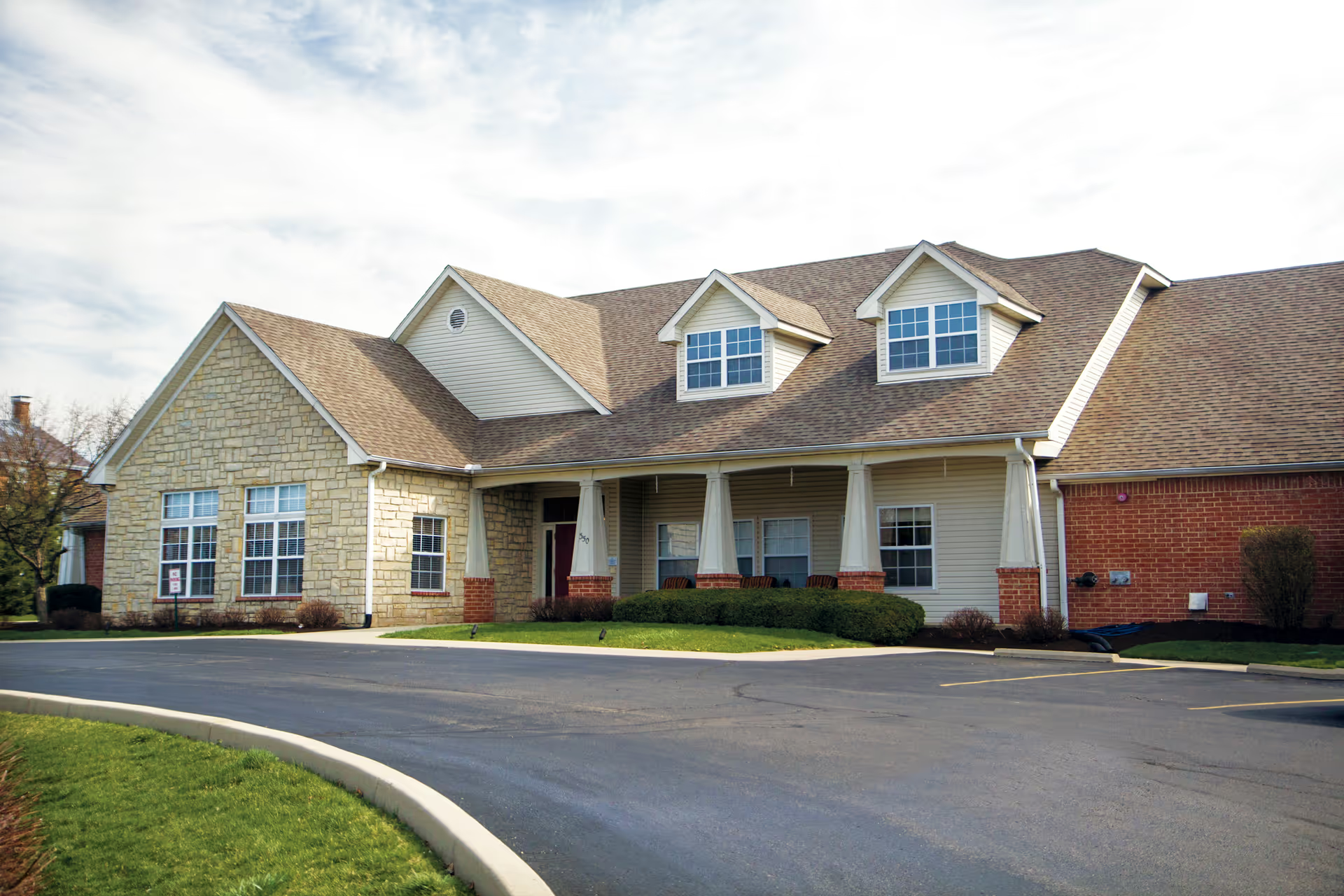
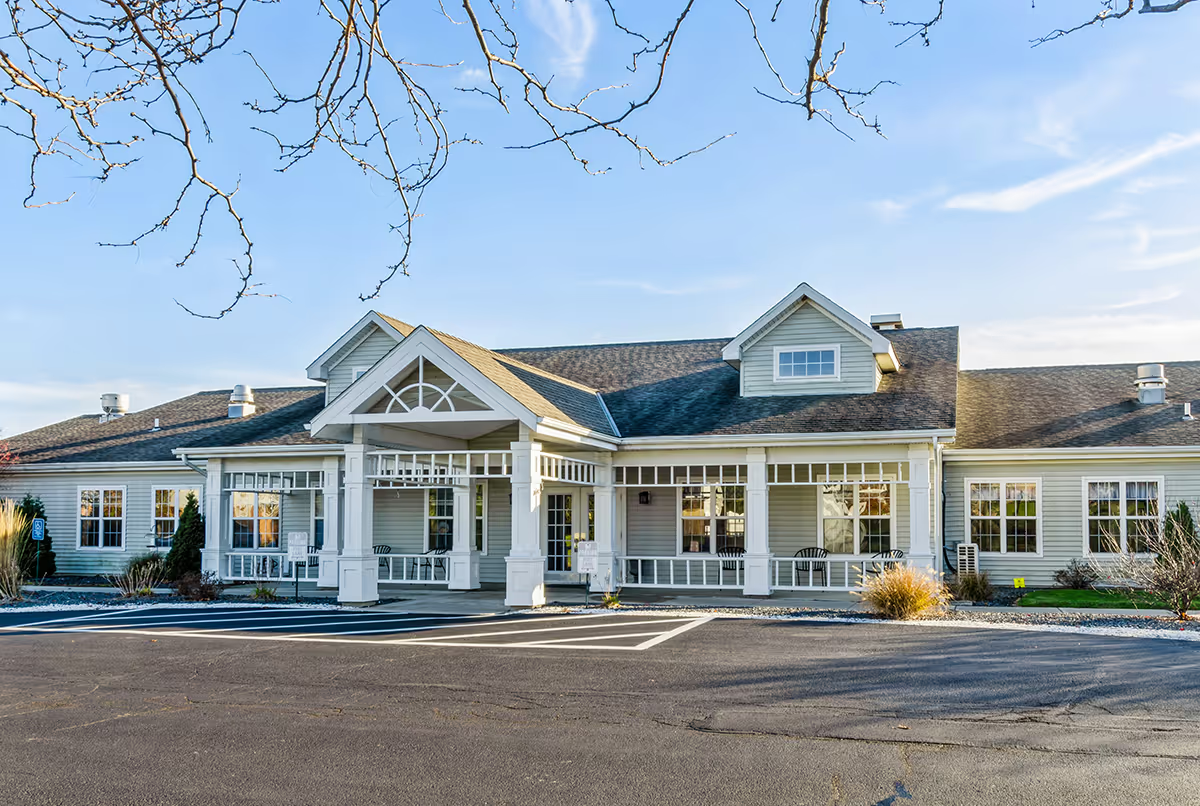
Facility condition and programming present a mixed picture. Many rooms and common areas are described as attractive and well-appointed, and therapy spaces are effective for rehabilitation. However, the building shows signs of aging in areas, and reviewers expressed concerns about room maintenance and housekeeping consistency. Activity programming is ample for ambulatory residents but appears limited for residents who are bedbound or require more one-on-one engagement.
Practical takeaways for prospective residents and families: an on-site visit is advisable to observe current staffing levels, cleanliness, and mealtime service directly; ask for details on discharge-planning procedures and post-discharge follow-up; request clarification about billing practices and insurance coordination; and inquire specifically about activity options for residents with limited mobility. Piqua Manor demonstrates clear strengths in hands-on caregiving and rehabilitation but also exhibits operational and leadership areas that merit careful review before placement.