Overall impression: StoryPoint Powell North elicits a broadly mixed but strongly polarized set of impressions. Many families and residents describe a warm, home-like environment driven by compassionate staff, a robust activities program, and good therapy supports that contribute to functional improvement and quality of life. At the same time, a subset of experiences highlights operational and clinical inconsistencies that prospective residents should evaluate during a visit.
Care and staff: Numerous accounts emphasize attentive, respectful caregiving, individualized care plans, and a team-oriented approach that fosters dignity and social connection. Therapy services (PT/OT/speech) receive particular praise for effectiveness and flexibility. However, patterns of inconsistent staffing and caregiver turnover are repeatedly called out; these staffing dynamics appear to correlate with variability in day-to-day care quality and responsiveness. Reviewers have raised concerns about timeliness of personal-care tasks and the tone of some staff interactions, indicating uneven performance between shifts or personnel.
Dining: Dining is frequently mentioned as a positive, with many residents and visitors enjoying specific meals, desserts, and breakfast options. The dining program also supports family events and social dining. Counterbalancing these positives are recurrent comments about inconsistent food temperature, occasional meal preparation issues, and limited variety for some dietary restrictions, including isolated diet-mixups. Prospective residents should confirm menu accommodations and consistency during a visit.
Activities and community life: Life-enrichment efforts are a clear strength. The facility offers a wide range of events, outings, entertainers, and themed activities that reviewers describe as meaningful and well executed. Staff in activities and the executive/wellness leadership are often credited with creating a lively, family-like atmosphere that supports resident engagement and socialization.
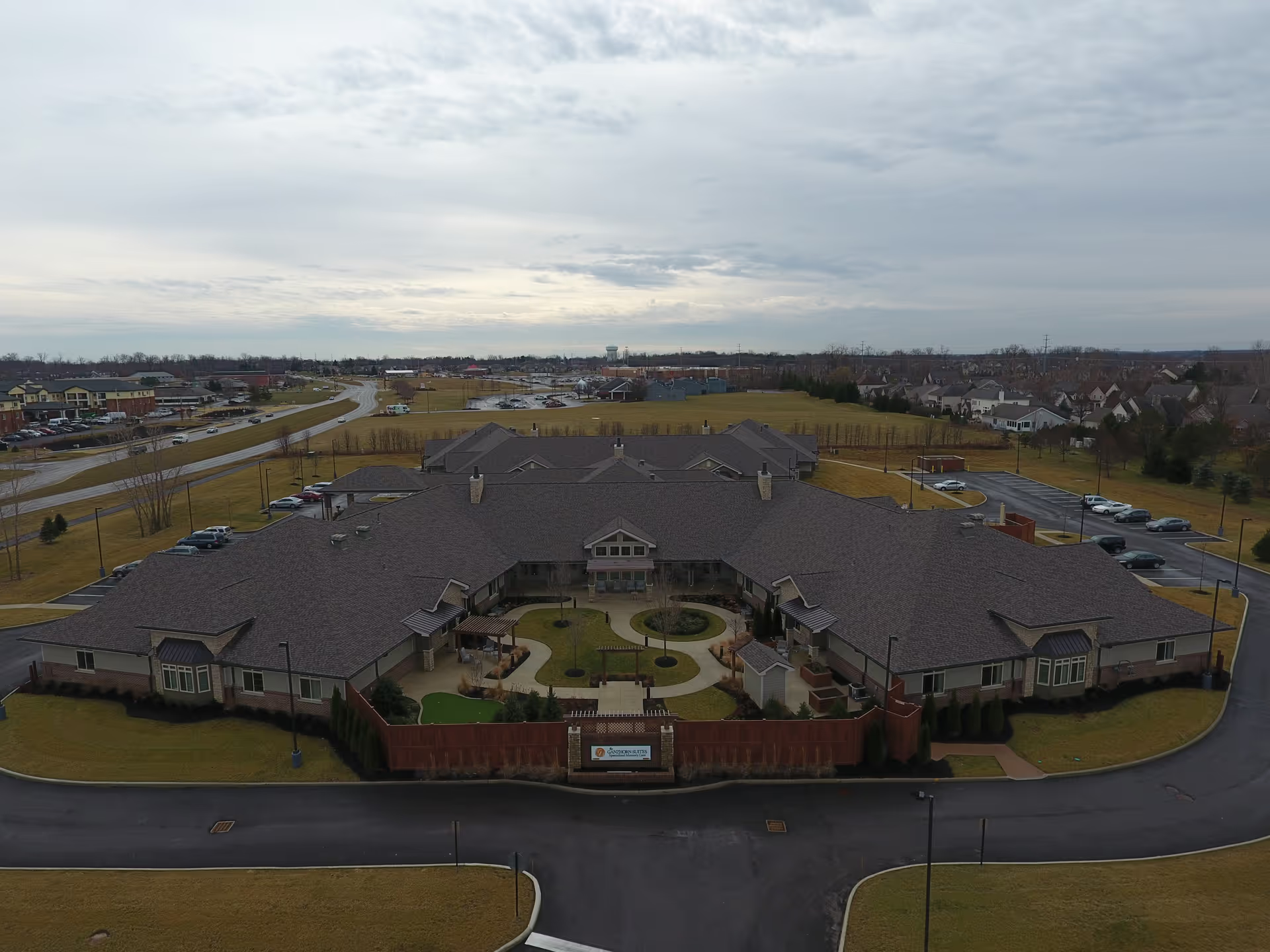
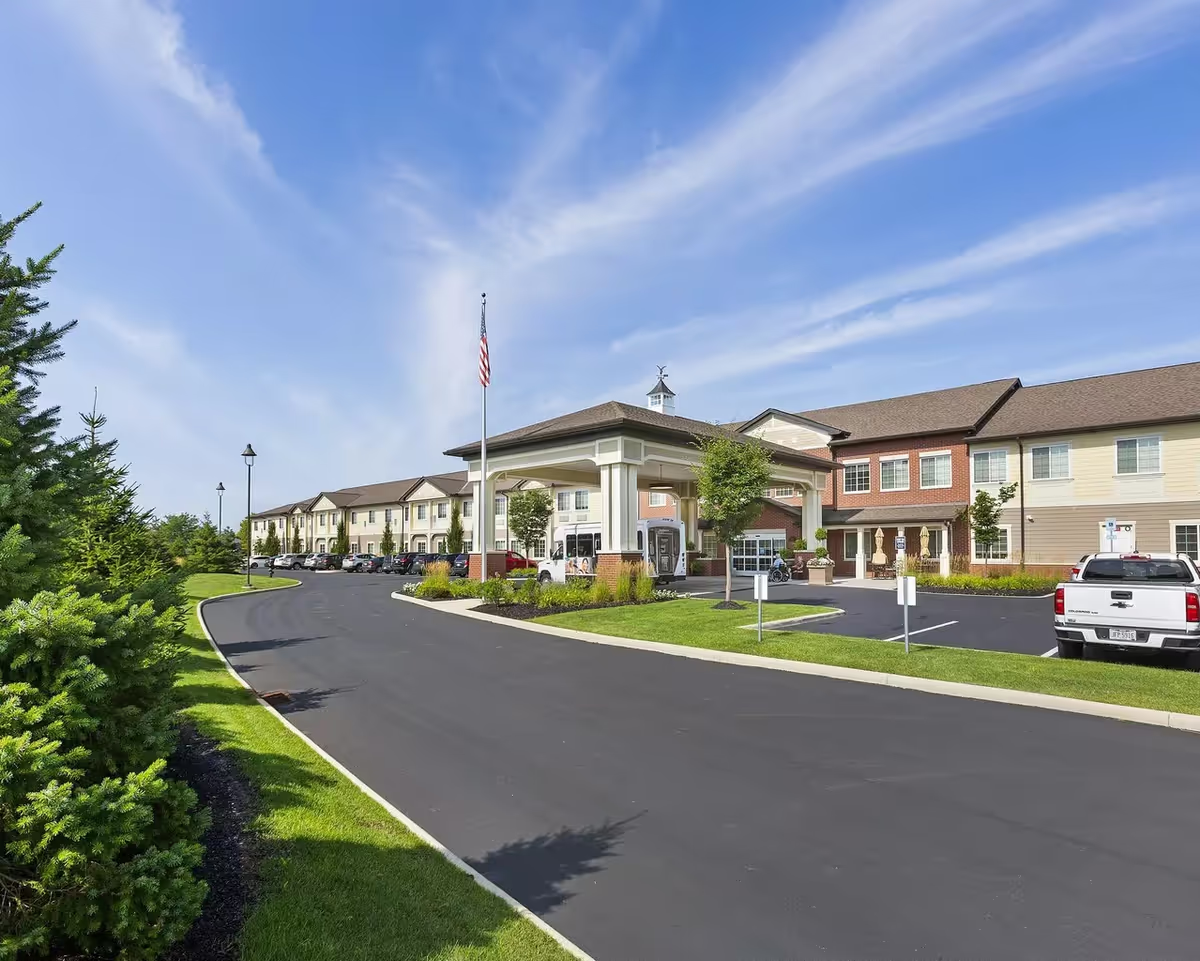
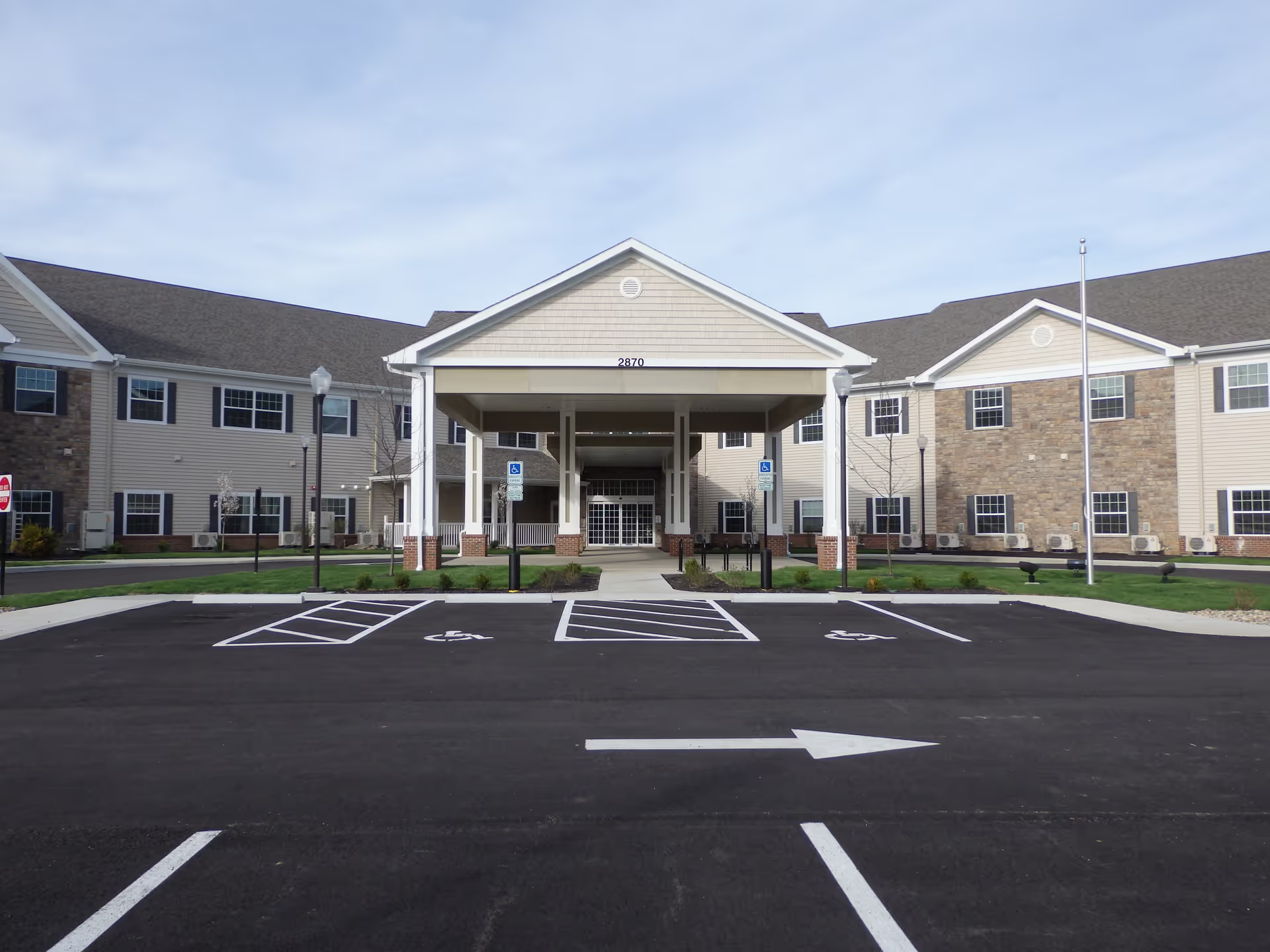
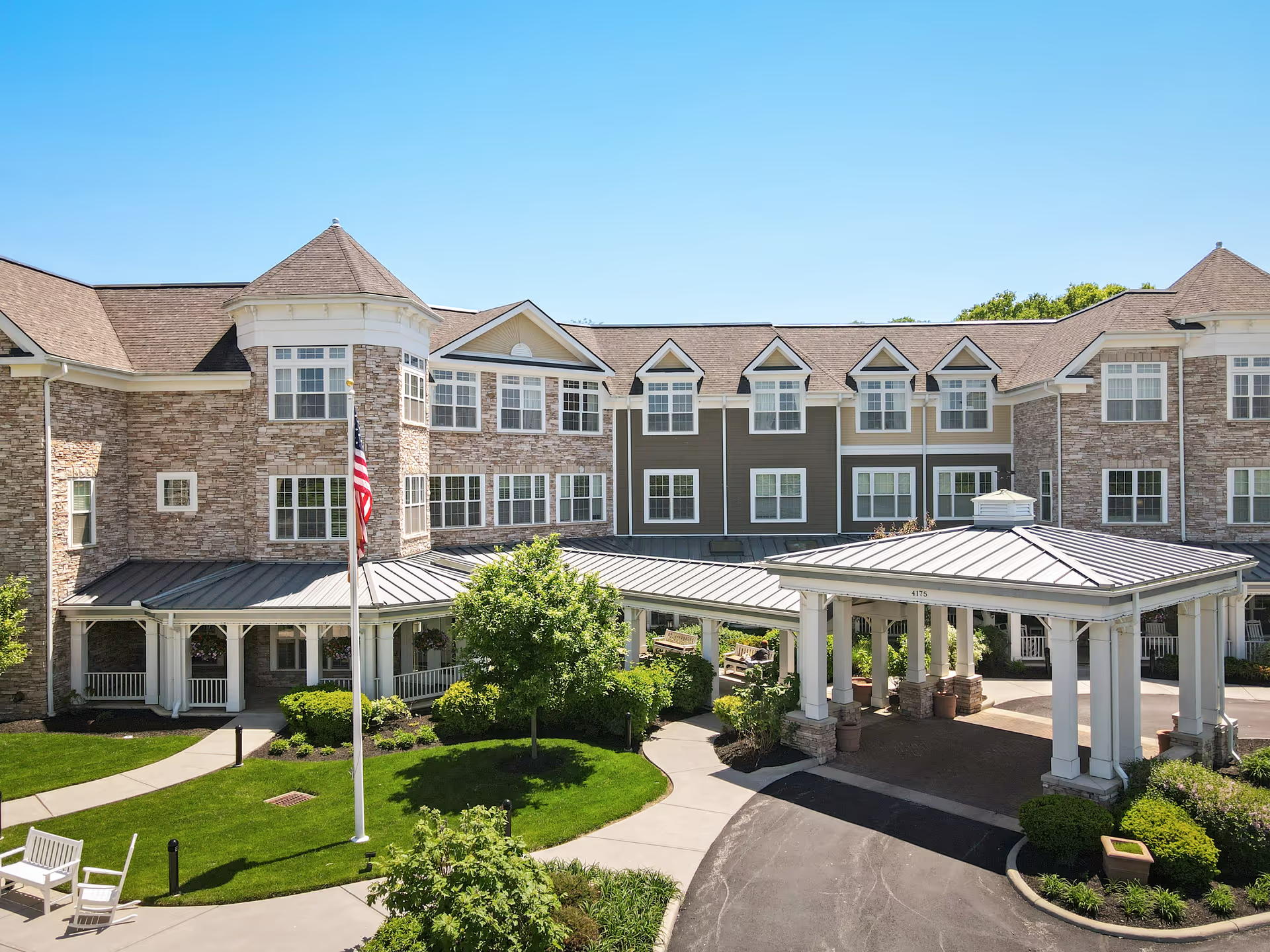
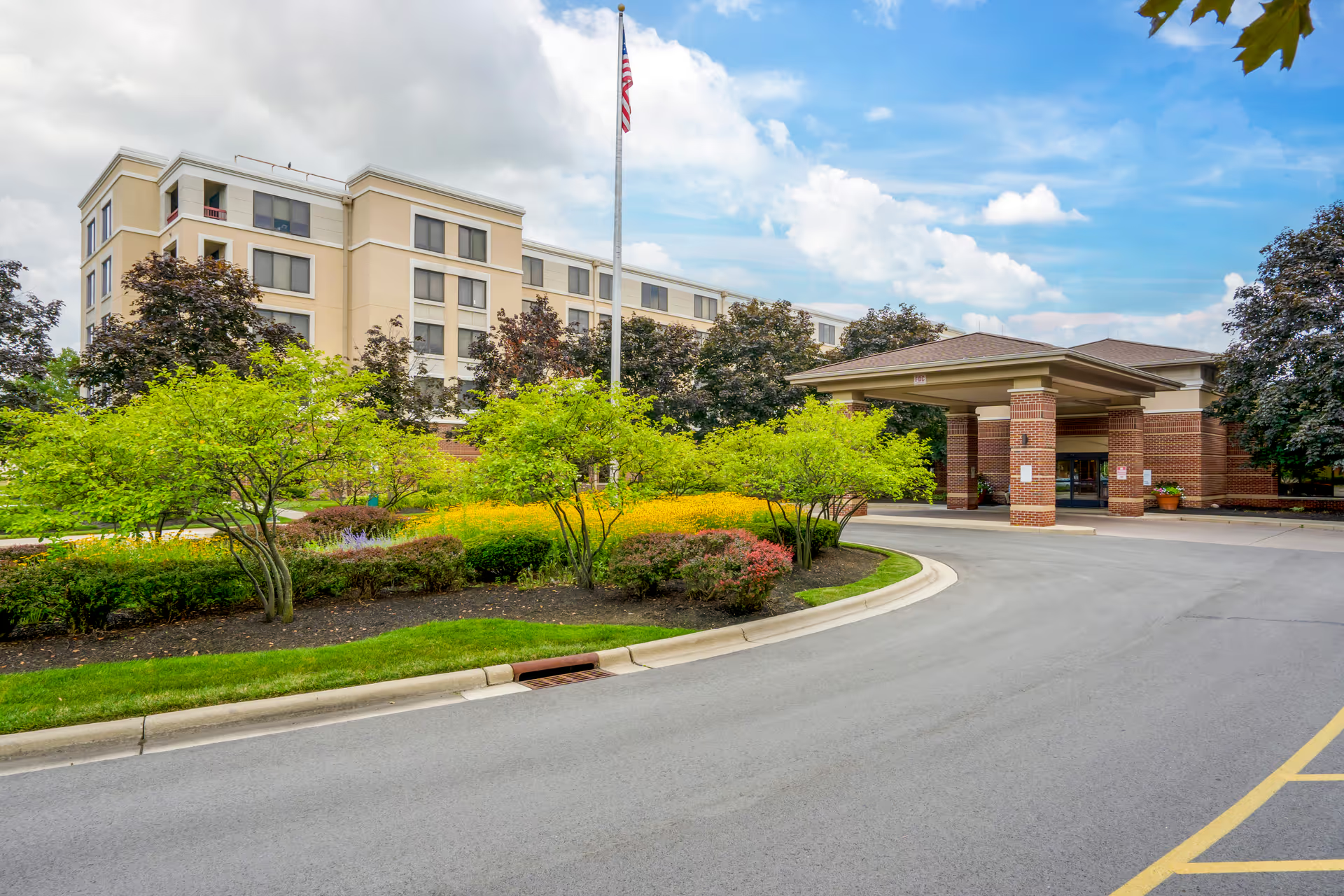
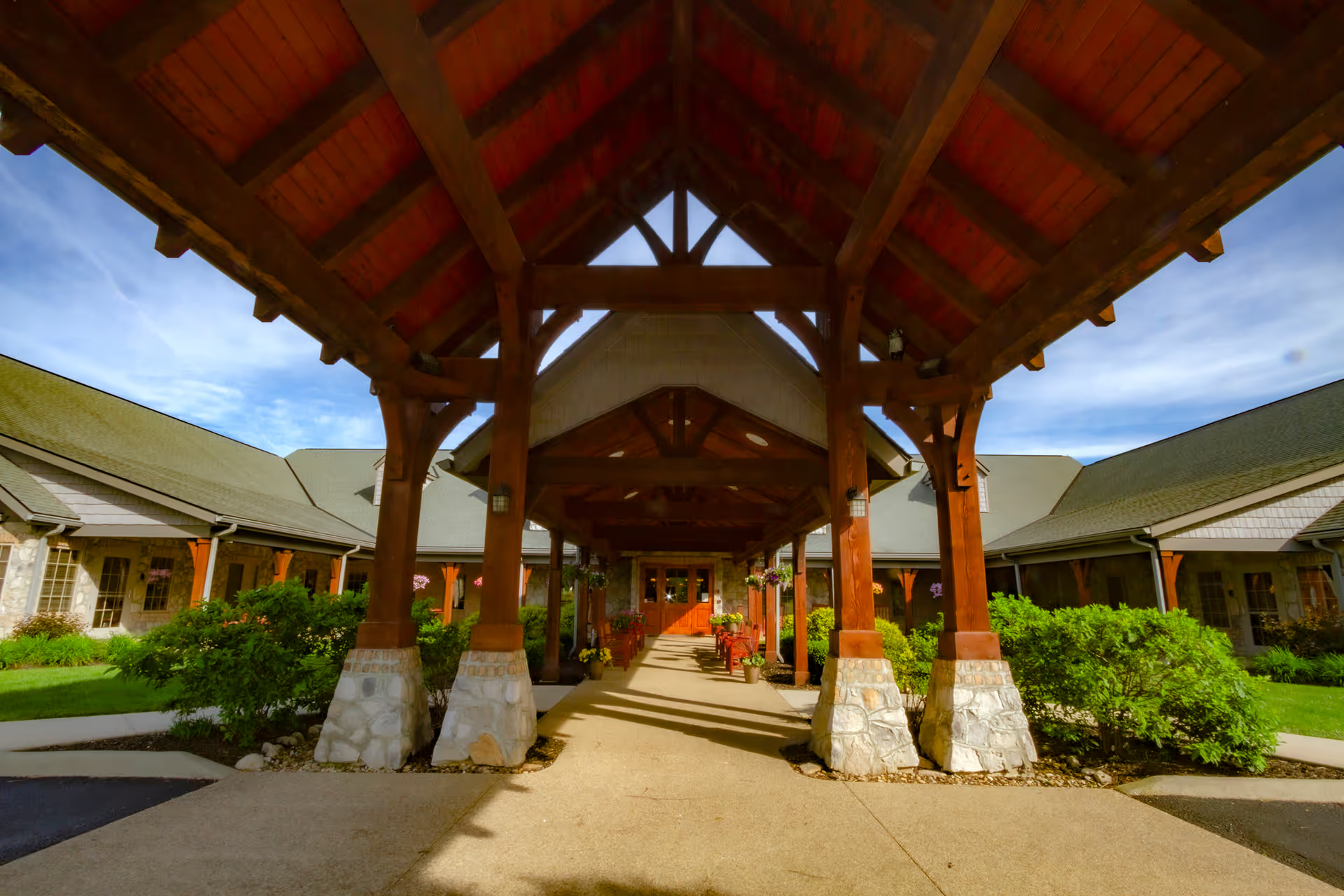
Facilities and maintenance: The building, grounds, and apartments are frequently described as modern, well-maintained, and attractive. Outdoor patios and walking areas are appreciated. Maintenance responsiveness is noted as prompt in many accounts, though a few comments describe slower follow-up on repairs. Memory-care capacity is described as small; families should assess availability and staffing levels in that unit if memory support is required.
Management and operations: Leadership and specific directors receive praise for responsiveness and resident advocacy in multiple accounts, yet there are consistent themes of communication breakdowns between the care team, management, and families. Operational pain points include billing and refund delays, time-consuming paperwork, and occasional lack of clarity about policies. There is at least one serious allegation involving theft and consequent restitution; this raises questions about financial controls and incident reporting procedures and merits direct inquiry.
Notable patterns and takeaways: The facility demonstrates clear strengths in hospitality, therapy, activities, and physical environment, producing many strongly positive resident experiences. Conversely, inconsistent staffing, variable care quality on different shifts, communication lapses, dining consistency issues, and operational/financial handling weaknesses are recurring concerns. Prospective residents and families would benefit from targeted questions during a tour: current staffing ratios and turnover statistics, protocols for incontinence and personal care, medication and incident-reporting practices, dining accommodations and meal-temperature controls, and the facility’s processes for billing, refunds, and financial oversight. These checks will help determine whether the facility’s strong culture and amenities align with an individual resident’s clinical and operational needs.