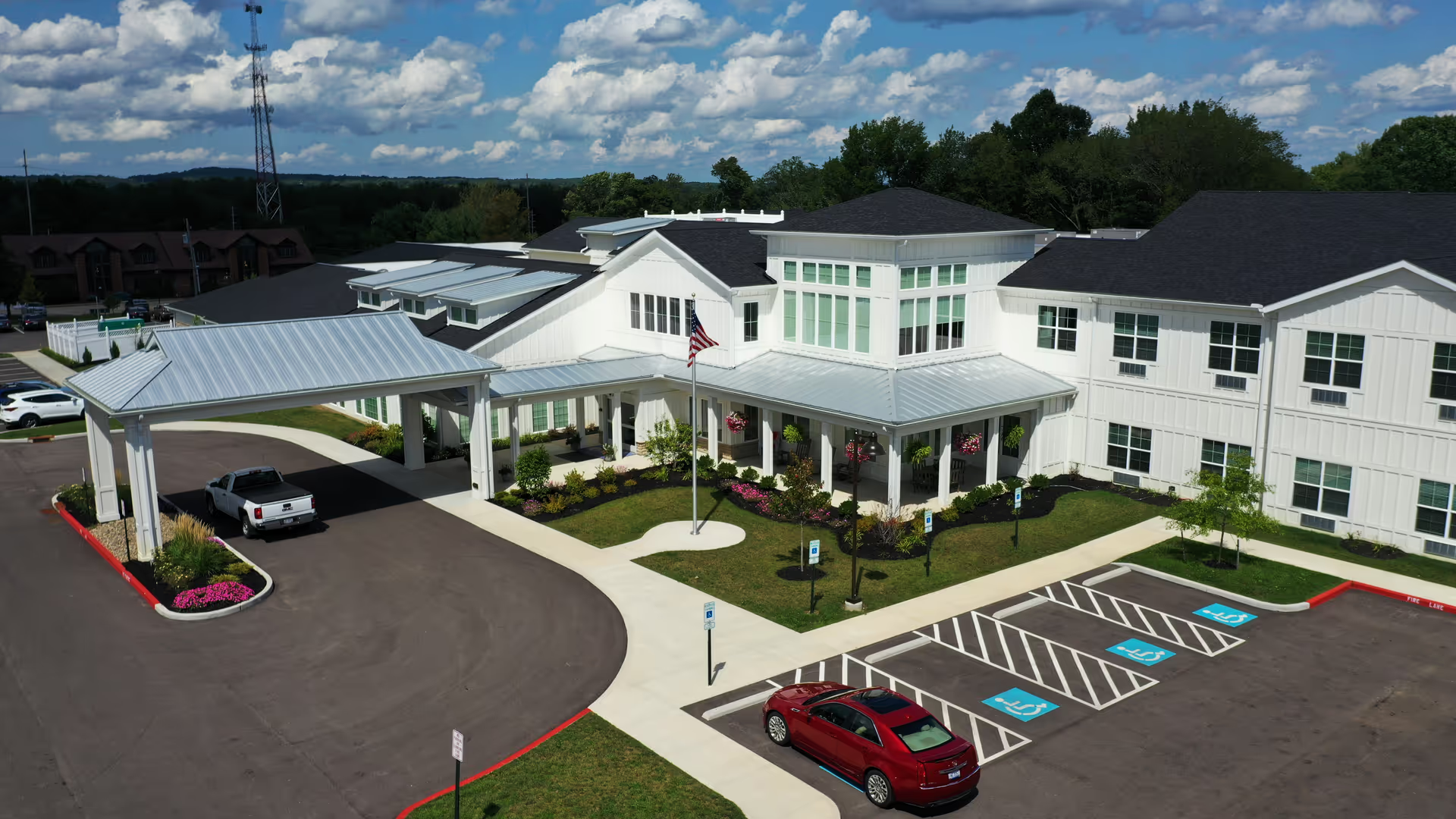
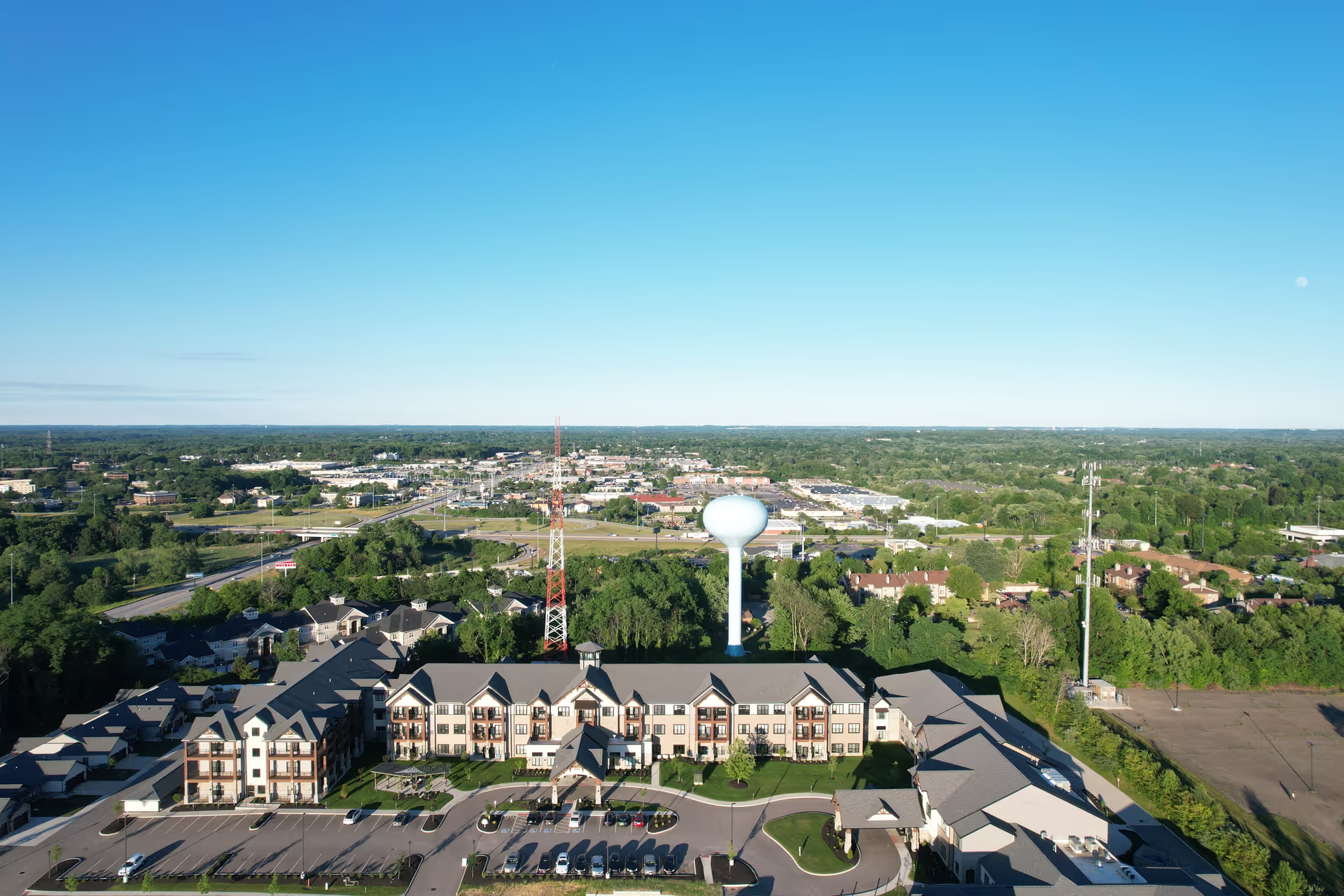
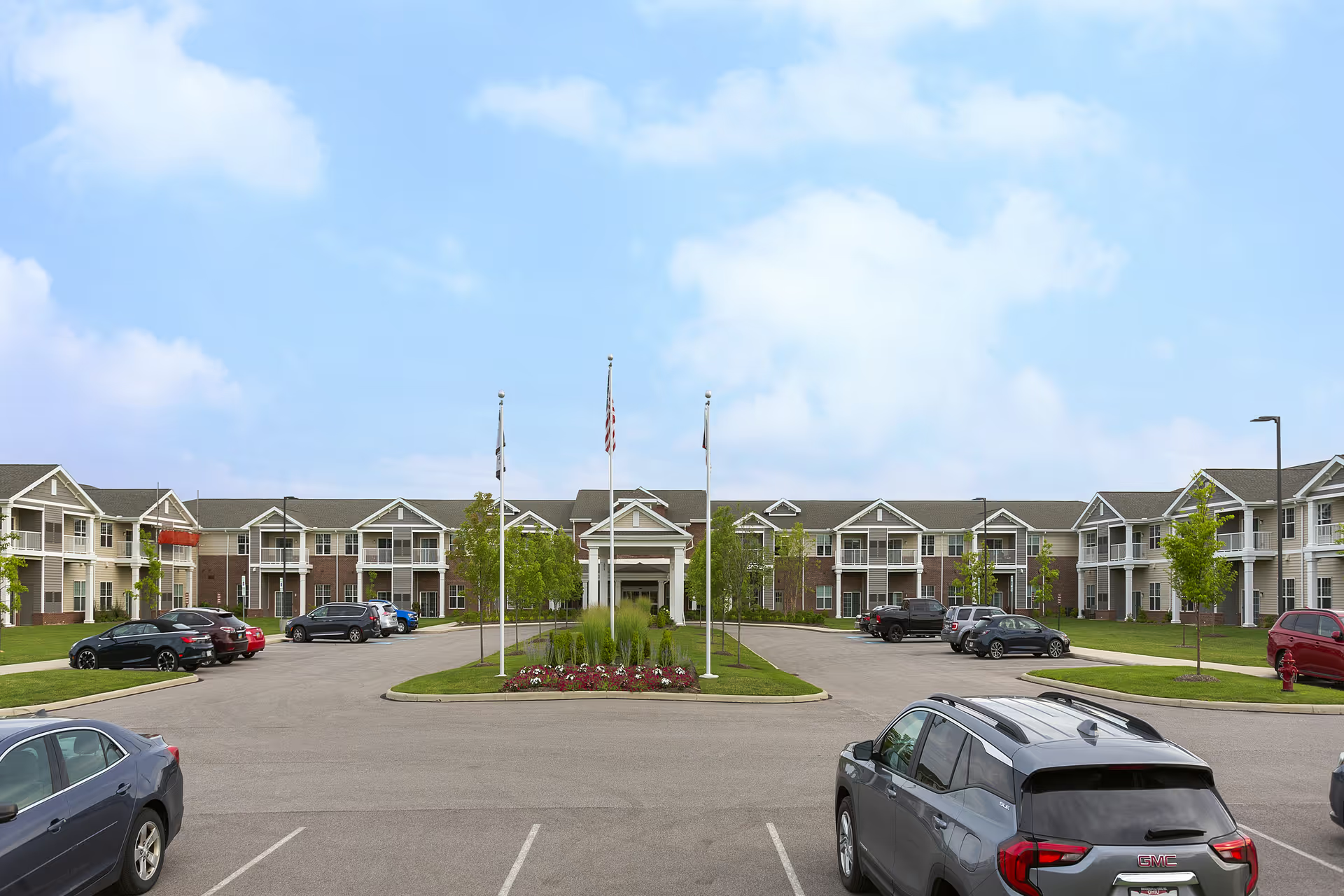
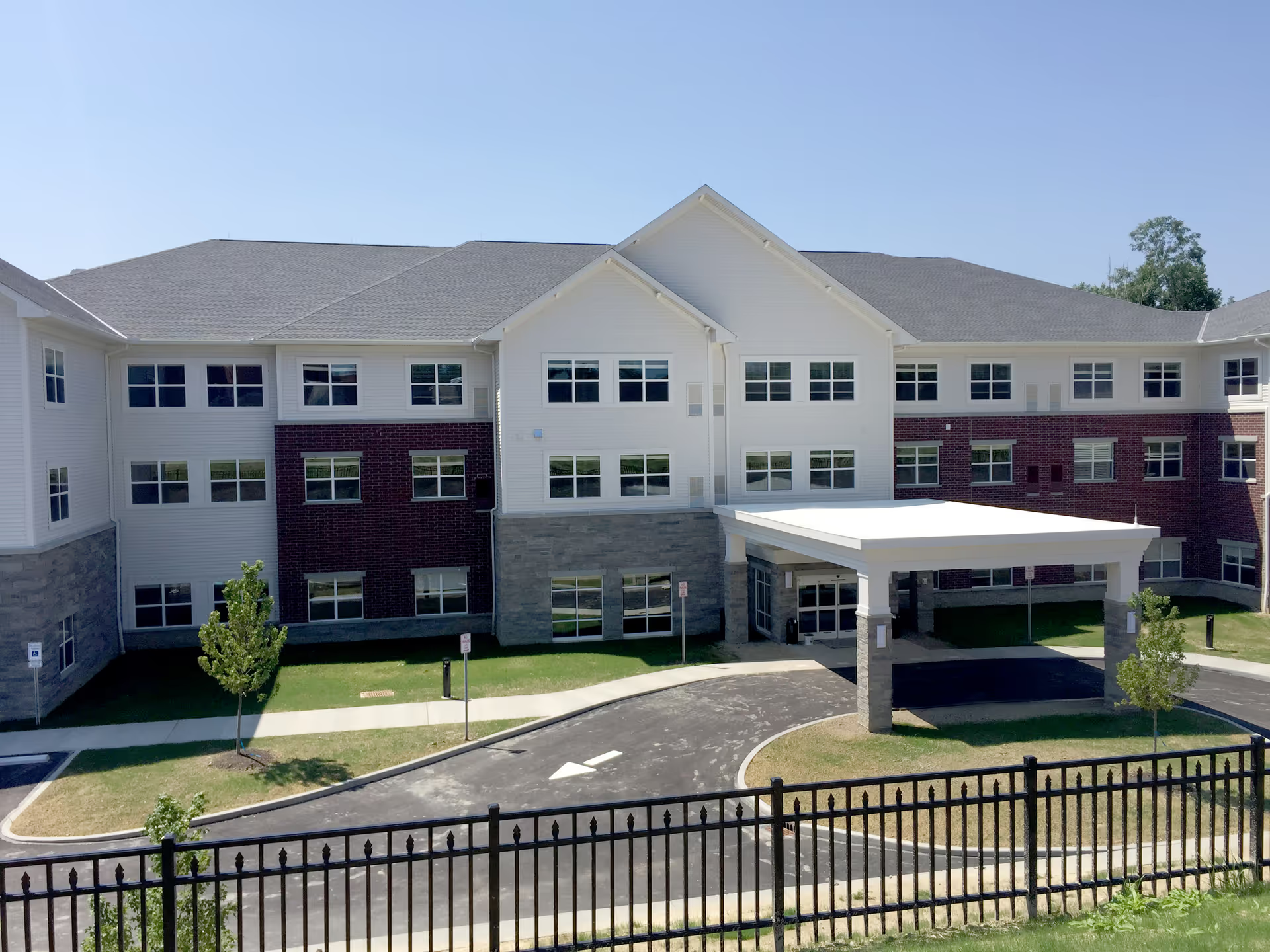
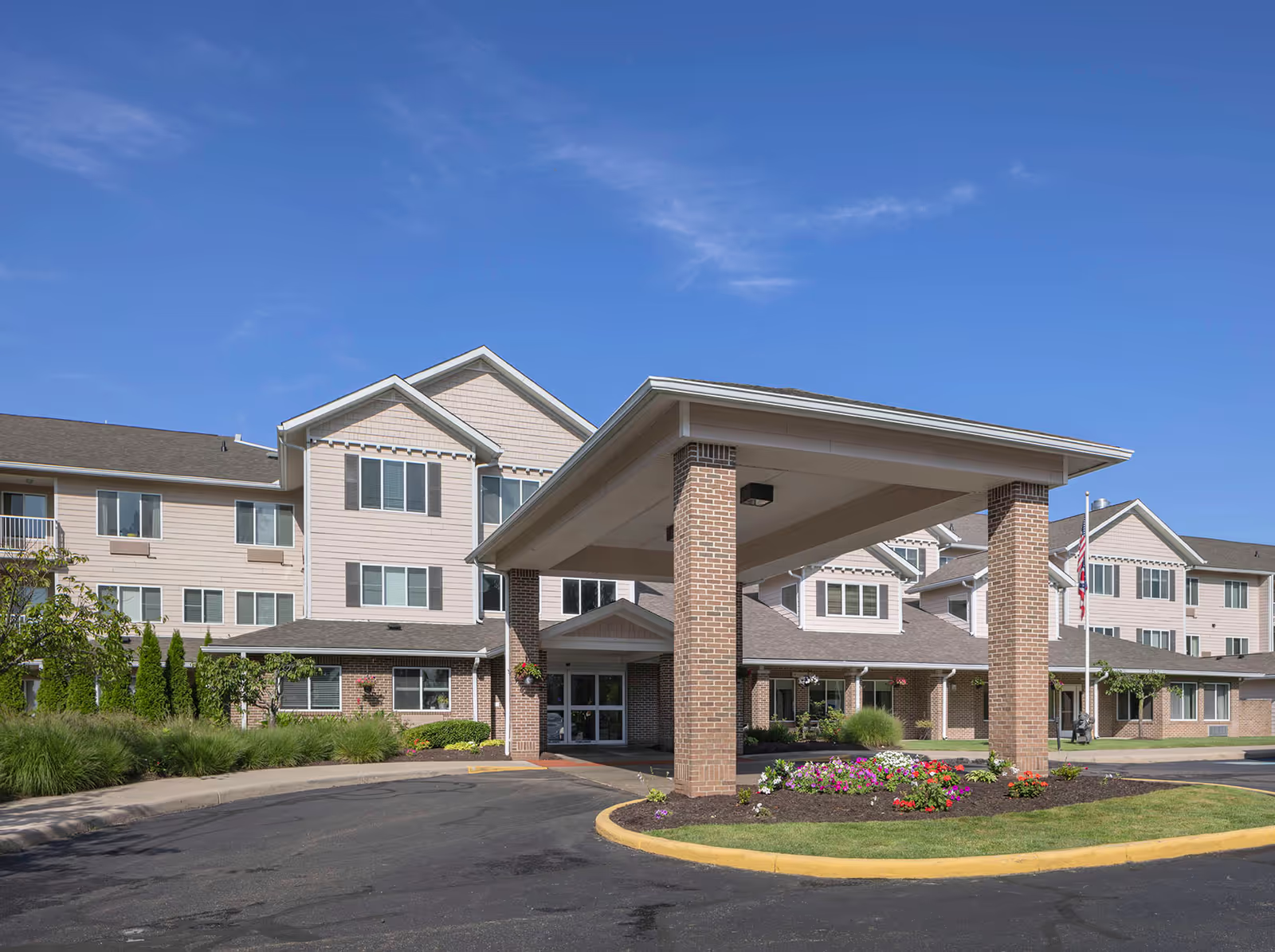
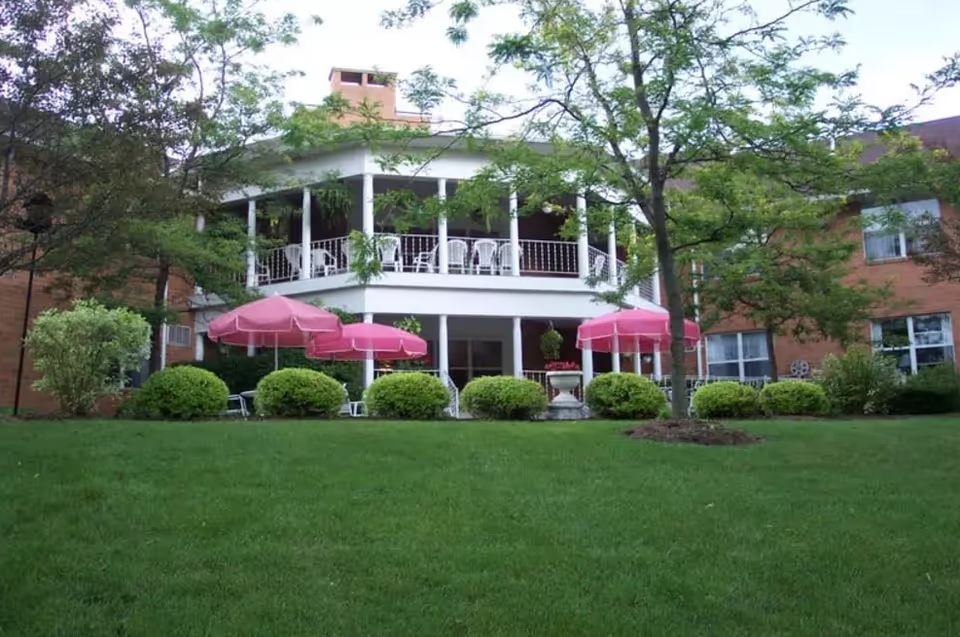
The Inn at Apple Ridge is consistently described as a well-appointed, hospitality-style senior living community with strong curb appeal and thoughtfully designed indoor and outdoor spaces. Reviewers emphasized a clean, modern environment with scenic mountain views and attractive courtyard features such as water elements, an aviary, and a fish tank. Common areas—including a chapel, home theater, pub-style gathering spaces, and fireplaces—contribute to a warm, resort-like atmosphere that many families find comforting.
Care and staffing are among the property’s clear strengths. Staff are frequently characterized as welcoming, attentive, and family-oriented; management is often described as hands-on and responsive. Many families cite smooth move-ins, helpful admissions staff, and ongoing check-in calls that support transitions. Direct-care staff and activities personnel receive regular praise for compassionate interactions and for creating an engaged, uplifting environment. That said, reviewers also described variability in clinical performance across shifts; this suggests differences in staff consistency that prospective families should evaluate during a visit.
Dining and nutrition attract mixed feedback. The community offers menu variety and nutritious options, and several families said residents enjoy the food. Other comments highlighted inconsistent seasoning and occasional weaknesses in presentation or freshness; requests for fresh fruit and attention to dining-area pest control were specifically noted. There are also occasional logistics items, such as outside-delivery coordination, that may require clarification with staff.
Activity programming is a prominent positive: the facility offers an active calendar with table games, bus outings, courtyards games, pub parties, and social events that many residents enjoy. Activities staff are described as encouraging and inclusive, and family participation is welcomed. These programs appear to support social engagement and a lively community culture.
Operational considerations include the community’s private-pay-only business model and associated high cost, which limits access for families relying on Medicaid. Other operational patterns mentioned by families include occasional delays in maintenance repairs, inconsistent front-desk responsiveness, traffic noise affecting some units, and visitor restrictions or communication impacts during infection-control events. A few reviewers referenced falls or related safety incidents; while not establishing a pattern, these comments point to the importance of asking about fall-prevention protocols and post-incident communication policies during a tour.
Overall, the Inn at Apple Ridge presents as a high-amenity, hospitality-minded community with strong programming and an engaged staff culture. Prospective residents and families should weigh the premium cost and private-pay model against the facility’s amenities, and during visits they should probe clinical-staffing consistency, dining protocols (including pest-control and produce freshness), maintenance-response expectations, and specific safety and infection-control procedures. These targeted questions will help determine fit between the community’s strengths and an individual resident’s clinical and financial needs.