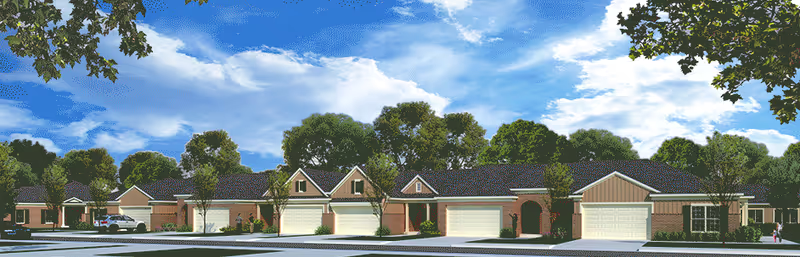
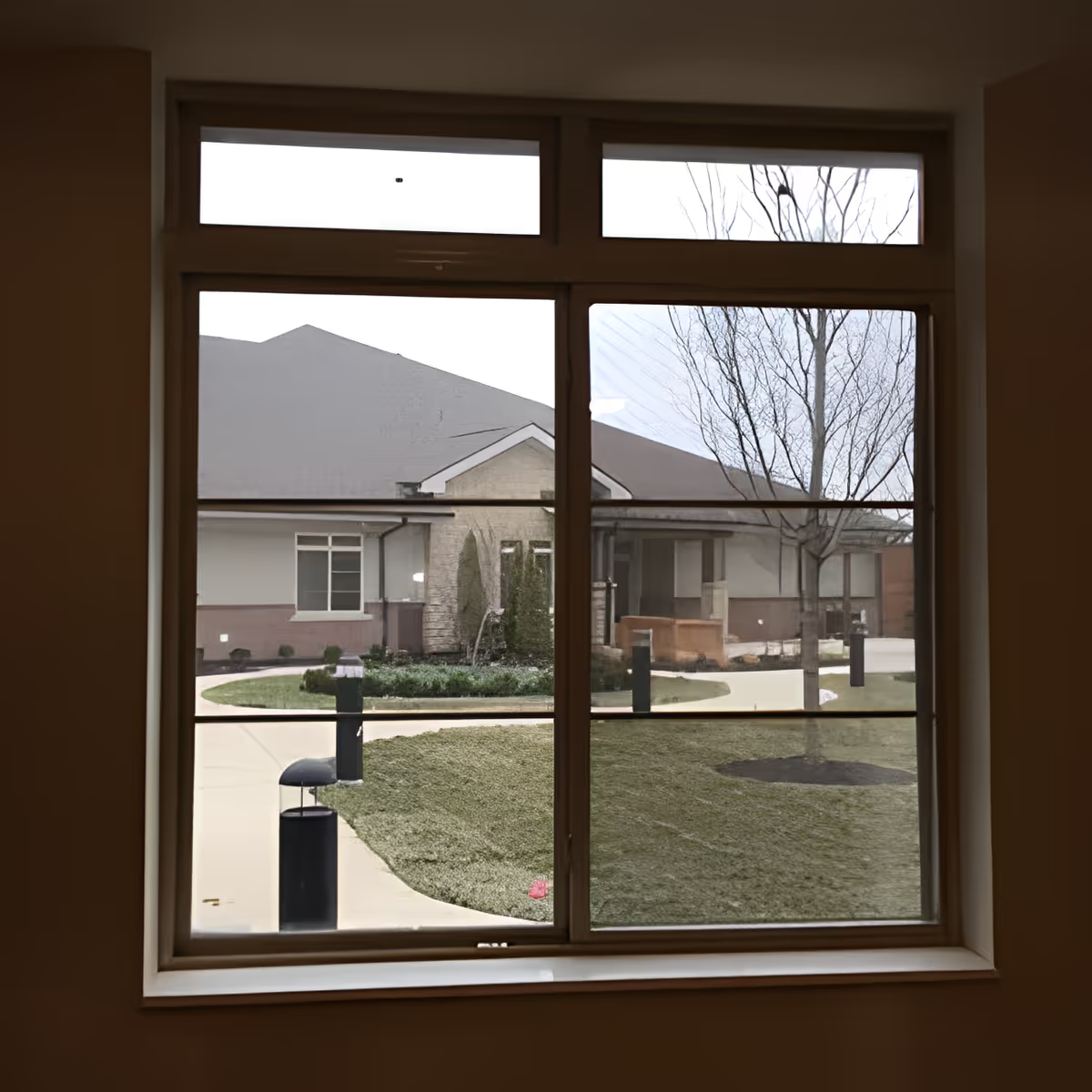
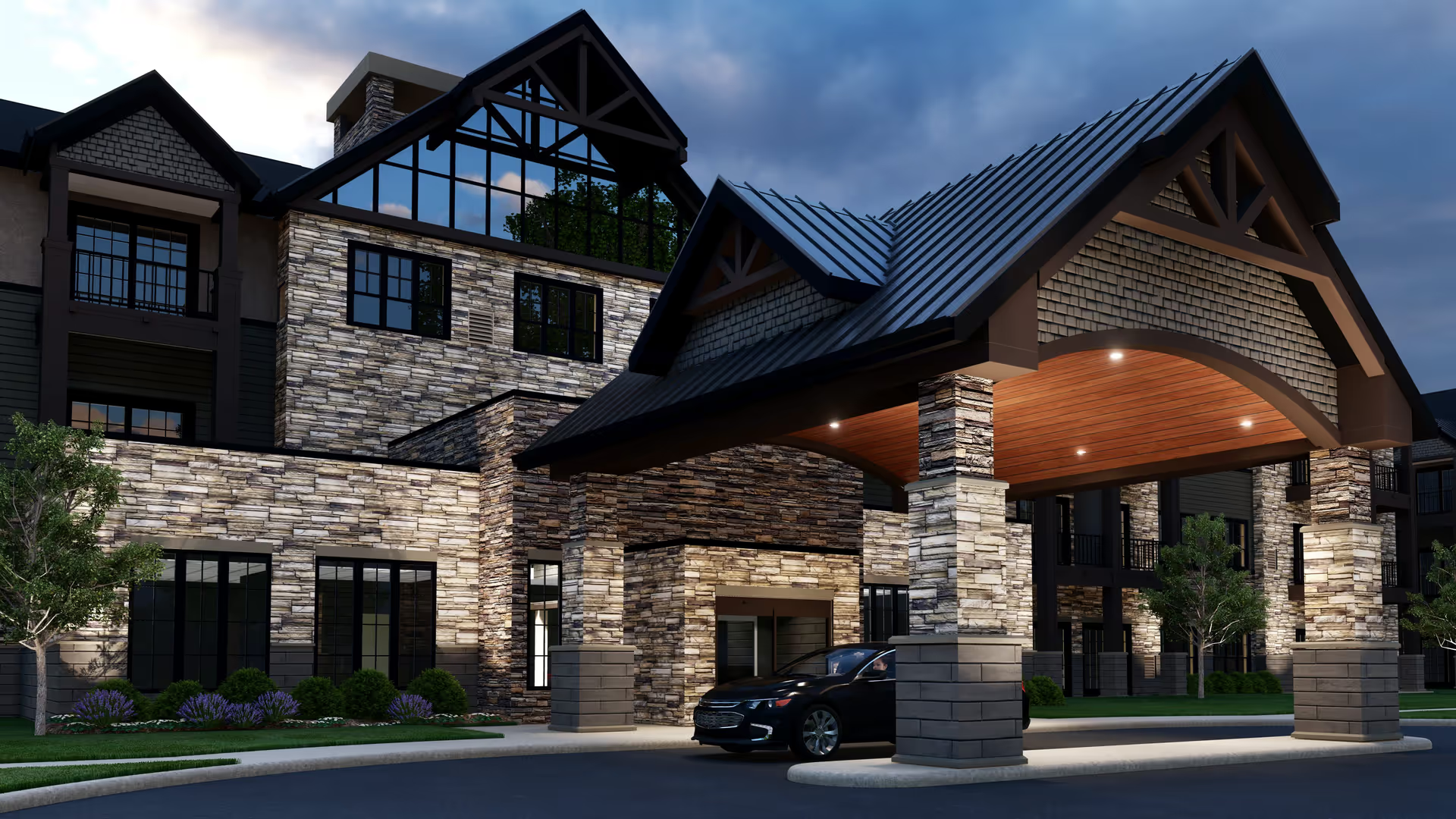
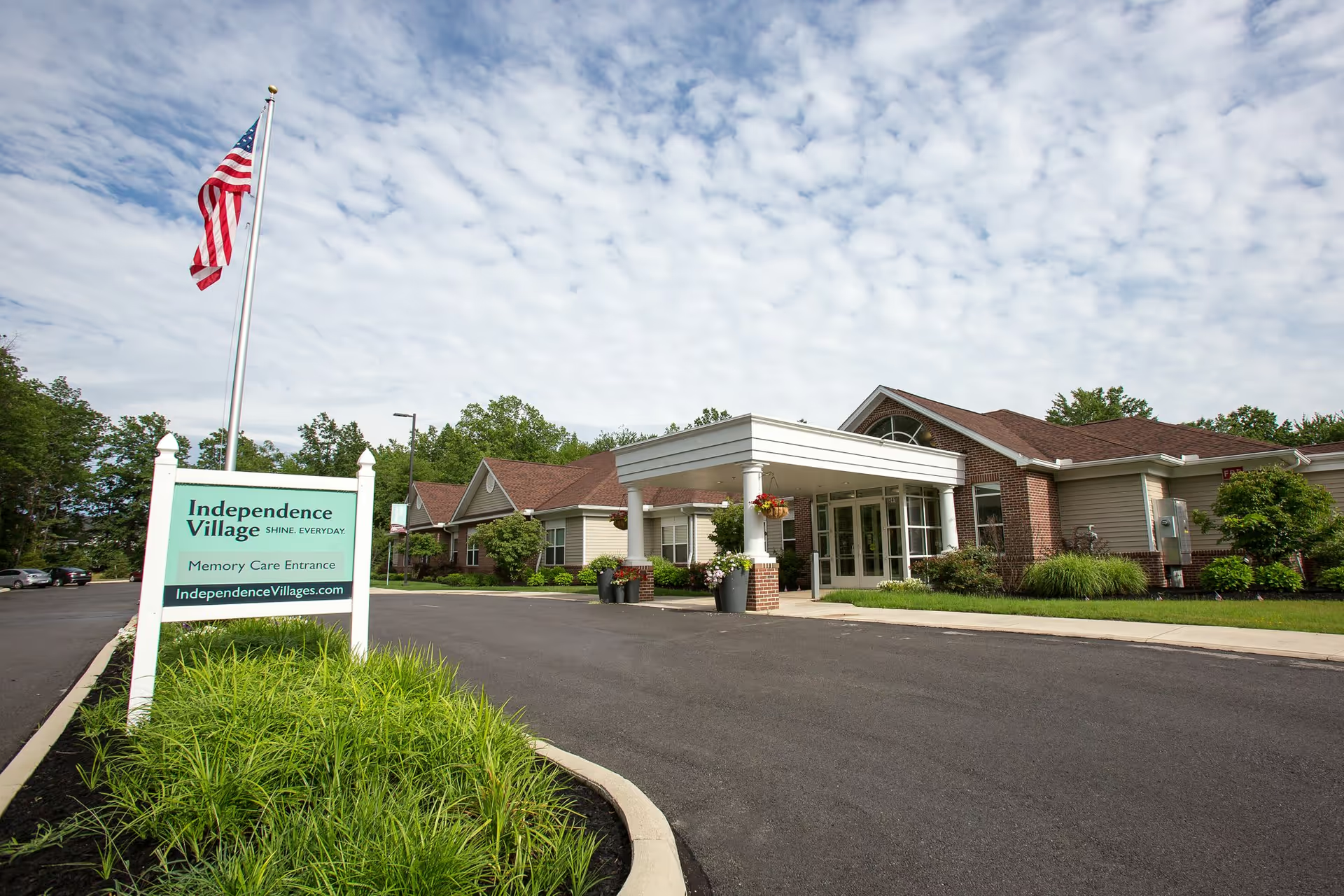
Overall impression: Reviews present a mixed but specific pattern. Many families and visitors describe Bickford of Rocky River as a small, home-like community with a clean, well-maintained interior and a welcoming, bed‑and‑breakfast atmosphere. Staff interactions are frequently highlighted as a strength: caregivers, nurse aides, and some managers are described as compassionate, familiar with residents’ names, and engaged in person-centered interactions. The facility offers a range of on-site amenities (beauty shop, spa room, laundry), outdoor spaces, and common areas that are attractive and bright, which supports a residential feel rather than an institutional one.
Care quality and staffing: Positive comments emphasize individualized attention, strong therapy services, and helpful hospice coordination. However, a recurring operational concern is staffing stability. Review patterns indicate episodes of high turnover, reliance on agency employees, and variability in responsiveness to resident needs. These staffing dynamics manifest as inconsistent care continuity and occasional delays in assistance during meals or other routine needs. Prospective families should assess current staffing ratios, turnover rates, and on-shift skill mix during a tour.
Dining and activities: The community runs an active programming schedule — exercise classes, arts and crafts, bingo, movie nights, and social events such as ice-cream socials — and many reviewers note that staff organize visits and entertainment. That said, activity participation appears uneven: some residents engage regularly while others remain disengaged. COVID-related restrictions were described as reducing activity levels for periods of time, though online/digital updates and vaccination efforts were noted positively by some. Dining receives mixed feedback: several reviewers praise the dining-room atmosphere and social meals, while others describe bland food, small portion sizes, or limited dining times. Ask for current menus, sample meals, and participation data if dining quality is a priority.
Memory care and facility layout: The community offers a memory-care unit, which some families view as a valuable option. At the same time, concerns have been raised about the memory-care environment being darker, feeling more institutional, and lacking clear separation from assisted living in some areas. Apartments across the campus tend to be compact; reviewers frequently cite small efficiency suites and limited two‑bedroom/2‑bath options, and some units lack full kitchens. Infrastructure constraints such as a single slow elevator and relatively small common spaces were also mentioned and may affect mobility and social flow.
Management, communication, and business practices: Experiences with management are polarized. Several accounts praise engaged directors and personalized move-in support, while other accounts describe leadership instability, communication breakdowns with families, and operational missteps. There are also serious family-level allegations regarding move-in billing and financial handling; these are individual claims that warrant direct verification. Families should request written explanations of fees, a clear move-in timeline, and references from recent move-ins.
Notable patterns and recommendations: Strengths cluster around staff warmth, the intimate community scale, cleanliness, and available amenities. Weaknesses concentrate on staffing consistency, management communication, variable dining, limited apartment size options, and constraints in memory-care ambiance and transportation. For prospective residents and families, recommended due diligence includes confirming current staffing ratios, touring the memory-care neighborhood during active hours, observing activity engagement, sampling meals, and reviewing billing/move-in policies in writing. These checks will help determine whether the facility’s positive interpersonal culture outweighs the operational limitations for a specific resident’s needs.