Rockport Retirement Community elicits a broadly mixed but often positive picture: many families and residents praise the staff’s warmth, long tenure, and individualized attention, along with a clean, home-like atmosphere and well-liked meals. Reviewers commonly highlight homemade or chef-prepared food, social opportunities that helped residents become more engaged, and apartment-style rooms with kitchenettes and accessible bathrooms. Affordability and a family-like culture are recurring strengths, and several accounts note smooth move-ins and consistent communication from specific staff members who help coordinate transitions.
Care and clinical services receive generally favorable comments for routine assistance and attentive nursing oversight. At the same time, there are repeated concerns about the facility’s ability to manage higher-acuity clinical needs. Several families described delays in clinical escalation or emergency response, and some felt the community was not well suited to residents requiring complex, fragile-care support. Prospective residents should clarify clinical staffing levels, on-call coverage, and transfer-response procedures when evaluating fit for higher-acuity needs.
Staffing and management present a contrast: many reviewers emphasize compassionate, familiar staff who know residents’ preferences and provide personalized care, while others cite inconsistent communication, unreturned calls, and instances where family interactions with management were unsatisfactory. Admissions and billing transparency is another theme—Rockport is regarded as value-oriented, but some families reported undisclosed or nonrefundable fees and uncertainty around Medicaid and payment policies. Asking for a written fee schedule and clear explanations of memory-care payment rules is advisable.
Dining and activities are generally viewed as strengths, with positive remarks about meal quality, the dining experience, and social programming that encourages engagement. However, reviewers also mentioned crowding in the dining room, assigned seating, and variability in the quantity and organization of activities; some families wanted more consistently organized, accessible programming. Those prioritizing an especially active daily schedule should request a sample activities calendar and observe a mealtime visit.
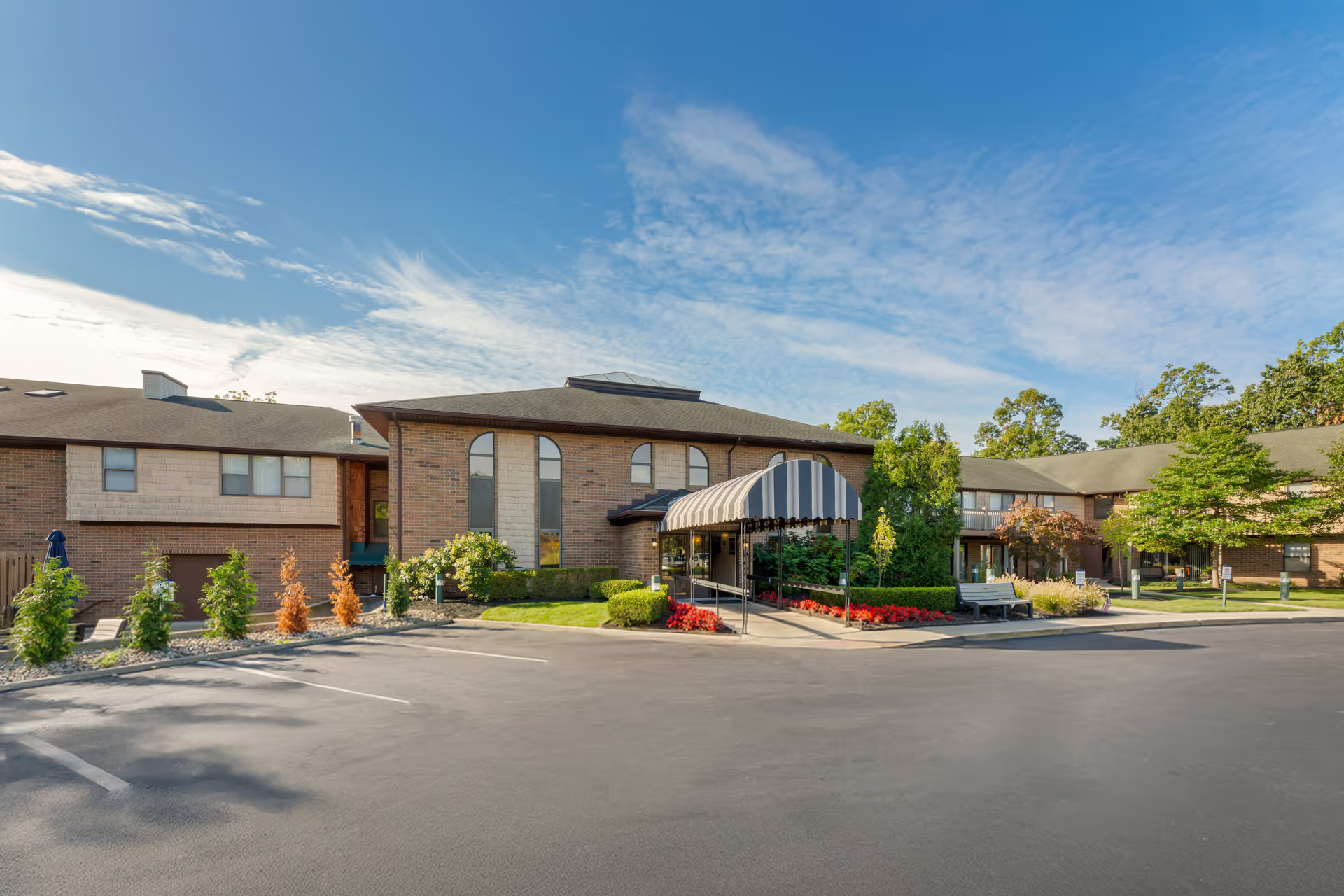
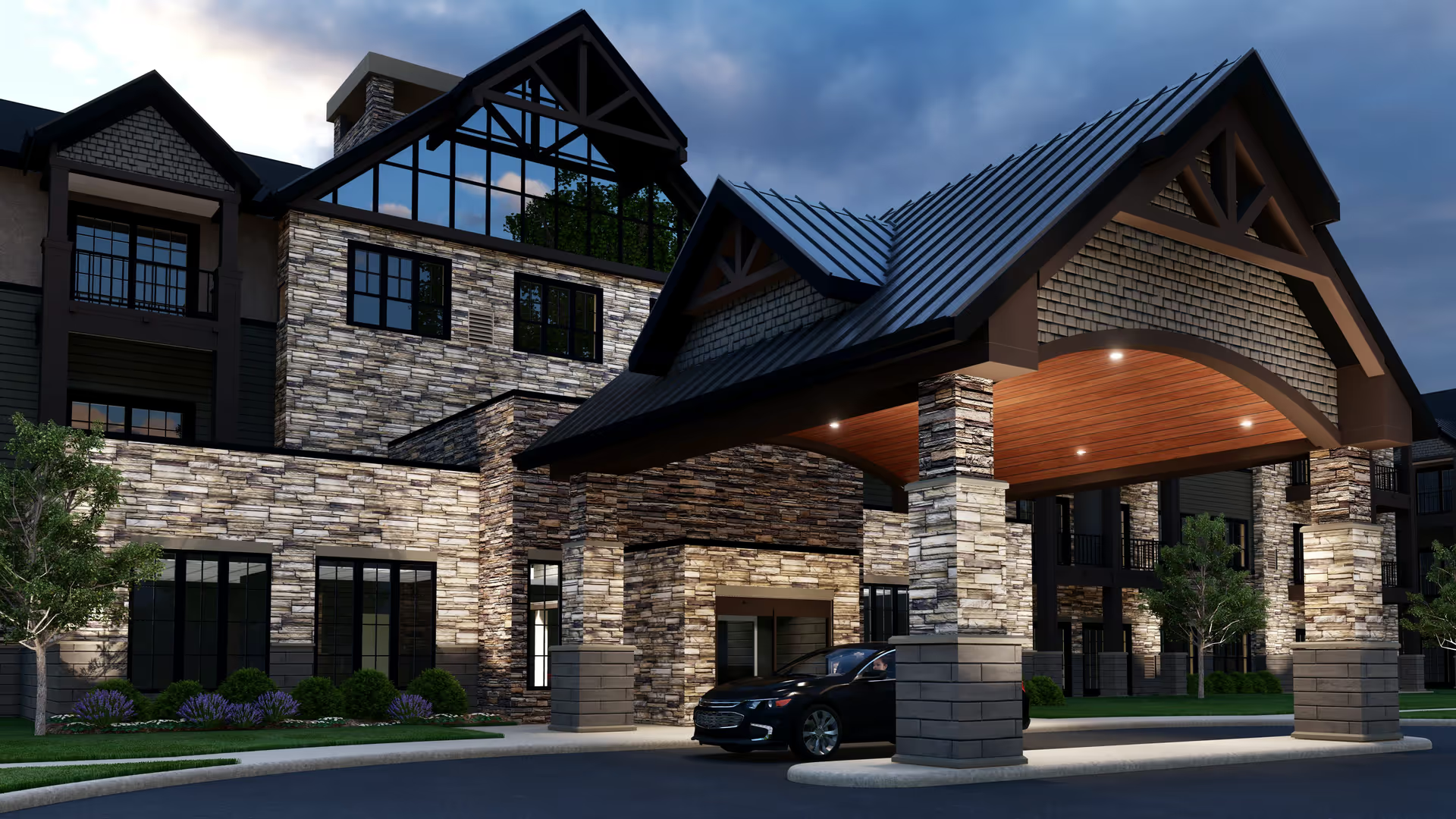
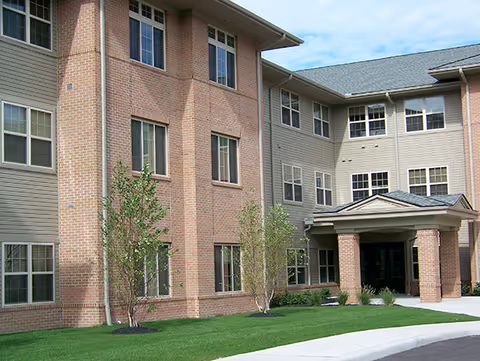
The physical plant reflects the community’s history as a converted motel. Positive notes about cleanliness and certain large rooms coexist with observations about outdated finishes, long narrow hallways, an older elevator, and occasional odor concerns in lobbies and corridors. Accessibility can be limited by tight doorways and layout constraints; families with mobility or wheelchair needs should verify unit dimensions and circulation paths.
In summary, Rockport may be a good match for residents who prioritize compassionate staff, affordable pricing, home-style meals, and social connection in a smaller, family-oriented setting. Those evaluating the community should balance these strengths against facility-age issues, potential staffing variability, and limits on managing higher-acuity or publicly funded memory-care placements. Practical next steps for prospective families: schedule an unhurried tour that includes a mealtime, review written staffing and emergency-response protocols, obtain a detailed fee schedule and Medicaid policy statement, and meet clinical leadership to confirm the community’s ability to meet the specific medical needs of the prospective resident.