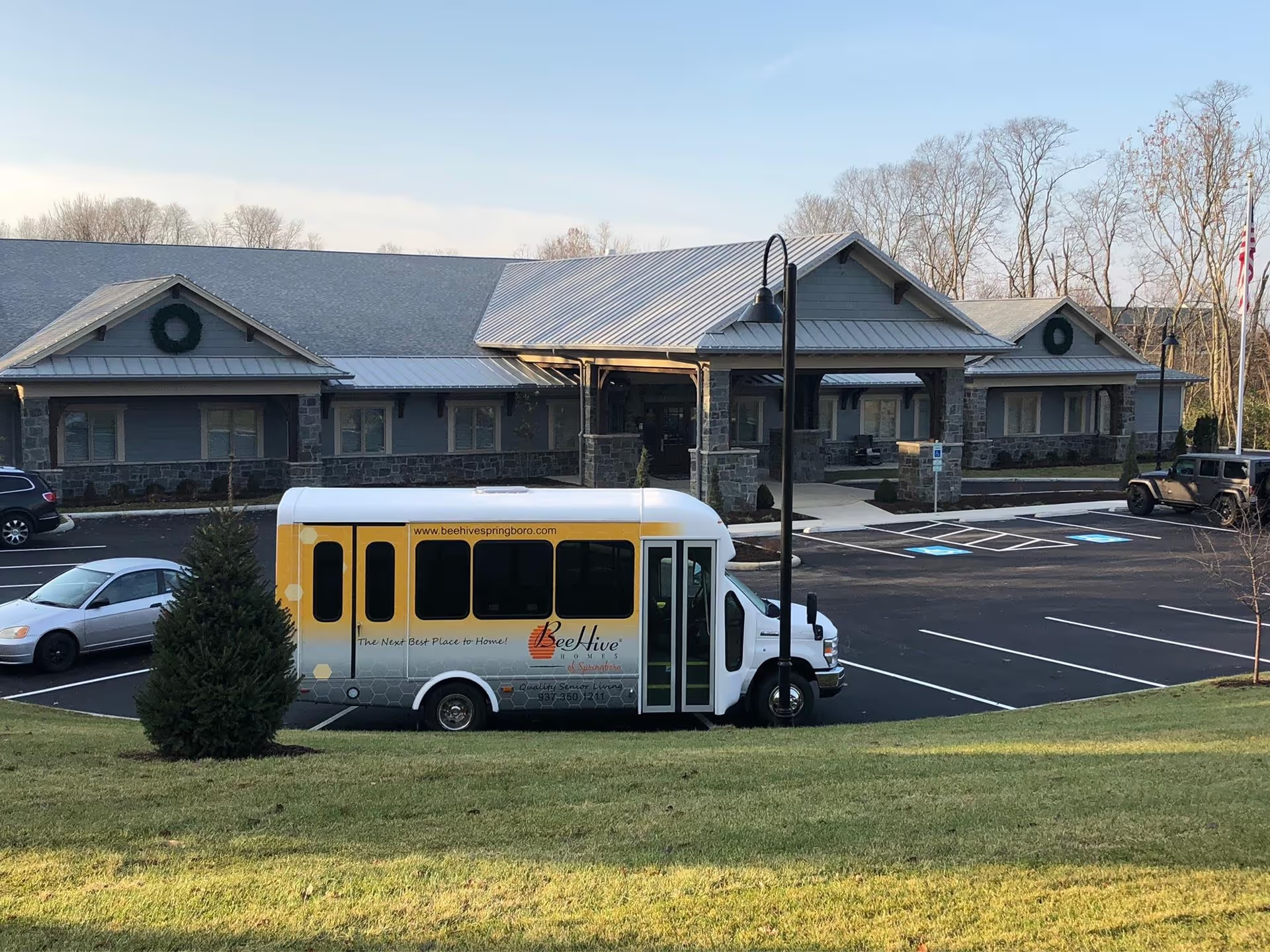
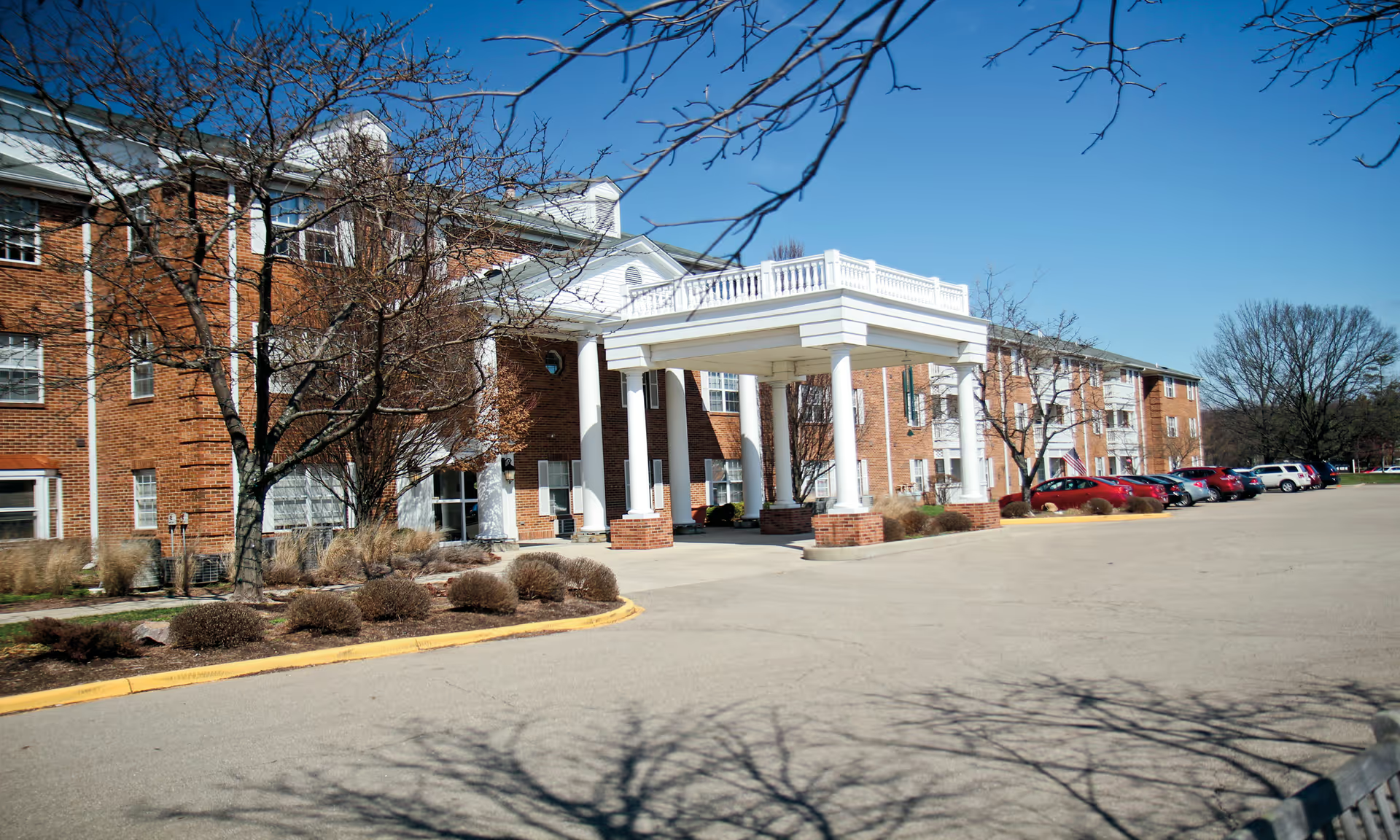
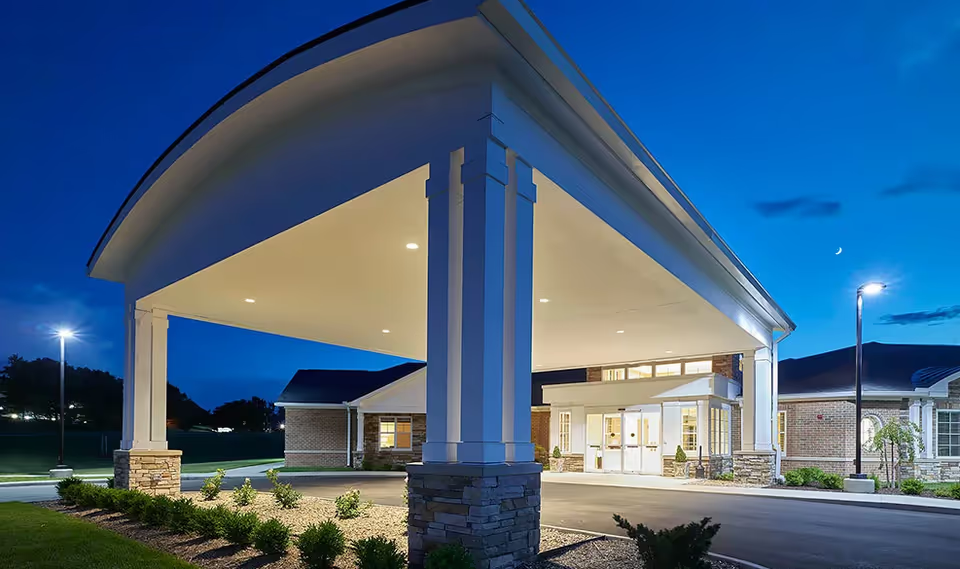
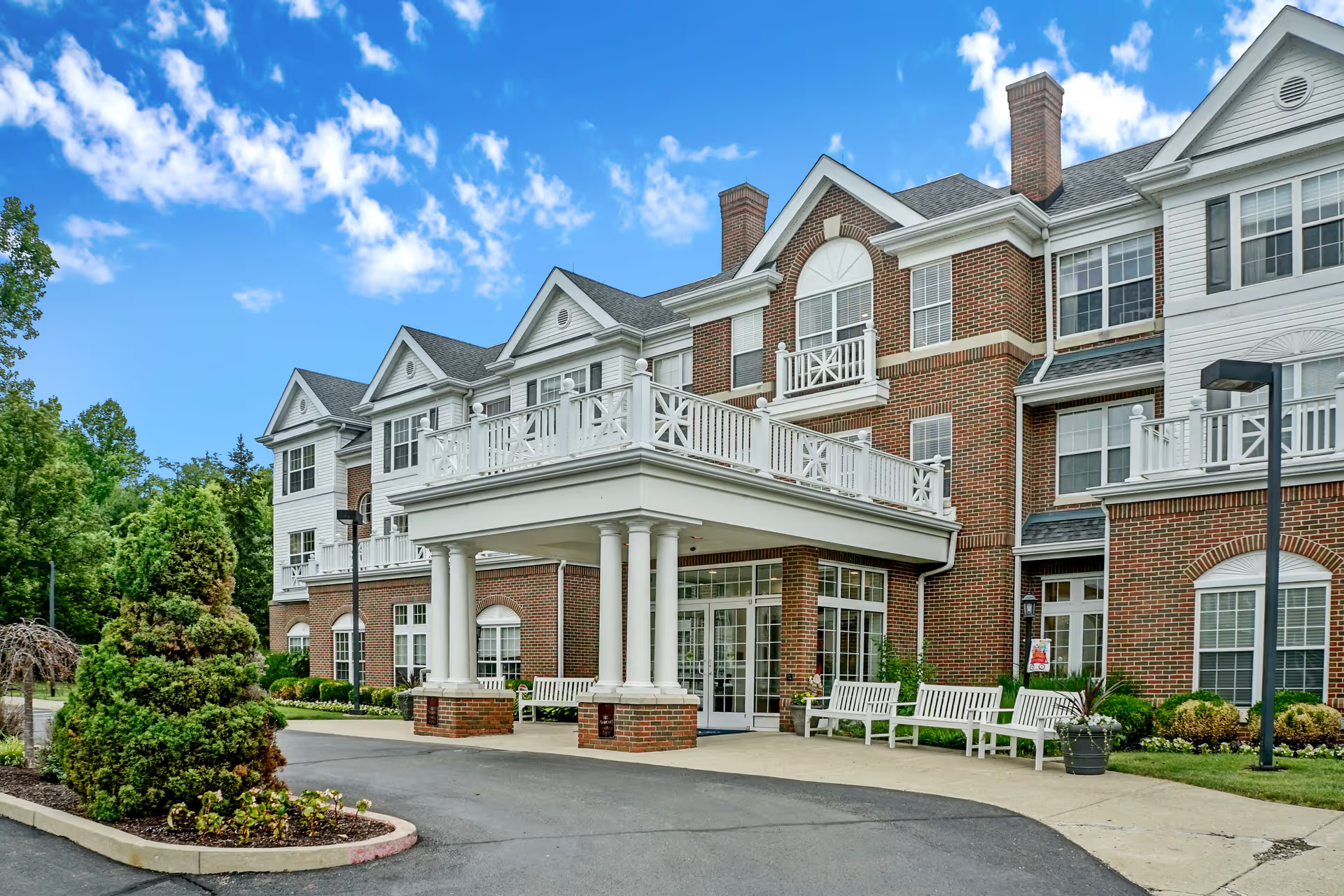
Overall impression: Reviews portray Tapestry Senior Living Springboro as a well-appointed, newer community with many amenities and a generally positive resident experience, particularly around communal spaces, apartment quality, and dining concept. Families and residents frequently describe the building as clean, light-filled, and comfortable, and note that apartments include practical features such as built-in kitchens and full-size refrigerators. The facility’s on-site amenities — salon, rooftop garden, gym, library, and dedicated arts/crafts rooms — are commonly cited as strengths that support social engagement and quality of life.
Care and staff: The dominant positive theme is staff compassion and attentiveness. Many reviewers praise nursing and caregiving teams for individualized care, sympathetic interactions, and a welcoming front desk. Clinical strengths highlighted include accommodating clinical services and forward-thinking support for technologies such as insulin-pump management. That said, there are recurring operational concerns related to staffing stability and training. Several accounts point to high turnover, use of agency aides (especially on weekends), and inconsistency in personal-care delivery. More serious family concerns include examples of medication-administration problems and care mistakes; these suggest gaps in clinical oversight or training that prospective families should explore during visits and care-plan discussions.
Dining: Dining is a mixed but generally favorable area. Many reviewers compliment chef-prepared meals, an open-menu ordering model, and attentive dining-room service. Others — including some family members — express dissatisfaction with particular meals or dining experiences, and a few note acoustics or noise in the dining room that can affect mealtime comfort. Clarifying current dining procedures, delivery options, and how special dietary needs are accommodated may help set expectations.
Activities and social life: The community offers a range of activities (bingo, book club, crafts, exercise classes) and opportunities for new friendships; reviewers often attribute positive adjustment to these social offerings. At the same time, activity participation and program scale are described as uneven, and several commenters note that activity and exercise rooms are fairly small. Prospective residents who prioritize a robust program should inquire about current schedules, participation levels, and planned expansions.
Management and operations: Experiences with admissions and move-in are mixed. Where the move-in coordinator is engaged, families describe smooth transitions; however, a number of reviewers recount disorganized move-in days and lapses in communication from admissions or management. Marketing and sales efforts are described as strong, but there are periodic concerns about management–family communication, blame-shifting during problem resolution, and transparency around rent or fee increases. Financially, the facility’s acceptance of Medicaid from day one and the availability of a veterans discount are notable positives for affordability.
Notable patterns and guidance: The community’s clear strengths are facility condition, amenities, chef-driven dining options, and a core of compassionate caregivers. The principal operational risks prospective families should evaluate are staffing stability, medication-management practices, weekend coverage, and admission/move-in coordination. During a tour or meeting, ask for current staffing ratios, agency-staff usage patterns, medication-administration policies, examples of staff training, procedures for move-in coordination, and documentation about recent fee adjustments. Those steps will help reconcile the largely positive facility features with the intermittent operational concerns described by families.