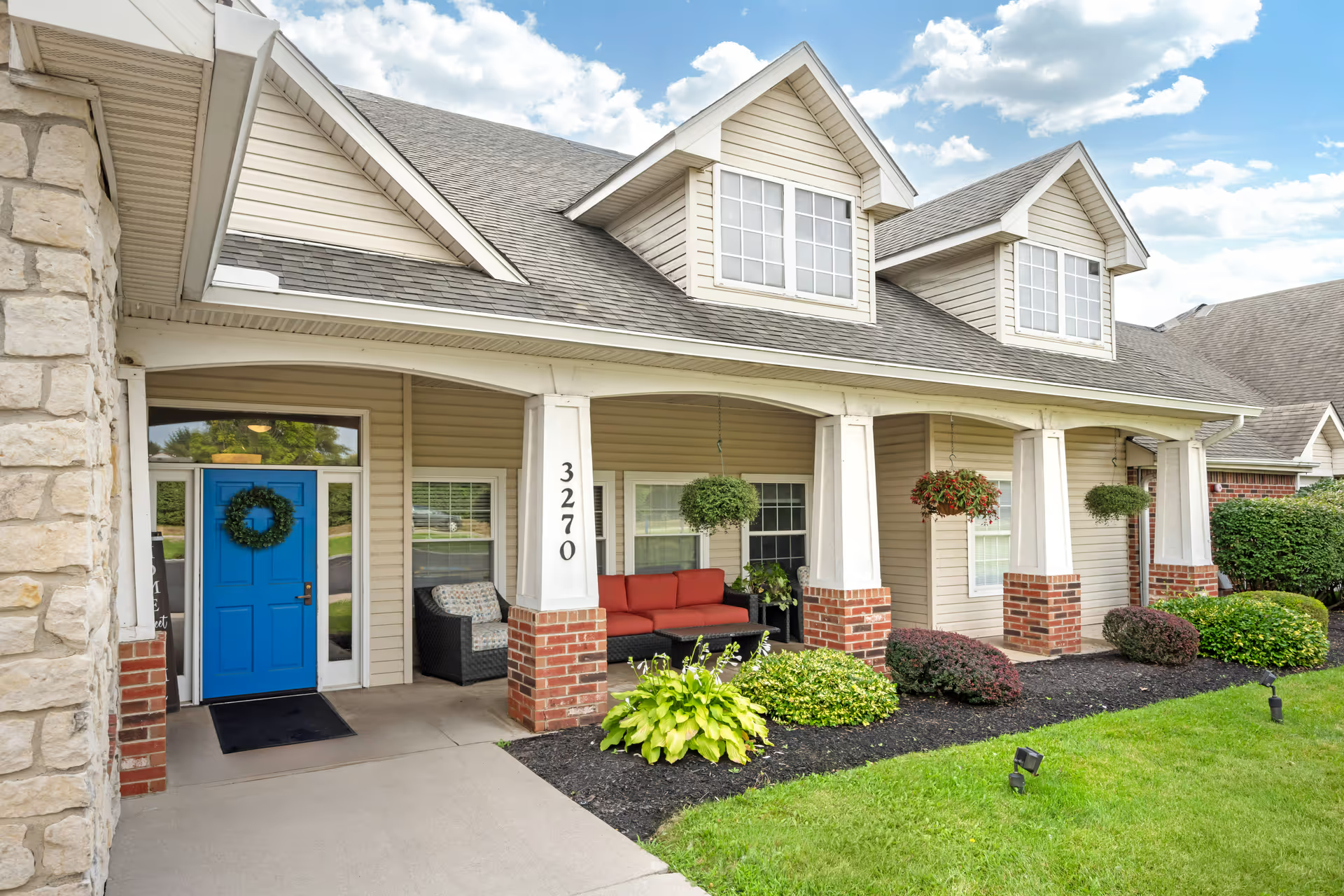
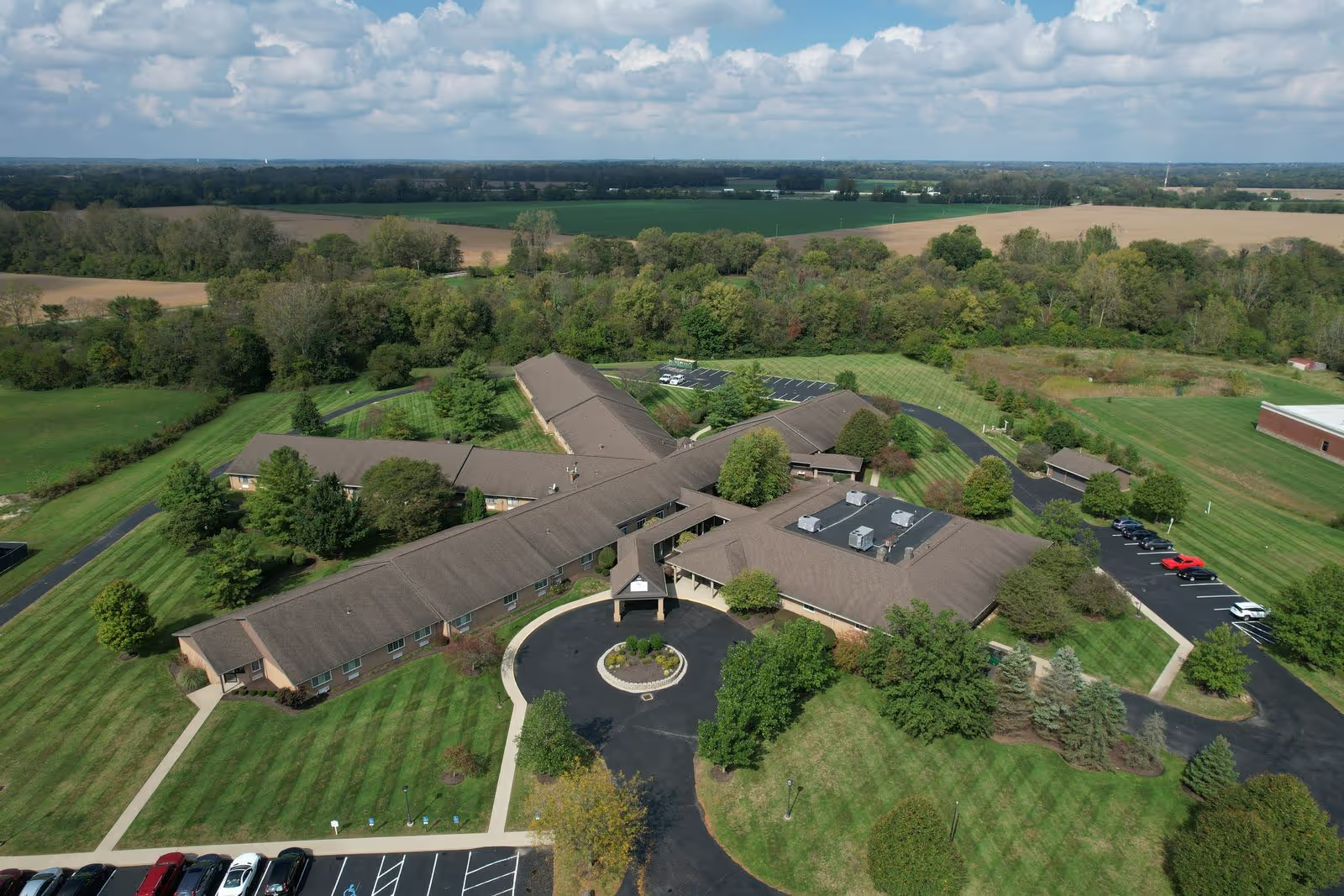
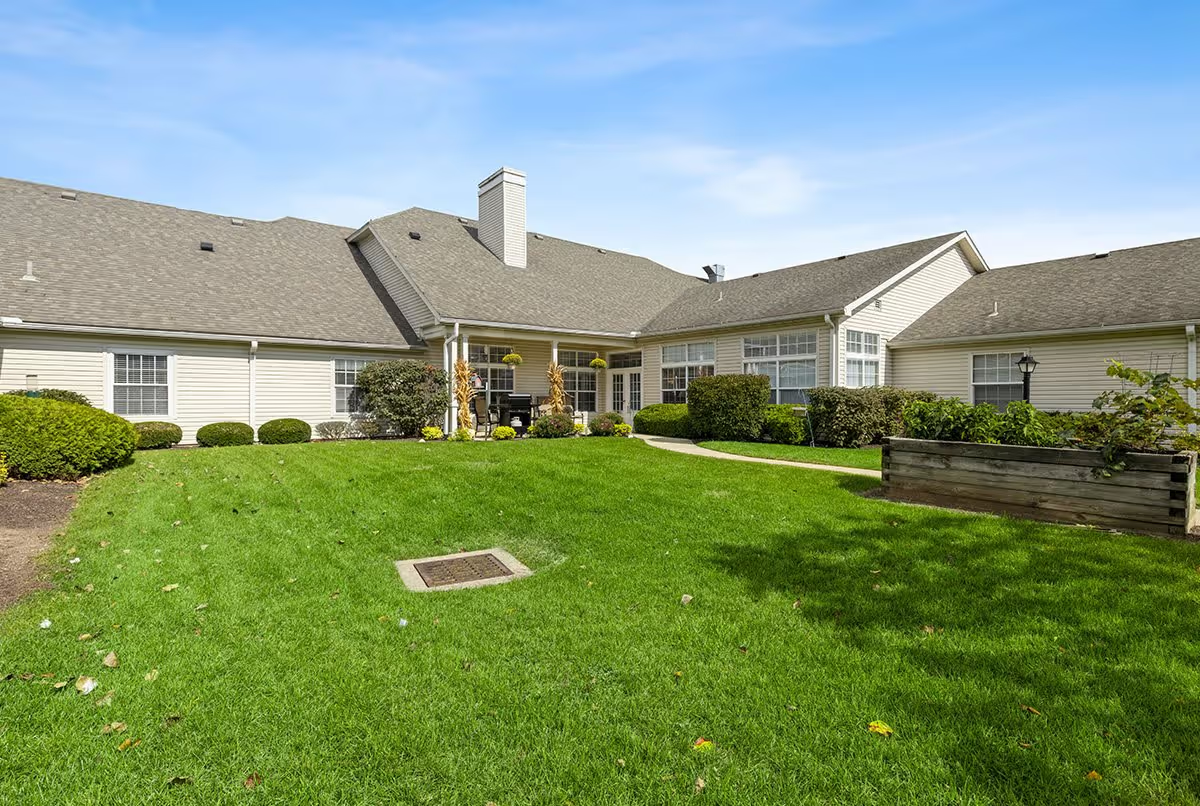
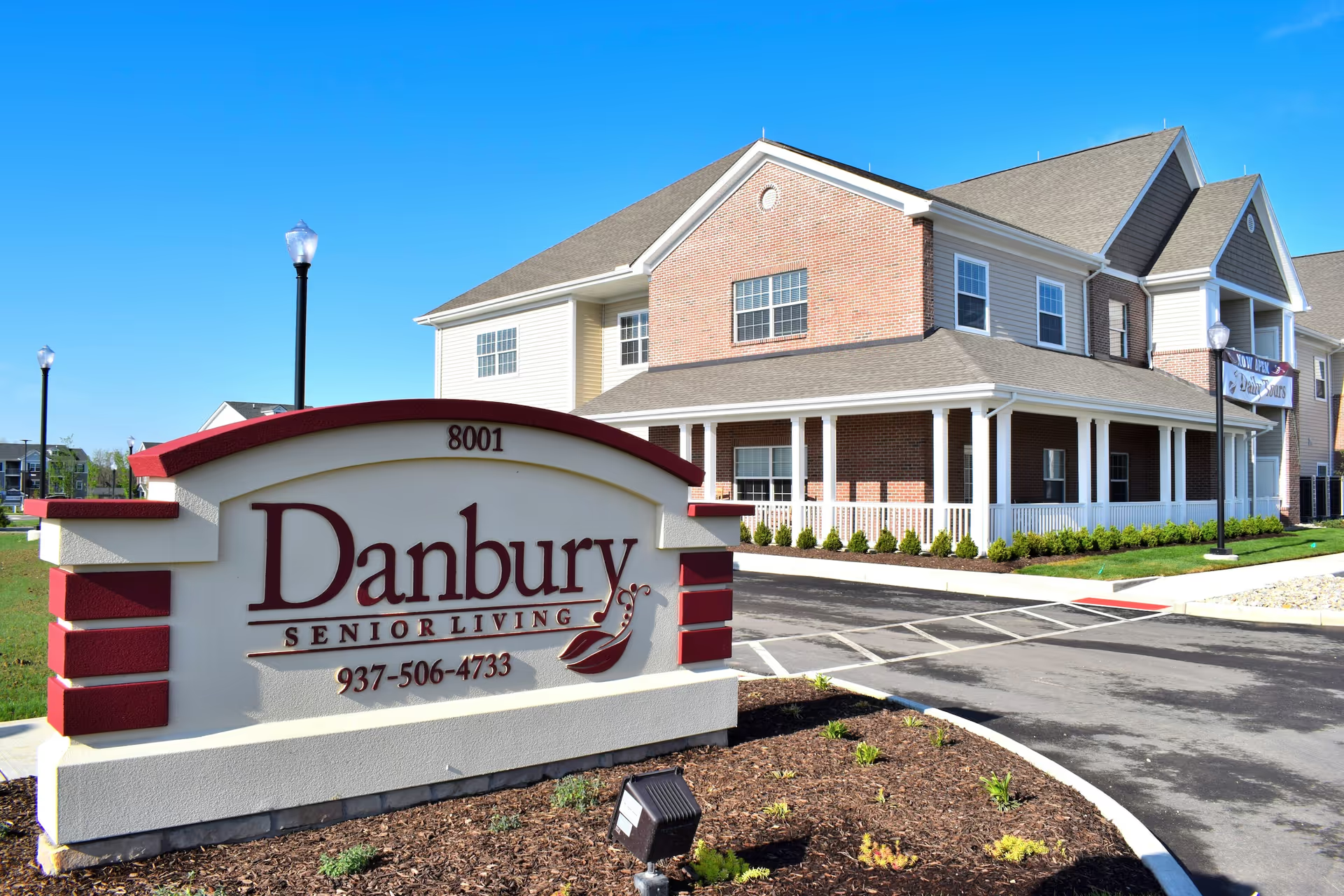
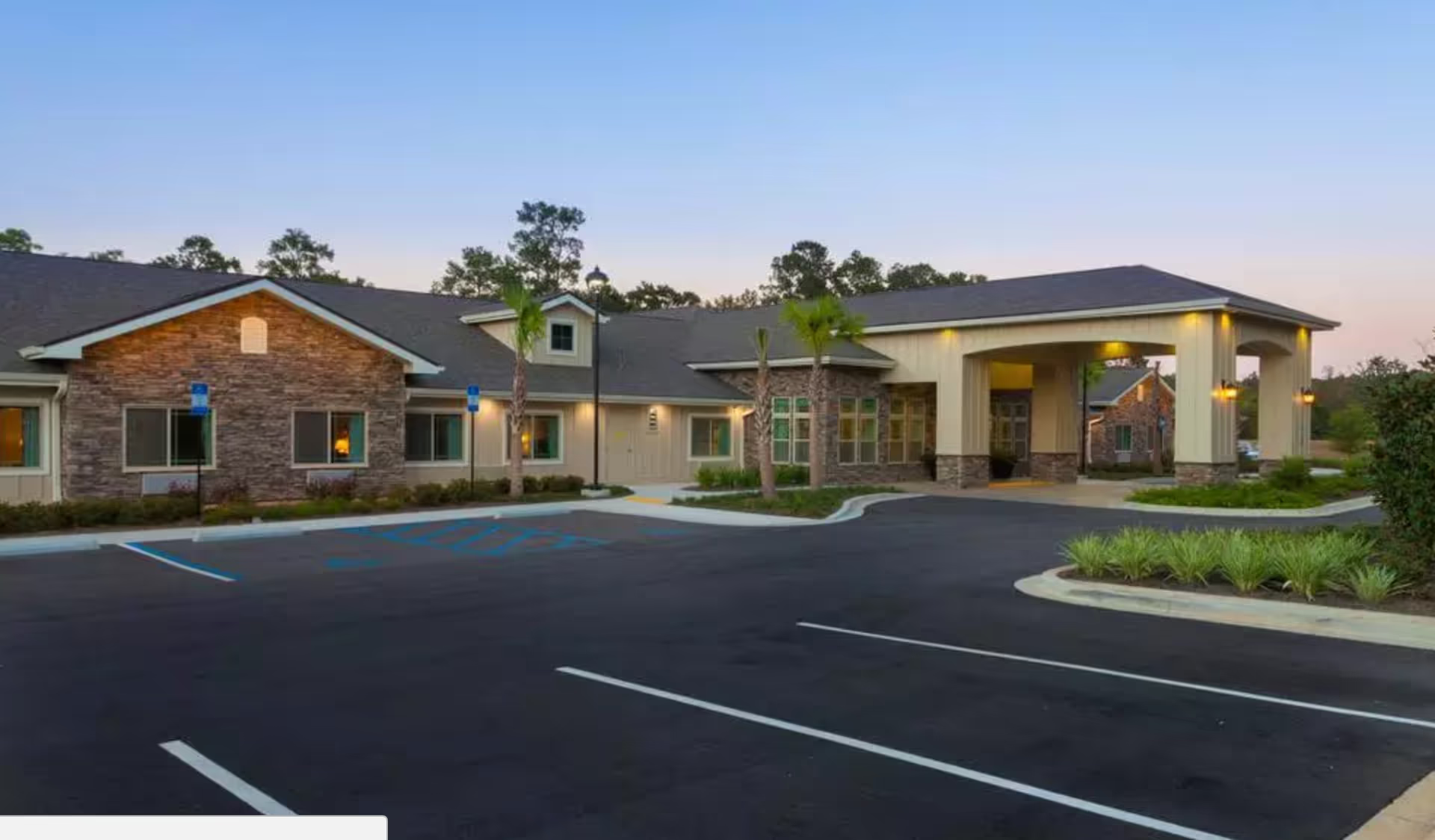
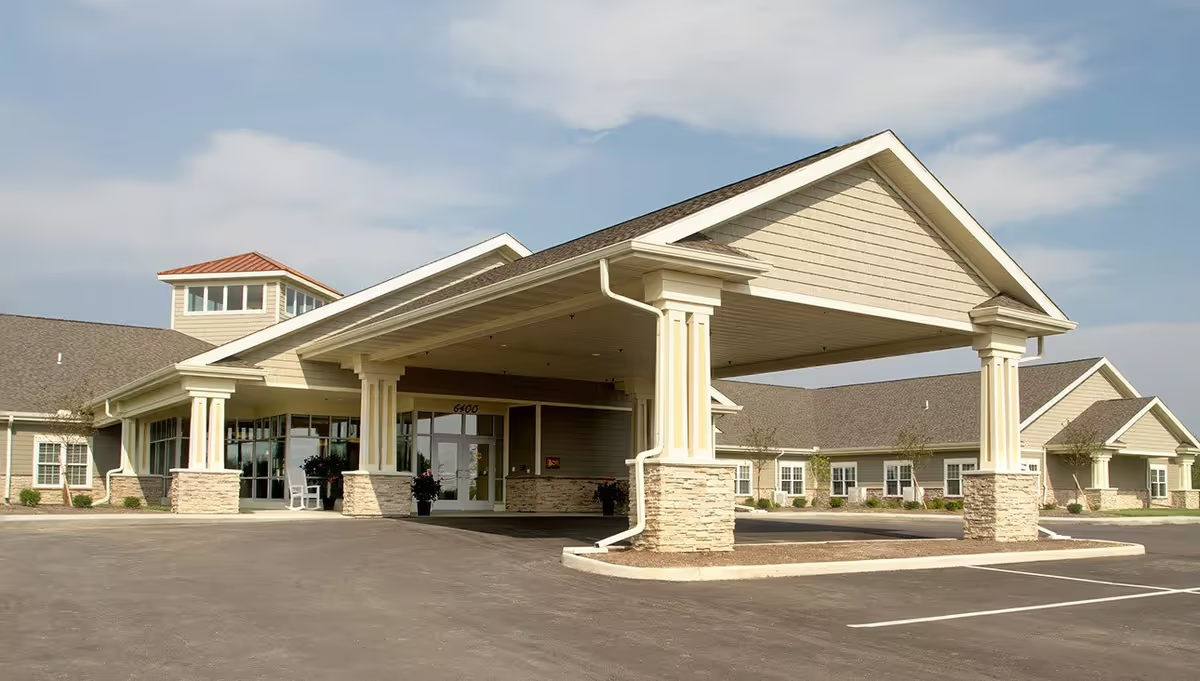
Overall sentiment across the reviews is mixed: residents and visitors repeatedly note strong positives related to the physical setting and cleanliness, but they raise consistent operational and health-related concerns. The property is repeatedly described as a "lovely old hotel" that has been "converted into senior and disabled apartments," and several comments highlight "awesome facilities for elderly" and "clean apt(s)." These remarks indicate that the building's physical character, upkeep, and amenities are perceived favorably and that many residents appreciate the environment and living spaces.
On the staffing and interpersonal side there are two distinct threads. One is positive: reviewers mention "very kind people," which likely reflects friendly staff, neighbors, or caretakers. However, that warmth is offset by clear deficiencies in management and social support. Multiple reviewers explicitly state that "management [is] not present," and others say there is "no one to talk to," suggesting both an absence of visible on-site administration and a lack of organized social interaction or community engagement for residents. The combination of absent management and limited social connection is a significant theme and may affect residents' quality of life even when the physical environment is good.
Health and safety concerns are perhaps the most serious negative pattern. Reviews specifically call out "cigarette smokers on every floor," which raises immediate concerns about secondhand smoke exposure — particularly troubling in a community serving seniors and people with disabilities. Linked to that, reviewers say the location is "not good for people with health problems," implying either insufficient medical or care supports or that environmental factors (like pervasive smoking) make it unsuitable for frail or medically vulnerable residents. Taken together, these comments suggest the community may be best suited to relatively independent seniors who do not require frequent medical attention and who are not highly sensitive to smoke.
There is little to no specific commentary about dining, organized activities, clinical care services, or detailed staff responsiveness beyond the notes above. Because reviewers emphasize the facility's physical attributes and cleanliness but report sparse management presence and social isolation, one can infer a gap between maintenance/housekeeping standards and active resident services or programming. In other words, the property itself appears well-kept, but operational aspects that depend on engaged leadership — social programming, visible management, and health-support services — appear weak or inconsistent according to the reviews.
In summary, Shawnee Place appears to offer an attractive, clean, hotel-style environment with facilities that many reviewers find appropriate for seniors and people with disabilities. Strengths lie in the building conversion, cleanliness, and the kindness of people encountered. Major concerns center on pervasive indoor smoking, which occurs on every floor per reviews, an apparent lack of on-site management or administrative presence, and limited social interaction or support — all of which make the community "not good for people with health problems." Prospective residents should weigh the appealing physical environment against these operational and health-safety issues, especially if they require regular medical care, are sensitive to smoke, or desire an engaged management team and active social programming.