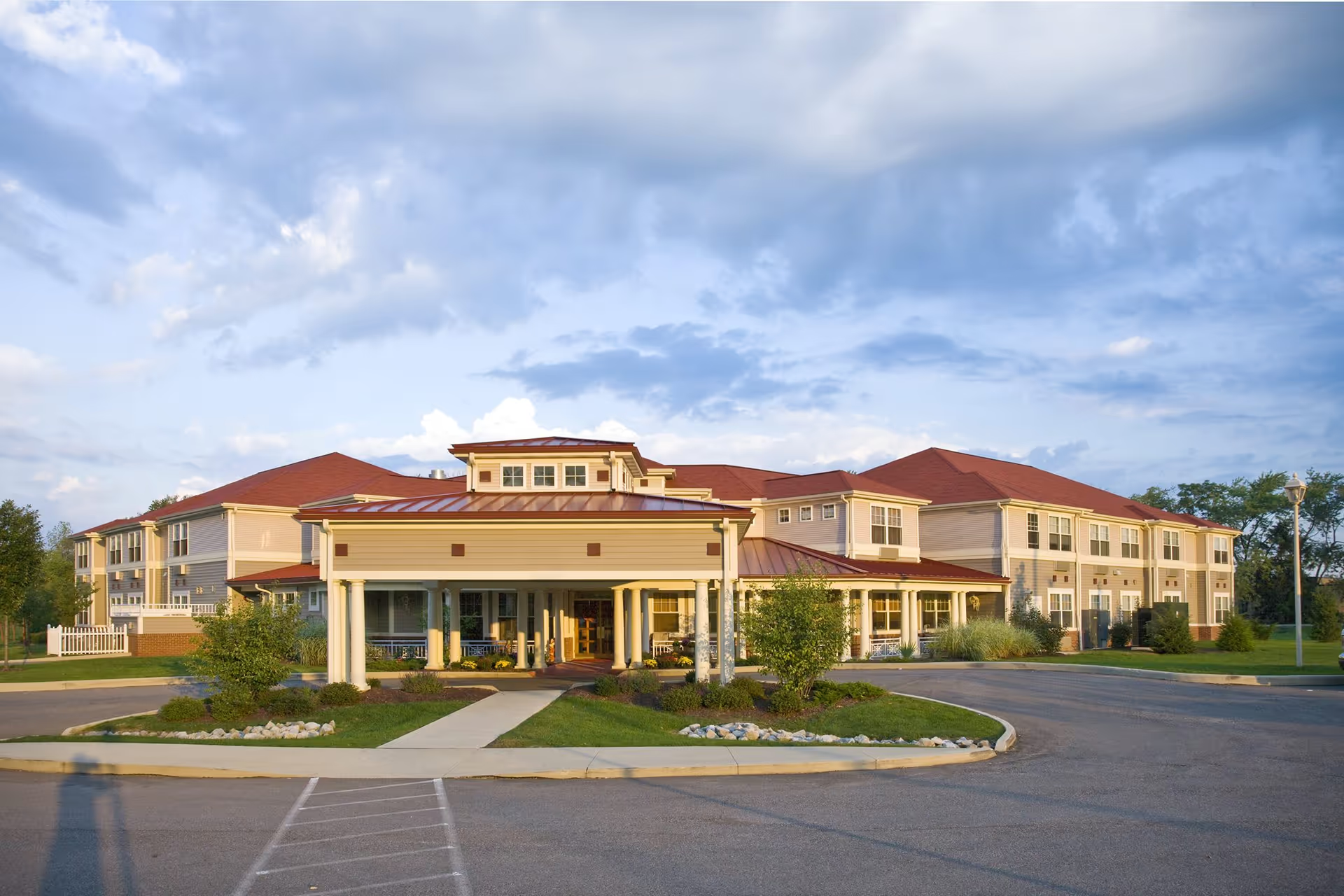
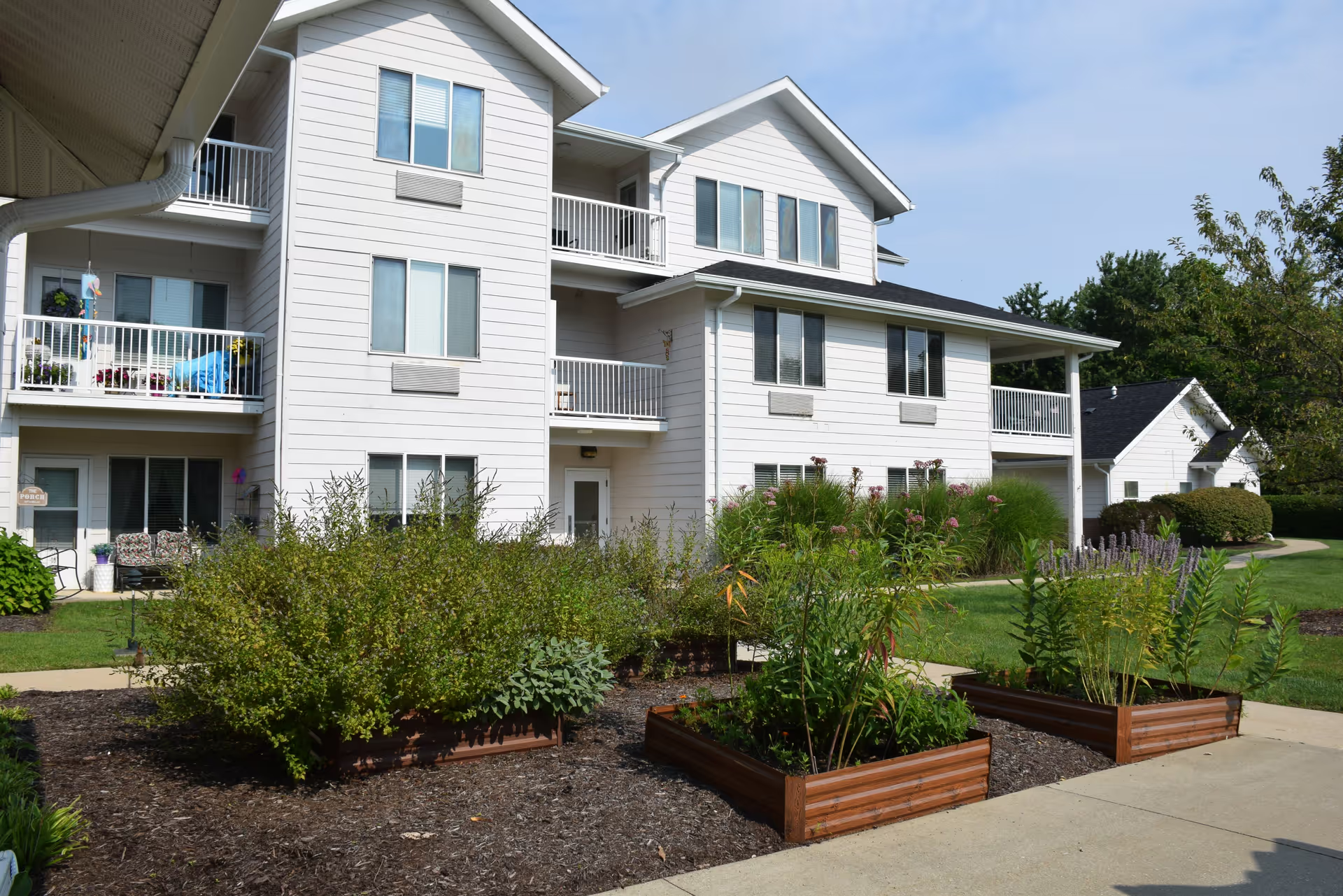
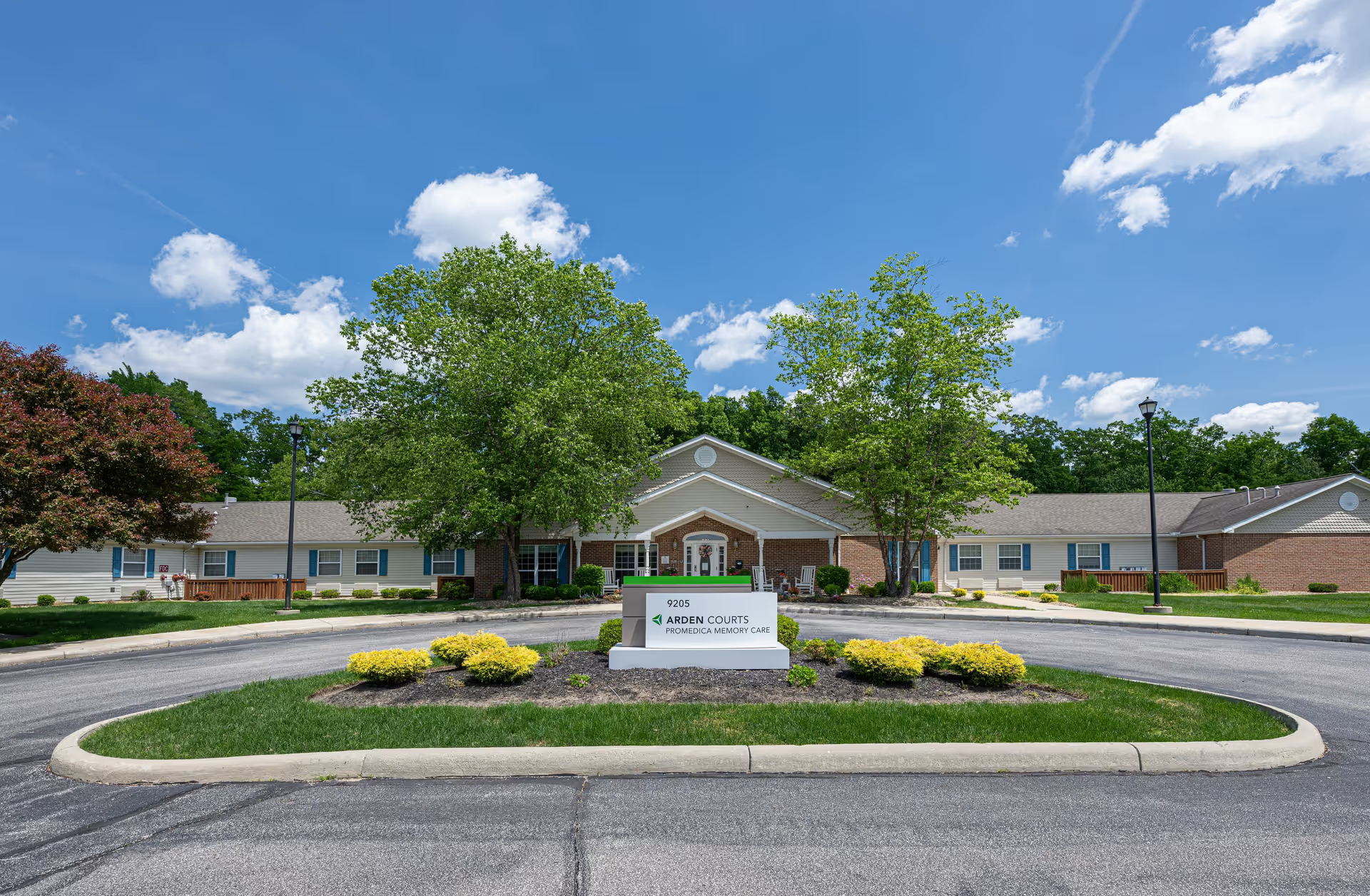
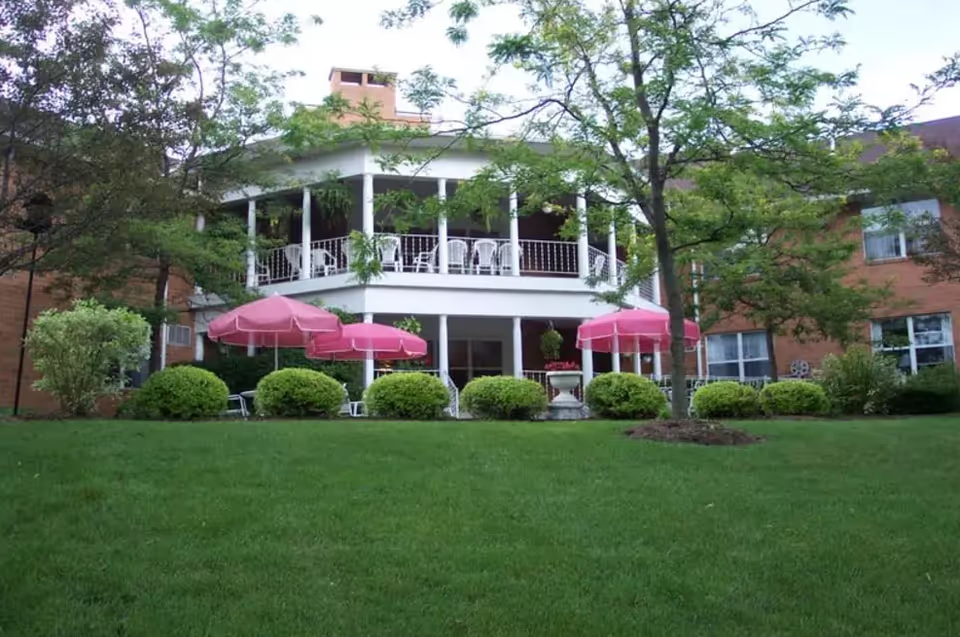
Generations Senior Living of Strongsville receives consistent praise for its interpersonal culture, facility upkeep, and resident programming. Reviewers commonly describe staff as compassionate, respectful and helpful, and several comments highlight a family-owned management style that emphasizes local community ties and proactive communication. The facility’s physical environment is described as clean and well maintained, with private apartment-style units, attractive common areas, and amenities such as a salon, piano, and transportation resources that contribute to a home-like atmosphere.
Clinical care and staffing emerge as a mixed area. Multiple accounts note an on-site nursing presence and experienced RNs who provide reassurance to families, and the facility is frequently commended for strong hospice and respite coordination. At the same time, there are operational concerns about medication management backup procedures and occasional lapses that families found significant. Nursing-coverage descriptions vary; some families reference regular nurse checks and 24/7 assistance while others perceive gaps or uncertainty around continuous clinical availability. Prospective residents with higher medical needs should verify staffing patterns and contingency plans with leadership.
Dining and kitchen services are another area with both strengths and weaknesses. The dining program is described as restaurant-style with dietary accommodations and above-average offerings at times, and some residents enjoy themed meals and special events. However, there are repeated mentions of inconsistent meal quality and a need for more consistent food management. Families who prioritize reliable, consistent dining should discuss meal plans and quality-control practices during touring.
Activity programming and social life are strong points. The community offers varied daily activities — musical performances, cooking demonstrations, sing-alongs, games, and outings — that many residents and families found engaging and family-like. Staff involvement in activities and personalized attention are frequently referenced as contributing to residents’ emotional well-being and social engagement.
Operational and suitability considerations deserve attention during decision-making. Several comments suggest the neighborhood may be best suited for more independent or moderately assisted residents rather than those requiring constant, high-dependency memory supervision; families expressed that advanced dementia needs may exceed the facility’s practical supervision capacity. Other operational themes include concerns about newer aides being insufficiently supervised, an admission process that can feel sales-oriented to visitors, and a perception by some that costs do not fully align with higher-level care needs. There are also mentions of limited adaptive safety features for residents with significant mobility or transfer needs.
Overall, Generations Senior Living of Strongsville appears to offer a clean, welcoming environment with a strong activity program, compassionate staff, and family-oriented management. Families considering the community should weigh those strengths against the facility’s operational limitations for higher-dependency care: verify medication-safety systems, clarify nursing coverage and contingency staffing, review training and supervision practices for new aides, and assess whether the memory-care neighborhood meets the specific supervision and safety needs of the prospective resident.