Reviews for this facility present a mixed picture in which clear strengths coexist with recurring operational weaknesses. Many families and former residents praised the interpersonal aspects of care: staff are frequently described as compassionate, respectful, and communicative, and several reviews specifically highlighted skilled post-hospital rehabilitation, helpful physical-therapy services, and a secured dementia-care unit. Management and individual staff members were also commended for providing admissions guidance, resource referrals, and consistent emotional support, contributing to a home-like atmosphere for some residents. Private and larger rooms, when available, were noted positively, and a number of families indicated they returned to the facility because of satisfactory prior experiences.
At the same time, a number of consistent operational concerns emerge. The most common themes are inconsistent staff responsiveness (including delays responding to call lights) and apparent understaffing that affects timely assistance. Multiple reviews described variable meal quality, limited menu options, and issues with dietary accommodations and allergy management. Housekeeping and laundry operations show variability as well: some families reported cleanliness and sanitation concerns, odor issues in parts of the building, misplaced clothing, and pest-control concerns. Several reviewers also raised infection-control and outbreak-prevention worries; one review included an allegation of resident-to-resident physical aggression and others described perceived problems following a COVID exposure.
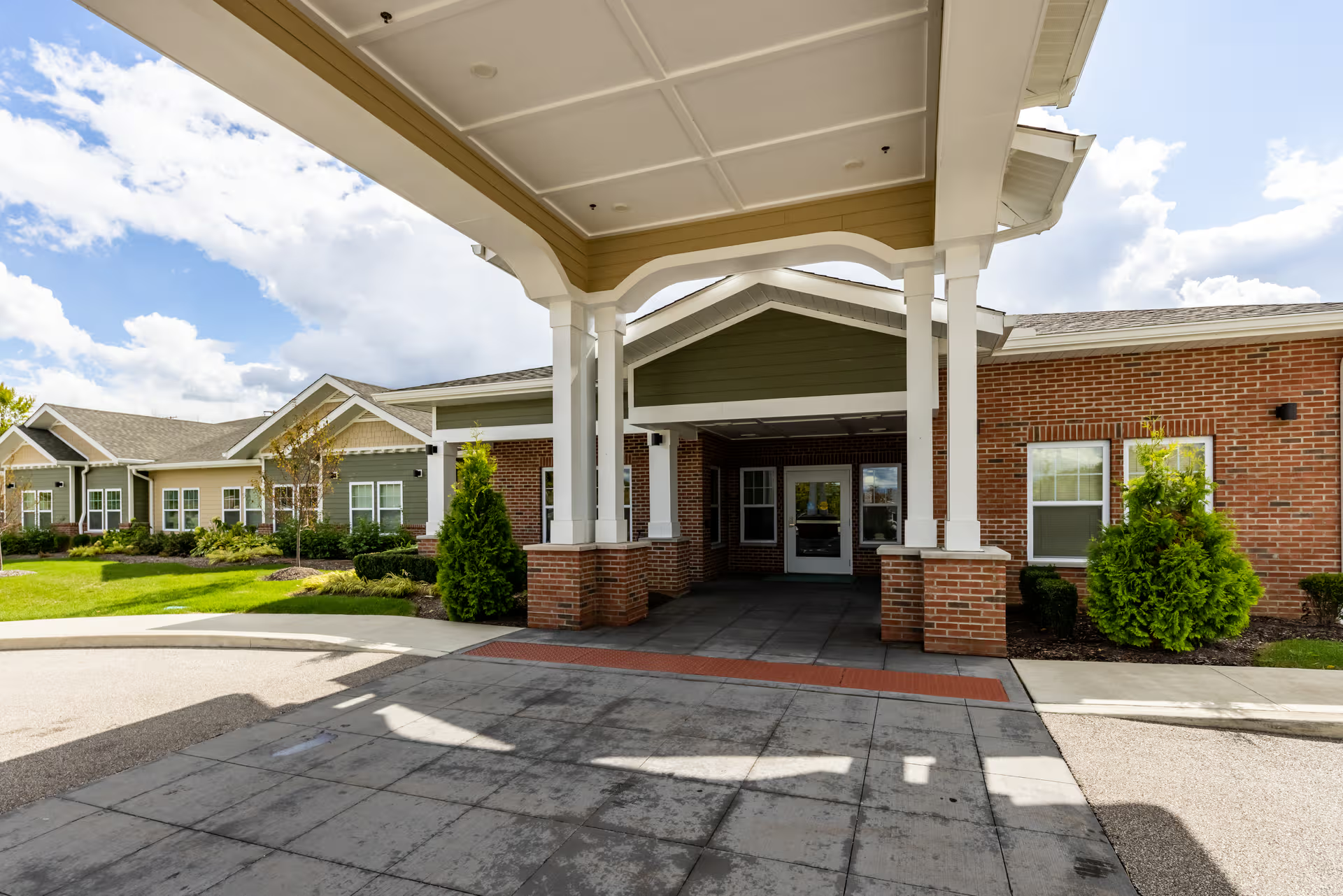
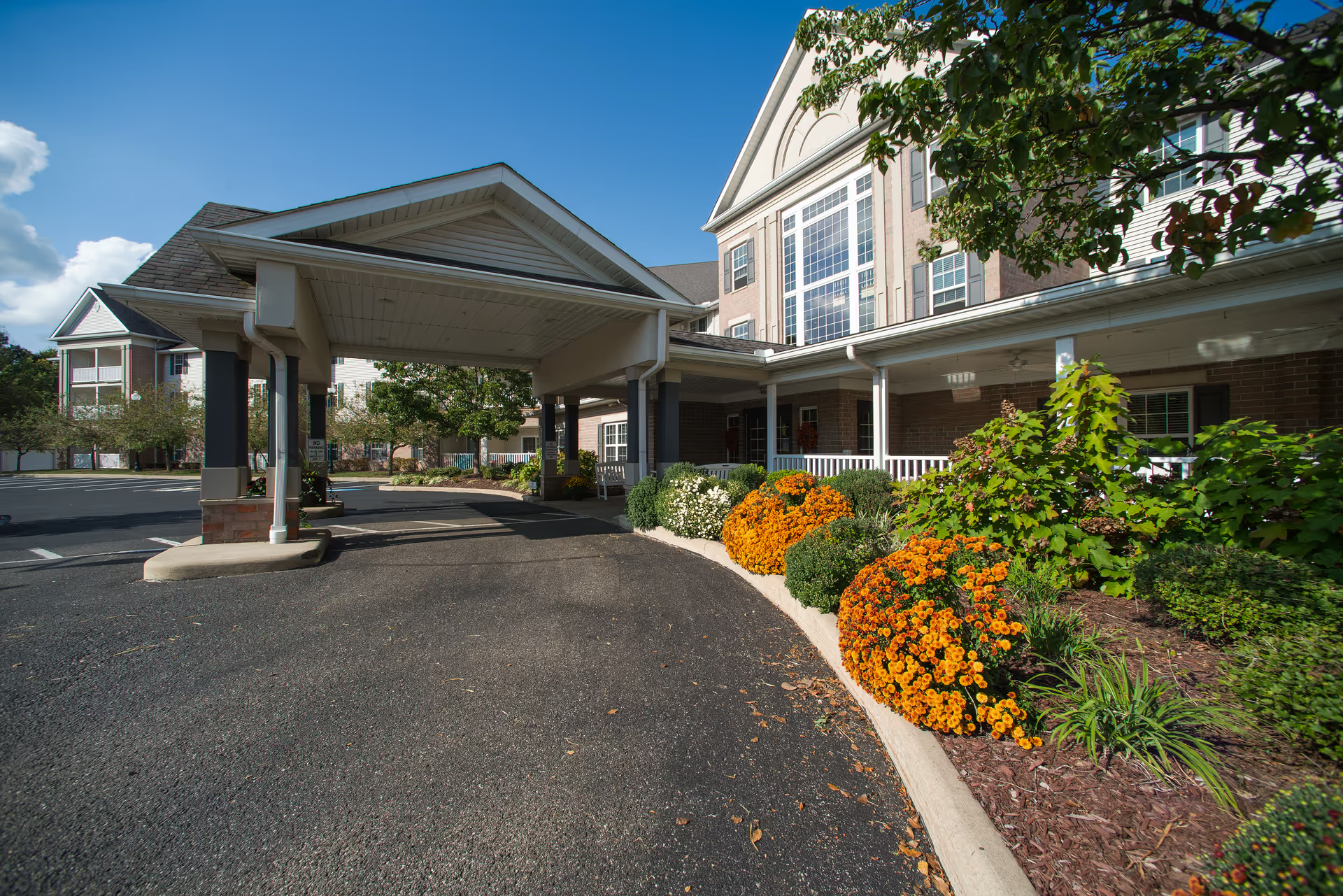
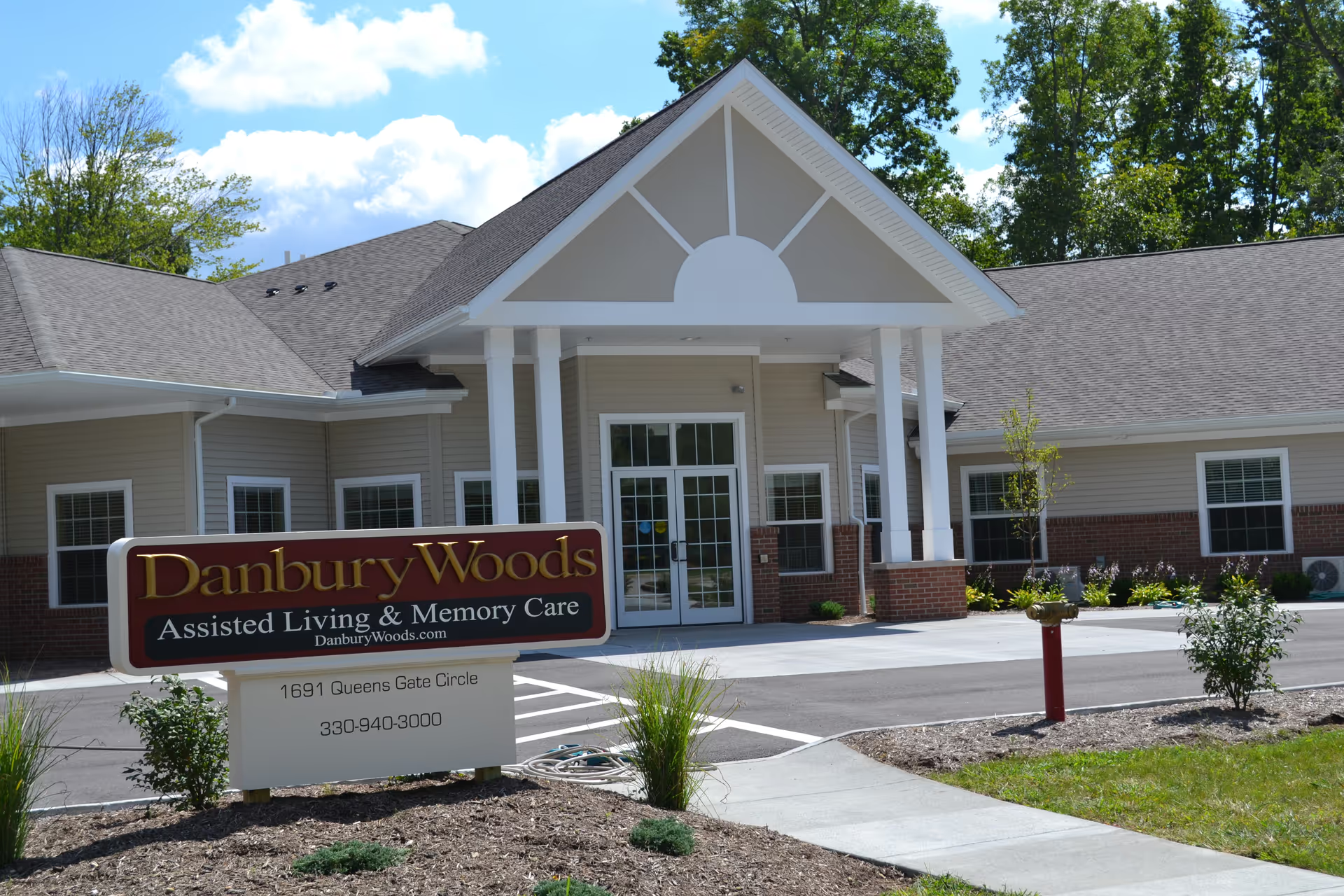
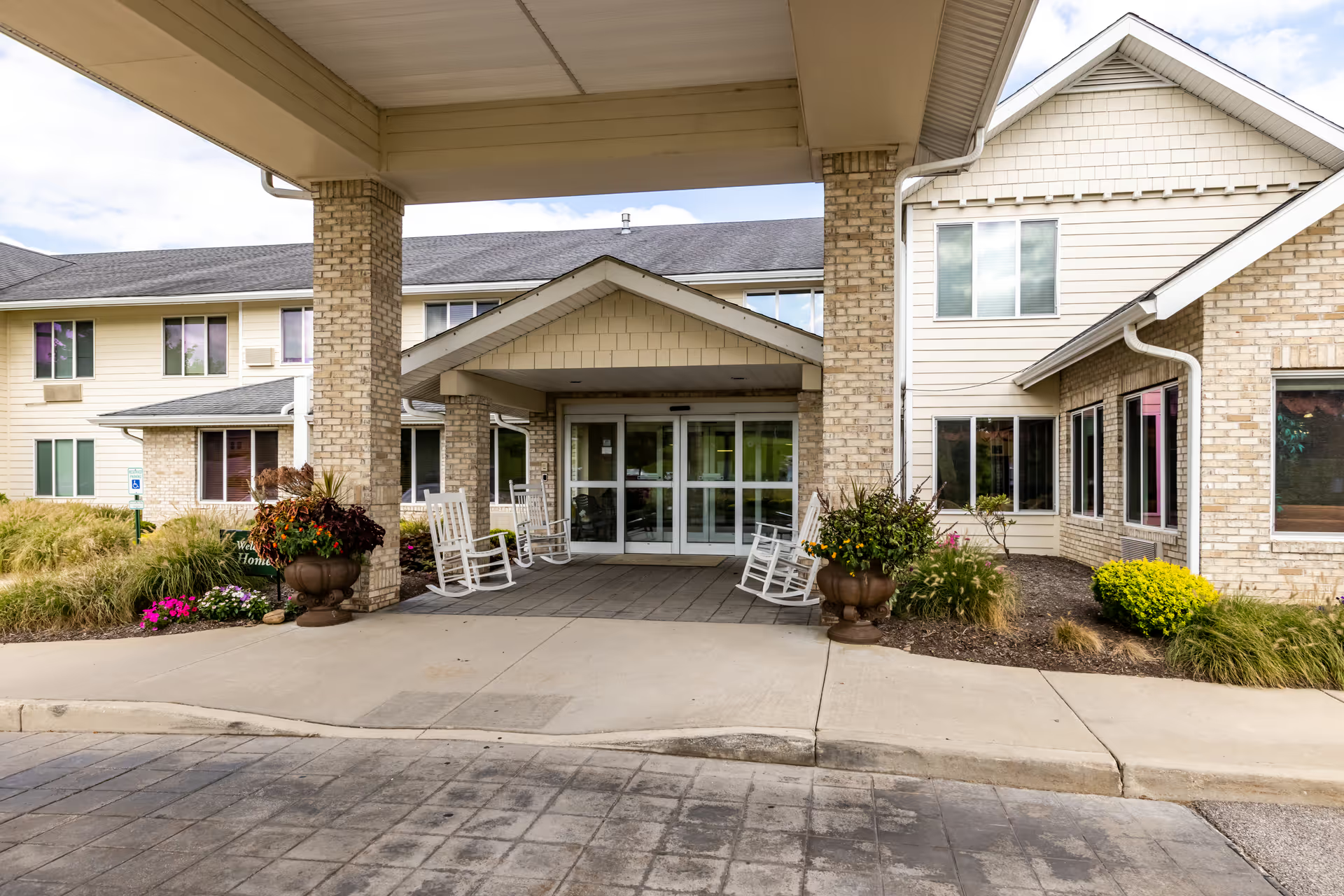
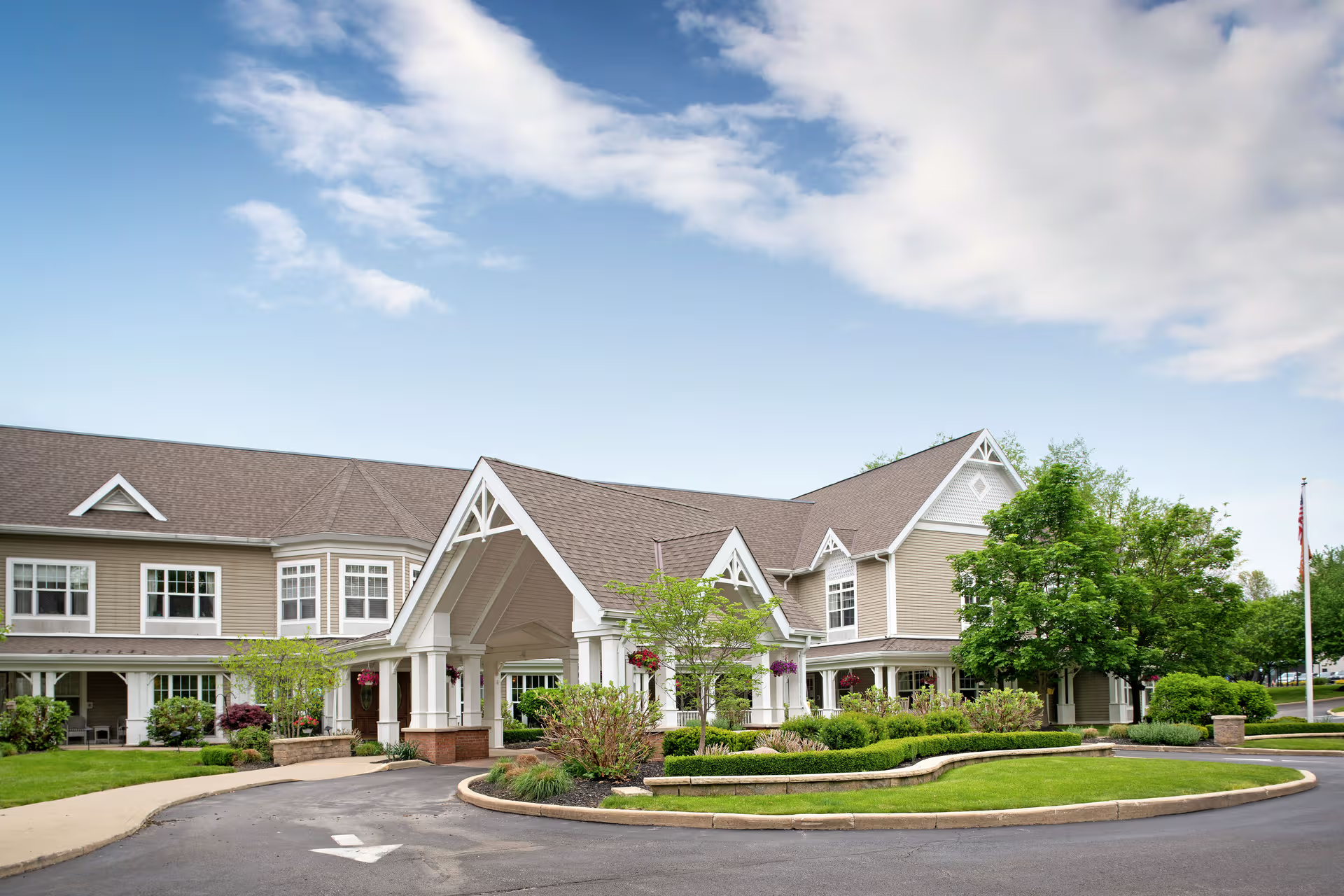
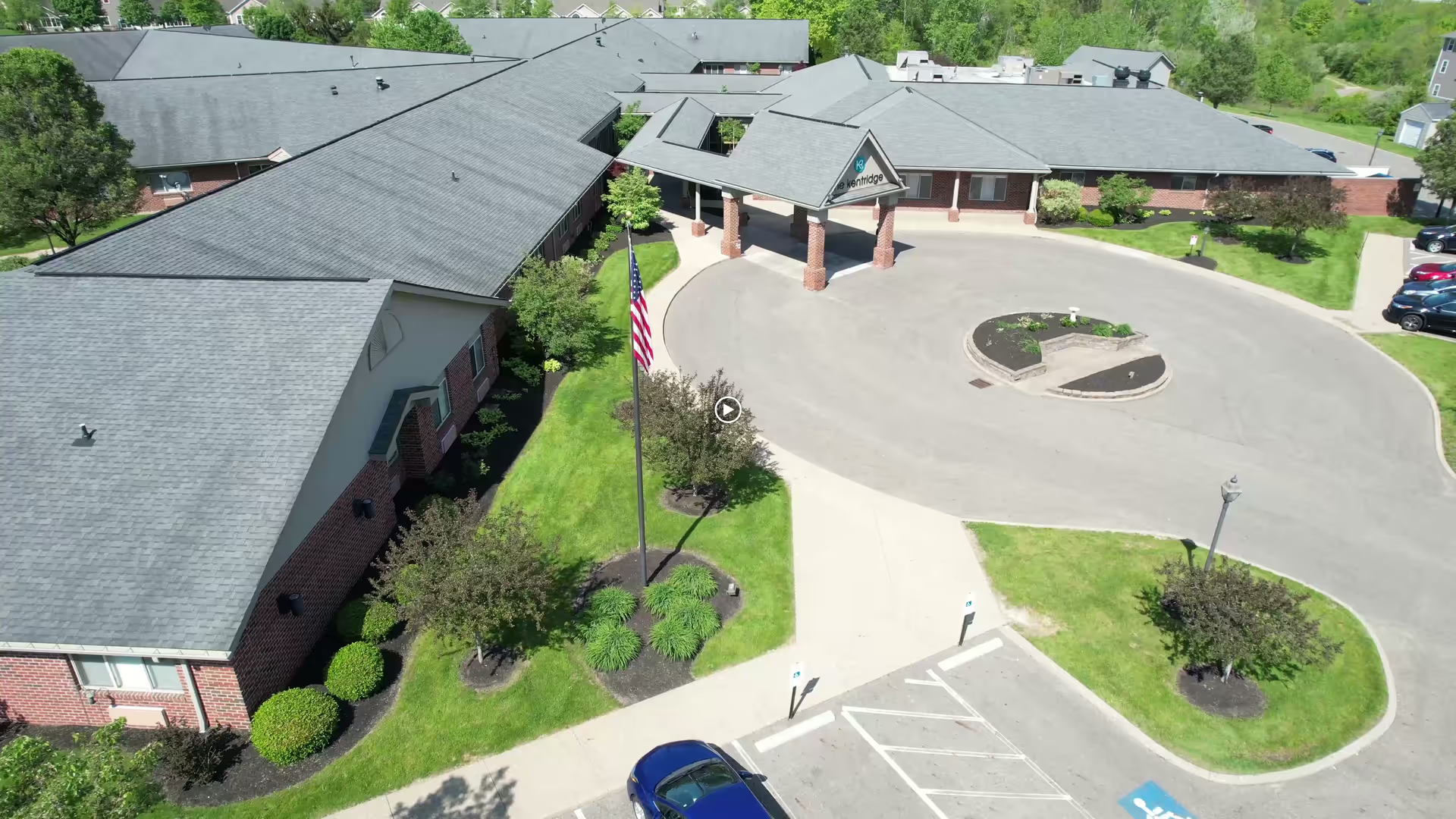
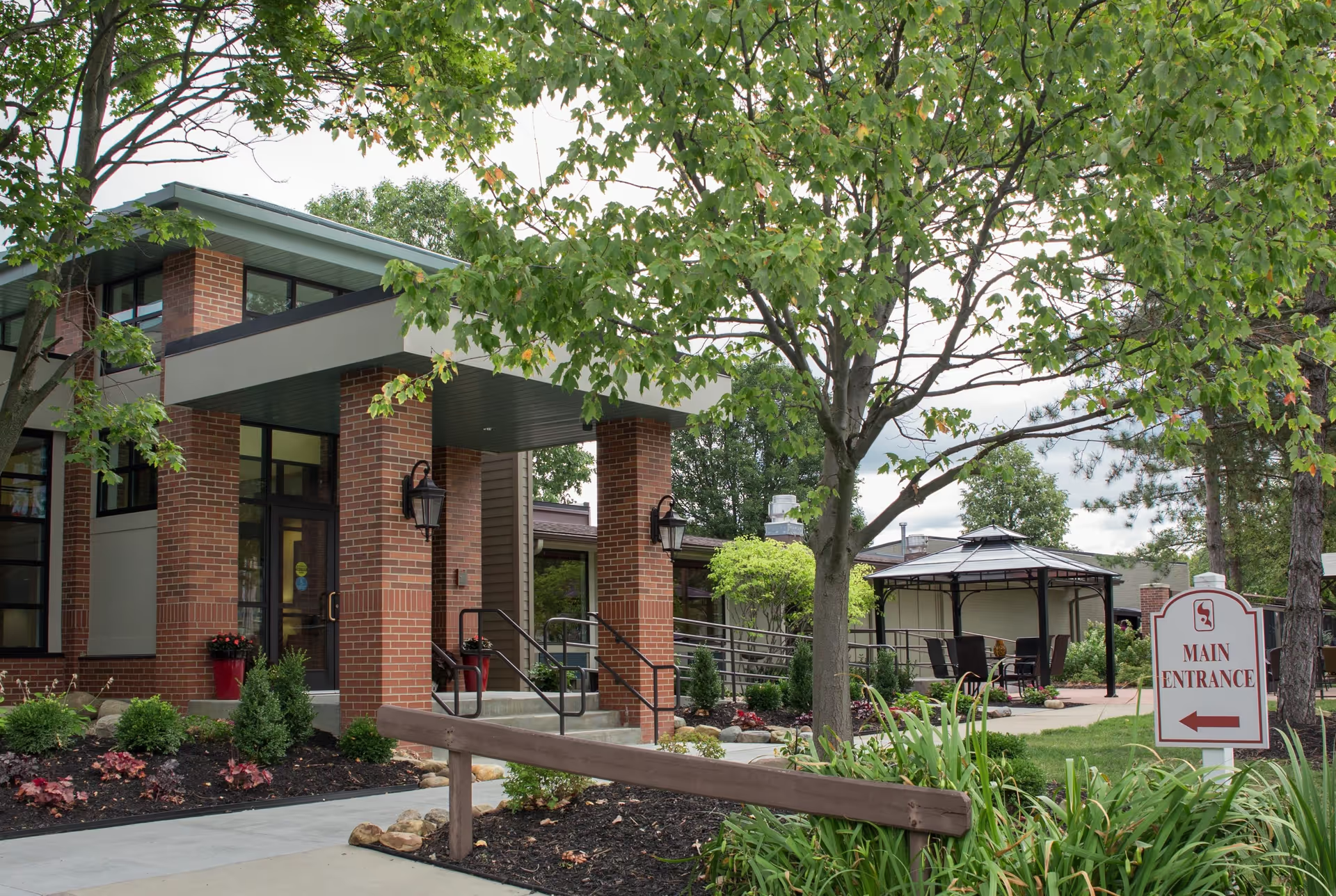
Clinical coordination presents another area of mixed feedback. While many families felt clinicians provided capable hands for routine skilled care, a subset noted gaps in managing complex or device-related needs and in timely dressing changes. These items suggest variability in specialist-level coordination rather than a consistent clinical capability across all cases. Infrastructure and amenities were described as older in places, with reports of noisy heating/cooling equipment and rooms that feel dated; marketing materials and actual room conditions were sometimes described as inconsistent, which may affect expectations during admission.
Activities and engagement were described unevenly: some reviewers appreciated a variety of programs and social opportunities, while others perceived limited exercise and activity options. Communication from management earned praise in many instances, yet other families experienced brusque or unhelpful interactions around routine care questions. Taken together, the pattern is one of strong relational care and certain clinical strengths offset by operational inconsistencies—particularly around staffing levels, timely assistance, dining services, cleanliness management, and coordination of complex clinical needs.
For prospective residents and families: consider an in-person visit focused on current staffing levels on the unit of interest, dining menus and dietary-accommodation processes, examples of infection-control protocols, laundry and belongings procedures, and a tour of the specific room type that would be assigned. Ask for recent examples of managing device-dependent residents or complex wound/dressing needs if those apply, and request references from recent families when possible. These targeted questions can help assess whether the facility’s strengths align with your loved one’s priorities and clinical requirements.