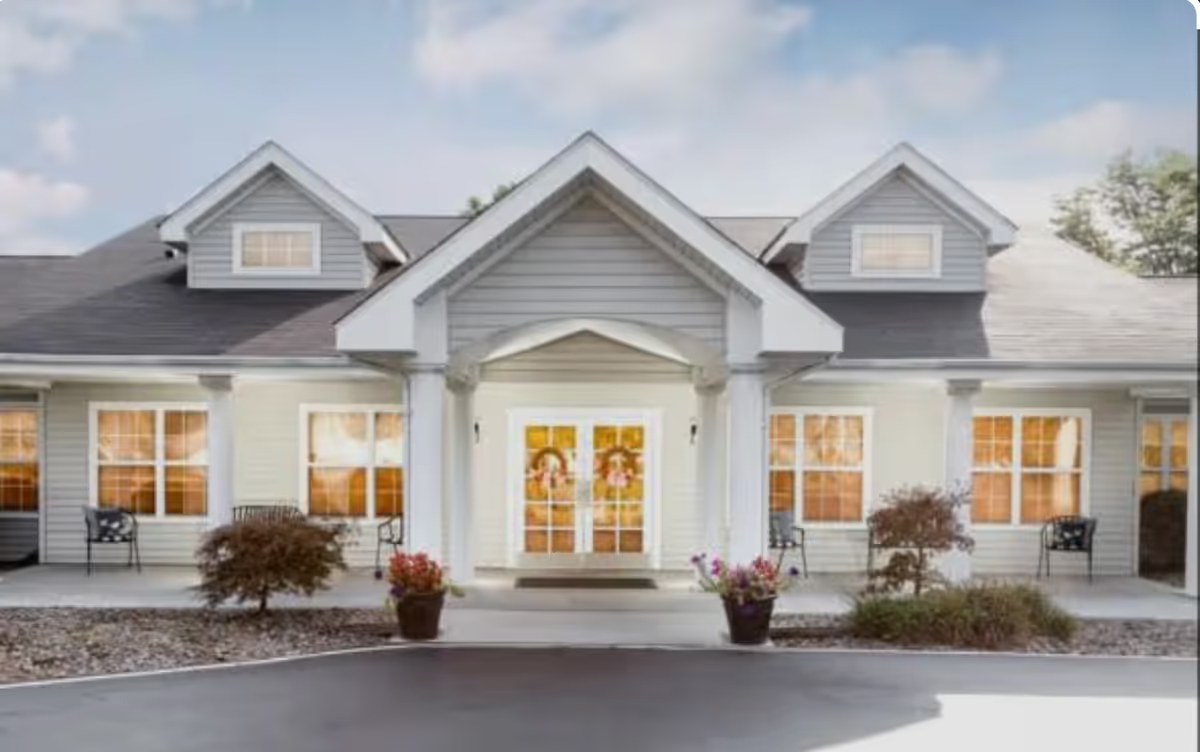
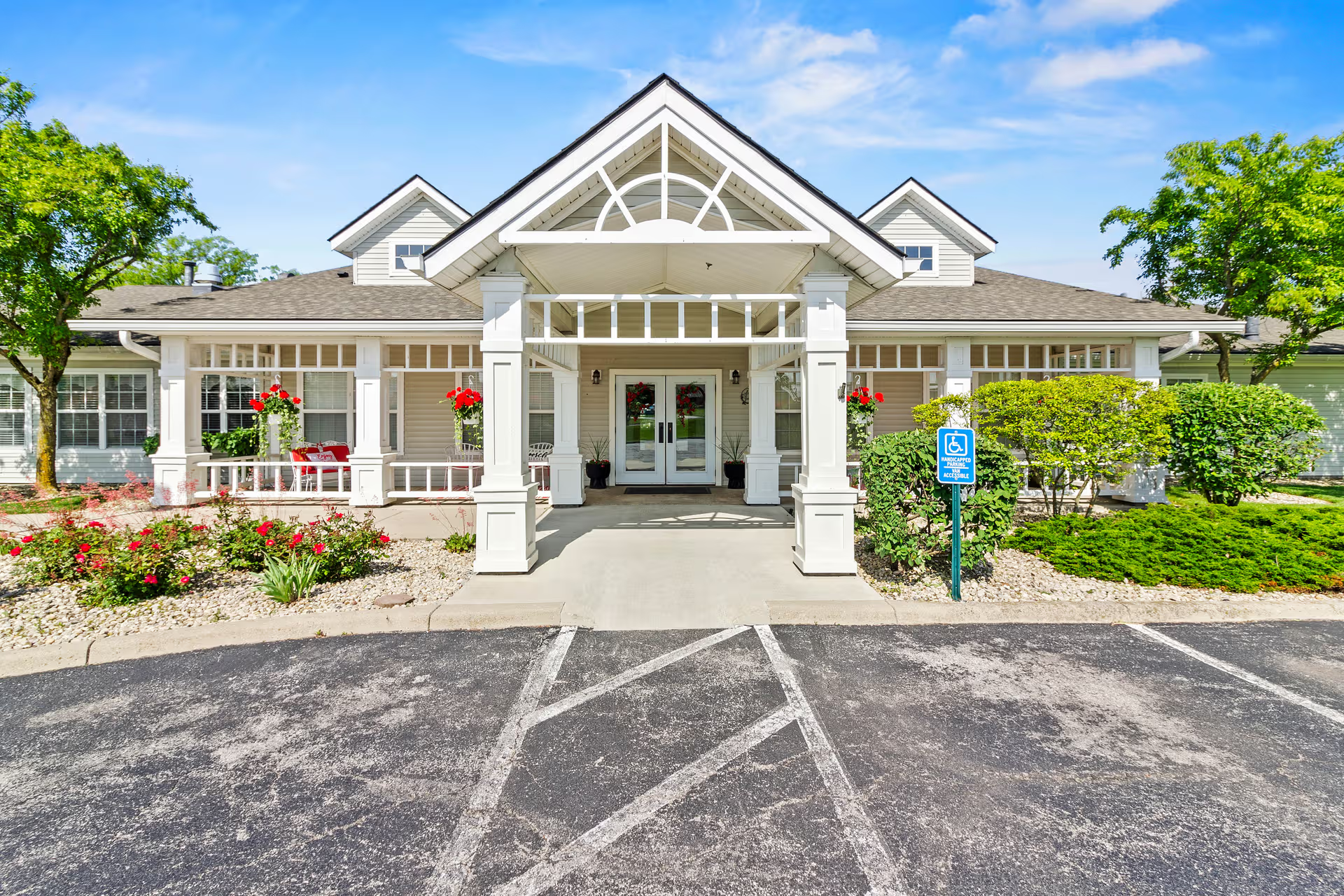
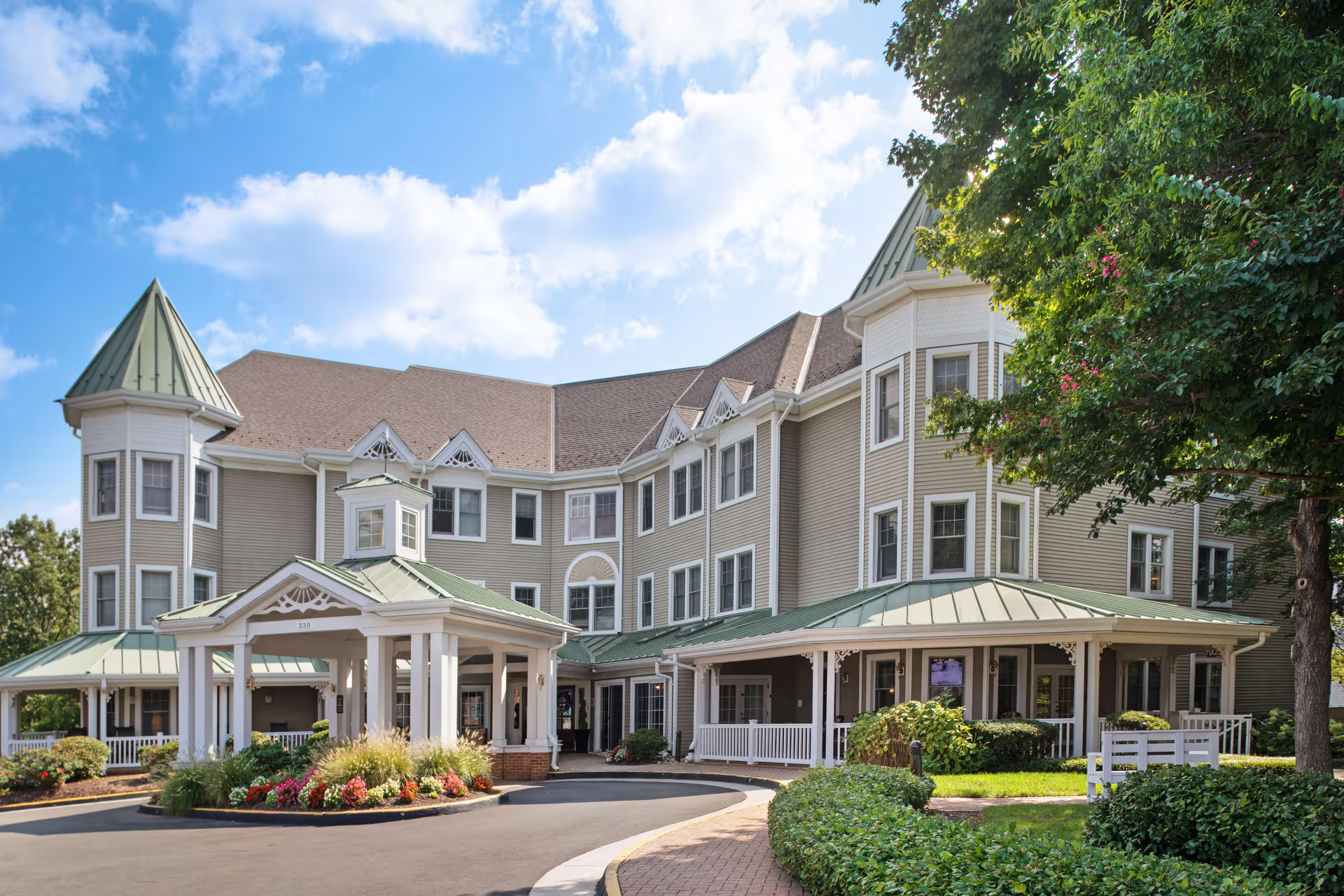
Overall impression: Reviews portray The Willows at Tiffin as a modern, well-appointed senior living community with a strong emphasis on compassionate caregiving, rehabilitation, and social engagement. Many accounts highlight a stable clinical presence, active therapy programs, and an array of daily activities that contribute to social connections and quality of life. The facility’s physical plant and dining program are consistently described positively — bright, clean interiors; multiple courtyards; and chef-prepared meals with a variety of choices and generous portions.
Care and clinical services: Clinical competency and rehabilitation services are repeatedly emphasized. On-site physical and occupational therapy, routine nursing oversight, and successful post-fall or post-surgery recoveries are described by multiple reviewers. Families also praised end-of-life support and the availability of nursing checks; these comments suggest that clinical staffing levels and therapy resources are a clear strength for many residents. However, some reviewers raised serious concerns about specific clinical-safety processes such as medication administration and discharge planning. These concerns suggest a need for prospective families to ask about medication protocols, handoff procedures, and post-discharge follow-up.
Staff and culture: The dominant theme in the reviews is positive staff–resident relationships: staff are characterized as kind, attentive, and family-like, with many individual staff members and teams singled out for praise. Several accounts describe strong teamwork, cross-department collaboration, and staff who go above and beyond routine duties. Counterbalancing this, there are recurring comments about inconsistent leadership behavior from administration, including reports of managerial pressure and perceived unfair treatment of employees. These contrasting themes indicate a generally warm caregiving culture that may be vulnerable to variability related to management practices.
Dining and activities: Dining and programming are cited as strong points. Reviewers mention varied menus, accommodating dietary flexibility, large portions, and regular entertainment such as live music at happy hour and holiday events. The activity calendar appears robust — on-site games, themed events, off-site outings, and therapy-linked recreational opportunities — and is credited with supporting resident engagement and social connections.
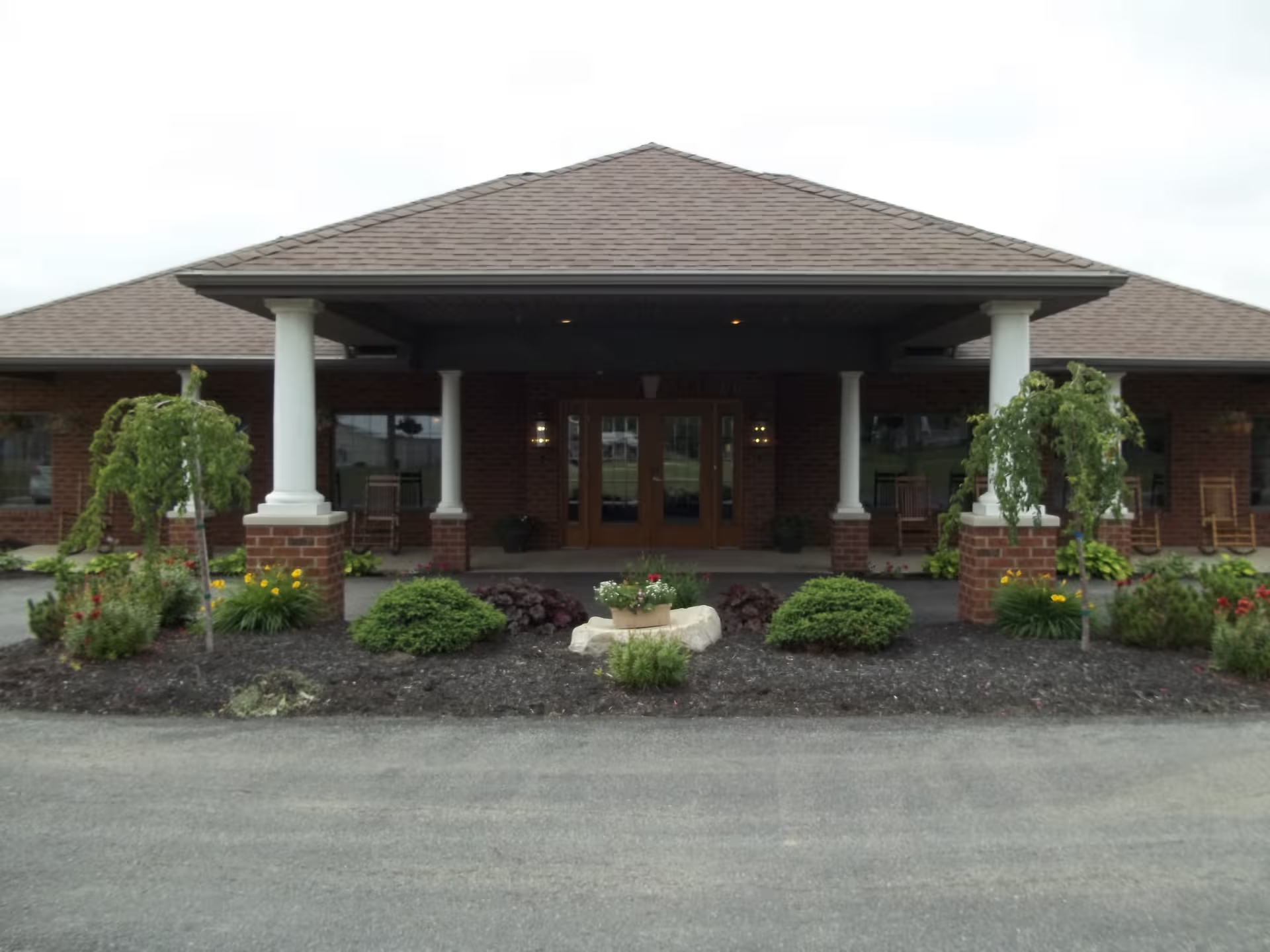
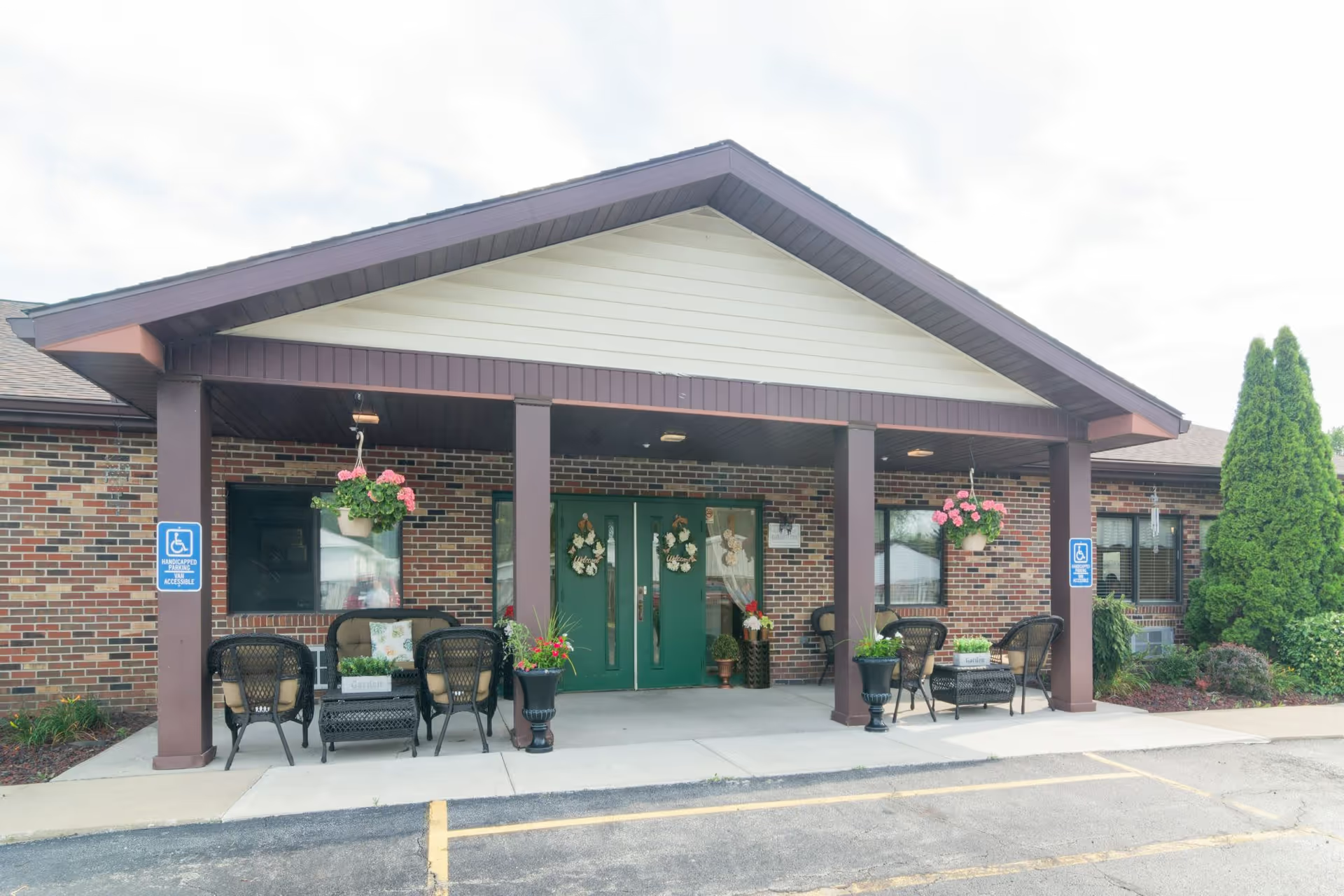
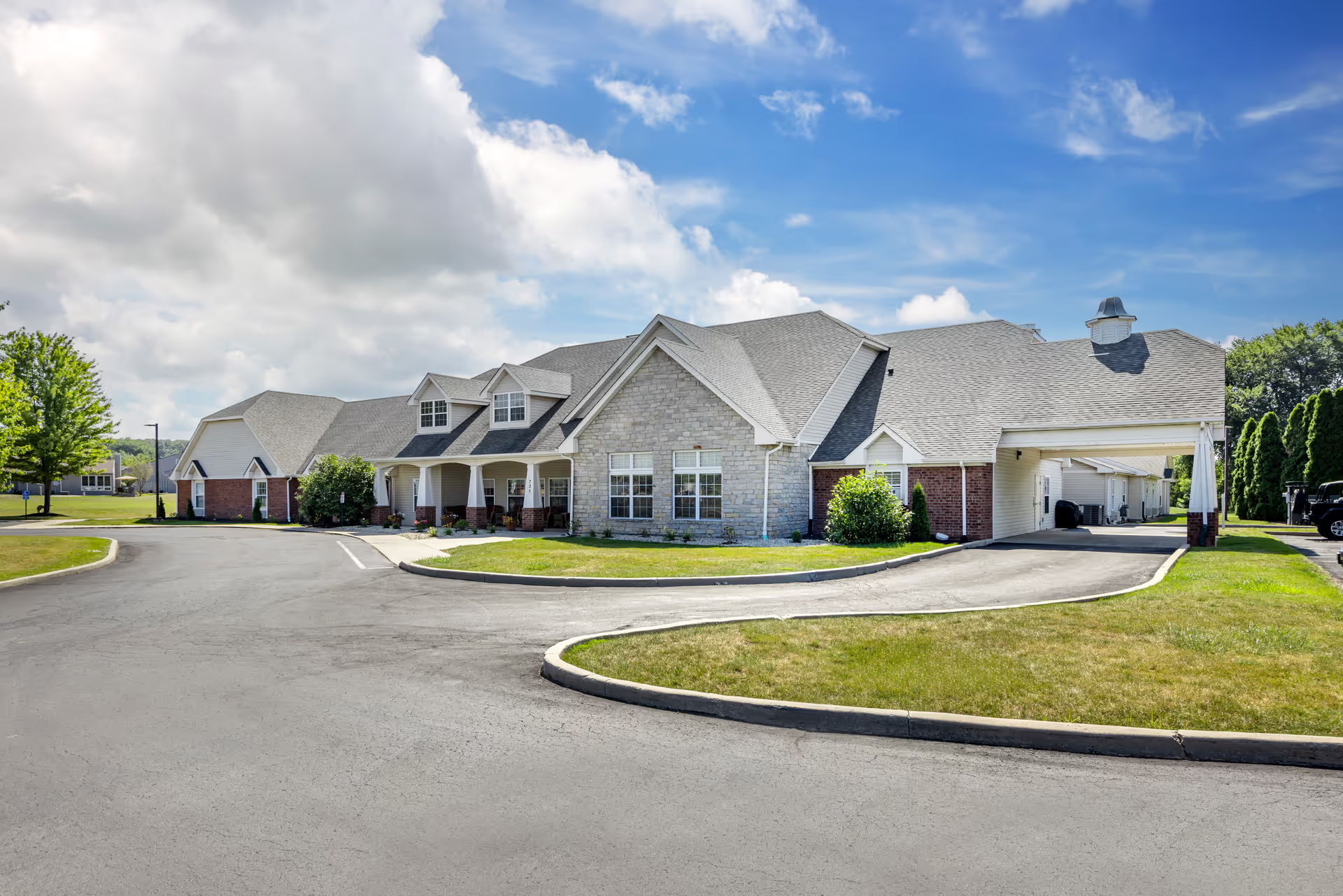
Facilities and operations: The facility’s environment is described as modern, bright, and well maintained, with multiple outdoor courtyards and a hotel-like atmosphere in some areas. Housekeeping and sanitation are commonly praised, reinforcing the impression of a well-kept campus. At the operational level, several reviewers described a smooth admissions and onboarding experience, and administrative staff were helpful during transitions for many families.
Management and notable patterns: While many reviewers offer strong endorsements, there are recurring operational concerns to weigh. These include questions about billing practices and insurance guidance, allegations related to Medicare billing and marketing integrity, and reported pressure to influence public ratings. There are also mentions of occasional delays in responsiveness and frustrations with care coordination or social-work support. Taken together, these items point to possible inconsistencies in administrative transparency, billing/insurance support, and some clinical-safety processes.
Practical takeaway: For families considering The Willows at Tiffin, the facility demonstrates substantial strengths in caregiving, rehabilitation, activities, dining, and campus upkeep. At the same time, prospective residents and families should seek clear, specific information about billing policies and insurance coordination, medication-safety protocols, discharge procedures, and the facility’s process for handling family communication and complaints. Asking for recent state inspection results, clarifying financial and insurance workflows, and meeting with clinical leadership can help reconcile the largely positive experiences described by many families with the serious operational concerns raised by others.