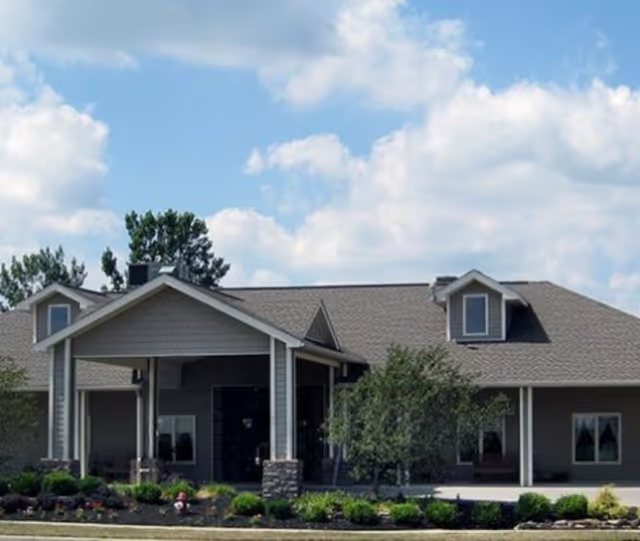
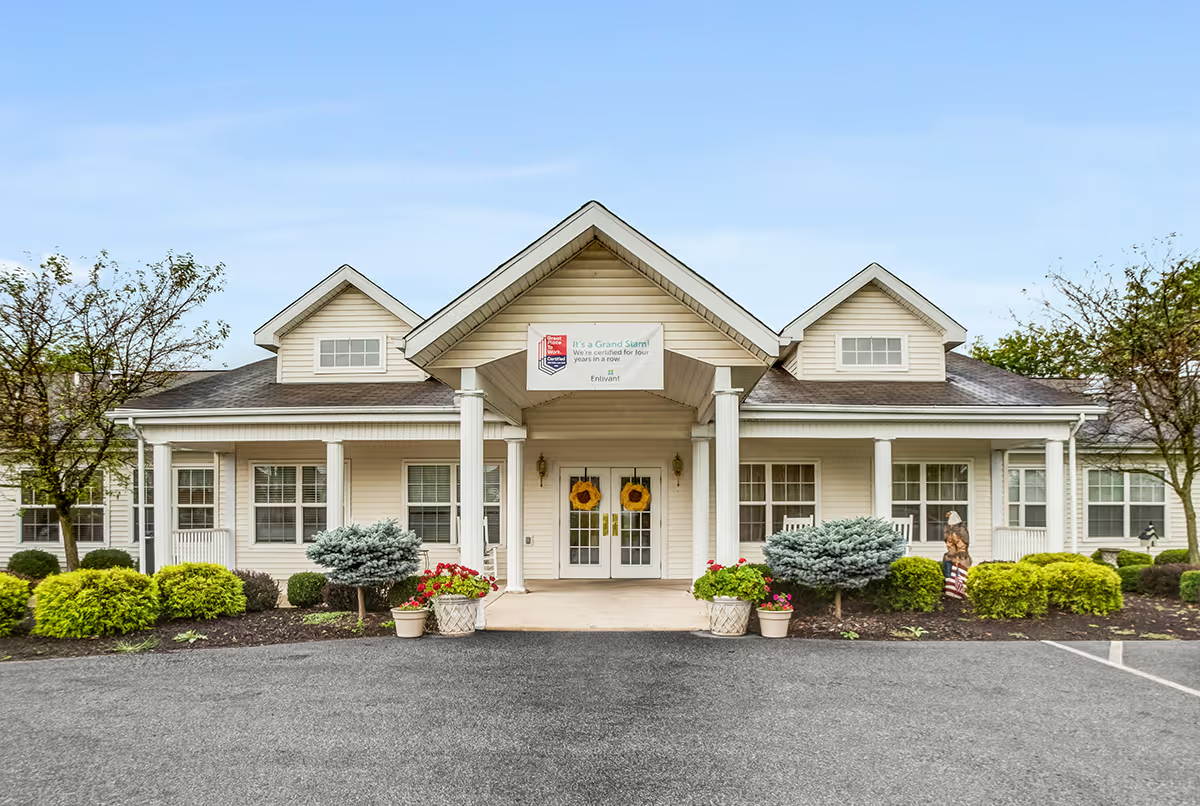
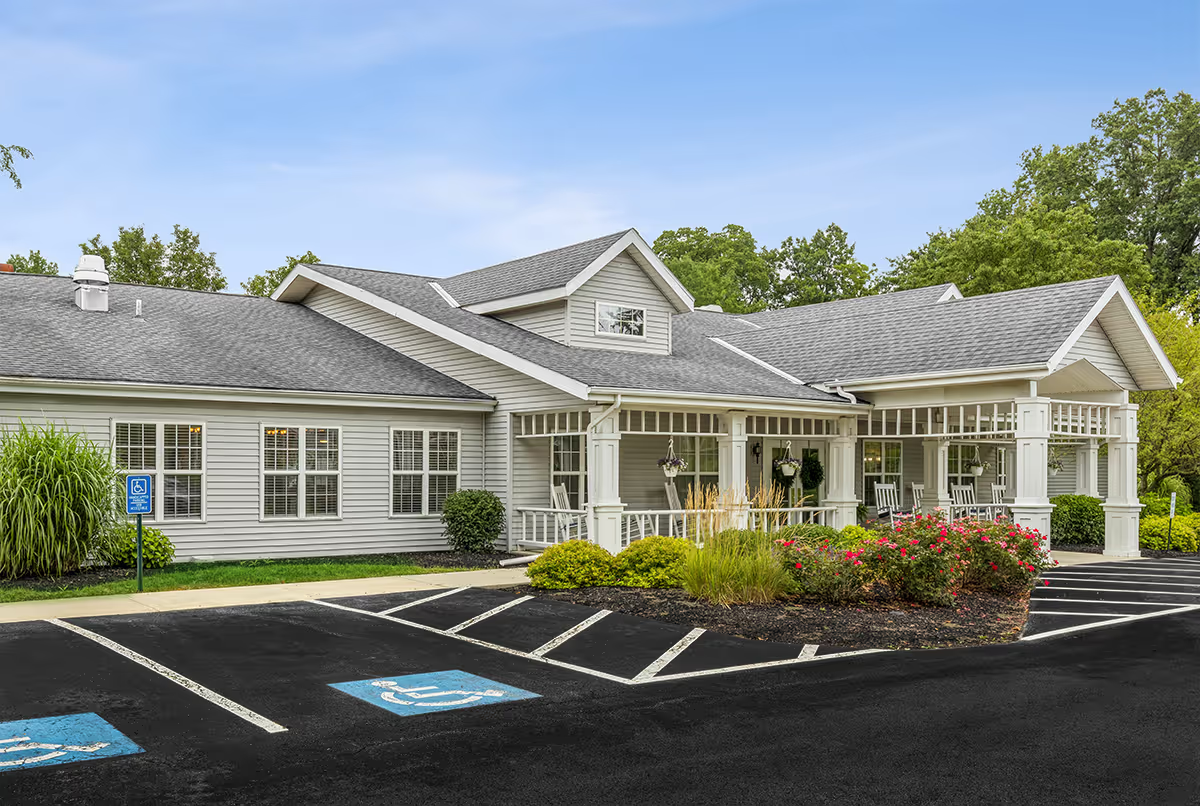
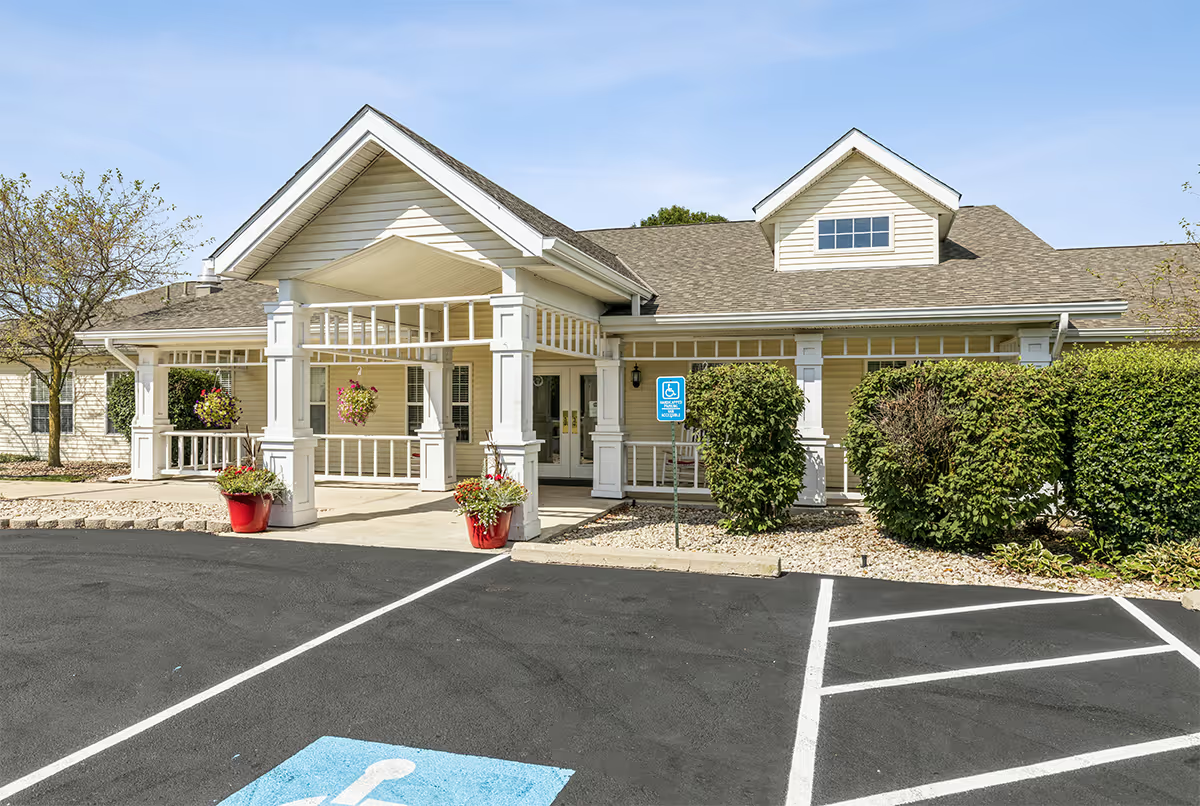
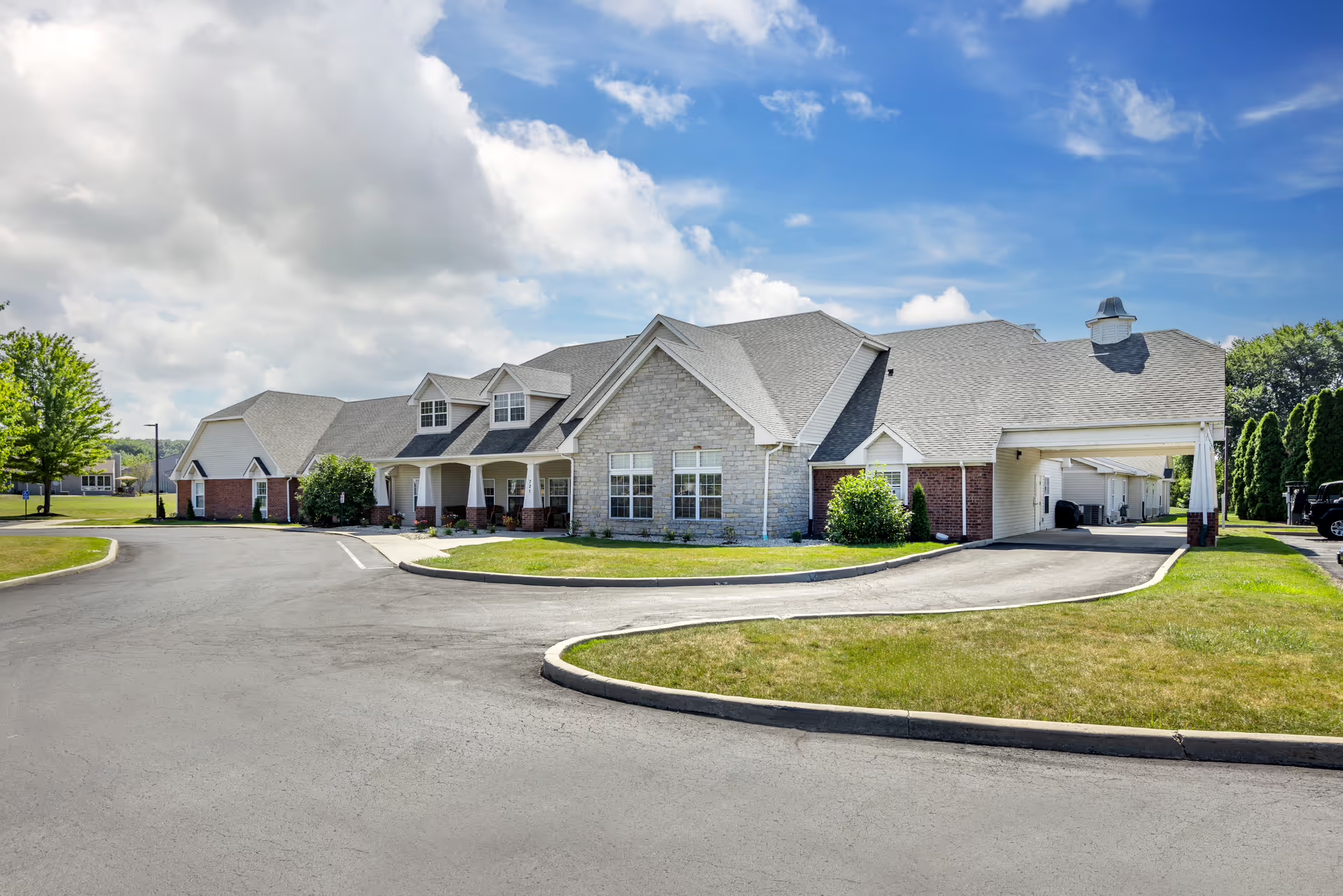
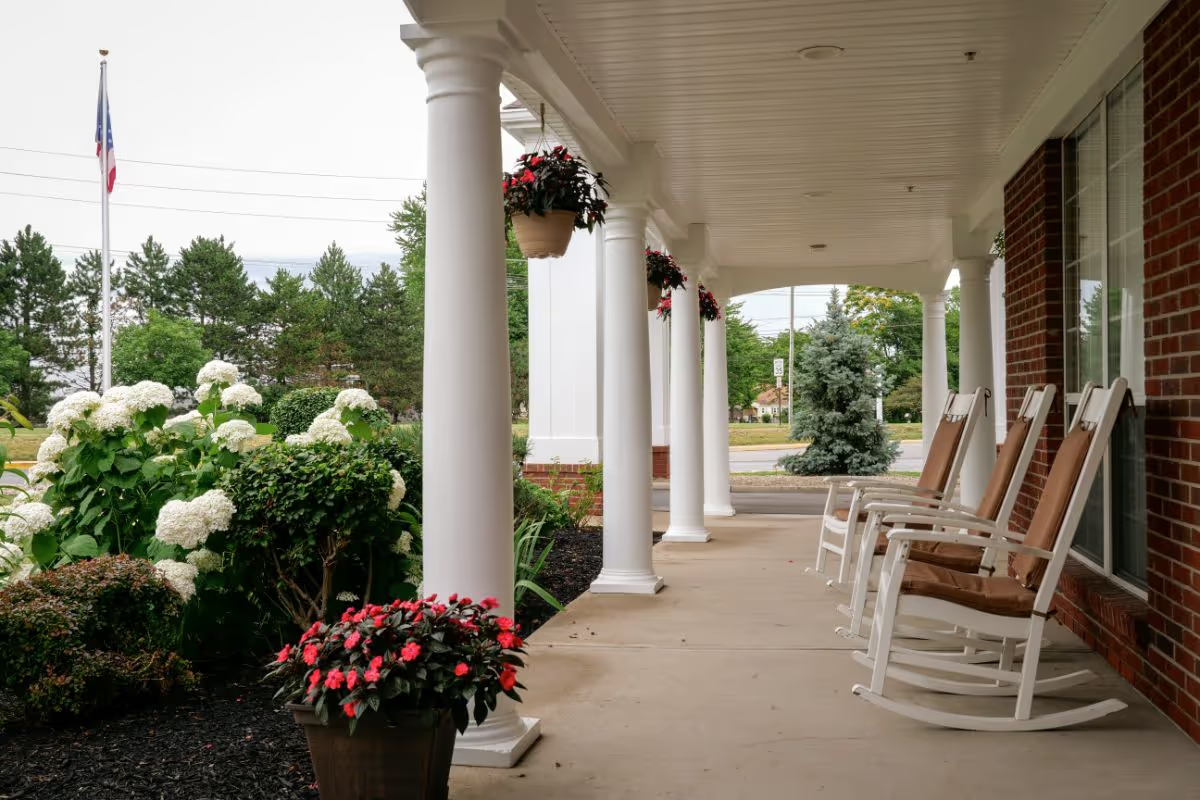
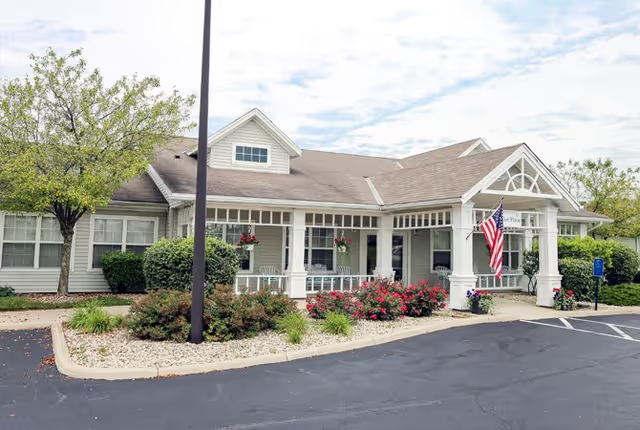
Westbrook Assisted Living & Memory Care presents a mix of strengths and operational inconsistencies. The physical plant and unit types are frequently praised: private apartments with a separate living area and kitchen, one‑bedroom and two‑person options, a large central gathering space, and an on‑site theater support resident socialization and privacy. The community offers on‑site dining (three meals daily), optional church services, and visible staff safety monitoring in common areas. Many families describe helpful move‑in assistance and a welcoming atmosphere that eased transitions.
Care quality and staff behavior elicit broadly positive but mixed feedback. Numerous accounts highlight compassionate, attentive caregivers and focused dementia-care practices; some families report long‑term residents thriving without pressure wounds and say staff show empathy and responsiveness. At the same time, reviewers describe variability in staff conduct and responsiveness by shift, with specific concerns about night‑shift interactions and an uneven tone during some activities. There are also recurring concerns about medication and pain‑management practices and about communication with families following critical events.
Dining and activities are similarly variable. Several comments praise food and an active calendar of events, resident council meetings, and reestablished social programming. Conversely, others note declining food quality and an inconsistent activity schedule; examples include exercise classes delivered in a manner some found infantilizing and periods when programming was sparse. These mixed impressions suggest program strength when well staffed, but uneven delivery when staffing or leadership is strained.
Facility operations and management show identifiable patterns that prospective families should evaluate. Reviewers indicate high staff turnover and occasional role conflicts (for example, leadership or managerial staff holding multiple operational roles), which can compromise continuity of care and program consistency. Housekeeping and room‑preparation practices appear inconsistent in some cases. There is also a specific security concern regarding unlocked entry doors and a broader comment about the placement of dining and recreation spaces at the building entry, which some found suboptimal for traffic flow and privacy.
Cost and value are a recurrent theme. Westbrook is positioned at the higher end of local pricing; some families consider the price commensurate with the care and environment, while others question overall value given the operational inconsistencies described above. For prospective residents and families, an in‑person tour that includes direct questions about staffing ratios, memory‑care programming and unit availability, medication and pain‑management protocols, housekeeping schedules, door‑security procedures, and the roles of leadership staff is advisable. Asking to meet day and night staff, reviewing recent staffing turnover, and observing a meal and an activity can help assess whether the community’s strengths align with a particular resident’s needs.