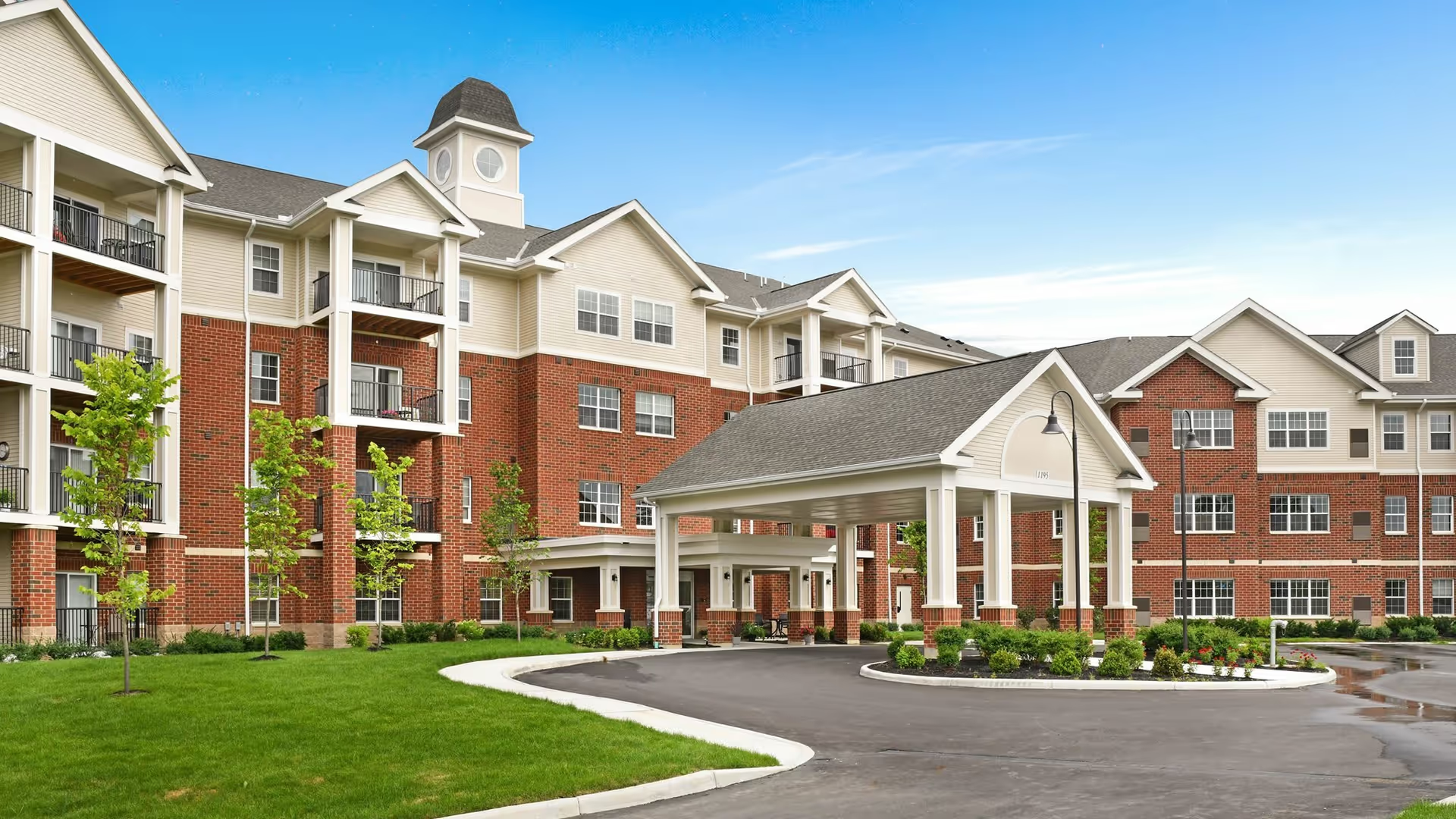
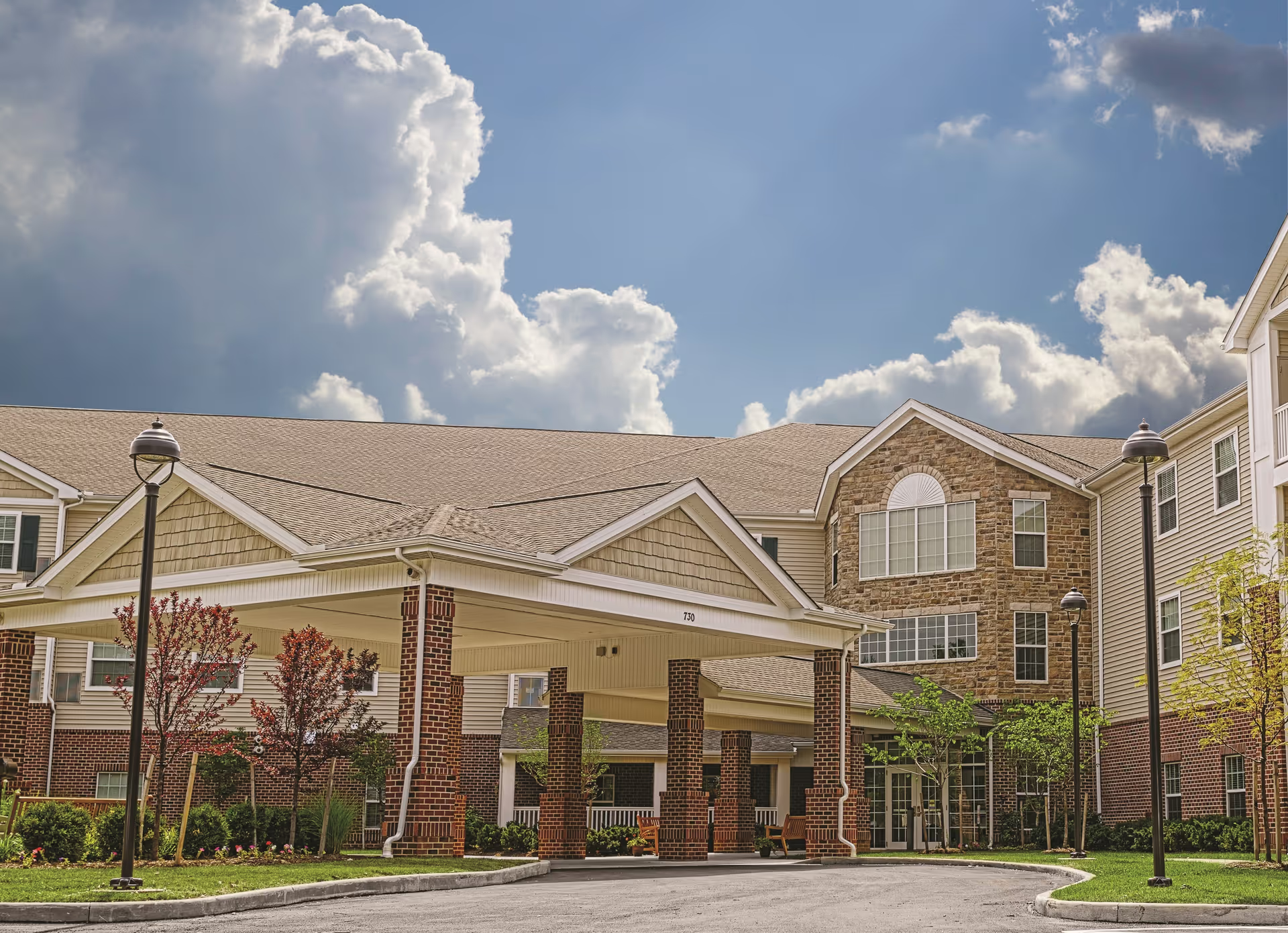
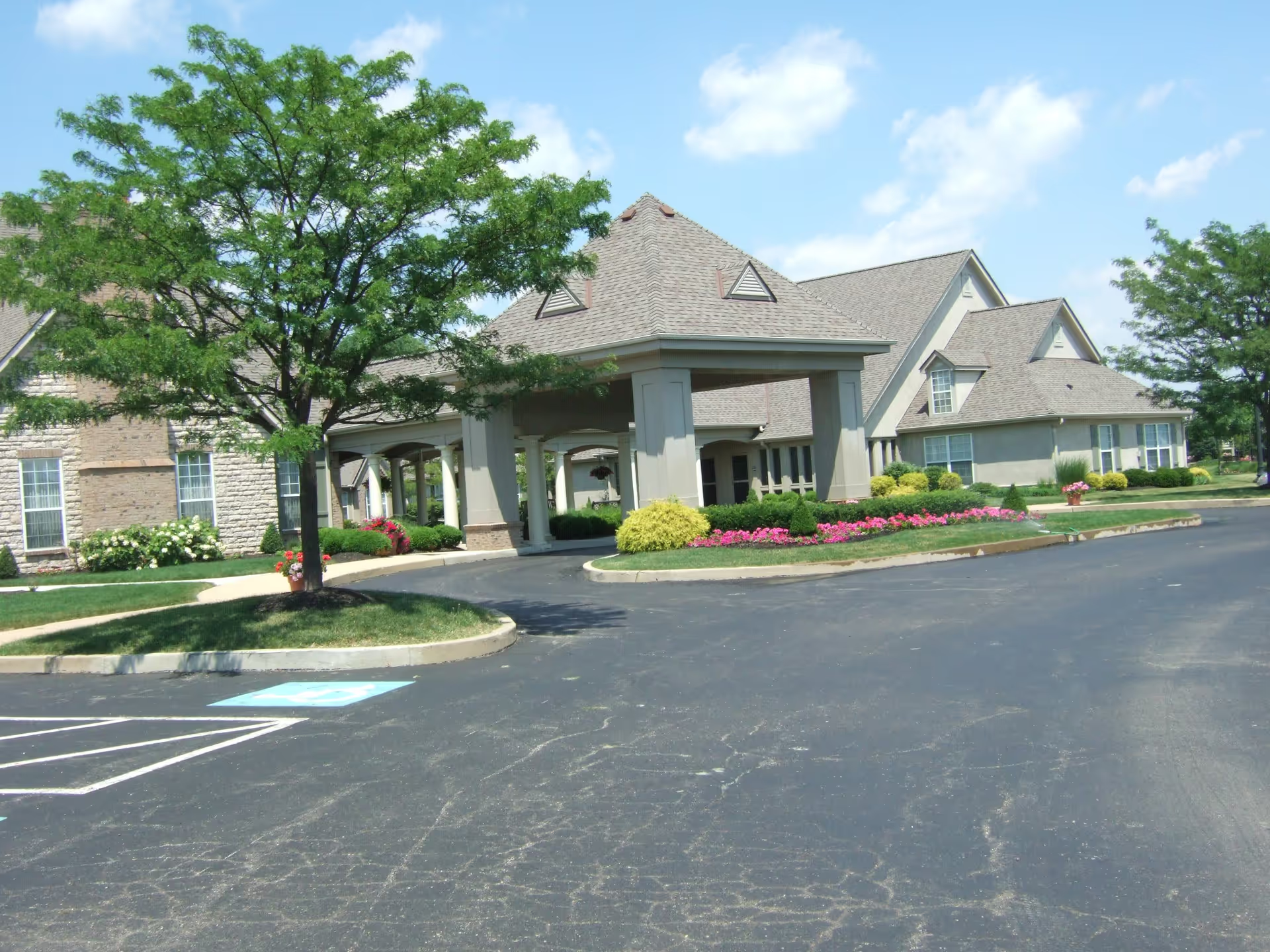
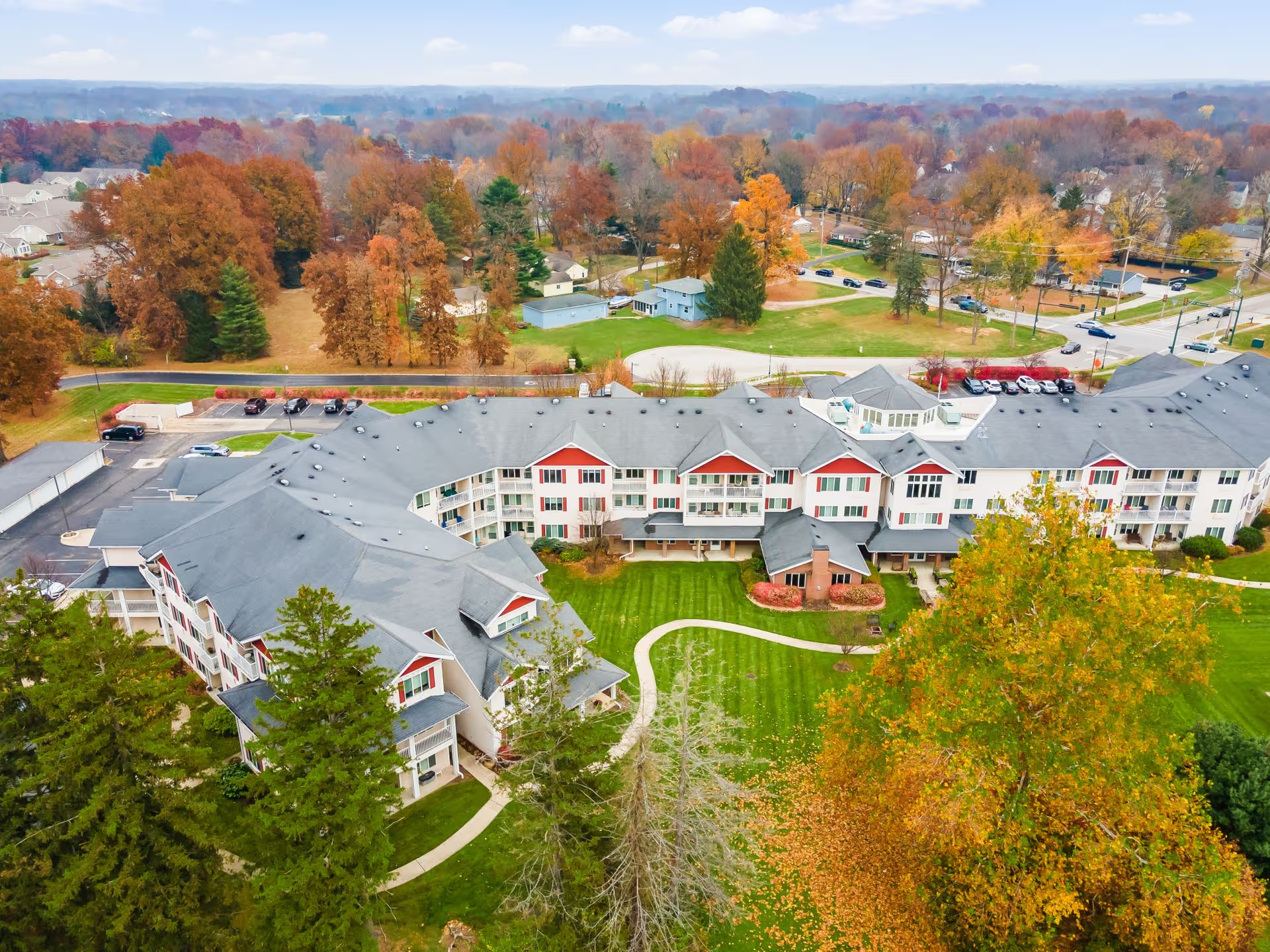
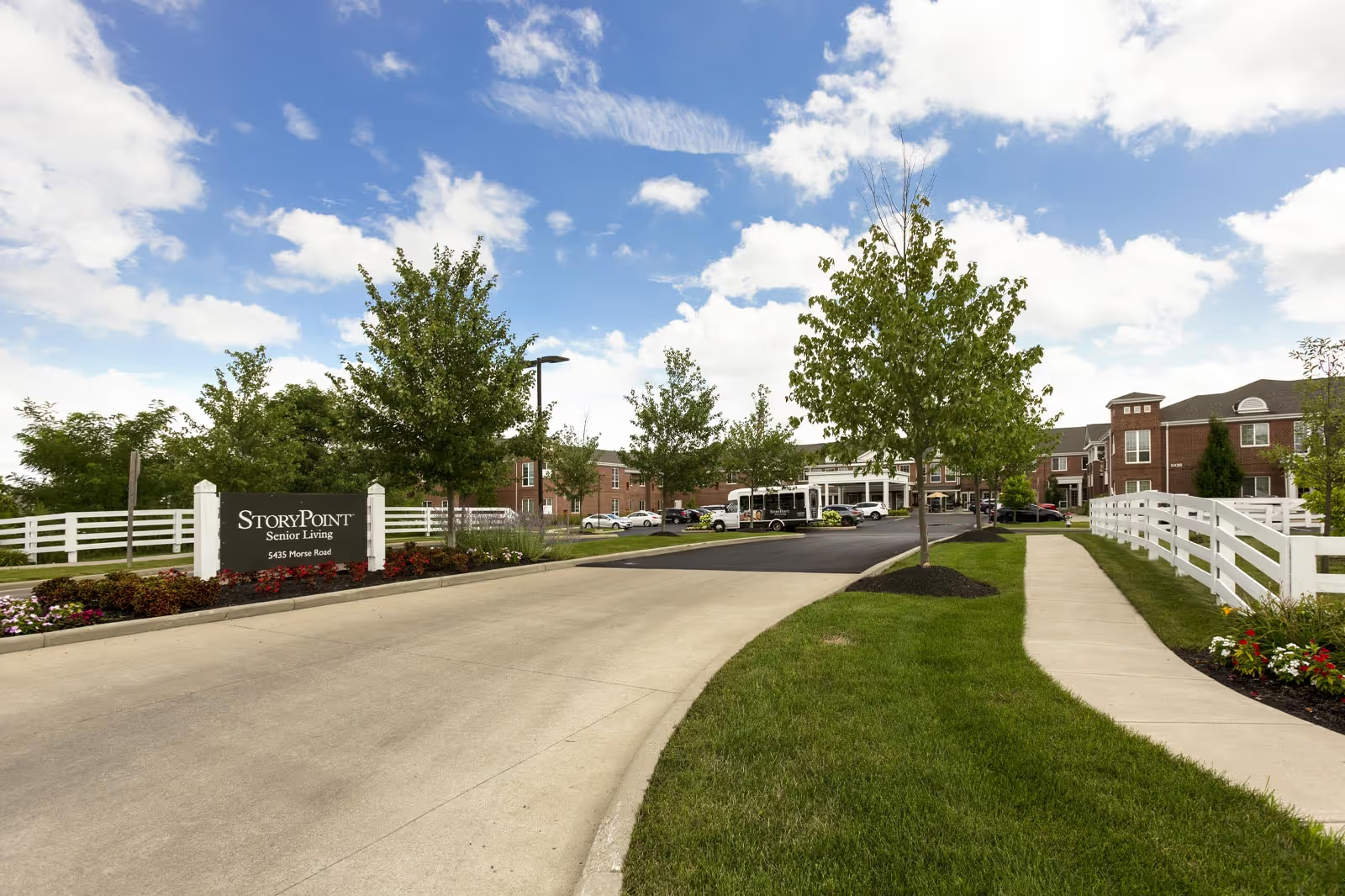
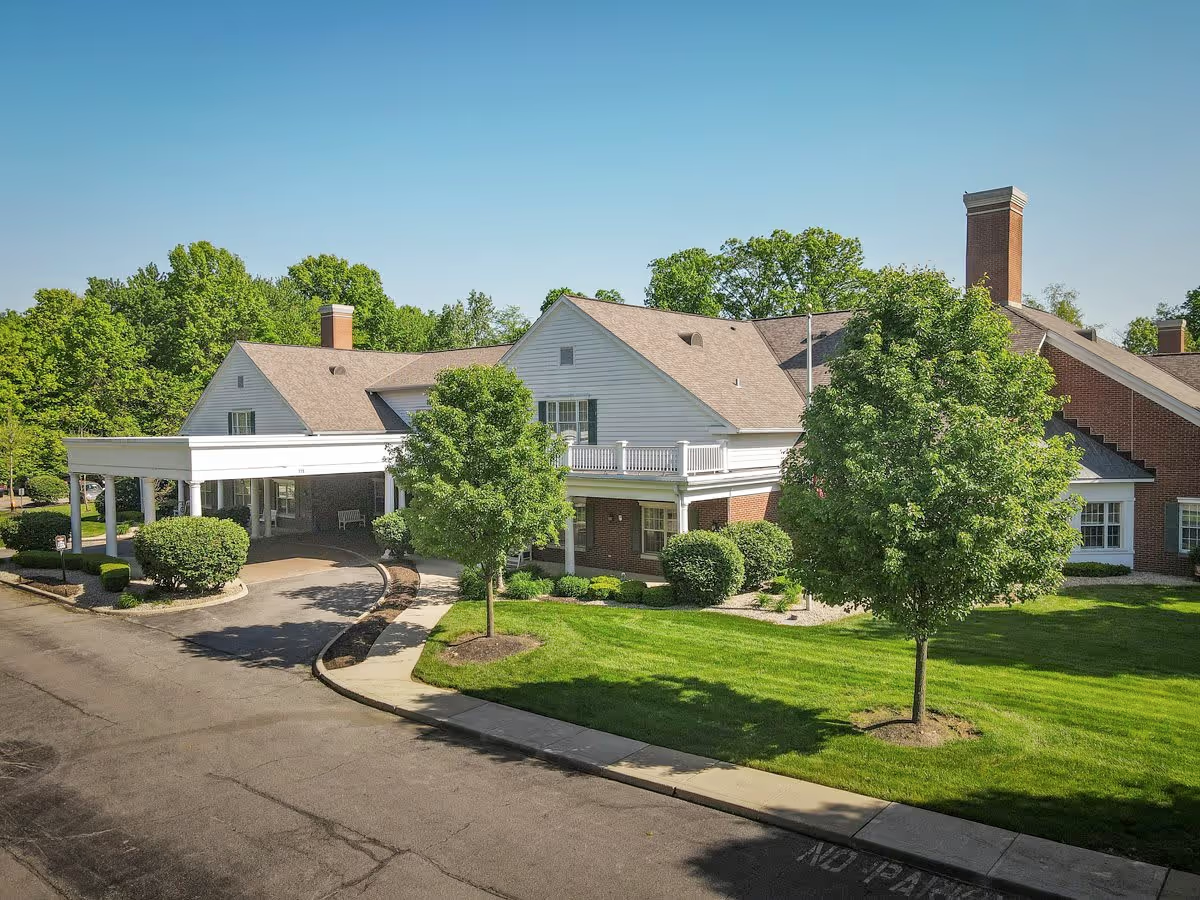
Overall impression: The Village of Westerville presents as a community with pronounced strengths in resident-focused staffing, dining leadership, and a rich activity calendar. Many reviewers emphasize a warm, home-like atmosphere, visible staff engagement, and long-tenured employees in key support roles. The property benefits from attractive landscaping, gardens, comfortable common rooms, and a variety of apartment layouts; these physical features, together with pet-friendly policies and coordinated clinical services, contribute to a strong sense of community and good value for many families.
Care and staff: Staffing and direct-care relationships are the most consistently praised aspects. Numerous accounts highlight compassionate, attentive aides, nurses, and admissions coordinators who support transitions and end-of-life care. There is evidence of continuity of care in some areas — long-serving custodial and reception staff and proactive admissions coordinators were singled out by name. At the same time, reviewers describe variability in staff demeanor and responsiveness. Staffing shortages and turnover have been linked to delays in attending to personal-care needs and inconsistent housekeeping. A few reviews cited concerns about medication handling and one-off administrative lapses; these suggest areas where operational consistency could be improved.
Dining: Culinary services are a clear strength, anchored by an experienced head chef and frequent praise for chef-prepared meals. Many residents and visitors describe the dining room as pleasant and the food as healthy and flavorful. However, there is variability in meal execution — occasional comments note overcooked items, temperature inconsistencies, and a tendency toward sweet desserts. Overall, dining quality leans positive but not uniformly consistent across all meals.
Activities and social life: The community supports an active schedule with daily activities, live music, outings, exercise classes, and social groups that foster high resident participation. Common rooms, libraries, craft spaces, and regular field trips contribute to a lively environment. A recurring gap is the need for a broader set of programs specifically tailored to residents with cognitive impairment; reviewers who raised this concern noted fewer age-appropriate or memory-supportive options compared with other offerings. Some accounts also indicate that programming was reduced during recent leadership changes but that some activities have since been restored.
Facilities and maintenance: The campus and outdoor areas receive positive remarks for landscaping, seating, raised garden beds, and an inviting lobby. Several reviewers also noted dated finishes in older independent-living apartments and slow progress on renovations. More operationally material are reliability issues with mobility equipment (elevators and chair lifts) and delays in repairs due to parts/backorders; these outages have had downstream effects on resident access to programming and raise practical accessibility and evacuation-planning concerns for upper floors. A smaller but repeated issue is intermittent odor concerns in certain common areas that staff have not always resolved promptly.
Management and patterns: Experiences with management are mixed. Some reviewers praised executive leadership, responsive admissions staff, and coordinated clinical partnerships (including hospice). Others described recent leadership changes that coincided with program cuts, declining staff morale, and less receptive complaint-handling. The pattern that emerges is one of a community with many operational strengths and a strong core of caring staff, while also experiencing variability tied to staffing levels, equipment reliability, and leadership transitions.
Bottom line: The Village of Westerville is frequently recommended for its caring staff, strong dining program, attractive grounds, and active social life; it offers good value and solid clinical coordination for many residents. Prospective residents and families should weigh those strengths against recurring operational concerns—particularly equipment reliability, staffing consistency, and the pace of building renovations—and ask specific questions about current staffing levels, maintenance-response protocols, medication-handling practices, and the availability of cognitive-support programming during tours and meetings with leadership.