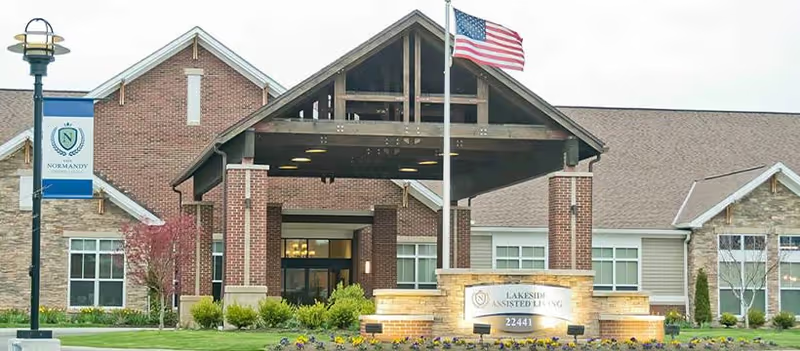
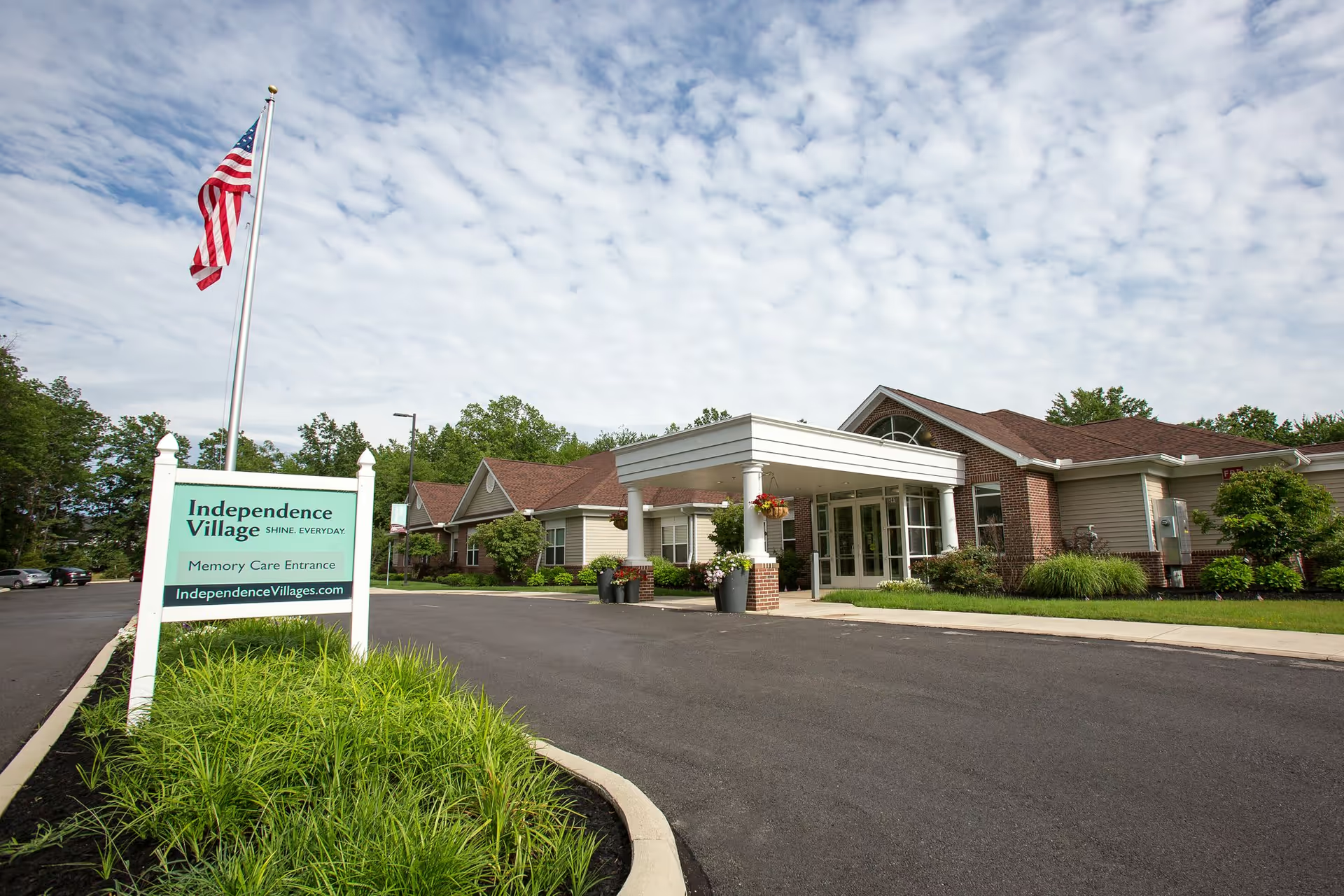
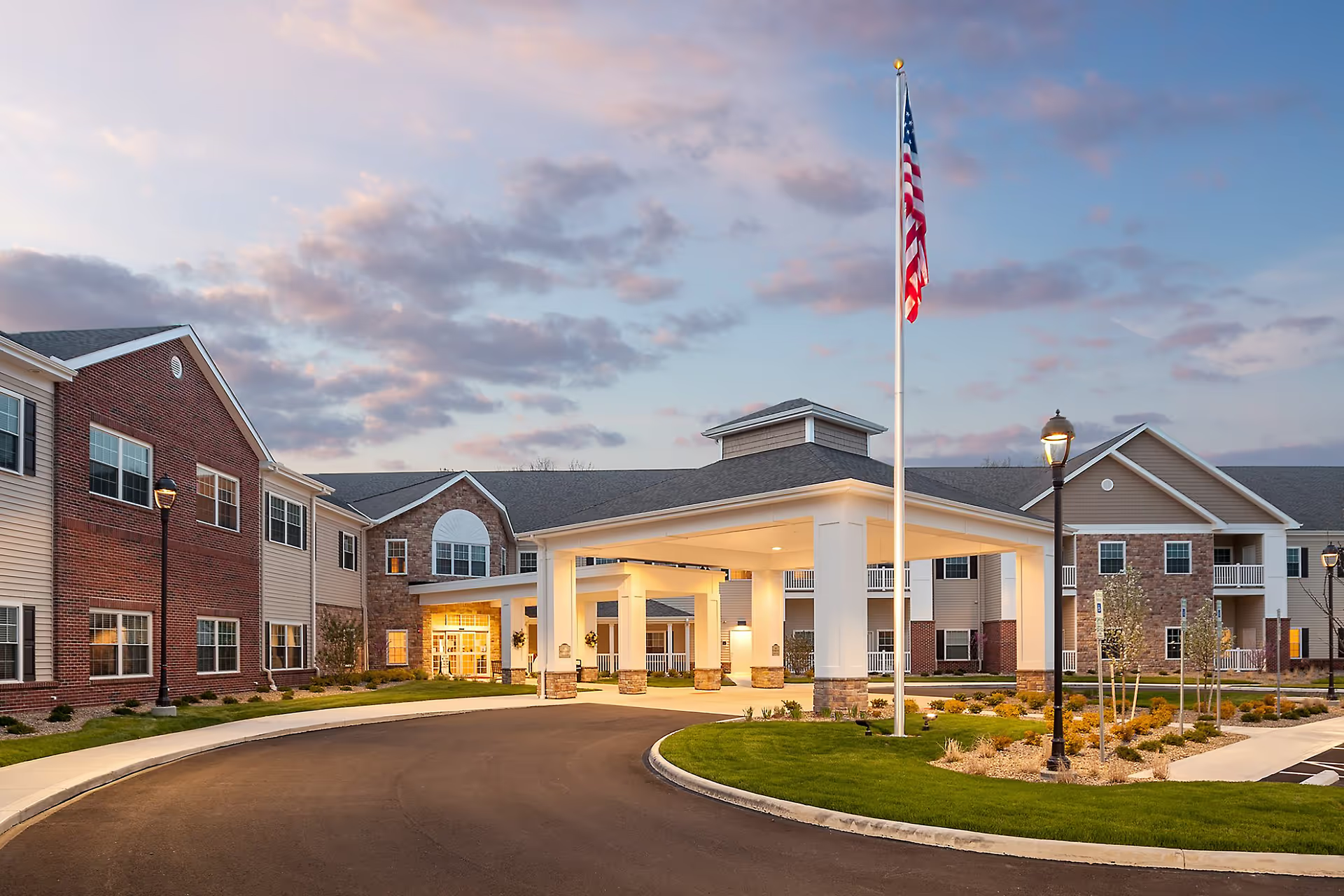
Fairmont Senior Living of Westlake elicits predominantly positive assessments for its day-to-day resident experience, with repeated praise for the direct-care workforce, social programming, and on-site amenities. Reviewers commonly describe a warm, home-like atmosphere supported by long-tenured caregivers, visible nursing coverage on each floor, and a range of clinical services including skilled nursing and physical therapy. Many families highlight strong staff–family communication, regular updates, hospice support when needed, and consistent caregiver assignments that help residents form relationships.
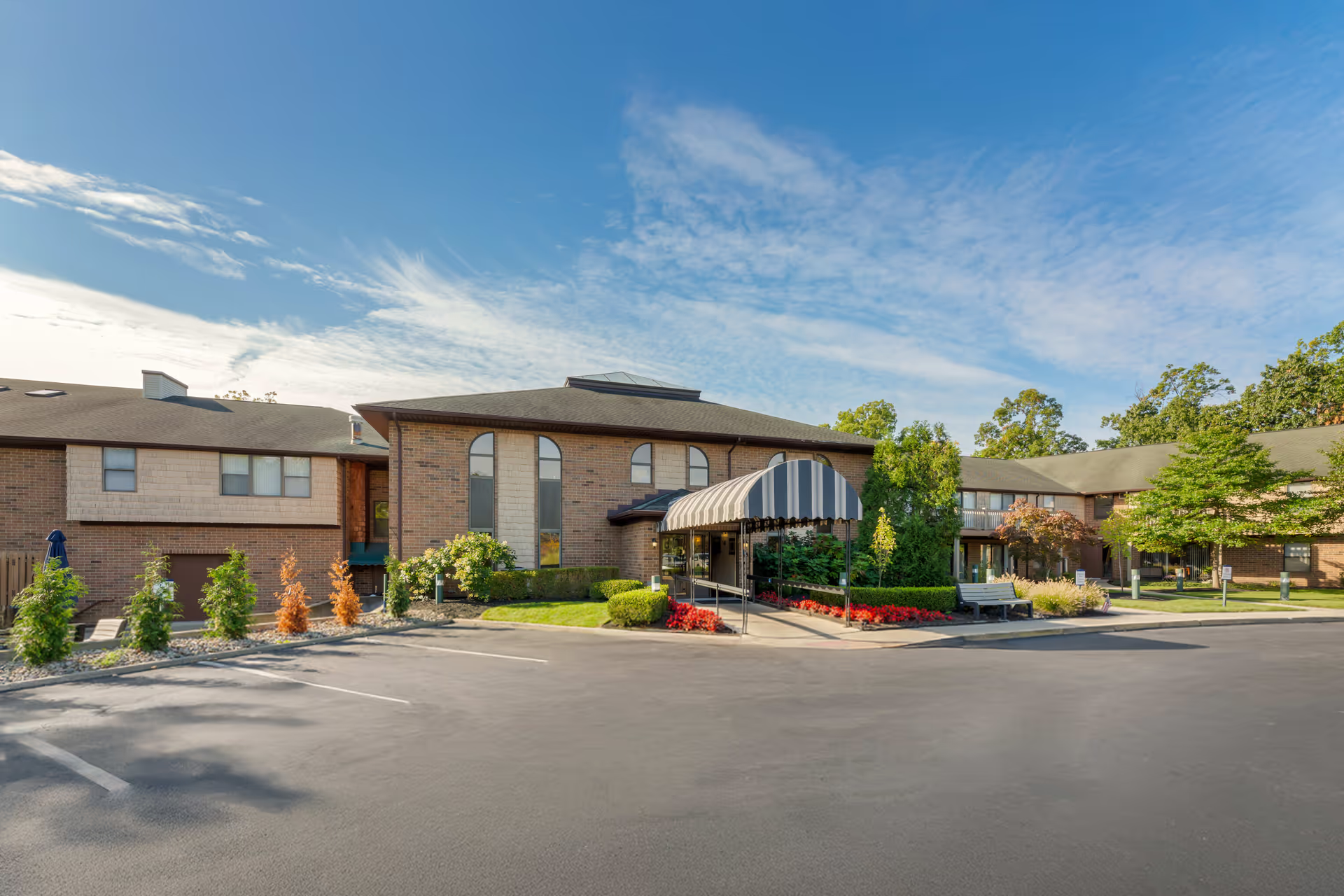
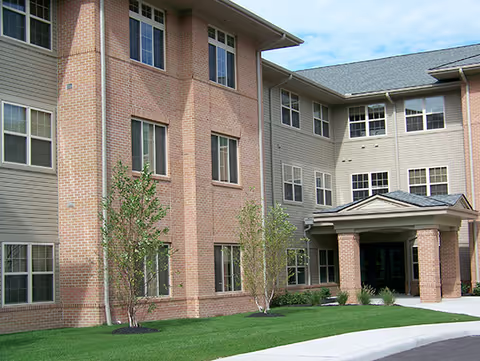
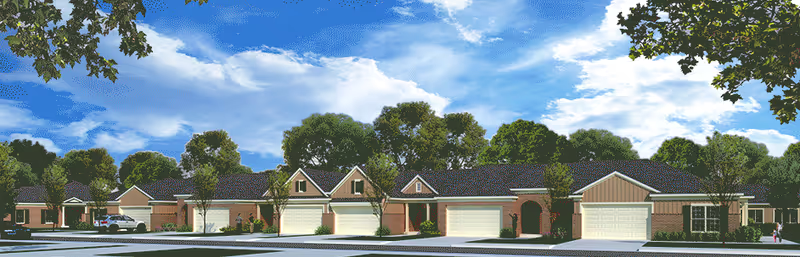
Dining and social programming are frequent strengths. The community offers freshly prepared meals, dietary accommodations (including gluten-free and vegan options), guest-meal access, and snack areas. Activity offerings are broad and active—bingo, balloon volleyball, live music, crafts, outings and clubs—contributing to resident engagement and socialization. Facility amenities such as a salon, library, courtyard, walking areas, and pet-friendly policies augment quality of life. The physical plant is often described as bright, clean, and wheelchair accessible, with multiple living areas spanning independent, assisted, and memory-care levels.
Alongside these strengths are recurring operational concerns prospective families should evaluate. Financial and billing transparency issues appear as a pattern: unclear move‑in charges, referral-credit disputes, and invoicing or late‑fee disagreements. Administrative follow-through and communication gaps are also noted, at times including delayed responses from management. Staffing variability—temporary personnel, short-staffing, and uneven responsiveness to call‑bells—has been reported intermittently and can affect timeliness of personal care.
Clinical care patterns show both high points and areas for caution. Positive aspects include visible nursing presence, good therapy engagement, and attentive aides. However, reviewers cite inconsistent personal‑care scheduling (for example, delayed bathing or hygiene support), occasional lapses in medication or catheter management, and limited capacity to manage higher-acuity medical needs on site. There are also mentions of sanitation and pest-control concerns in some areas and difficulties managing food allergies and meal-timing continuity. A small number of serious concerns—including accounts characterized as allegations of misconduct or documentation irregularities and references to regulatory attention related to personal-care lapses—warrant careful follow-up during a tour and reference checks.
For families considering this community: weigh the evident strengths in staffing culture, activities, and dining against operational and administrative risks. Key due-diligence steps include reviewing the contract and all move-in/billing terms in detail, asking about current staffing levels and consistency, confirming protocols for personal-care schedules and medication/catheter management, inquiring about pest-control and sanitation practices, and verifying whether the community can meet any higher-acuity or Medicaid-related needs. An in-person visit, meetings with nursing leadership, and confirmation of recent regulatory history will help determine whether the facility’s positive daily environment aligns with your loved one’s clinical and financial requirements.