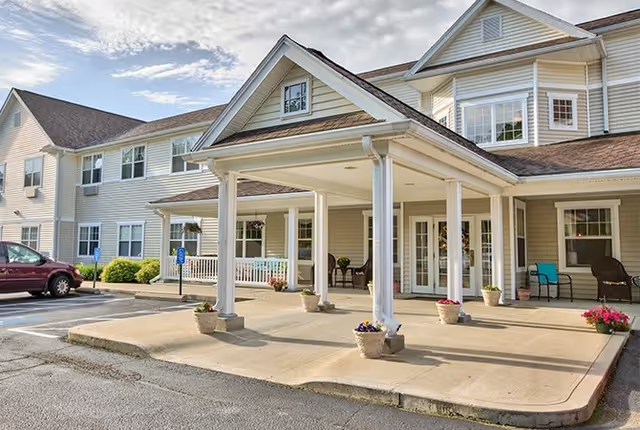
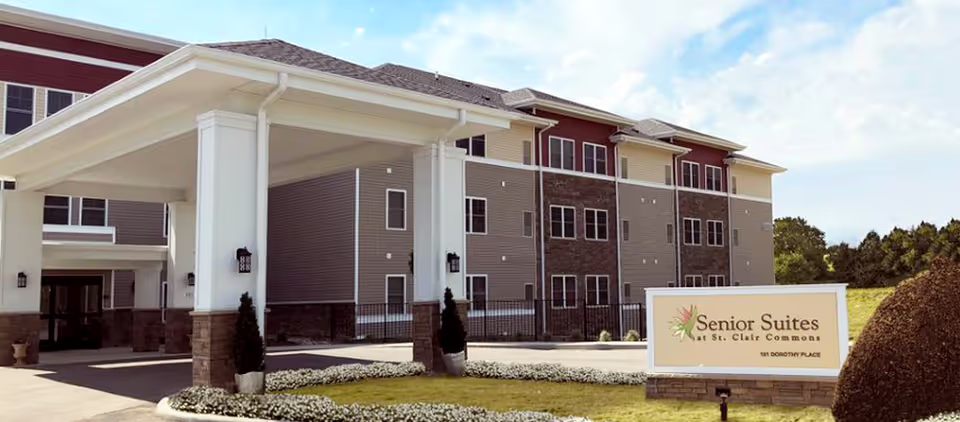
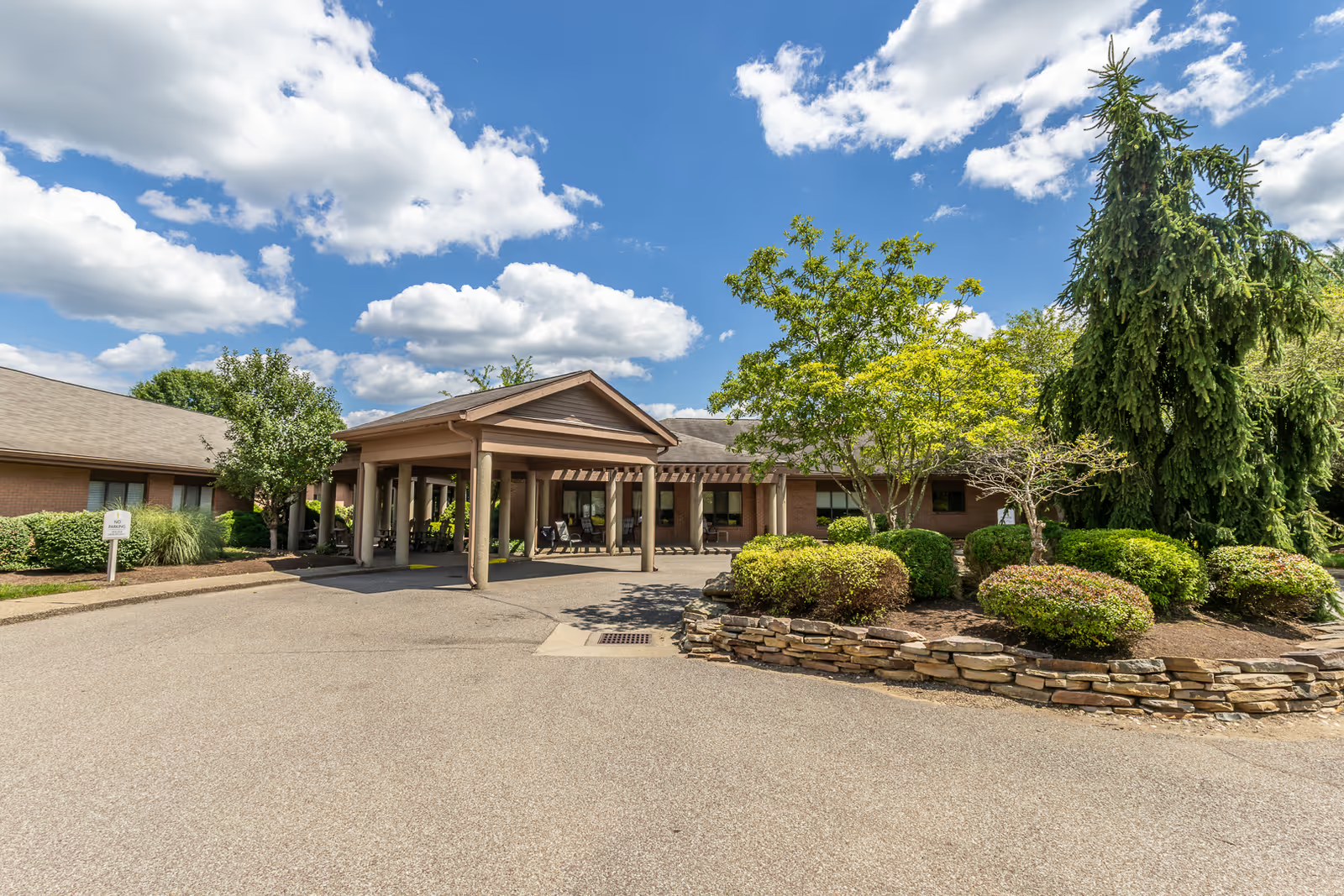
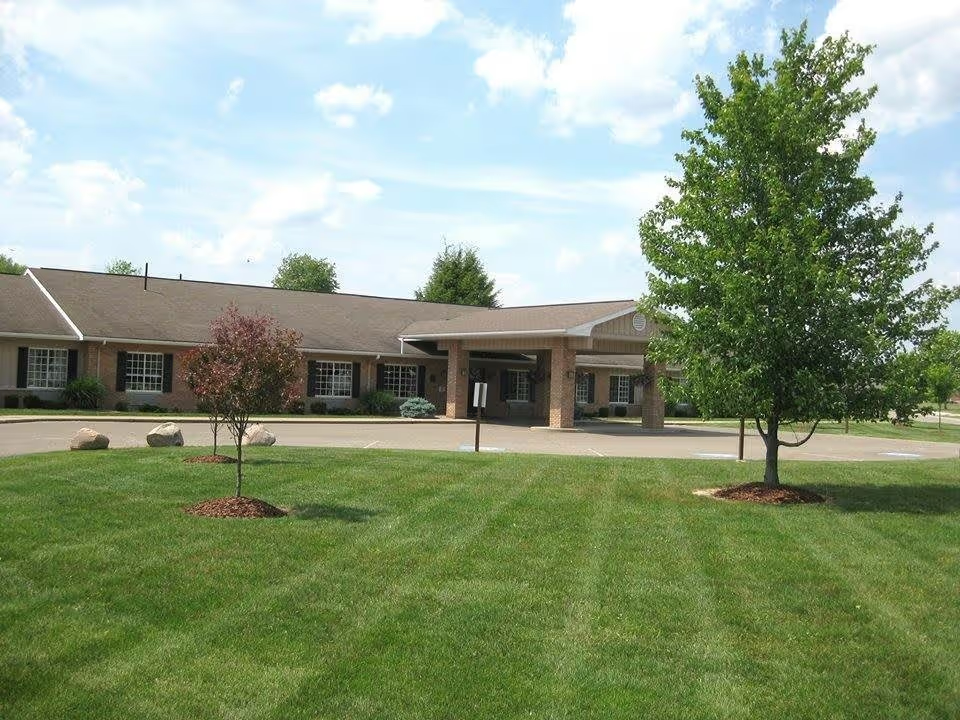
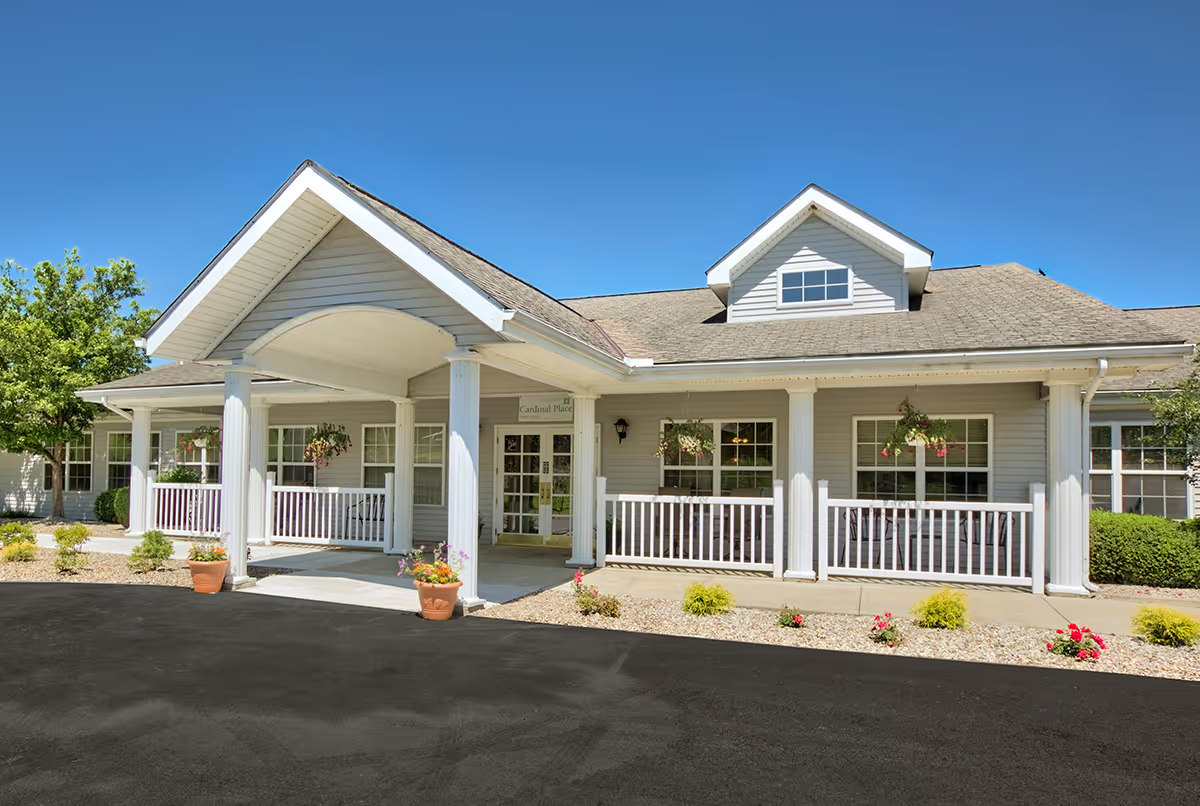
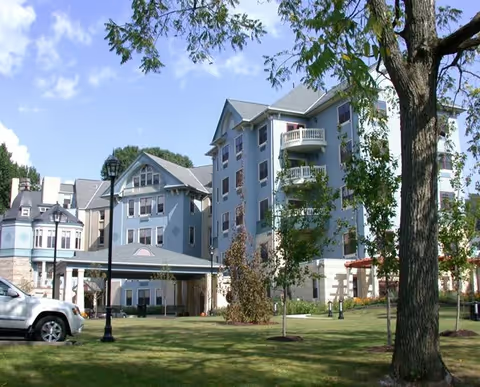
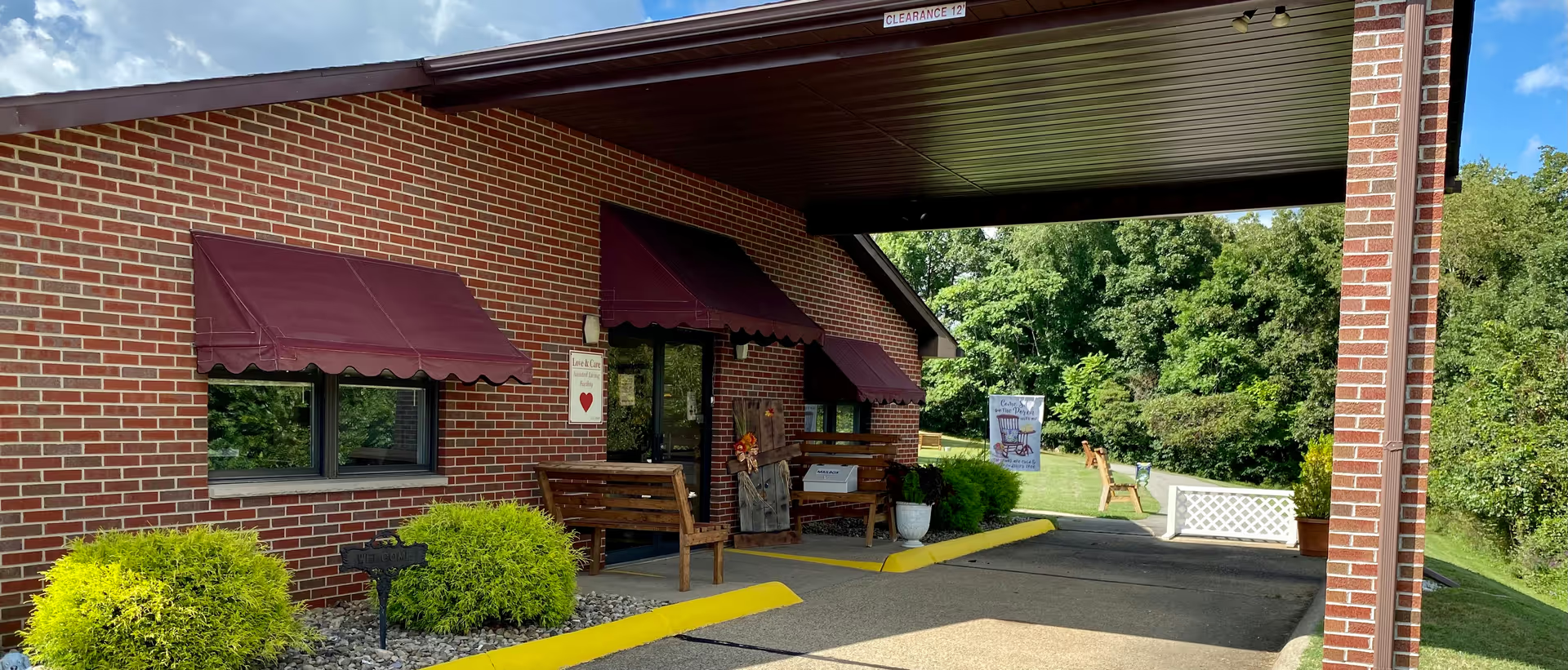
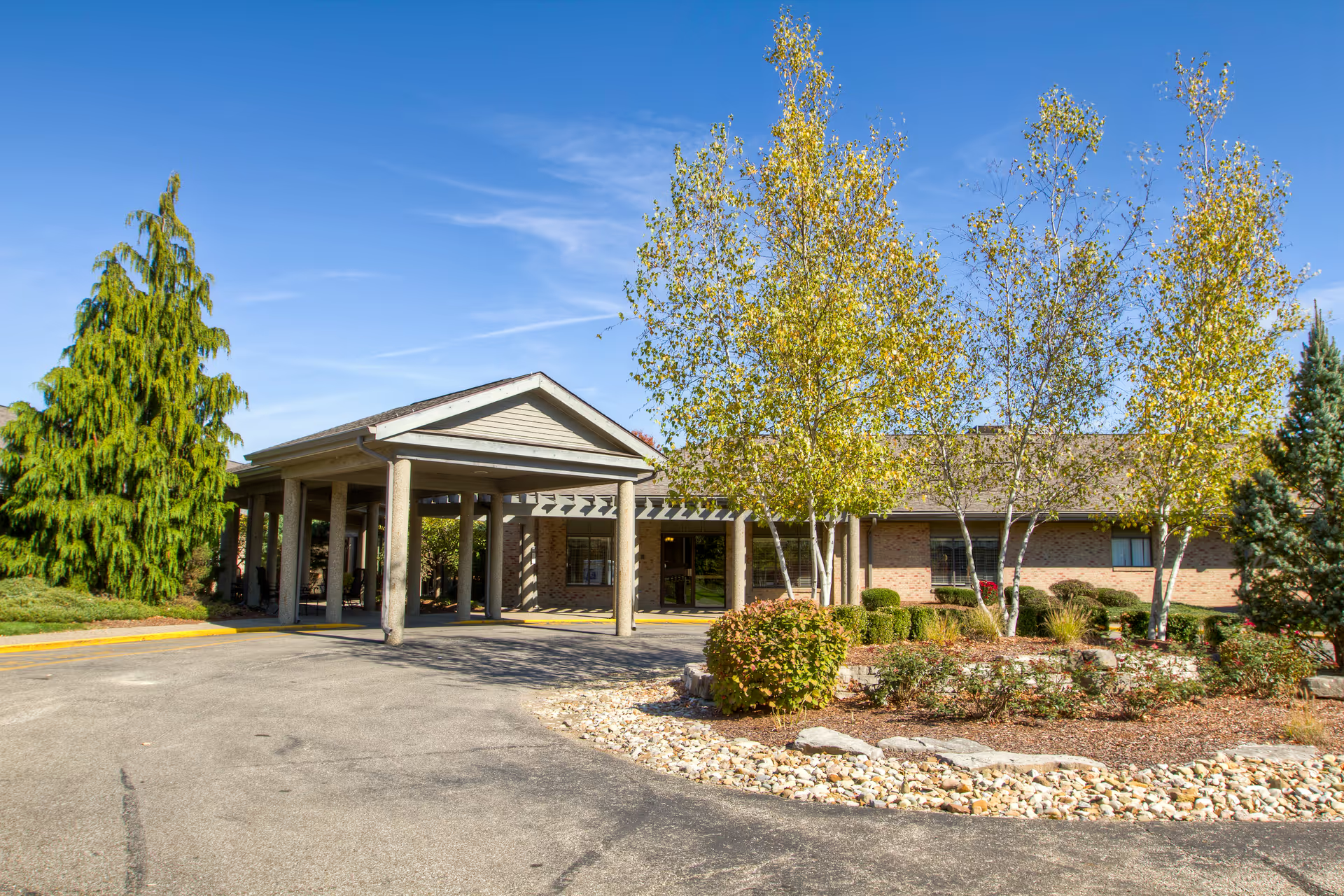
Overall impressions emphasize a facility with strong interpersonal strengths and a well-maintained physical environment. Reviewers consistently highlight compassionate, personable caregivers, a dedicated nursing and STNA workforce, and long-tenured staff who create a family-oriented culture. The building and common areas are described as clean and odor-free, and front-desk reception is characterized as friendly. Several accounts praise therapy, social work, and dietary services for responsiveness and professionalism, and some reviewers singled out dietary leadership as a particular strength.
Clinical and day-to-day care are often described positively: families note attentive nursing, helpful therapy teams, and cooperative coordination with physicians. Staff morale and relationships with families are repeatedly mentioned as strengths, producing a sense that residents are treated with respect and inclusion. Activities programming receives favorable mention, including the opportunity for visitors to participate, which supports social engagement for residents.
Areas for improvement center on a few operational patterns. Dining quality is uneven—while some reviews praise the dietary staff and manager, others express clear dissatisfaction with meals—suggesting variability in consistency or menu preferences. Medication management, particularly pain control, is another concern: reviews indicate instances where pain management decisions or access to medications were problematic, pointing to a need for clearer clinical protocols or physician–family communication around symptom control.
Other recurring operational issues include occasional delays in responding to personal-care needs and variability in responsiveness between shifts. Some reviewers described instances that imply gaps in staff communication tone and conduct, as well as procedural weaknesses around privacy and HIPAA practices. Finally, visitation procedures implemented during infection-control periods (masking, visitor-registration devices) remain a point of friction for some families; this suggests a potential need for more flexible, clearly communicated visitation policies as circumstances change.
In summary, the facility appears to provide warm, family-centered care within a clean and well-run environment, supported by committed long-term staff and responsive ancillary services. Prospective residents and families should weigh those strengths against operational inconsistencies in dining, medication/pain-management practices, shift-to-shift responsiveness, and certain communication and privacy procedures. Asking specific questions about current dining menus, pain-management protocols, shift staffing patterns, and the facility's visitor/privacy policies during a tour would help clarify how these issues are handled today.