The reviews present a mixed but distinct pattern: many families describe a small, well-maintained facility with a family-like atmosphere and several operational strengths, while a minority raised strong concerns about staff behavior, communication, and certain aspects of care follow-up. Overall impressions range from high praise for compassionate clinical care and social programming to sharply negative accounts focused on responsiveness and customer-service tone.
Care and staff: Numerous reviewers praised the clinical competence of nursing and medical staff, describing attentive aides, thorough nurses, and effective medication and laundry management. Several accounts highlight that residents are treated with dignity and that administrators communicate well with physicians. At the same time, there are clear concerns about inconsistent staff conduct and responsiveness. These concerns cluster around variable behavior among frontline employees, perceived misallocation of staffing resources, and occasional lapses in follow-through on assistive-device or clinical needs. Prospective families should note both the facility's demonstrable clinical strengths and the potential for variability in day-to-day staff interactions.
Dining and activities: The facility is consistently credited for an active engagement program — regular outings, games, a therapy dog, and a social environment that many families find comforting. On-site amenities such as a game room, safety ramps, and a designated smoking area were noted positively. Dining impressions are mixed: some reviewers describe delicious, family-style meals, while others report inconsistent food quality and limited alternatives for residents with different preferences. Menu flexibility and meal consistency appear to be operational areas that vary between households.
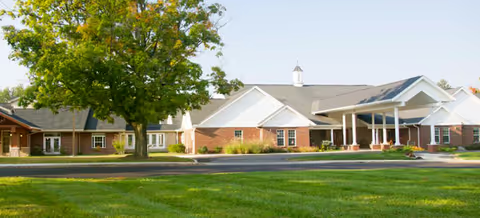
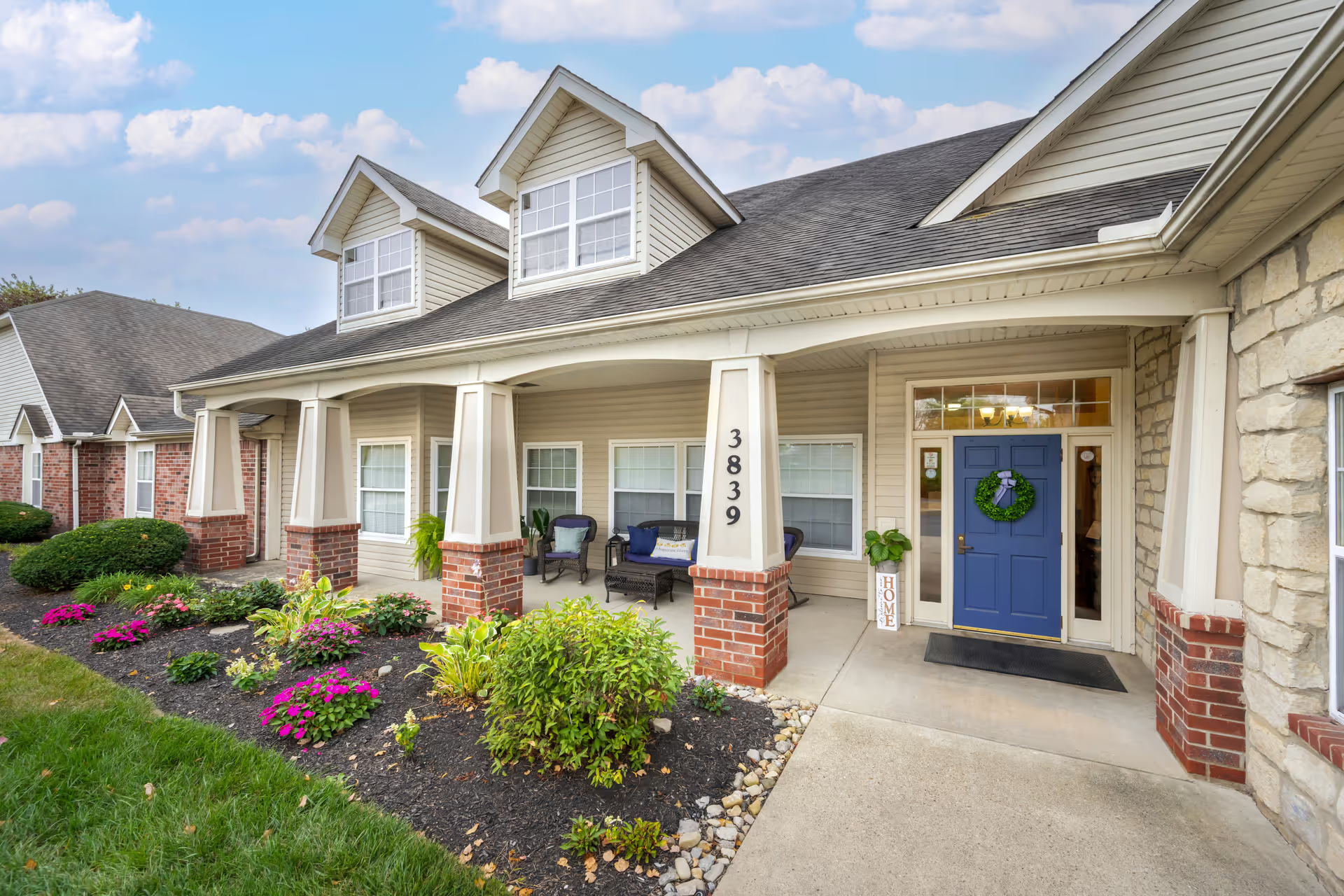
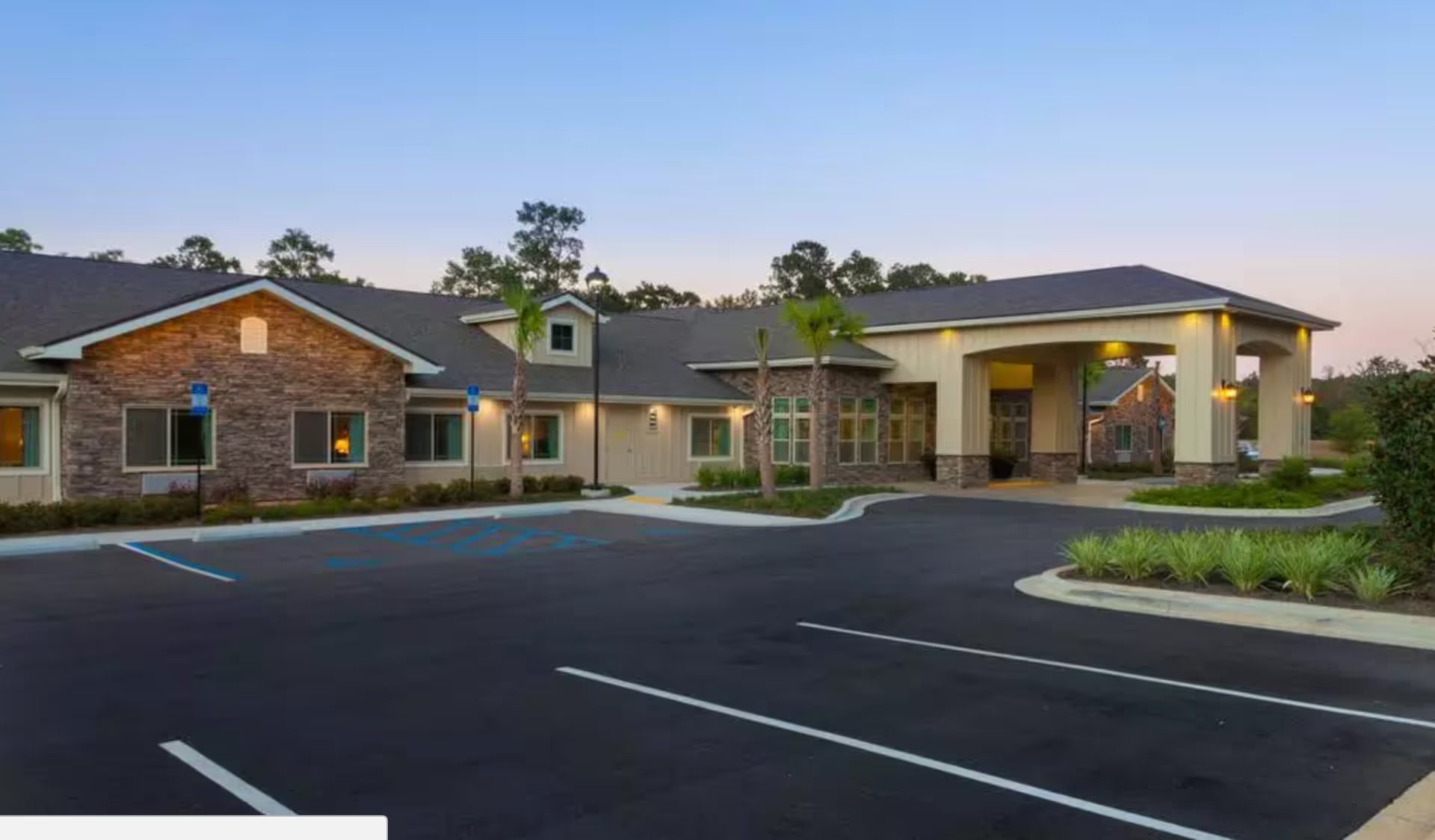
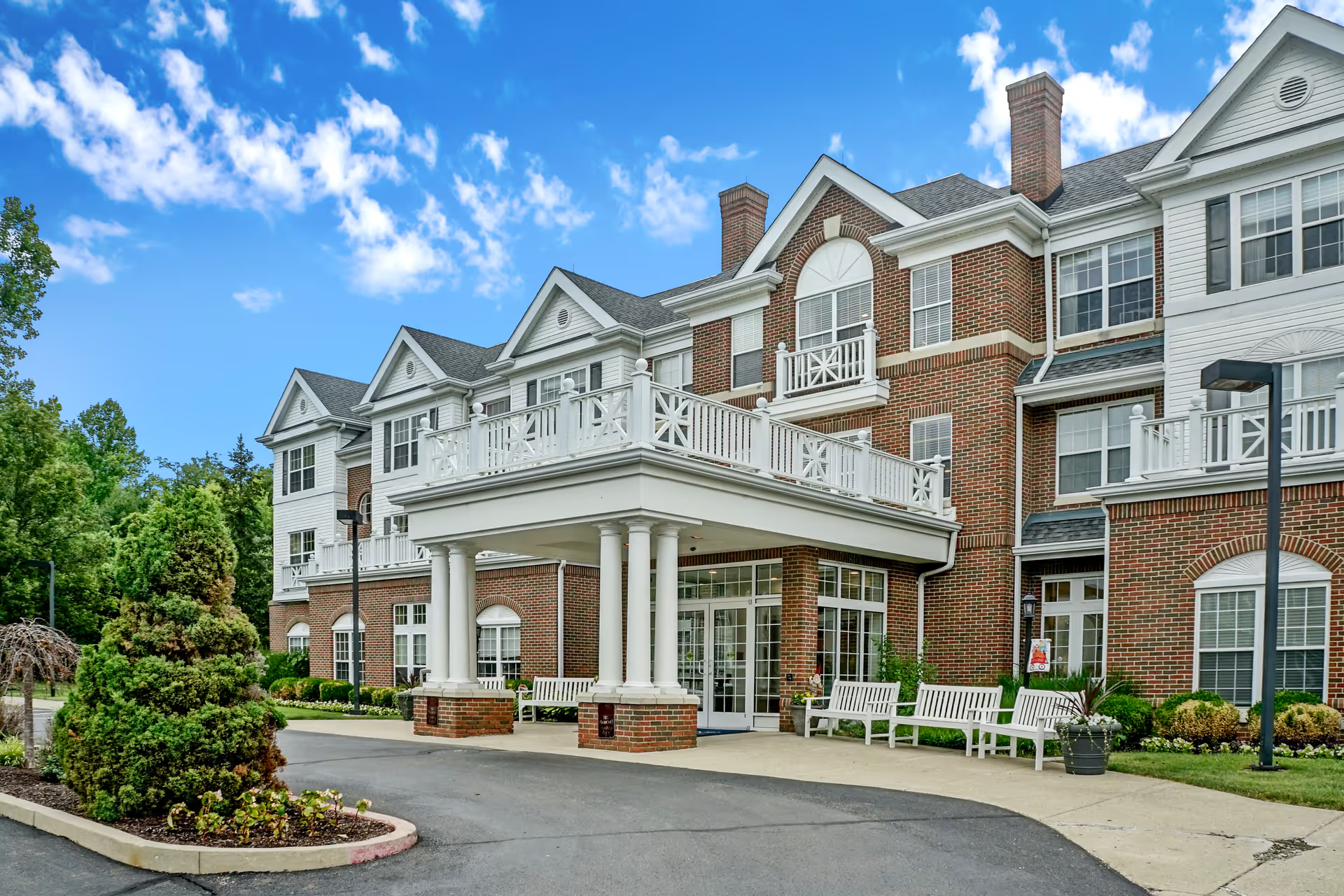
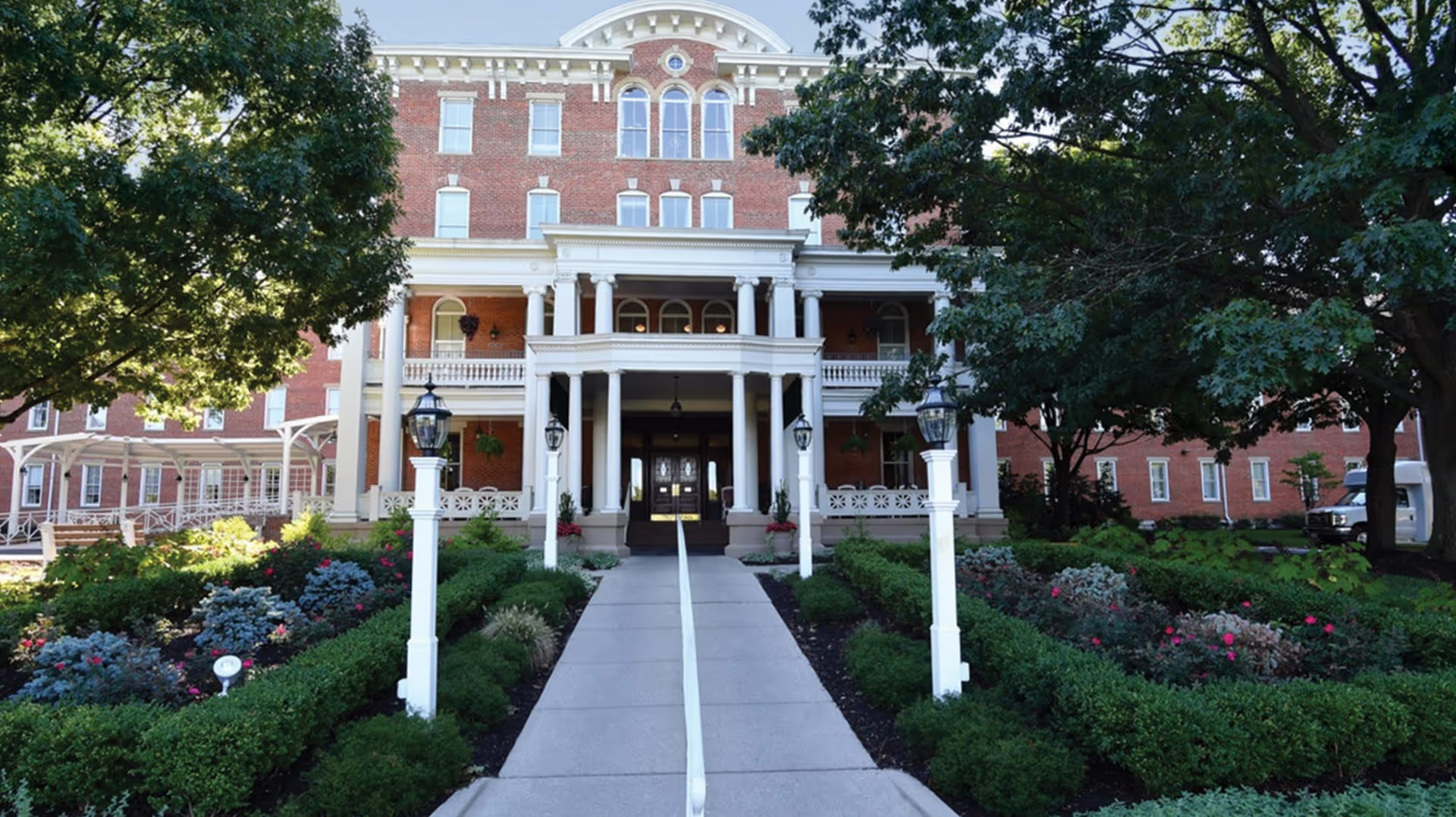
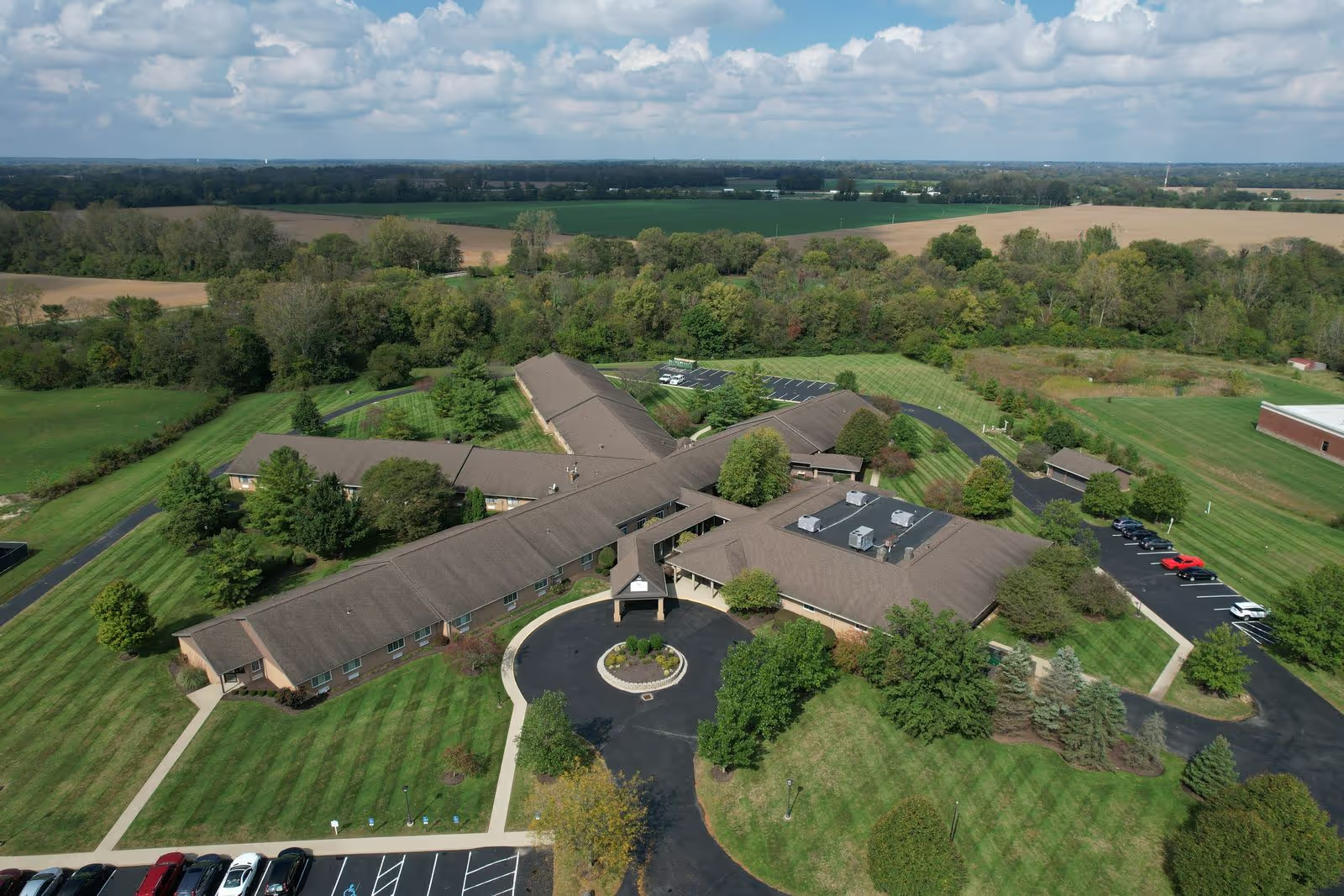
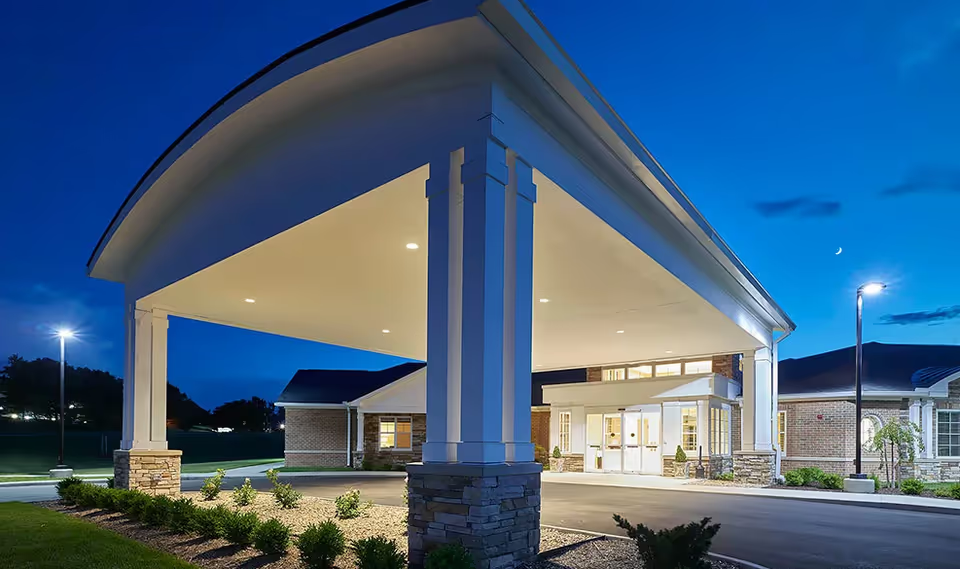
Facilities and management: Physical plant comments are largely positive — reviewers describe a clean, well-maintained building with safety features and a small-community feel. Administrative staff are often characterized as accommodating and thorough, and many families express strong trust in management. Nevertheless, several reviewers cited gaps in family notification practices after illness or injury, and a few identified concerns about how staffing is scheduled or allocated. There are also isolated complaints about nighttime noise or sleep disruption, suggesting variable effectiveness of noise-management and overnight staffing protocols.
Notable patterns and considerations: The strongest pattern is a split between consistently positive assessments of clinical competence, social programming, and the facility’s welcoming atmosphere, versus intermittent but potent concerns about staff conduct, communication, and operational consistency. These are trait-level issues (communication protocols, staffing allocation, menu flexibility, and follow-up processes) rather than solely isolated incidents. Families considering this facility may benefit from asking targeted questions about evening and weekend staffing, notification procedures for incidents or changes in condition, meal plans and alternatives, and policies for assistive-device follow-up during their tour.
In summary, the facility demonstrates several clear strengths in care quality, engagement, and physical maintenance, but prospective residents should evaluate operational consistency in staff behavior, communication, and dining during their assessment. Direct observation and focused questions to administration can help clarify whether the facility’s positive attributes will align with a particular resident’s needs.