The available reviews present a consistently positive picture of Helen Purcell/Shinnick Center. Comments emphasize a warm, welcoming environment and a staff culture described as kind and family-like. Nursing staff are characterized as helpful and well educated, suggesting a combination of clinical competence and attentive bedside manner. An objective indicator of resident satisfaction is cited: a top ranking in Muskingum County on an Ohio Department of Aging survey, which aligns with the qualitative praise.
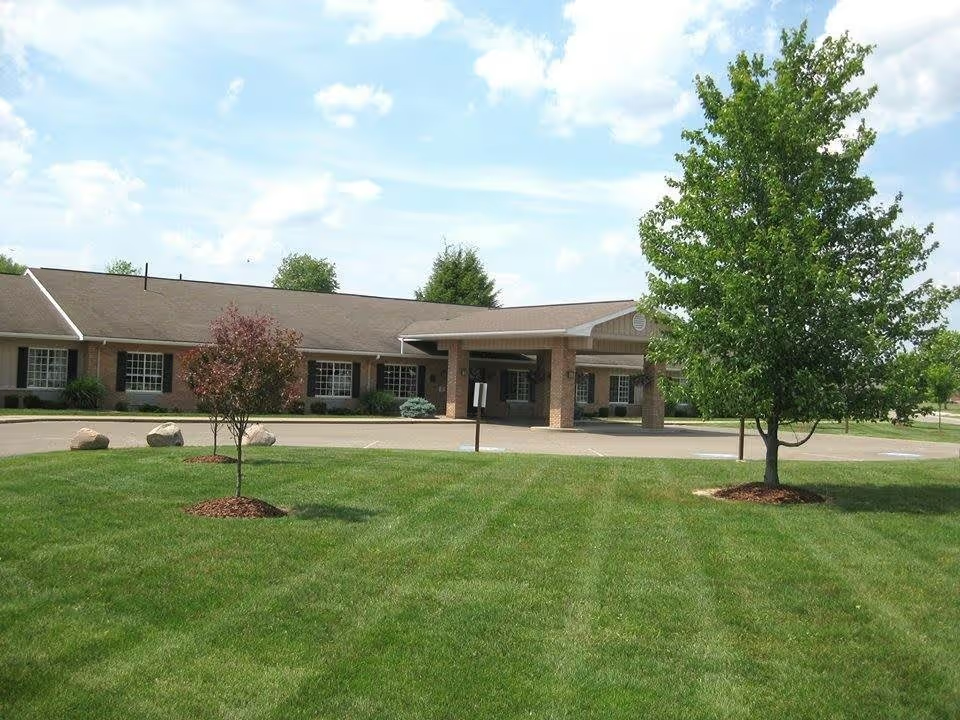
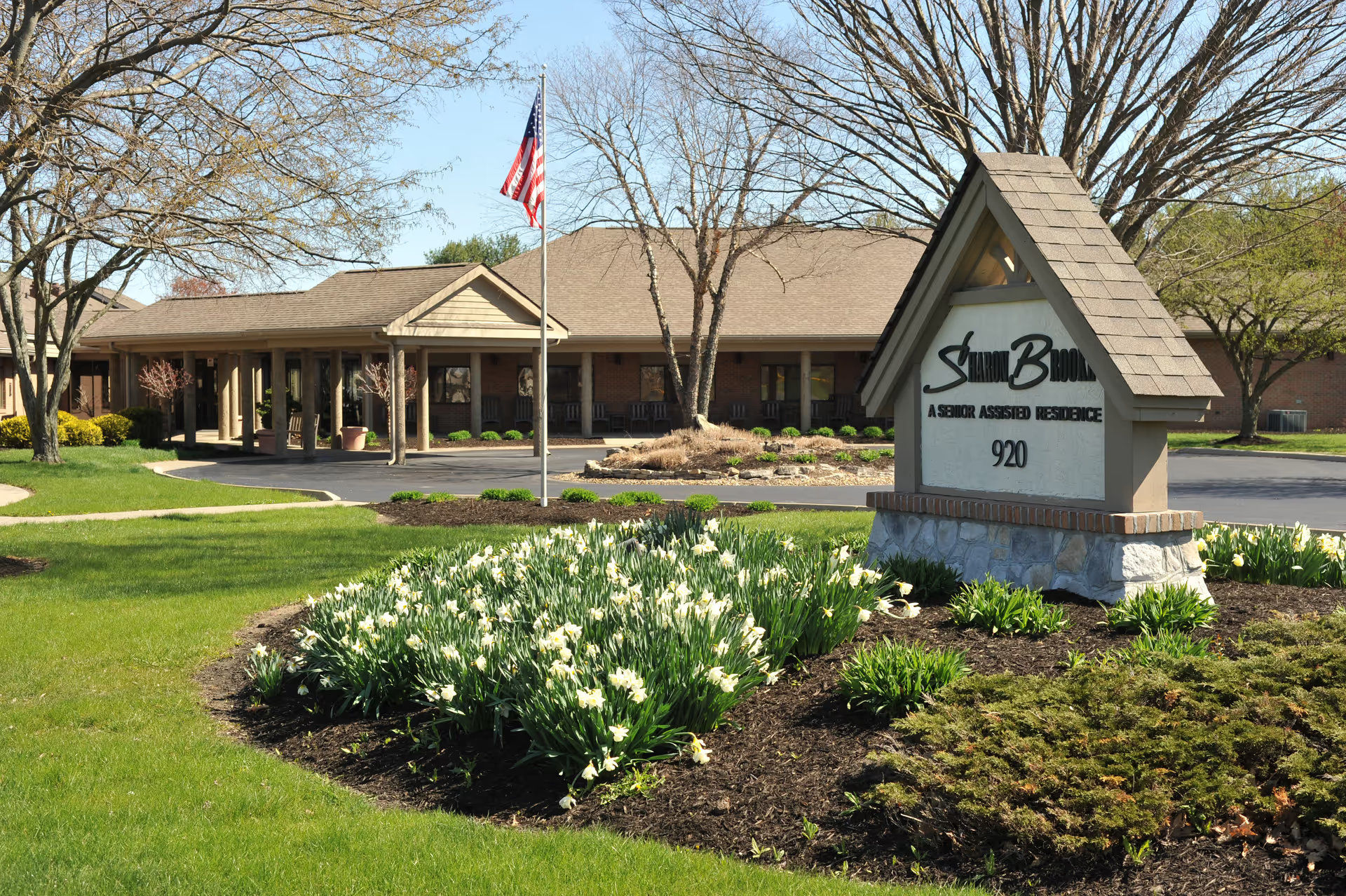
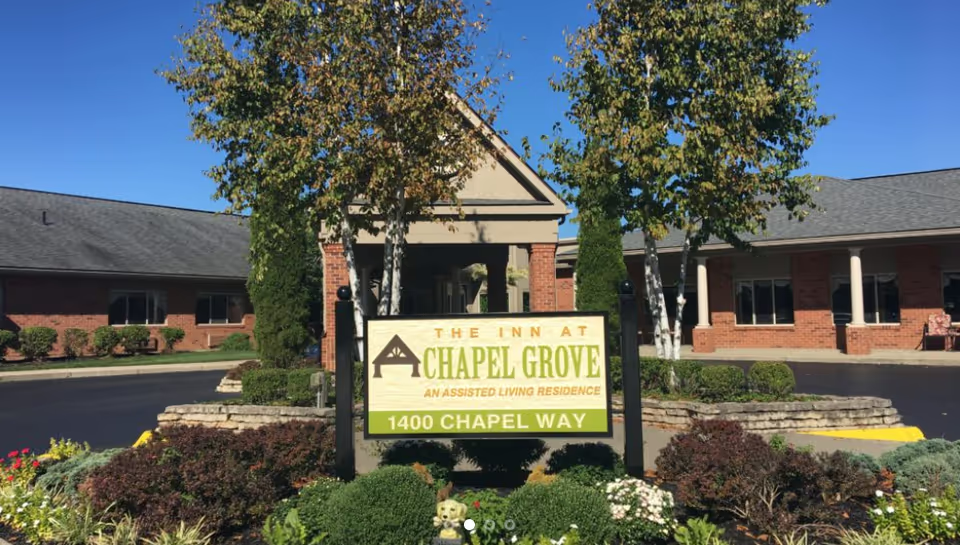
Dining is frequently mentioned in favorable terms: reviewers highlight satisfying meals and specific praise for lunch and overall food quality. Facility upkeep and aesthetics also receive consistent positive remarks — the building and grounds are described as beautiful and well maintained, with ample amenities available on site. Those factors, together with the social atmosphere implied by residents who "seem happy," point to strengths in hospitality and day-to-day resident experience.
Management and operational impressions are generally positive in the feedback: reviewers recommend the facility and report few if any issues, which indicates strong family-facing communication and responsiveness in routine matters. However, the available commentary is concentrated on broad satisfaction and does not provide detailed descriptions of programmatic elements. There is limited public detail about the scope and intensity of specialized clinical or rehabilitation services and few specifics about the frequency and variety of structured activities.
For prospective residents and families, the pattern of praise suggests a high level of comfort, good food, attractive surroundings, and a caregiving staff that prioritizes respectful, family-like interactions. Families with higher-acuity clinical needs or those seeking detailed activity schedules should ask management for program descriptions, clinical-service scope, therapy staffing levels, and example weekly activity calendars to confirm the fit. Additionally, verifying objective quality metrics beyond satisfaction (for example, staffing ratios, clinical certifications, and therapy outcomes) will give a fuller picture for those with more complex care requirements.