Care quality at this facility elicits mixed impressions. Positive accounts highlight attentive, compassionate caregiving and effective post-surgical rehabilitation; families describe staff who create a welcoming, family-like atmosphere and clinicians who are accessible and responsive. At the same time, several safety and clinical-process concerns recur: medication-management practices, delays in attending to residents (including toileting assistance), and fall-prevention/transfer-safety gaps are noted and warrant direct inquiry by prospective families.
Staff-related strengths are prominent in many comments. Reviewers praise frontline caregivers, social-services staff, and an engaged administration for supportive communication, creating comfort for residents, and maintaining a pleasant workplace culture. Conversely, staffing levels and continuity appear inconsistent, contributing to slower response times, long waits for assistance, and variability in daily care delivery.
Dining feedback is also mixed. Some residents and families report appealing meal options and enjoyable food; others cite inconsistent meal timing and temperature control, including late or cold meals. These patterns suggest that mealtime service reliability can vary shift-to-shift and may be affected by staffing or operational processes.
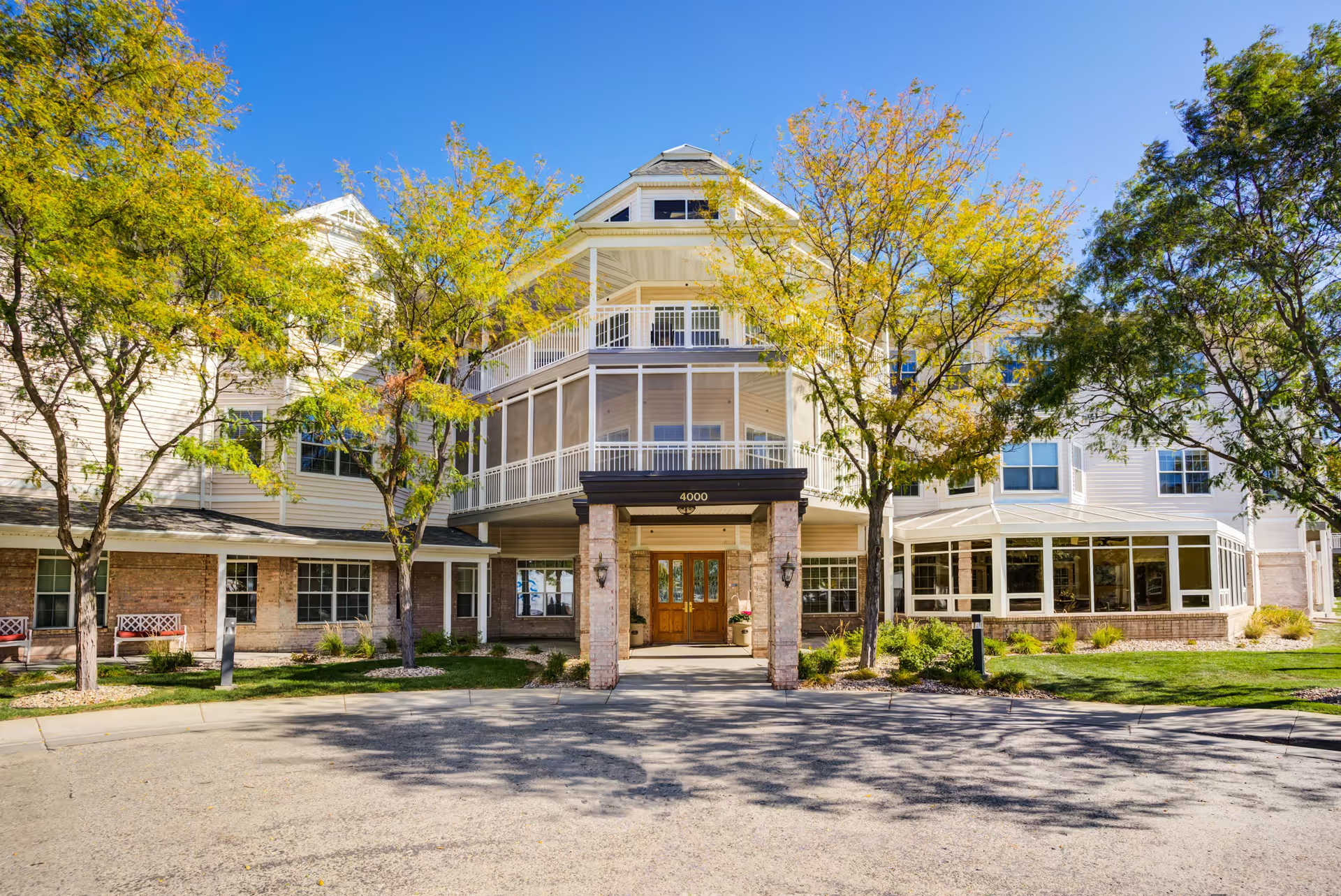
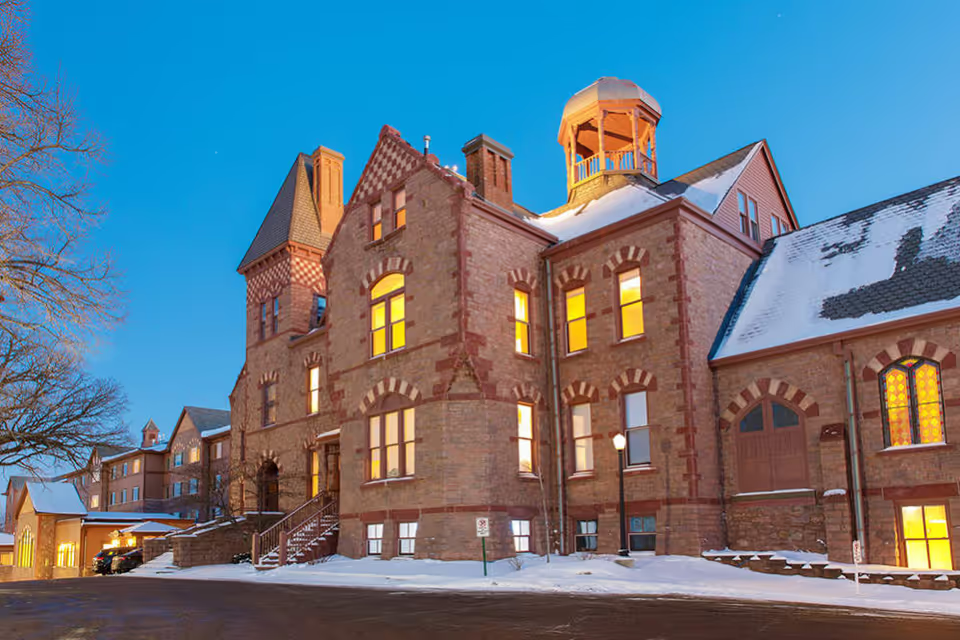
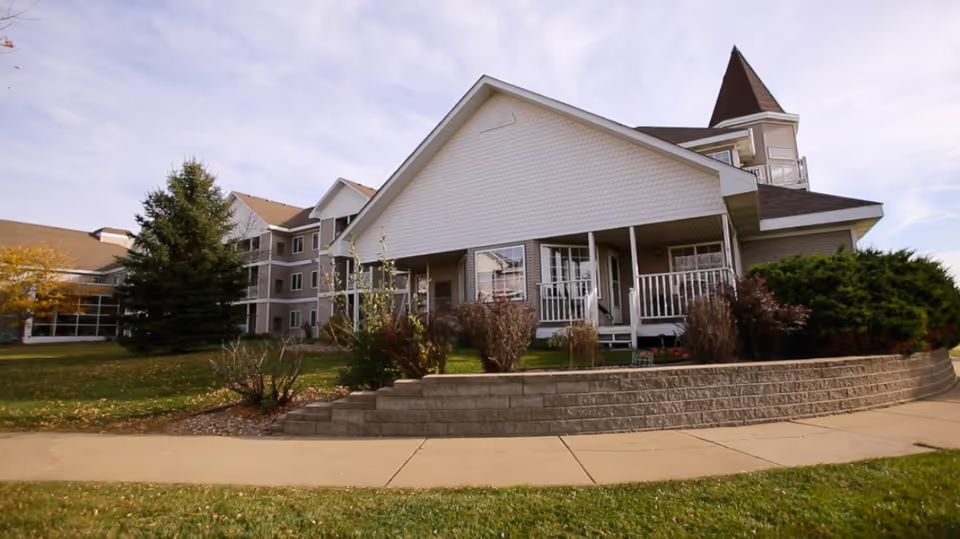
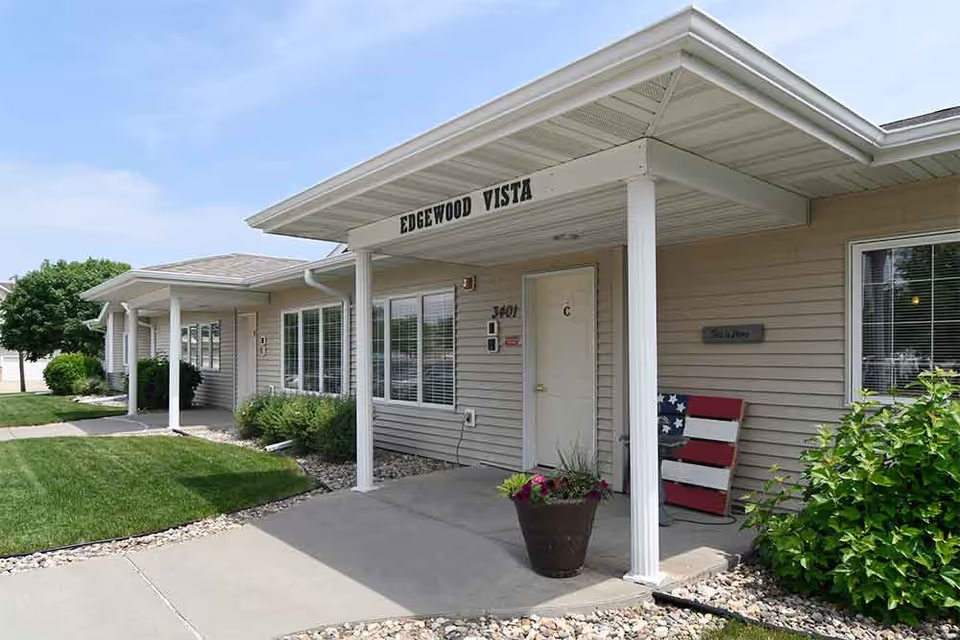
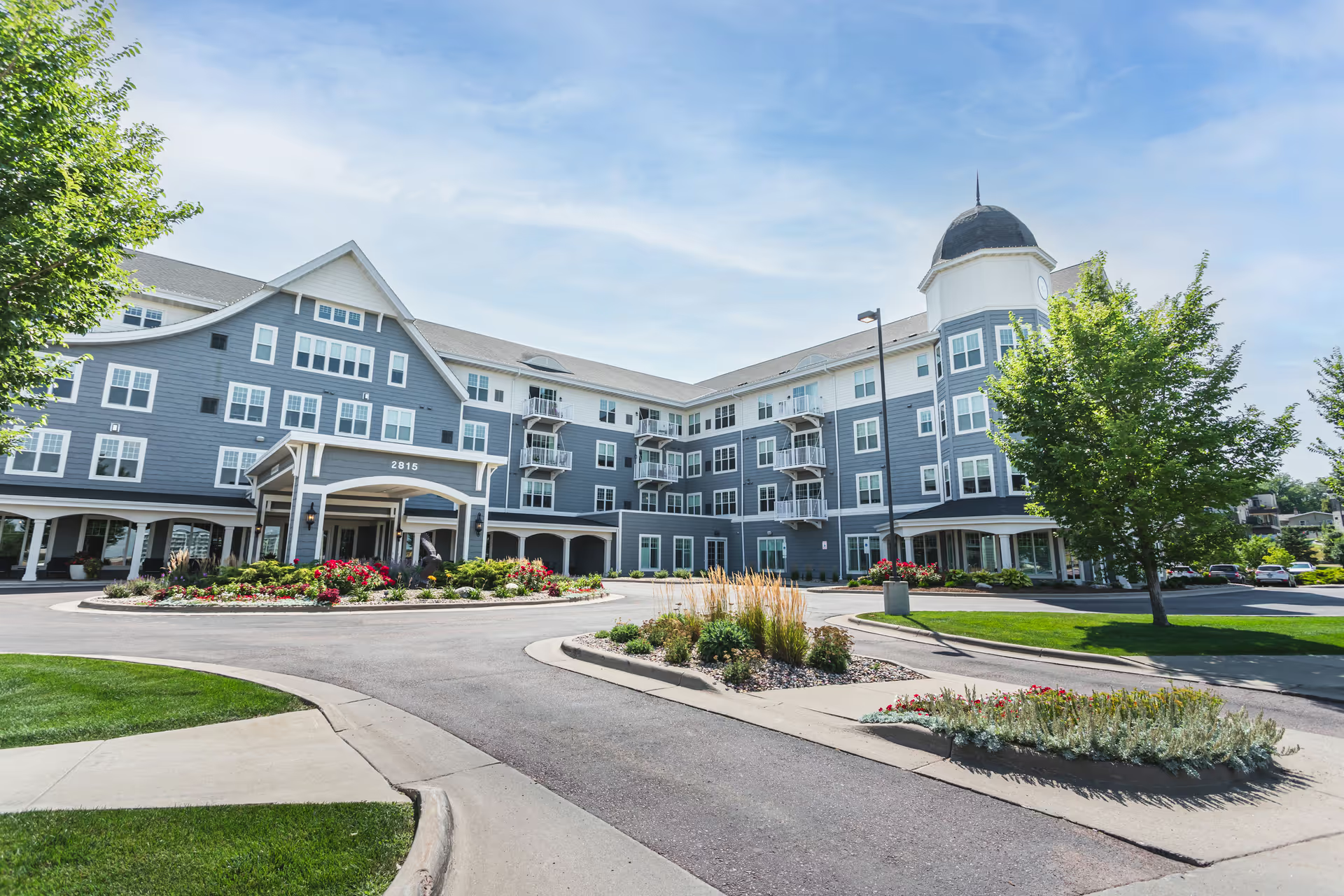
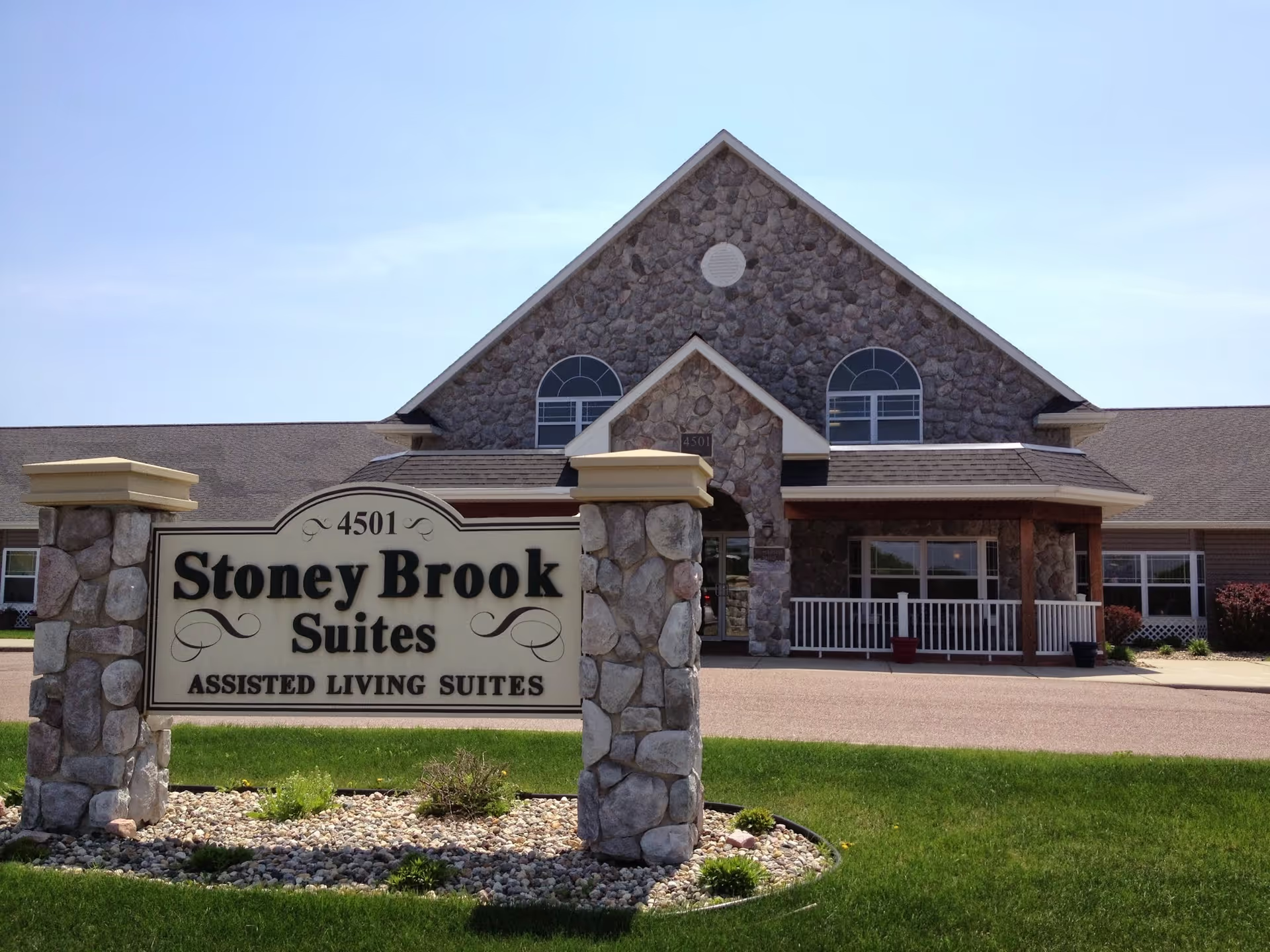
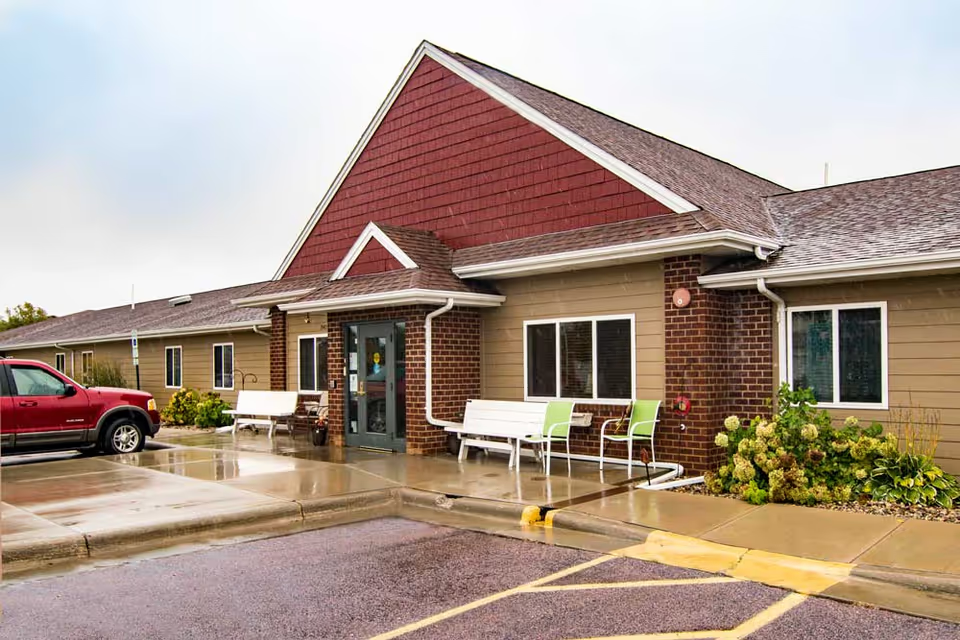
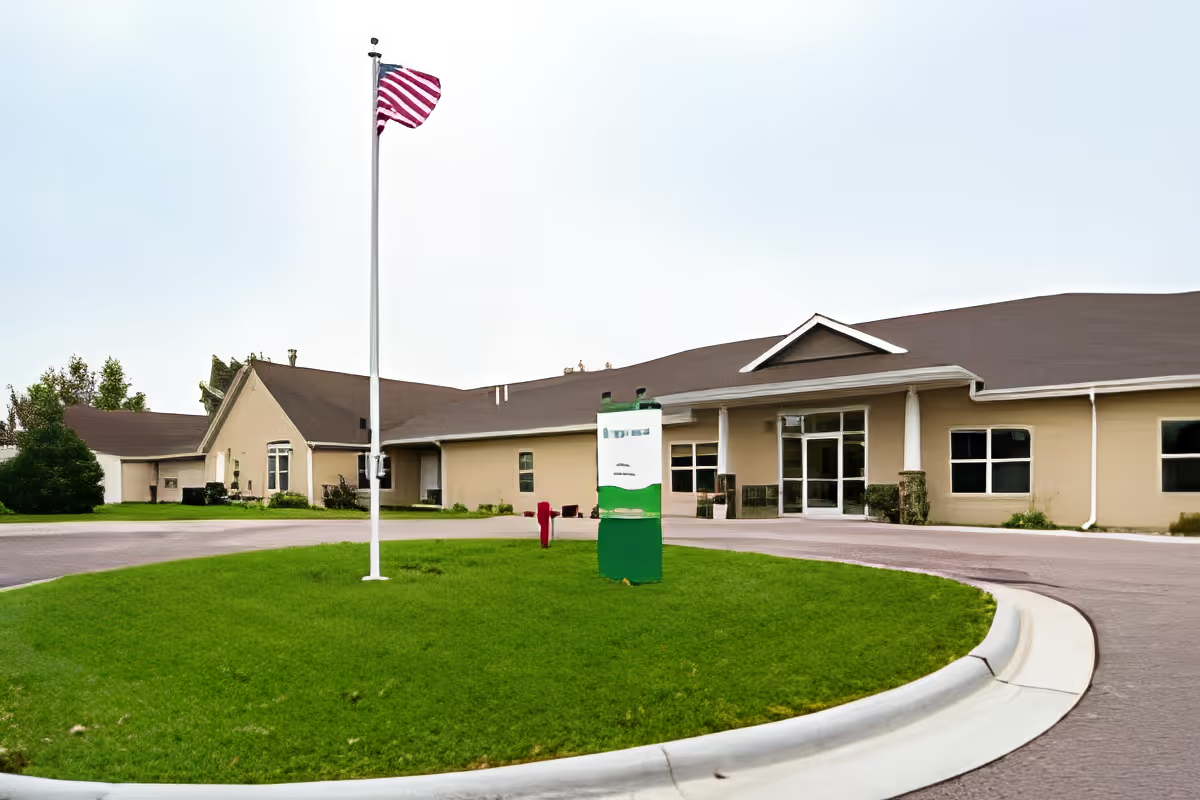
Facility and environment observations include favorable notes about rooms that are bright and have good natural light, and an overall welcoming atmosphere for visitors. However, sanitation concerns in some resident bathrooms and general cleanliness issues are raised, along with nighttime noise management problems (for example, loud televisions after typical sleep hours) that can disrupt resident rest.
Management and operational patterns reflect strengths in administration engagement and social-services coordination, but also indicate uneven incident response and follow-through in some cases. Specific operational weaknesses include inconsistent personal-property accountability and an unclear approach to religious and cultural accommodation; families should clarify facility policies on belongings, labeling, and how religious symbols or chapel services are handled.
Taken together, the facility demonstrates clear strengths in compassionate caregiving, rehabilitation capability, and an inviting physical environment, balanced against recurring operational weaknesses around staffing consistency, safety processes, sanitation, mealtime reliability, and property management. Prospective residents and families would benefit from asking targeted questions during a tour: staffing ratios by shift, medication-administration protocols and oversight, fall-prevention measures, night-shift noise policies, mealtime schedules and hot-food delivery processes, sanitation routines, property-tagging procedures, and how the facility accommodates religious or cultural preferences.