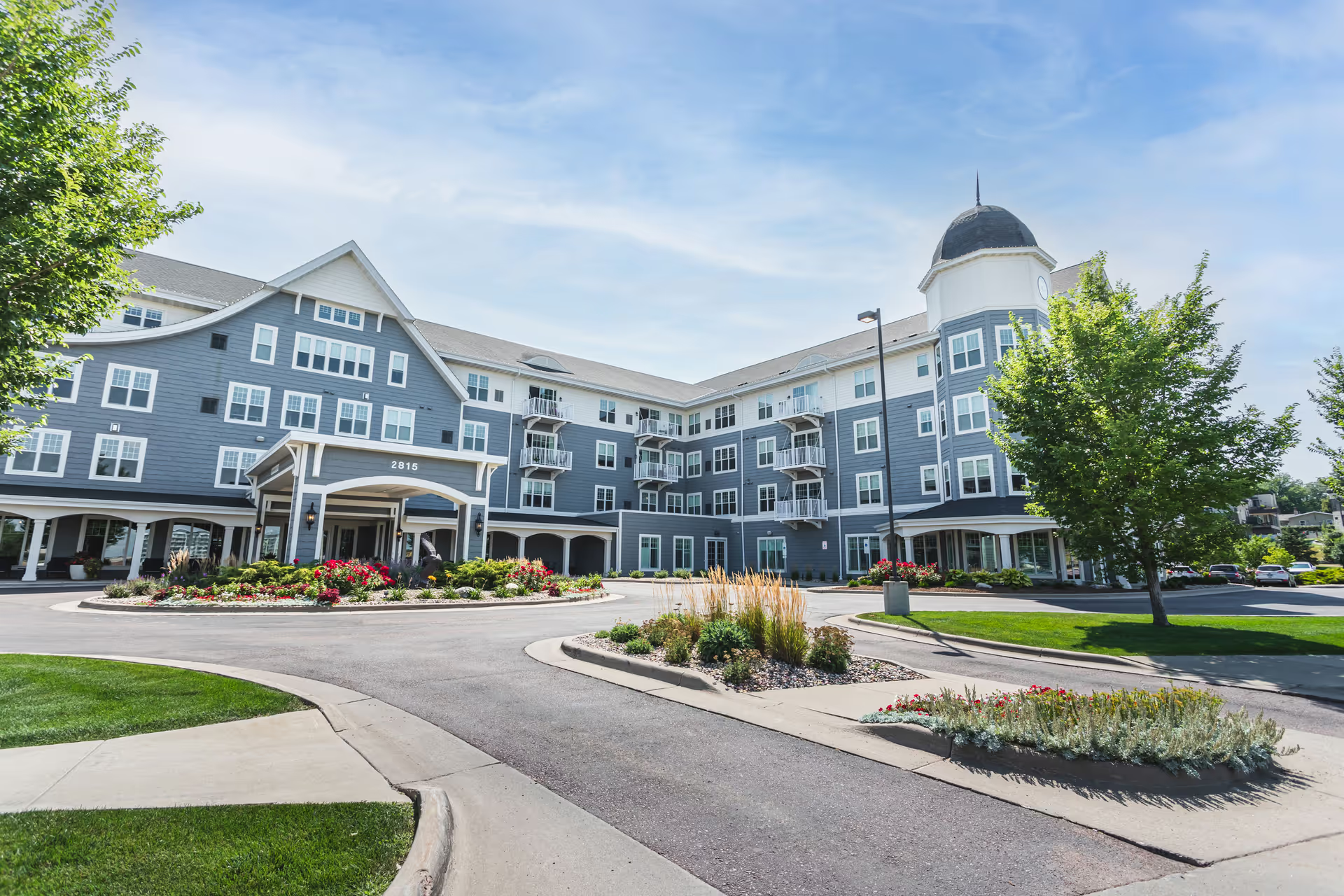
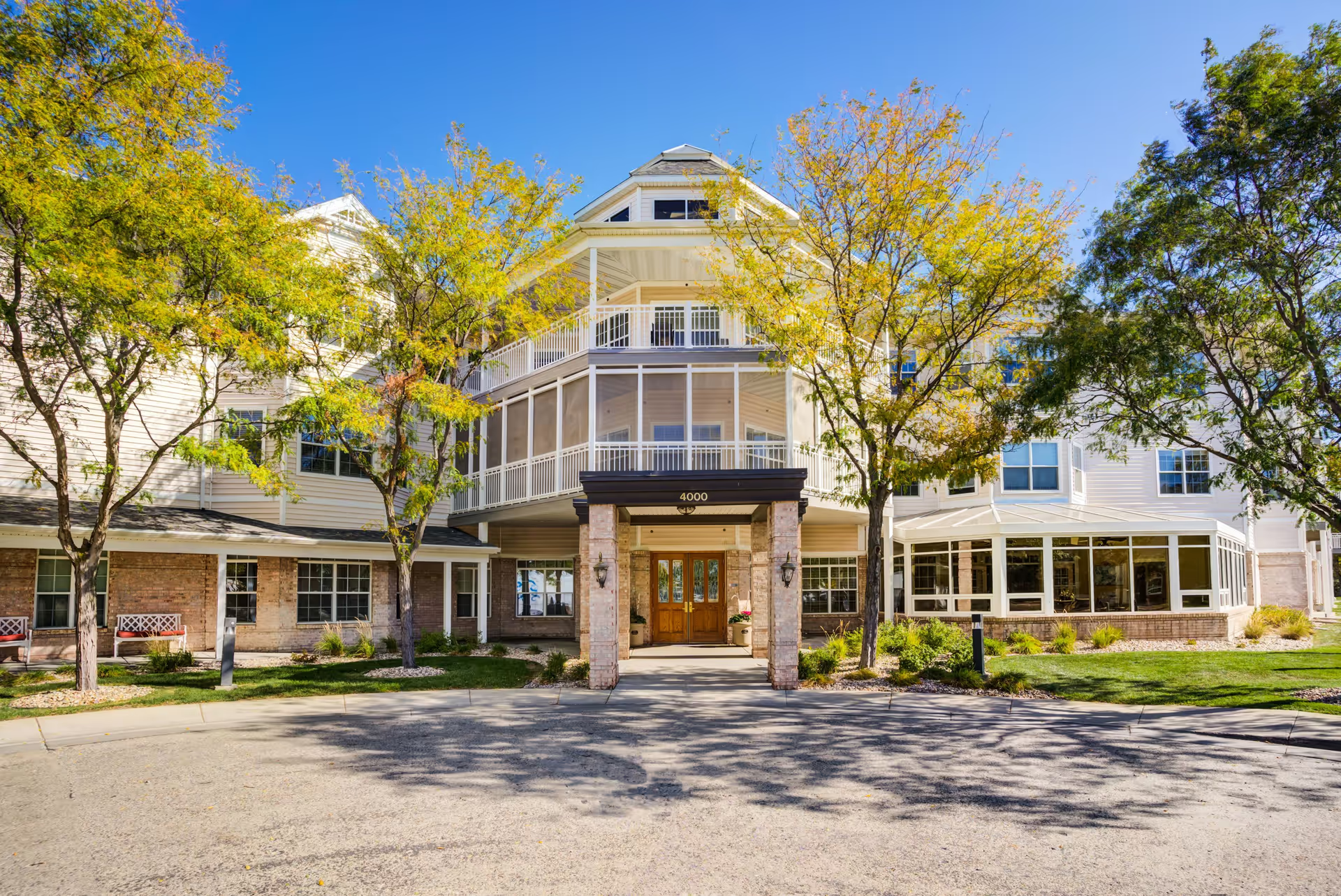
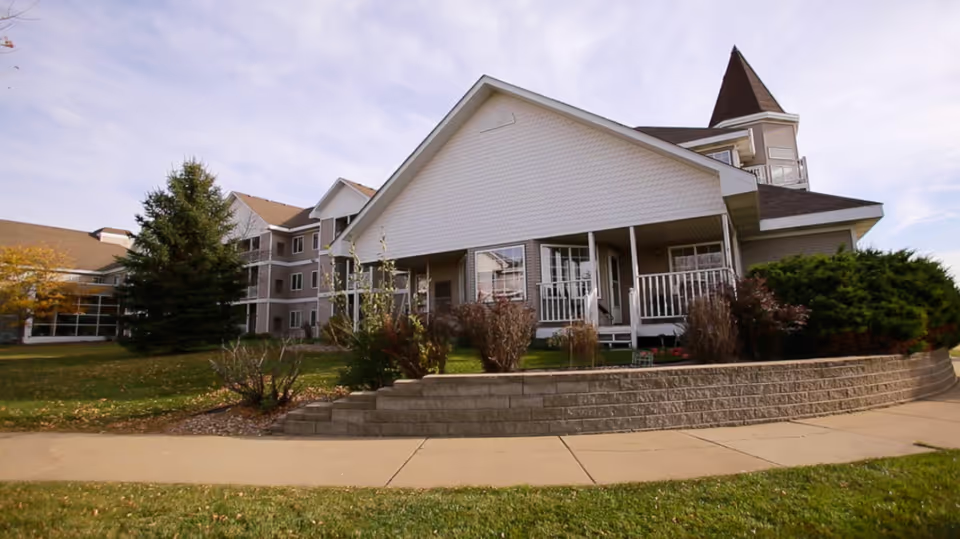
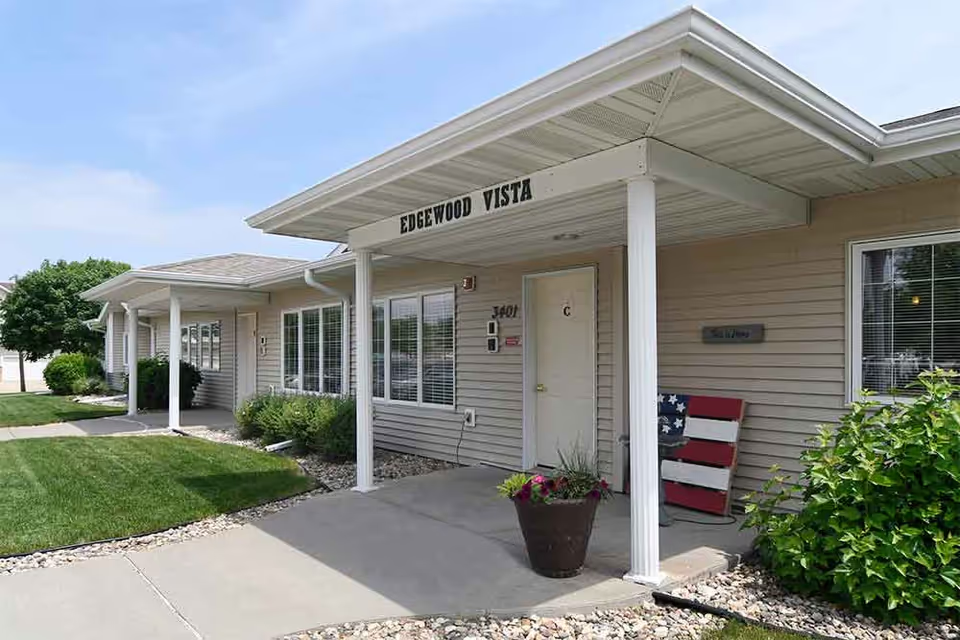
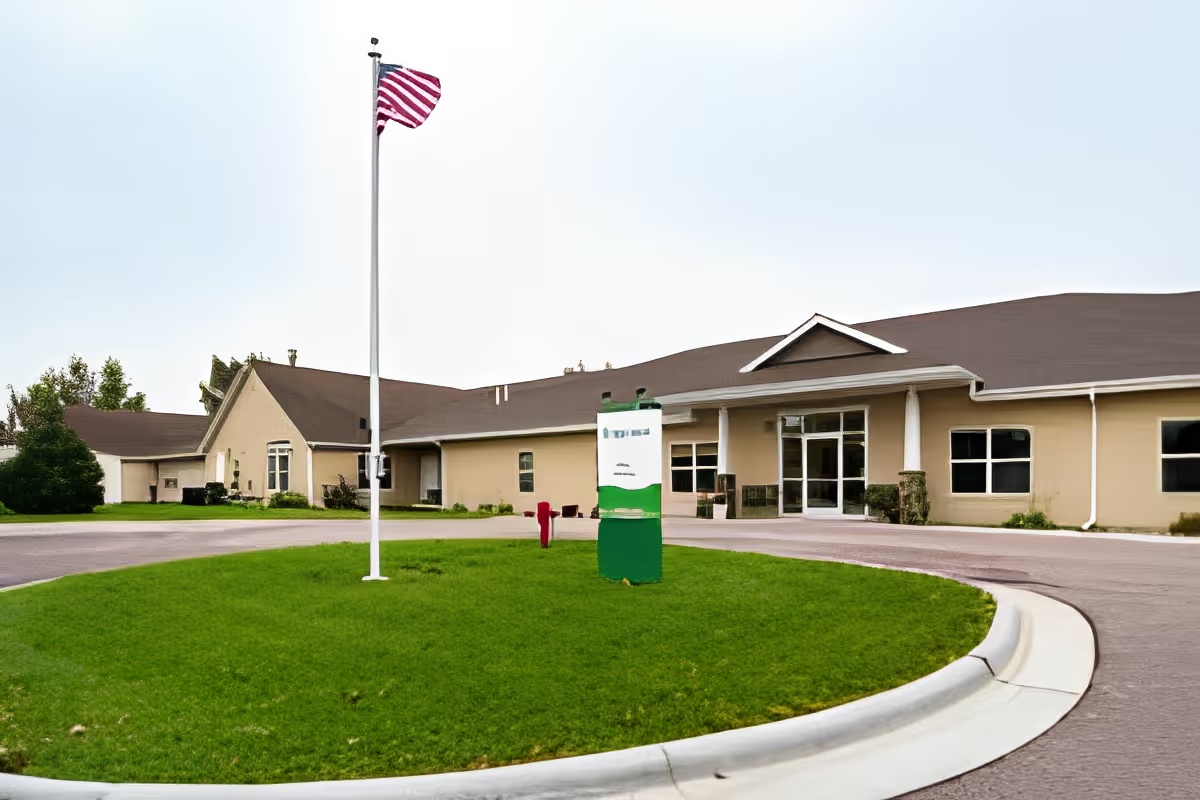
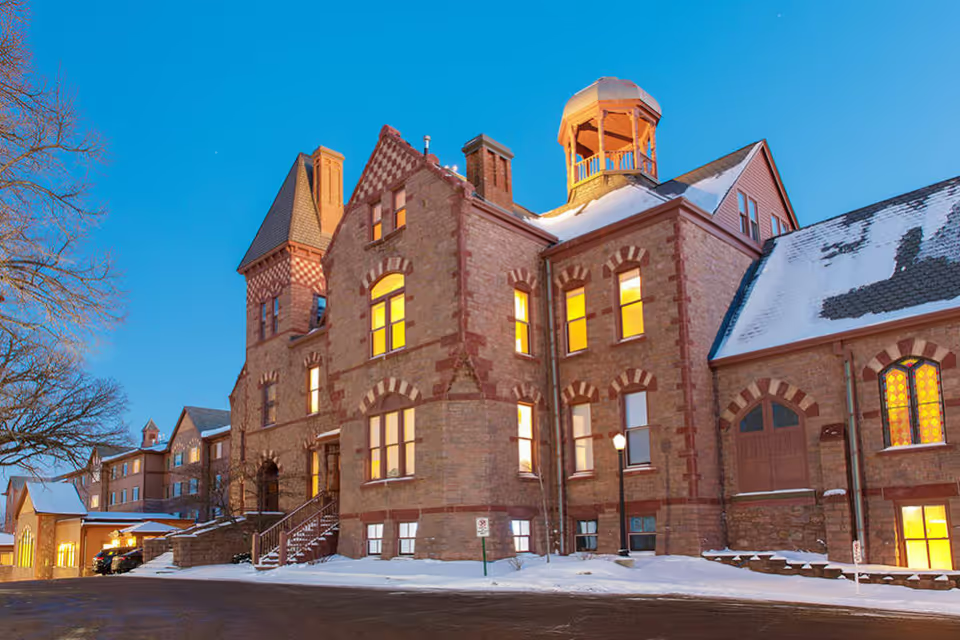
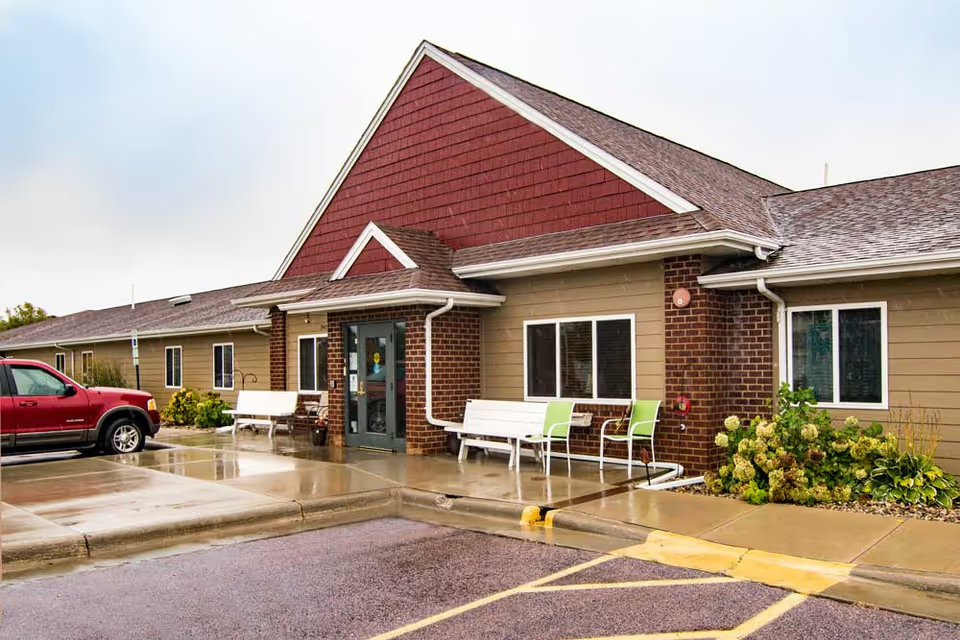
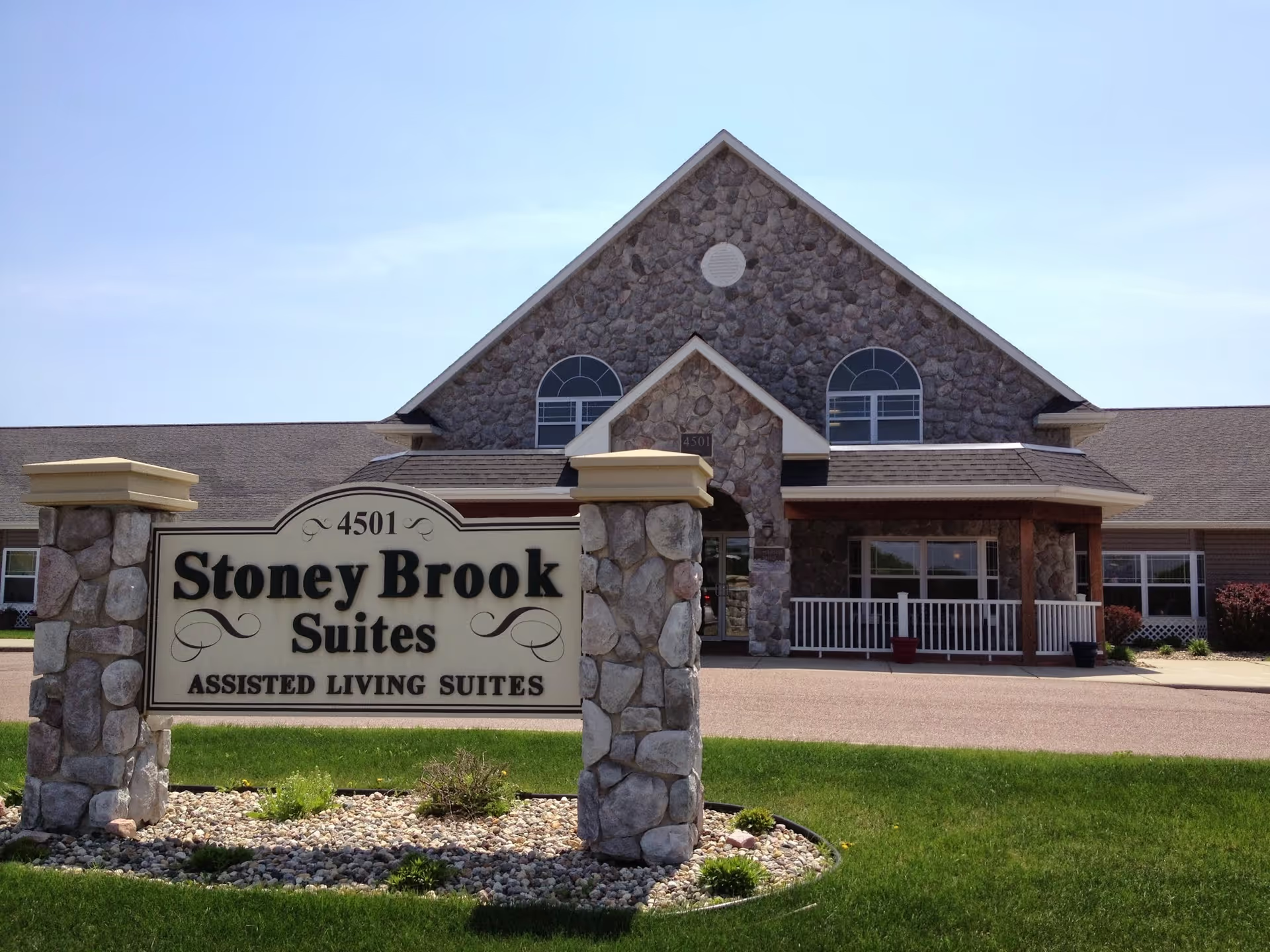
The reviews for this community present a mixed but informative picture. Many commenters highlight strong environmental and lifestyle features: the property is described as bright and well maintained, with accessible gardens and outdoor seating, roomy apartments that can be personalized, and a twin-home living arrangement that some families find appealing. On the services side, the facility receives consistent praise for its rehabilitation and therapy offerings, engaging activities and daily social routines (for example, coffee time and organized programs), and generally positive opportunities for resident socialization.
Dining and daily life are frequently cited as strengths. Several reviewers specifically praised meal quality and described the food as a positive component of the experience. Activity programming and communal events are also noted as robust, contributing to resident engagement and friend-making. The facility’s specialized memory-care services for residents with Alzheimer's disease are mentioned as an available option, and some families described compassionate interactions and strong teamwork among staff members.
At the same time, a repeated pattern of operational concerns appears across reviews. The most prominent themes are inconsistent staff conduct and responsiveness, variable nursing competency from shift to shift, and staffing shortages that can affect care continuity. These patterns manifest as delays in communication with families, uneven follow-through on reported issues, and the impression that some problems require active family advocacy to resolve. Cleanliness and sanitation concerns were referenced in some accounts, suggesting variability in housekeeping or maintenance standards in particular areas.
Infection-control and visitation policies during COVID-era events were another source of family dissatisfaction; reviews describe instances of strict or poorly communicated enforcement that affected family access. While these might reflect broader public-health constraints, they also point to a need for clearer policy explanation and more consistent family communication. Management responsiveness and complaint-resolution procedures received mixed comments — some families found staff helpful and prayerful in tone, while others experienced difficulty obtaining satisfactory outcomes.
Overall, the community appears to deliver many of the environmental and programmatic strengths families look for in assisted living and memory care: good dining, engaging activities, therapy services, and a pleasant campus. Prospective residents and families should balance those positives against the operational risks noted here. Recommended due diligence includes an on-site visit (including common areas and a sample unit), direct questions about staffing levels and shift coverage, examples of how the facility handles family complaints and incident follow-up, clarification of current visitation and infection-control policies, and conversations with the unit nursing leadership about consistency of care. These steps can help determine whether the facility’s strengths align with a prospective resident’s priorities and whether management has addressed the operational variability described in the reviews.