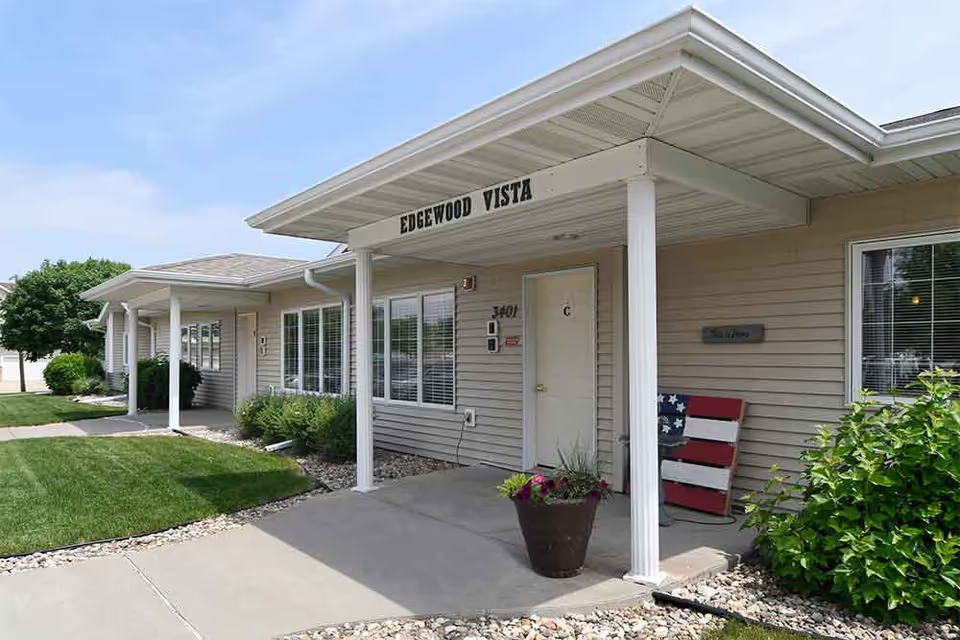
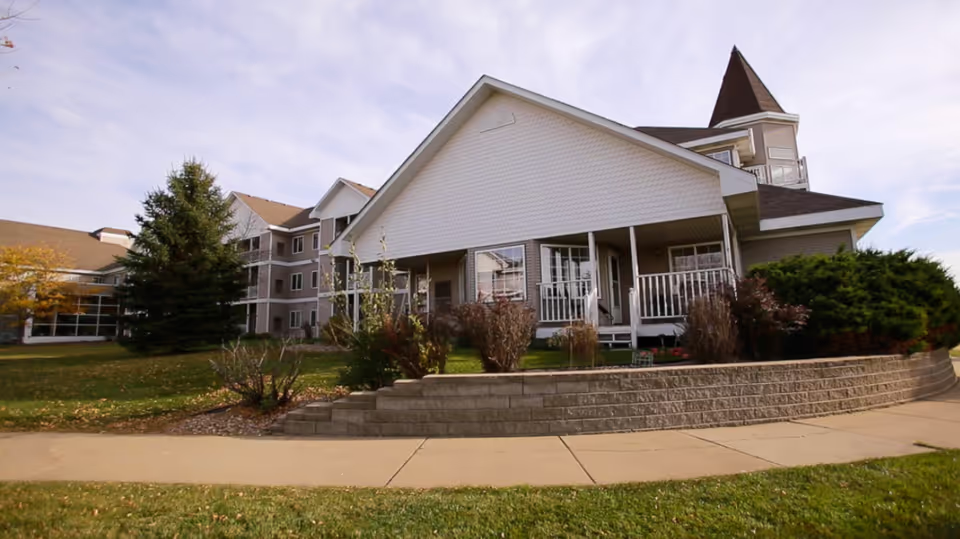
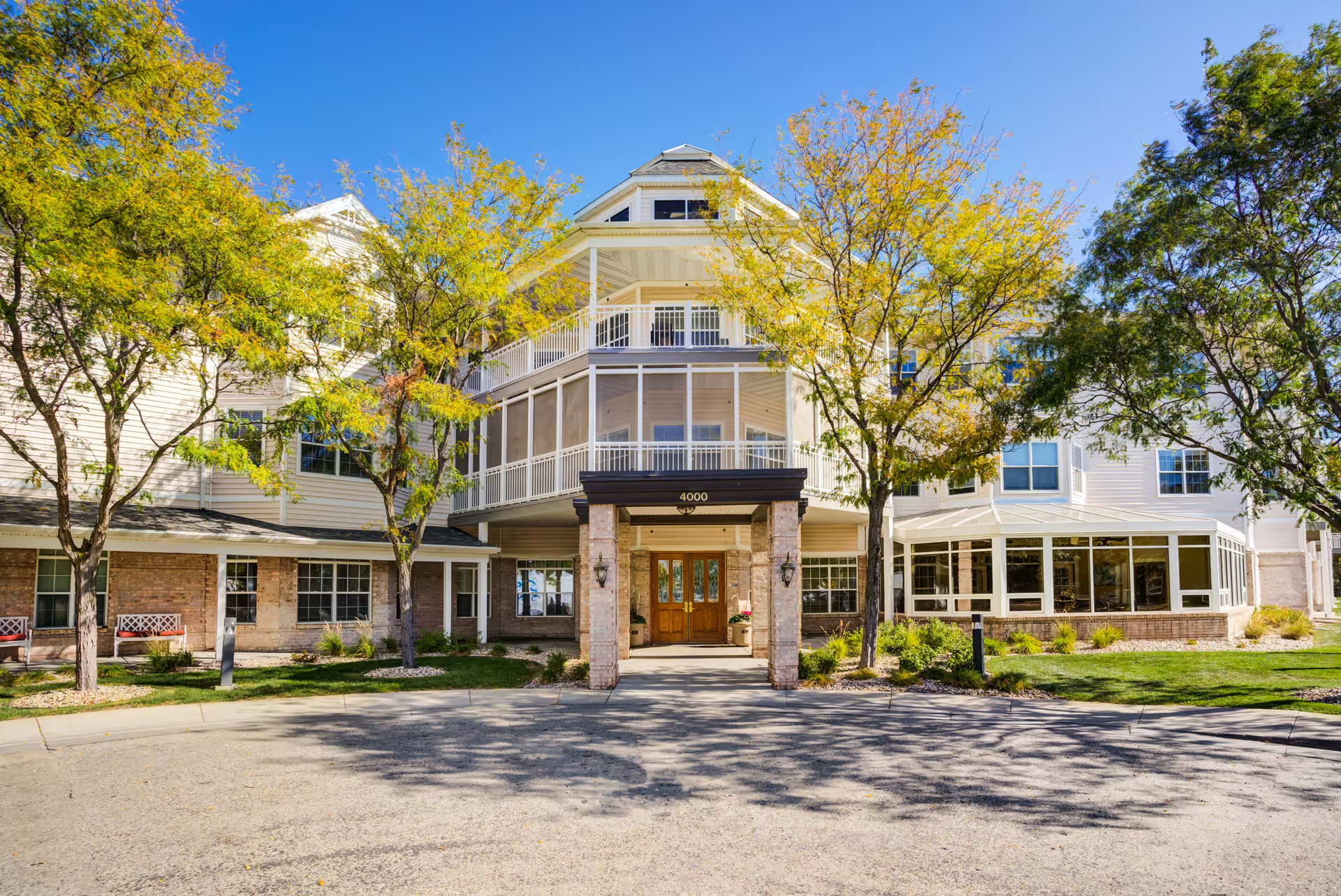
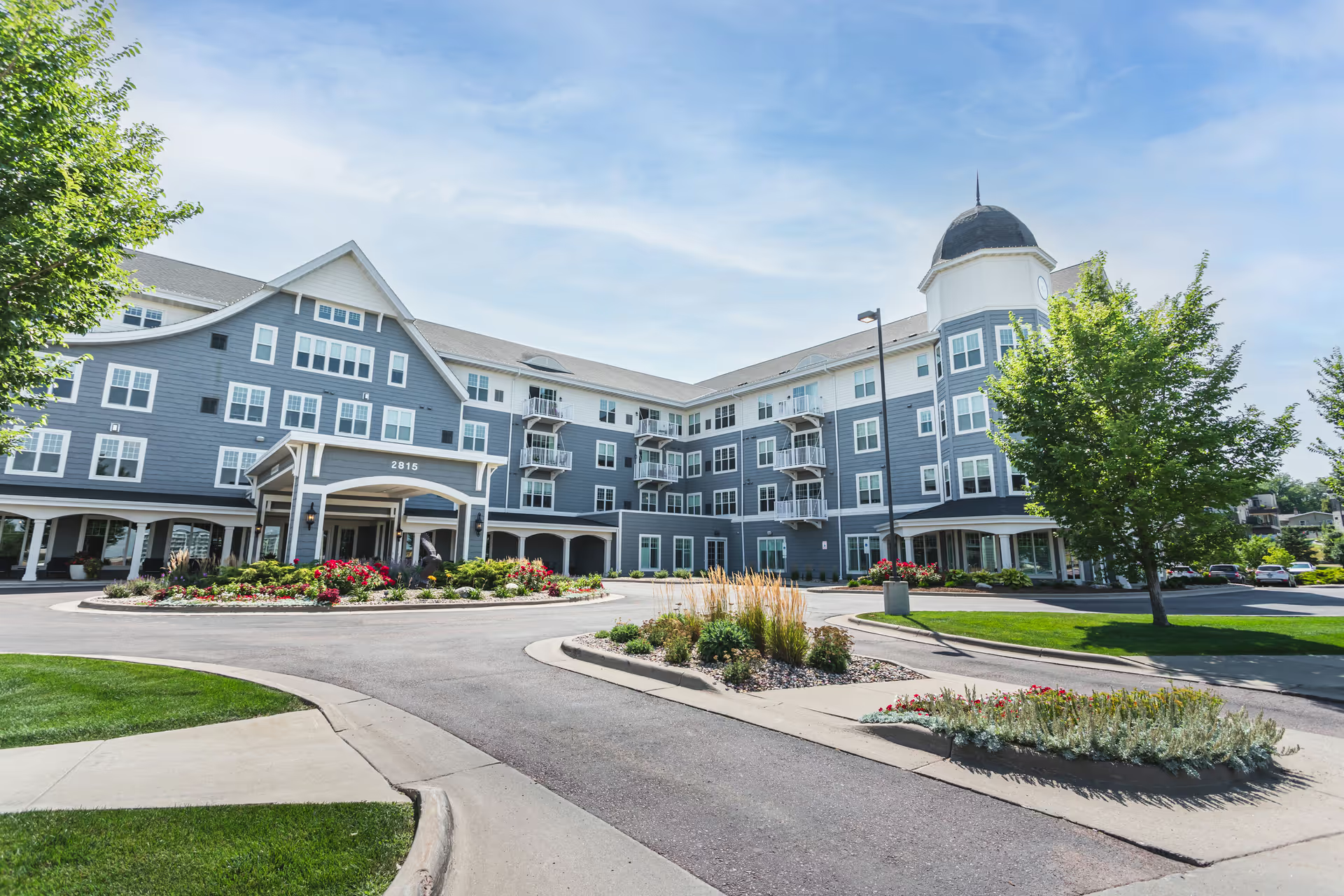
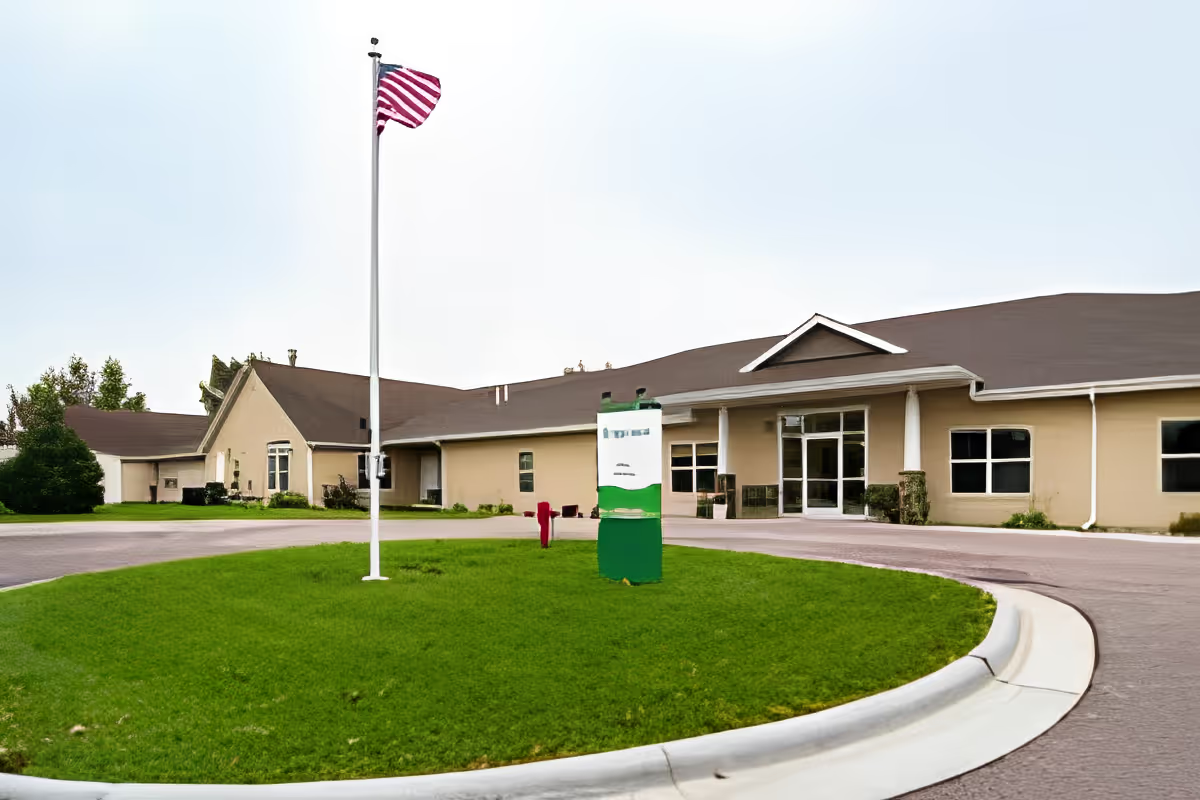
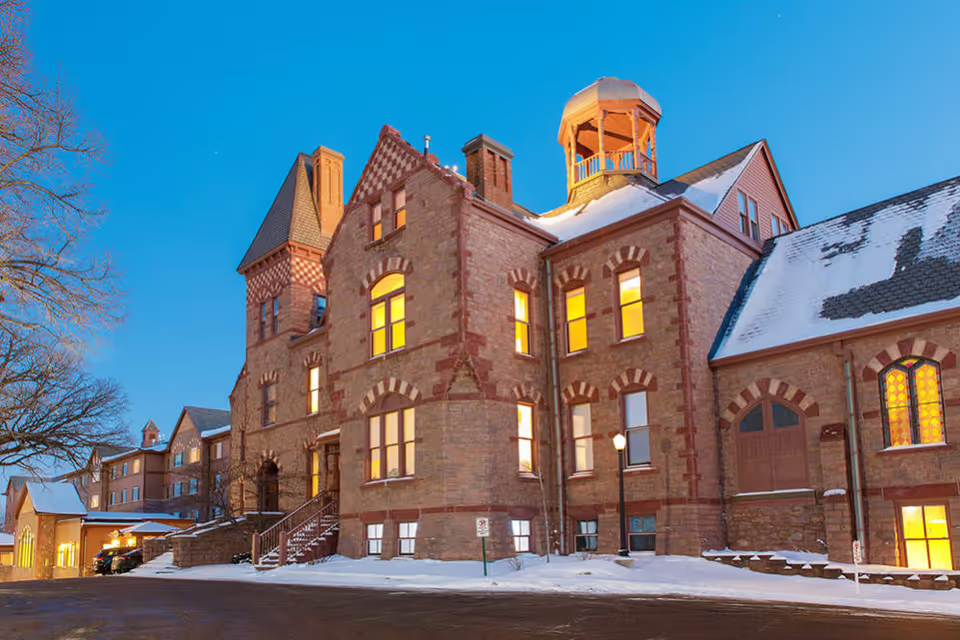
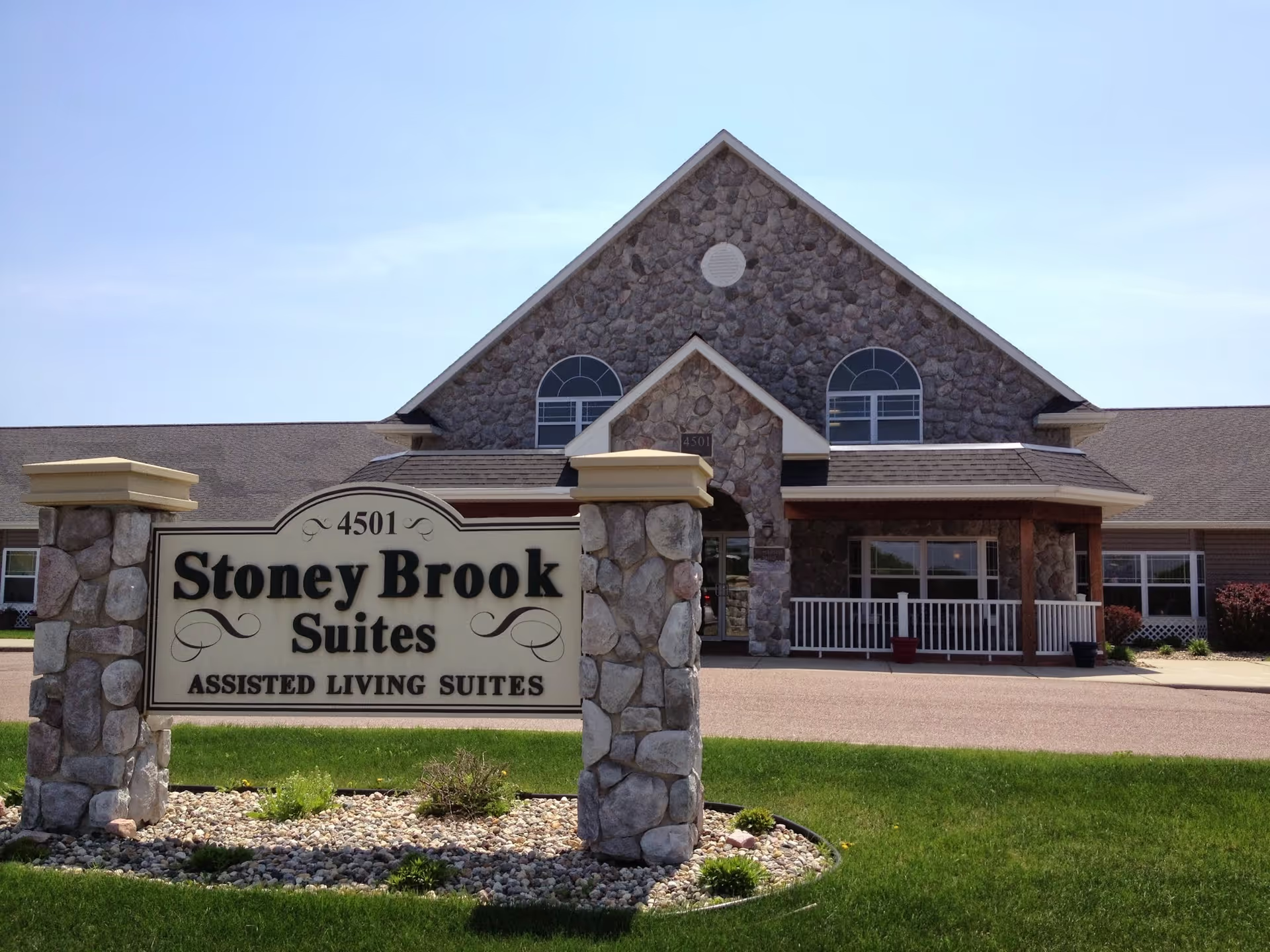
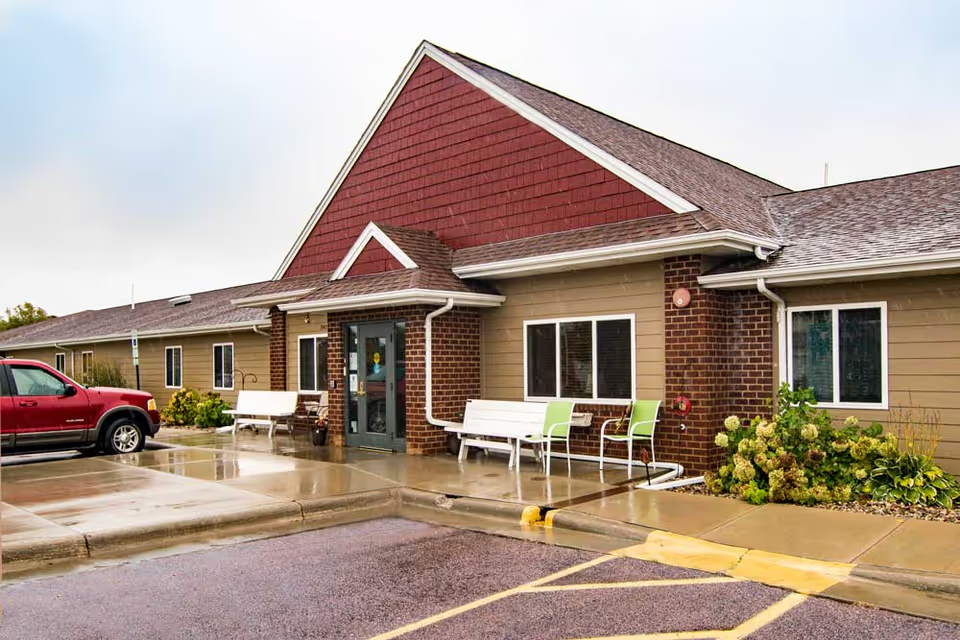
Ponderosa Lodge presents as a well-maintained campus with a mix of strong person-centered elements and operational inconsistencies. The facility is frequently described as clean and orderly, with ongoing renovations and upgraded common areas. Physical amenities include multiple activity rooms, a movie room, chapel, gym and on-site physical therapy, outdoor walking areas, and two-bedroom apartments with large bathrooms and walk-in closets. Many residents and families praise the welcoming tour experience, short waitlist, and convenient location near medical and retail services.
Staffing is a clear strength in many accounts: caregivers are often described as friendly, compassionate, and willing to assist beyond basic duties. The Community Resources Director and specific long-tenured staff members receive repeated positive mention for help with move-in logistics, appointment coordination, and settling families. At the same time, reviews indicate variability in staffing coverage and tone across shifts. Several comments point to staffing shortages, shifts where fewer activities are observed, and episodic payroll or administrative-process problems that affect staff reliability.
Clinical care and nursing present a mixed picture. Families highlight attentive aides and proactive caregiving as well as on-site therapy services, but there are recurring concerns about medication management practices and a disconnect between nursing staff and other caregivers. Some accounts describe restrictive medication administration, the need for family oversight of appointments and medication changes, and uneven clinical accountability. Memory-care capability is noted as limited for residents who need higher levels of cognitive stimulation or supervision.
Dining and nutrition experiences are polarized. Multiple reviewers praise a strong chef, special events, and accommodations for dietary needs; others describe inconsistent meal quality and express desire for menu and supplier changes. Regular social dining events and smaller socials (for example, ice cream gatherings and card games) are offered, but overall meal satisfaction appears inconsistent across residents.
Activities programming is broad in scope—puzzles, bingo, movies, card games, live entertainment, and outings are available—but engagement varies. The facility has abundant space for programs and frequent scheduled events, yet some families report low turnout, uneven activity leadership, or periods when few activities are observed. This suggests that programming exists but may not consistently meet all residents’ social and cognitive engagement needs, particularly for those described as mentally sharp.
Management and communication show both positives and shortcomings. Some families describe proactive, resident-focused leadership and strong corporate support for improvements; others cite poor responsiveness, incorrect information on specialty-program availability, and occasional perceived emphasis on financial considerations. Transportation is offered for outings and appointments, but there are limits noted (for example, little or no weekend service and instances of misrepresented availability). Privacy and unit-entry practices also surface as an operational concern for families who felt entry procedures were intrusive.
In sum, Ponderosa Lodge appears to offer a comfortable, well-appointed environment with many supportive staff and useful on-site services. Prospective residents and families should weigh the facility’s strong social and physical amenities and positive caregiving relationships against patterns of variability: inconsistent dining satisfaction, staffing fluctuations, medication-management/process concerns, activity engagement variability, and administrative/communication gaps. A focused tour that includes nursing leadership, a meal sample, observation of an activity, and clarification of transportation and privacy policies is recommended to determine fit for an individual’s clinical and social needs.