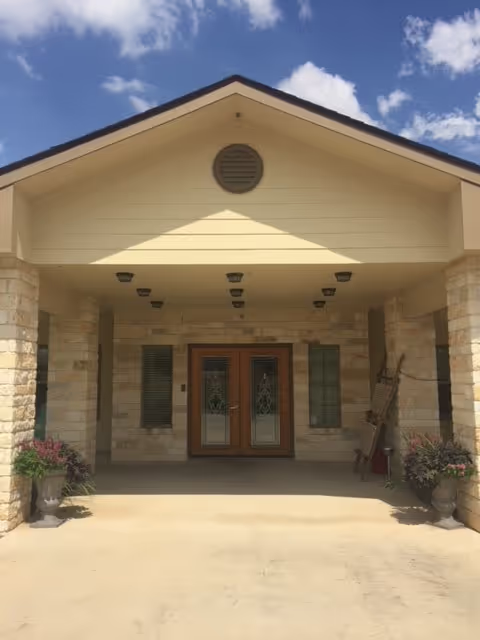
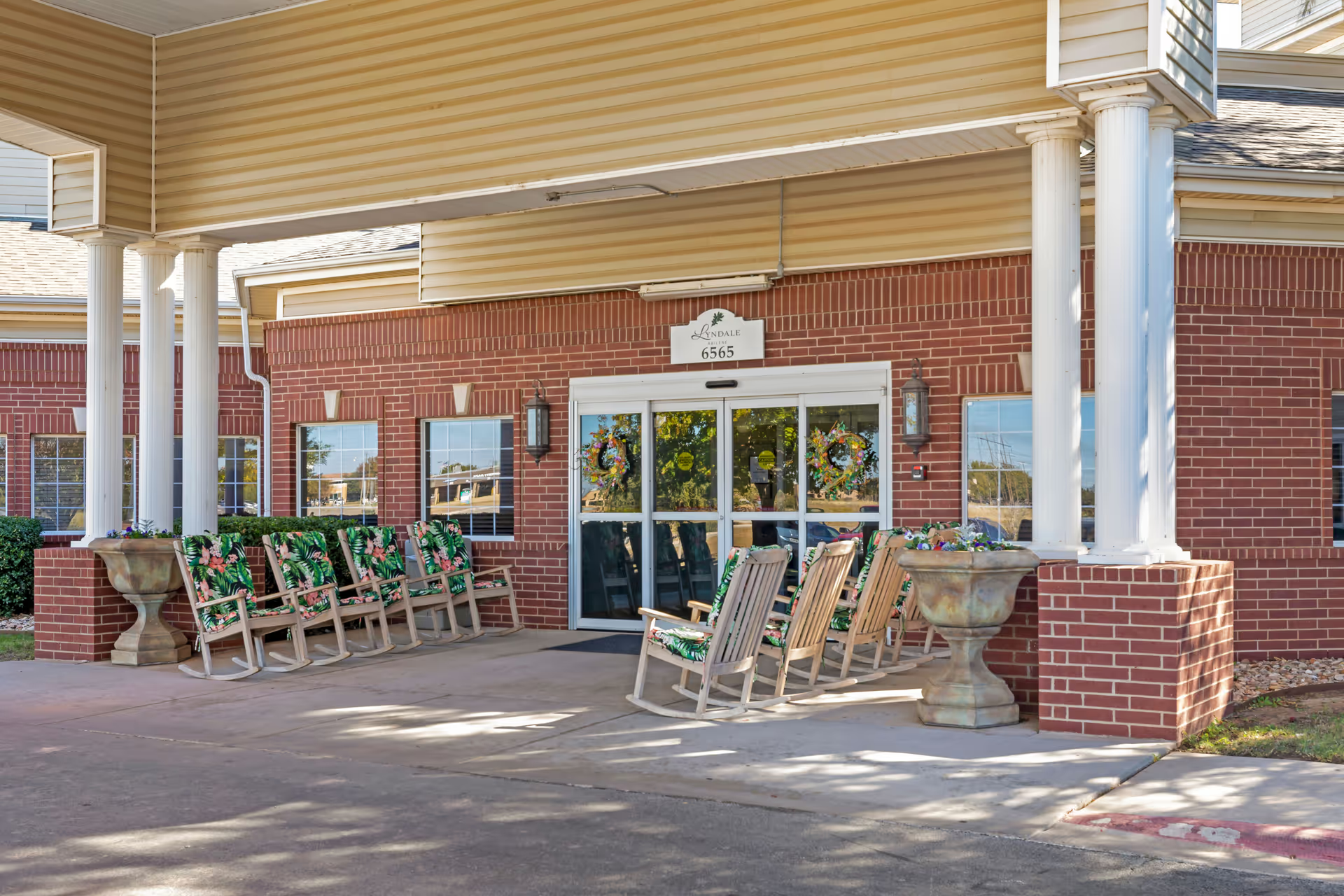
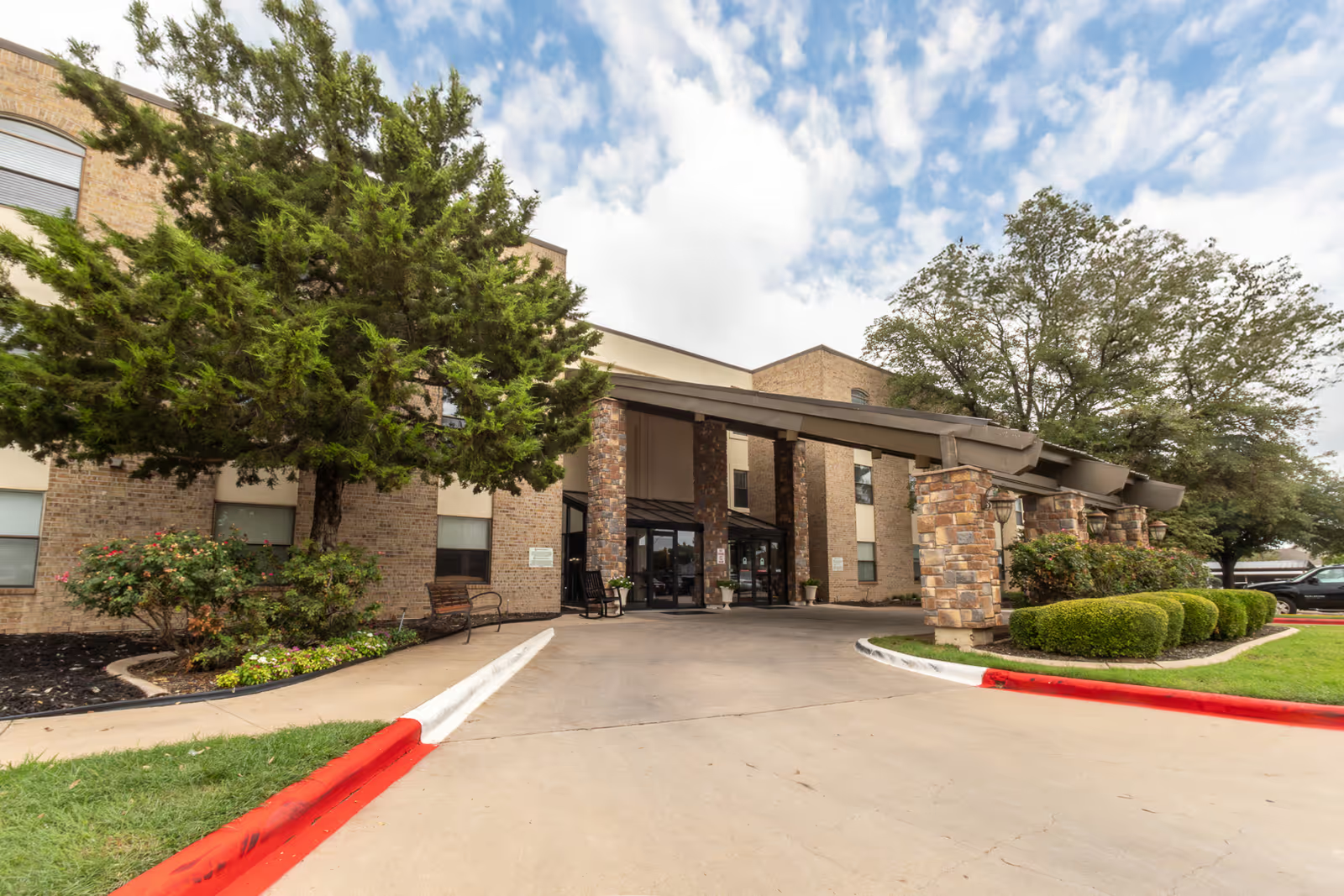
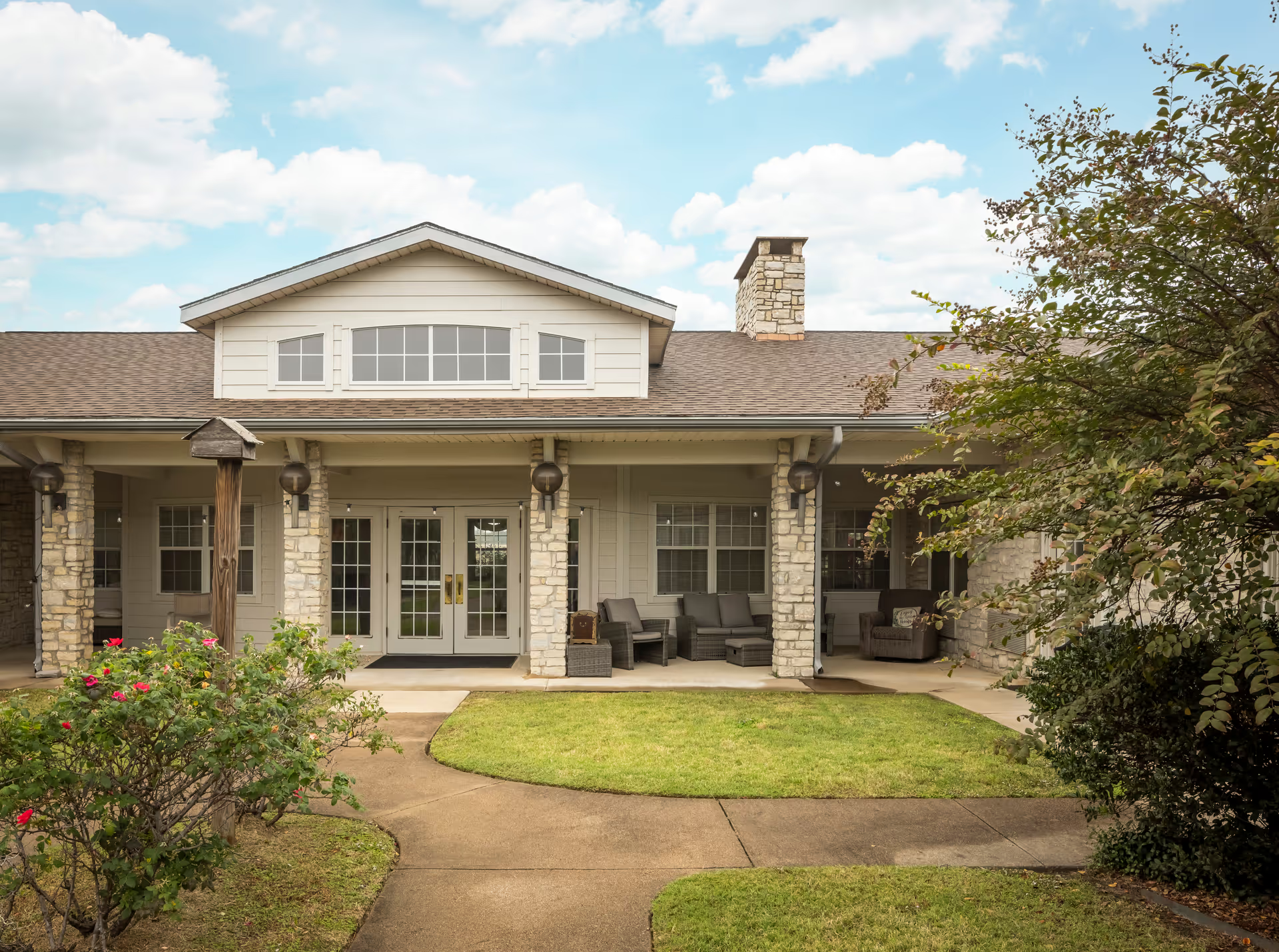
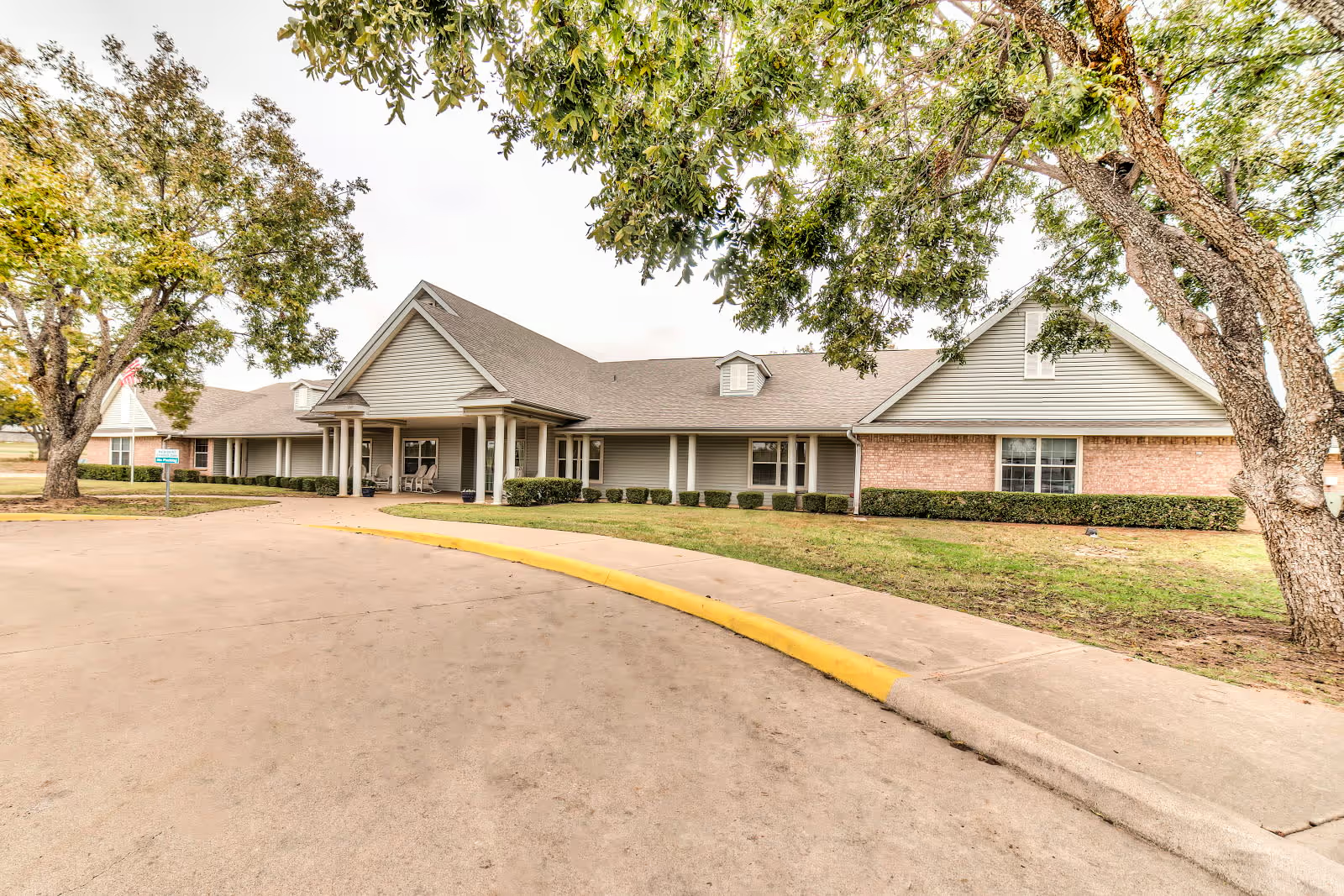
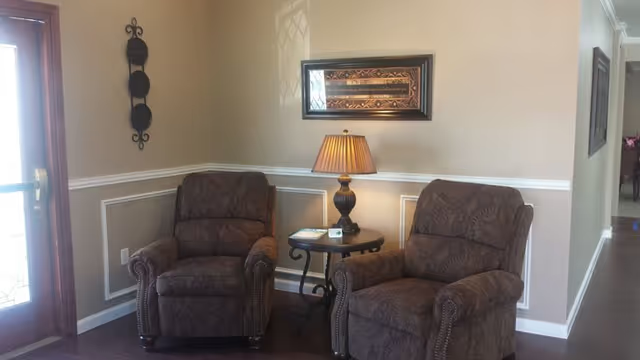
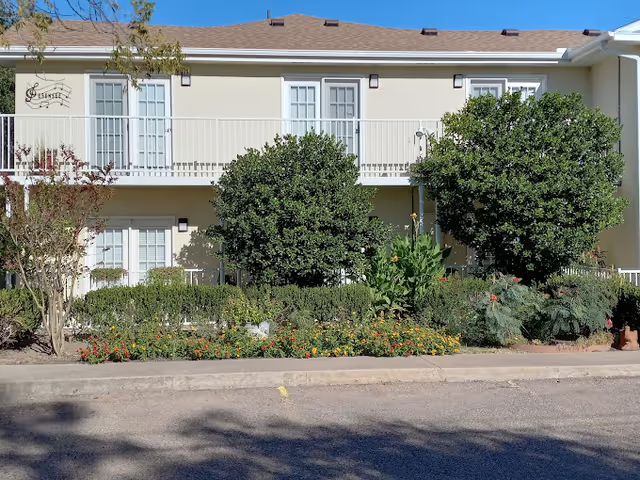
Bangs Nursing and Rehabilitation Center is consistently described as a small, home-like facility with a strong emphasis on resident-centered care. Many observers praise the visible, compassionate staff and note long staff tenure and cross-department collaboration, which appear to support continuity of care. The facility markets a family-like culture: residents and families describe a welcoming atmosphere, frequent communication and updates to families, and staff who often go beyond basic duties to provide emotional support. Management is frequently characterized as engaged and caring toward both residents and employees.
Clinical and rehabilitative services are a clear strength. Multiple accounts highlight effective physical and occupational therapy, a rehab focus, and coordinated care that helps residents with both short-term and long-term placement goals. Transportation and outing programs (including scheduled bus trips and community dining) contribute to resident engagement. Activity programming is described as inclusive and life-enriching, and the property’s outdoor amenities — including a pleasant courtyard and small animal features — are repeatedly noted as contributing to quality of life.
Dining is another positive area: reviewers describe homemade, hot meals and additional meal-delivery services such as meals-on-wheels and holiday meal delivery. The kitchen’s offering and the social aspects of dining are commonly cited as strengths that support resident satisfaction.
Notable patterns of concern appear across feedback and merit attention during any facility evaluation. Several reviewers raised sanitation and odor-control inconsistencies, including concerns about cleanliness in some areas and offensive odors that affect comfort. Relatedly, strong disinfectant odors were mentioned as a potential allergen or comfort issue. There are also reports indicating inconsistent staff conduct and communication tone; while many families commend staff compassion, others describe lapses in interpersonal behavior that suggest variability in staff training or supervision. Operational gaps were also described around privacy and room-environment controls — for example, shared rooms, doors that cannot be closed, and light-control limitations — which can affect sleep and dignity. Finally, delays in medication-ordering and medication-management processes were cited and represent an operational area to review.
Practical considerations for prospective residents and families: schedule a tour that includes private and shared rooms to assess space and privacy controls, review the facility’s cleaning and odor-control protocols (including policies on disinfectant use and allergen management), ask about medication-order workflows and clinical staffing patterns, and speak with therapy and activities staff about individualized rehabilitation and engagement plans. Overall, the facility shows many strengths in personalized, rehabilitative, and communal care, but prospective families should confirm operational practices that address the cleanliness, privacy, and medication-management items noted above.