Overall impression: Reviewers convey a facility with notable clinical and interpersonal strengths alongside operational inconsistencies. Positive commentary centers on the caregiving team, therapy services and a welcoming, family-like culture; concerns cluster around housekeeping, food service, records/identification processes, and administrative priorities.
Care and staff: Many families and residents praise the nursing and therapy teams for compassionate, attentive and resident-focused care. Physical and occupational therapy and wound-care expertise are singled out as strengths, and hospice/end-of-life services are described as supportive and dignified. Staff are frequently described as knowing residents by name, going above and beyond, and fostering a team-oriented environment; several reviewers also noted a positive workplace culture and opportunities such as hosted CNA classes that suggest investment in training.
Dining and activities: The facility maintains an active social calendar and well-planned activities that contribute to a homelike atmosphere. At the same time, food service receives mixed feedback: some reviewers appreciated accommodation of dietary preferences and occasional good meals, while others described limited menu variety, small portion sizes, and inconsistent preparation quality. Prospective residents should ask about current menu cycles and dietitian oversight if dining is a high priority.
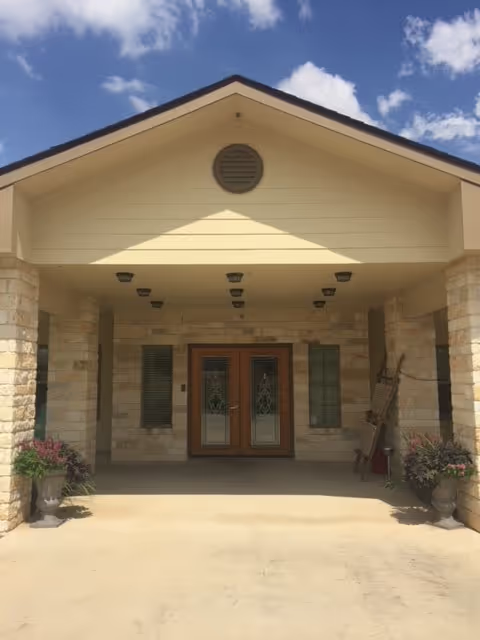
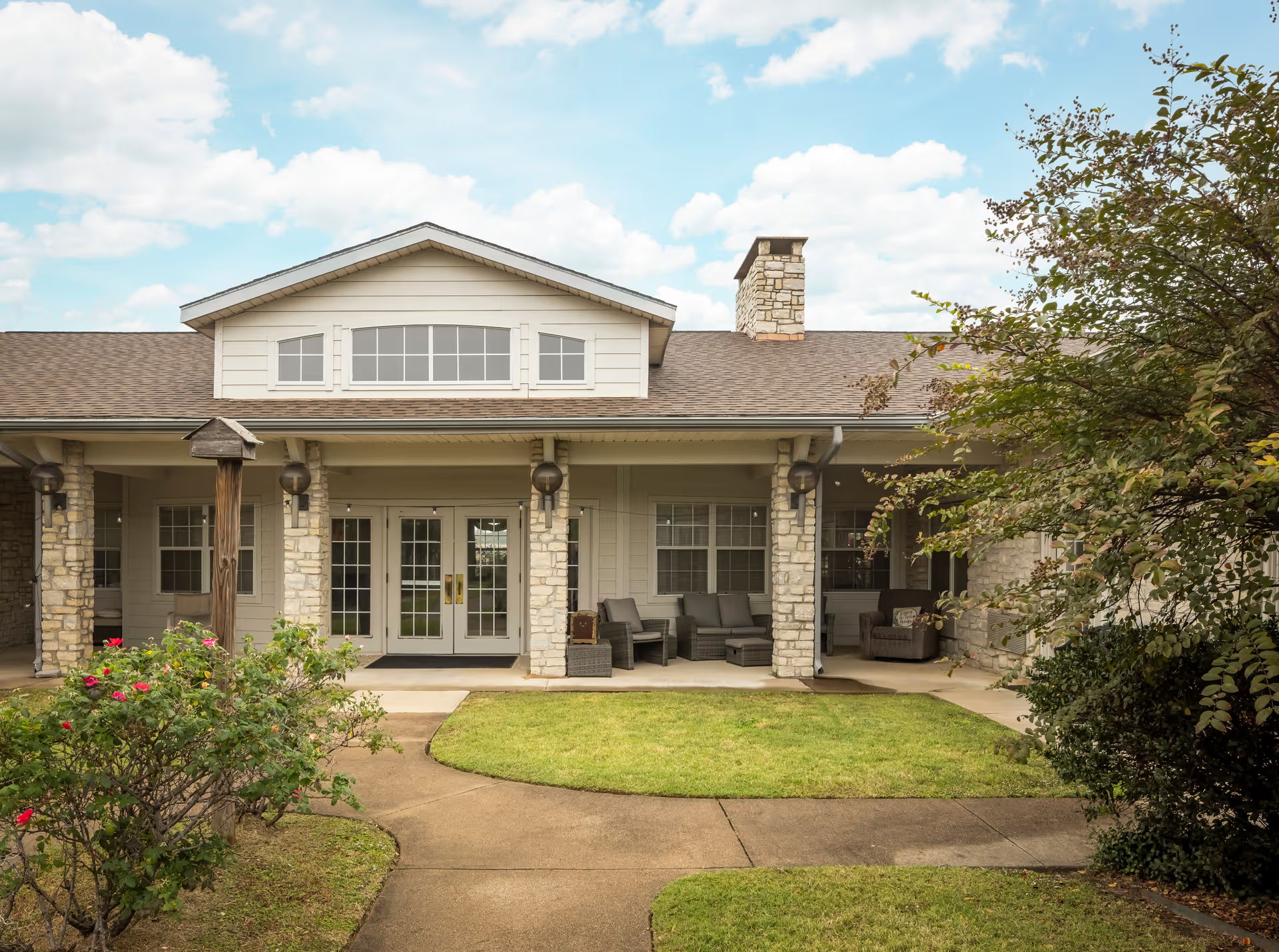
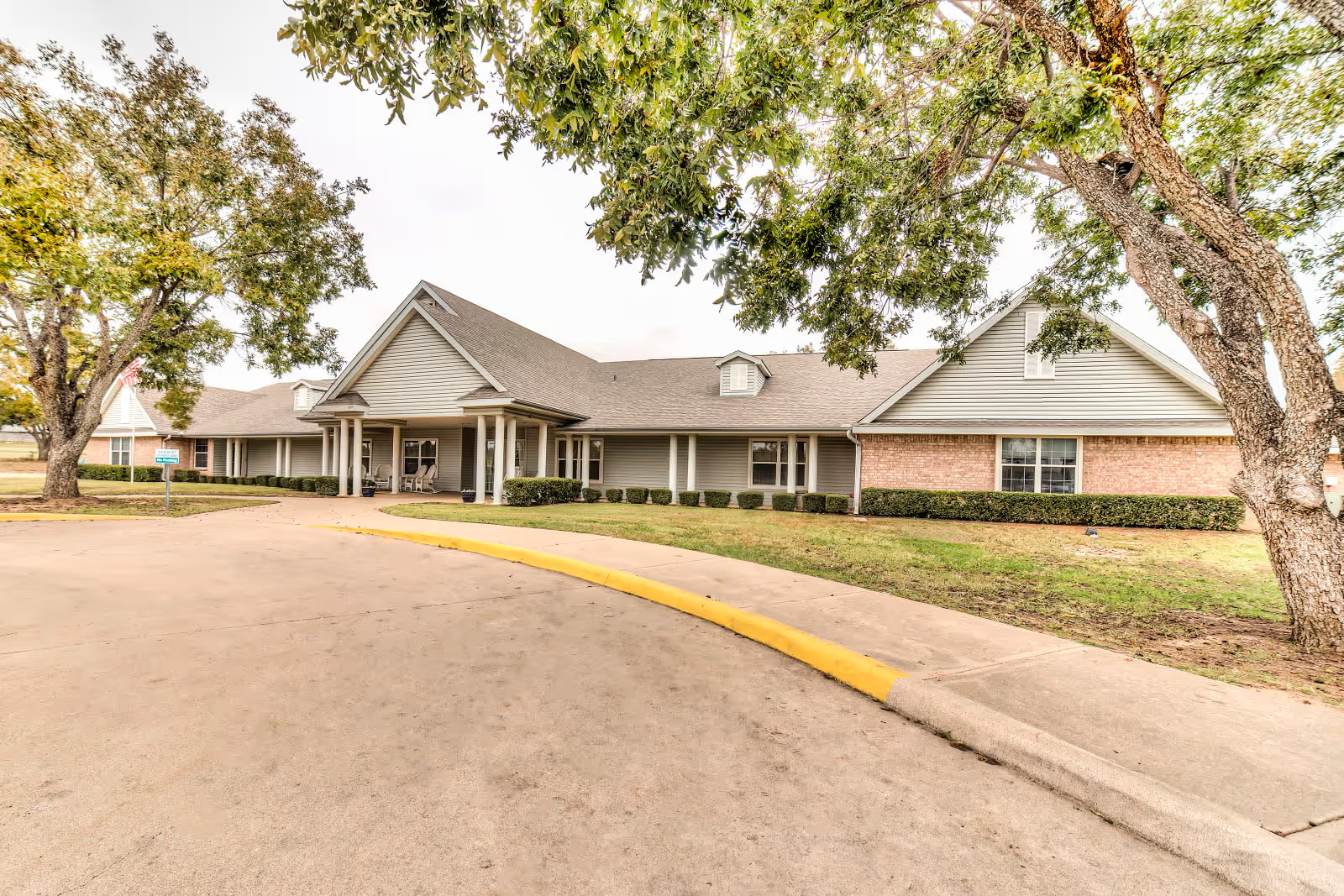
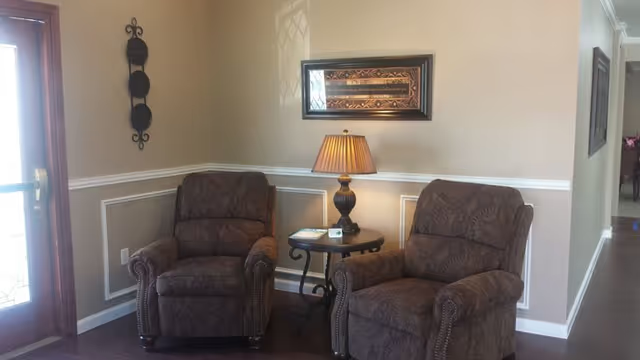
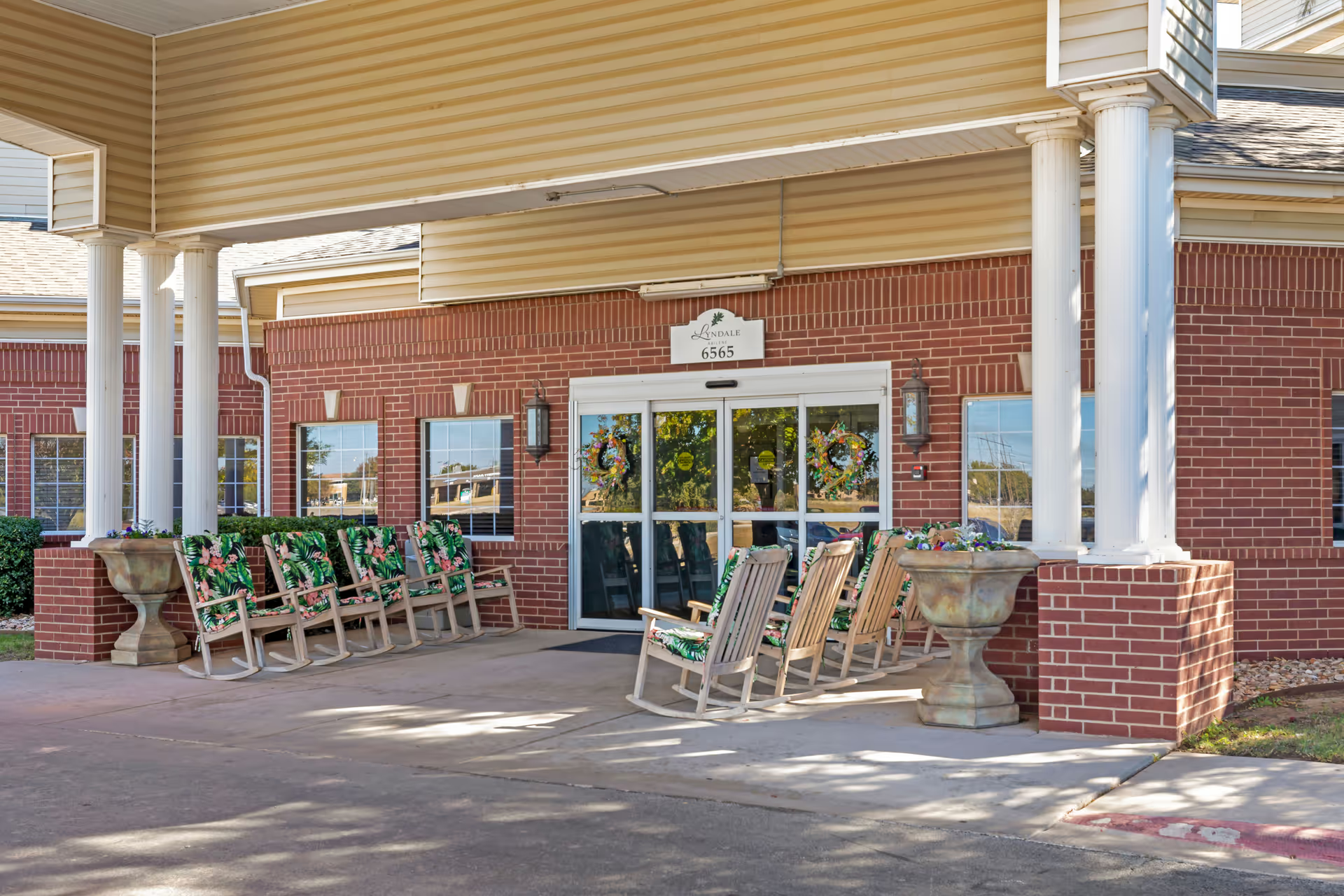
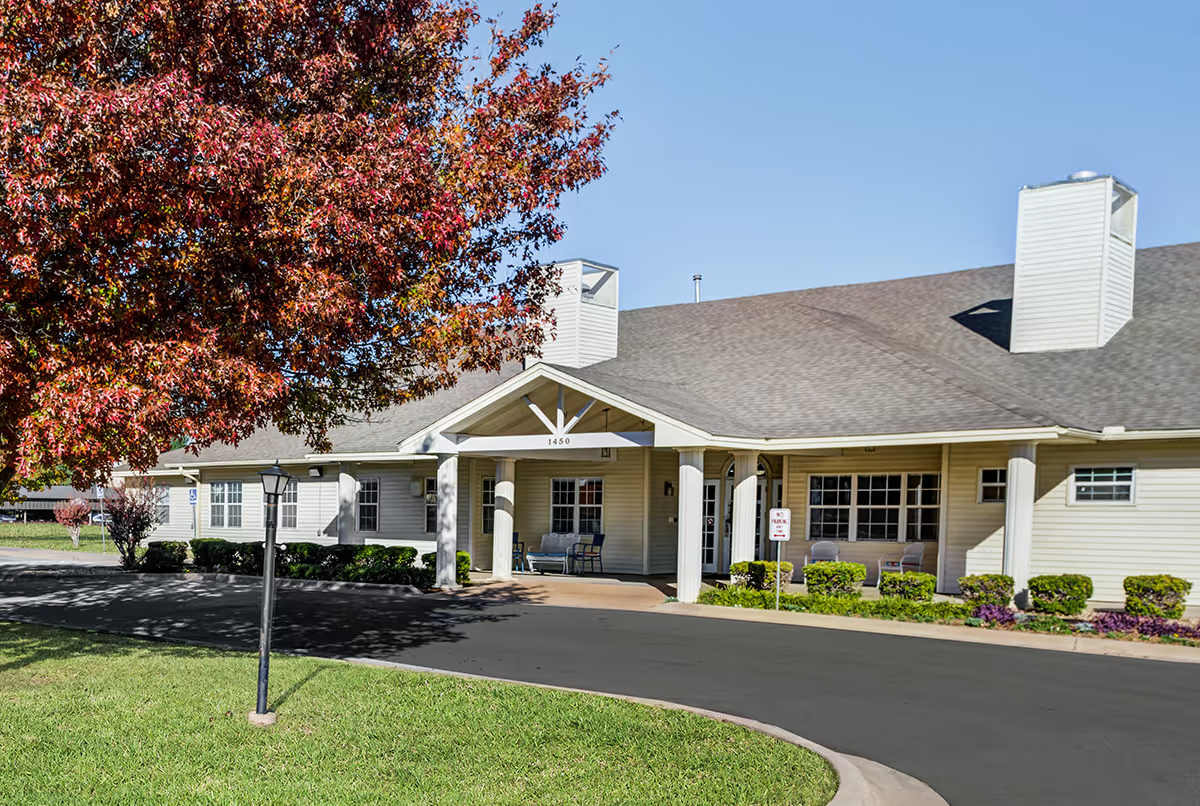
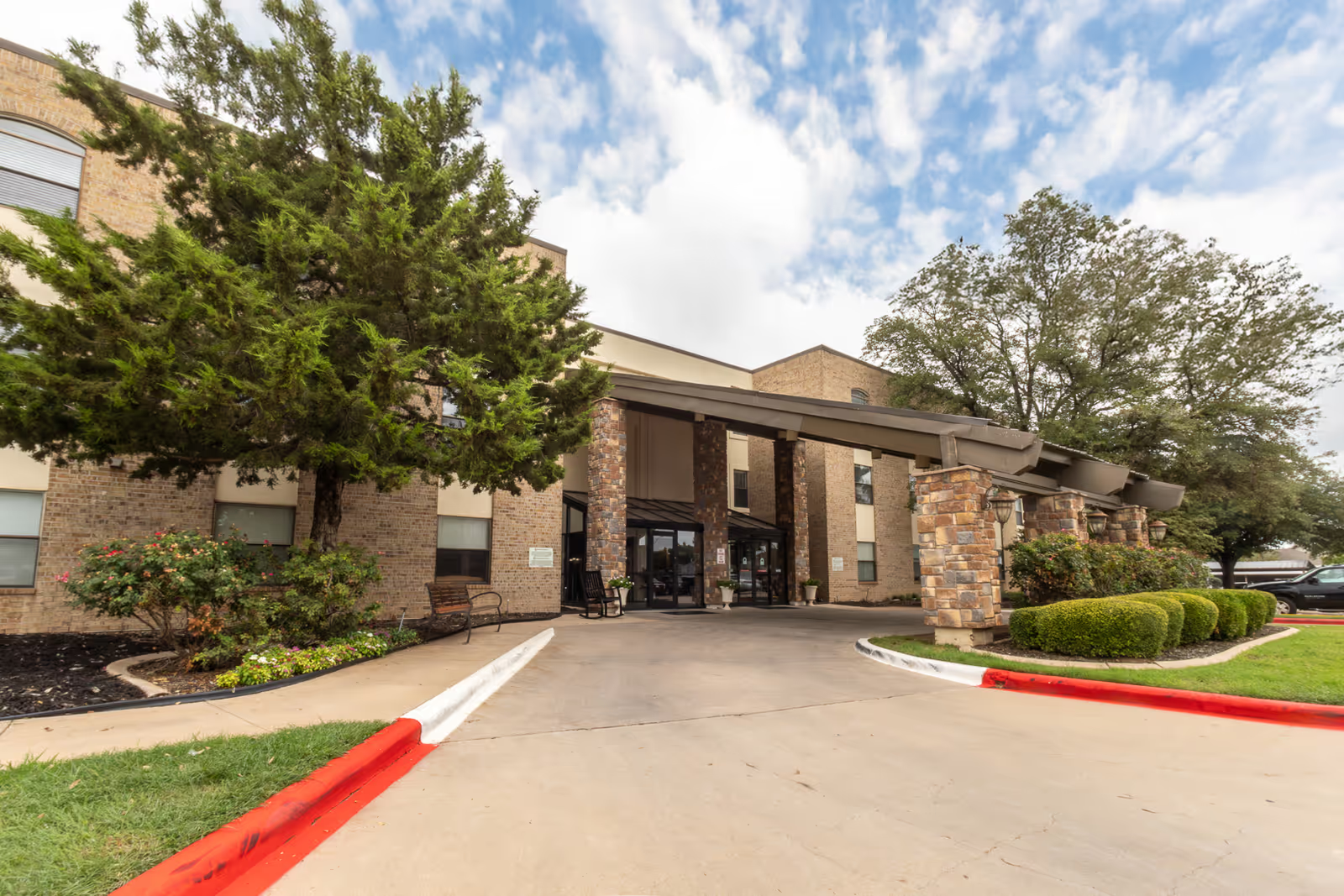
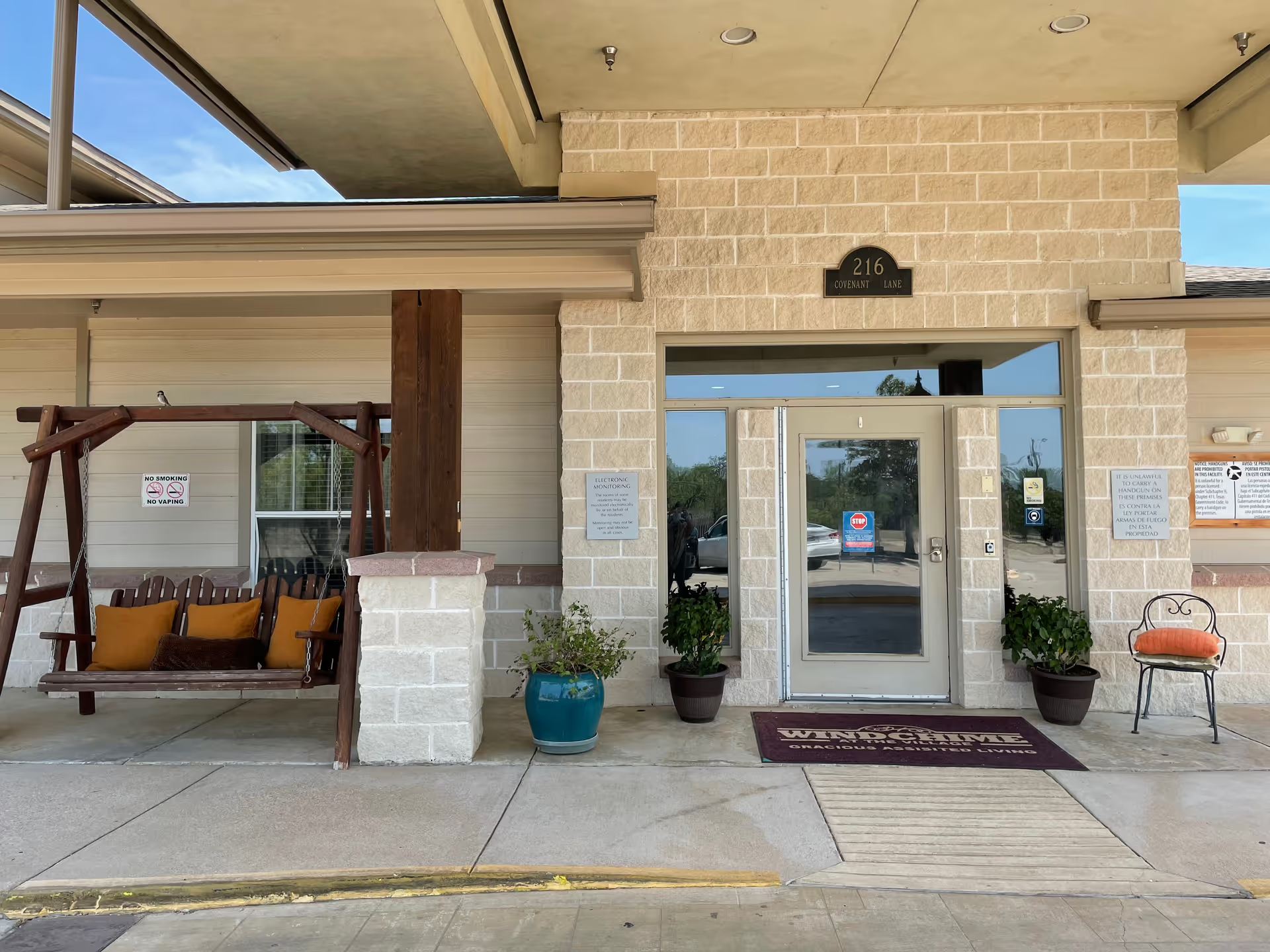
Facilities and housekeeping: The campus and common areas are often described as clean, attractively decorated and secure (keypad access was noted). However, there are recurring comments about inconsistencies at the room level — housekeeping lapses, dishes or trash left in resident rooms or corners, and lost laundry or personal items. These point to variable execution of housekeeping and laundry processes rather than an across-the-board facility condition.
Management, administration and records: Administrative responsiveness is mentioned positively by some families, yet others express concern about leadership priorities and operational controls. There are references to billing/insurance handling difficulties and at least one allegation of a privacy or identification error and medical-record discrepancies. Together these raise questions about record-keeping, resident-identification procedures and administrative communication; families should inquire about privacy safeguards, medical-record reconciliation, and billing practices during a tour.
Notable patterns and recommendation: The dominant pattern is a strong, resident-oriented caregiving staff and effective therapy/hospice capabilities, paired with operational variability in housekeeping, laundry, dining, and records management. For prospective residents and families: schedule a guided visit to observe staff–resident interactions, review housekeeping and laundry protocols, sample the dining options, and ask specific questions about record-keeping, identification procedures, and insurance/billing coordination. Those seeking robust rehab or hospice care may find the clinical teams especially capable, while families for whom consistent room-level sanitation, meal variety, or tightly controlled administrative processes are critical should confirm current corrective actions and oversight measures with facility leadership.