Overall impression: Country Oaks at Hamilton Creek elicits a mix of strong positive experiences and operational concerns. Many families and residents describe a welcoming, well‑kept environment with active programming and helpful leadership; at the same time, recurring operational issues—primarily related to staffing, responsiveness, and some aspects of clinical management—appear to affect the consistency of care for certain residents.
Care and staff: Reviewers frequently highlight attentive, compassionate staff and cohesive leadership; names and individual interactions are often praised. However, staffing shortages and workload pressures are a recurrent theme. These staffing constraints are associated with delayed responses to call‑buttons and resident requests, occasional medication delays, and reports of staff appearing distracted or underengaged during some shifts. Several comments raise concerns about emergency response timing and coordination, and a small number of accounts specifically reference end‑of‑life or hospice situations that families found unsatisfactory. Taken together, the pattern suggests that while the staff culture is generally positive, staffing levels and clinical workflows may not consistently support timely, complex care needs.
Dining and nutrition: Dining service is viewed positively by many—meals are described as appealing and well served—and the facility provides a social dining experience. At the same time, some residents and families note inconsistent nutritional balance and meal preparation (for example, food described as greasy and lacking vegetables). There are also occasional disputes over dining‑room seating, indicating that dining logistics and seating policies could benefit from clearer procedures to reduce resident conflict.
Activities and social life: Activity programming is a clear strength. The community offers frequent engagement opportunities—games, sing‑alongs, daily exercise classes, monthly birthday parties, and outings—that support socialization and help new residents adapt. Reviewers emphasize an engaged resident population and active social calendar, which many families view as a major benefit.
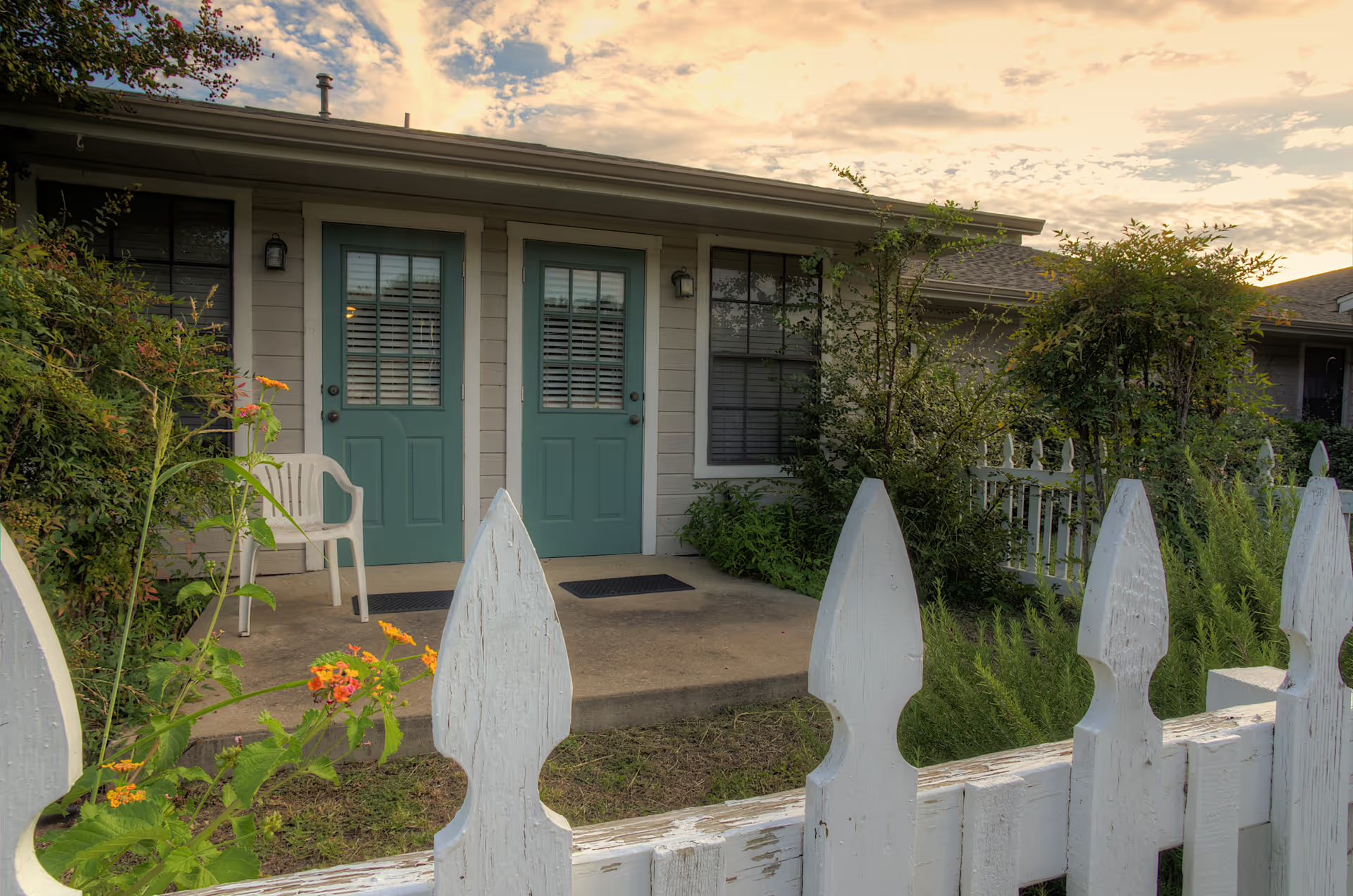
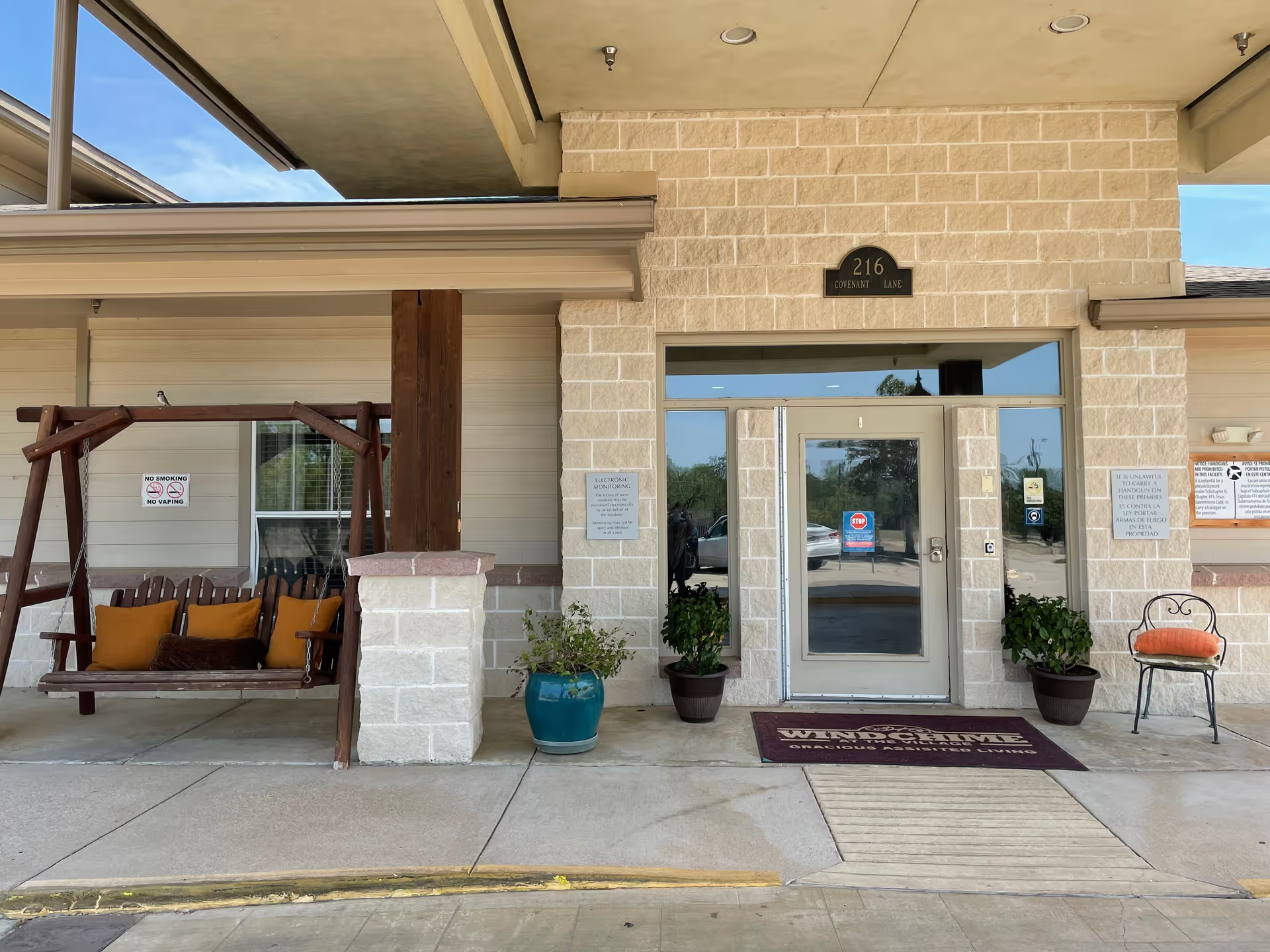
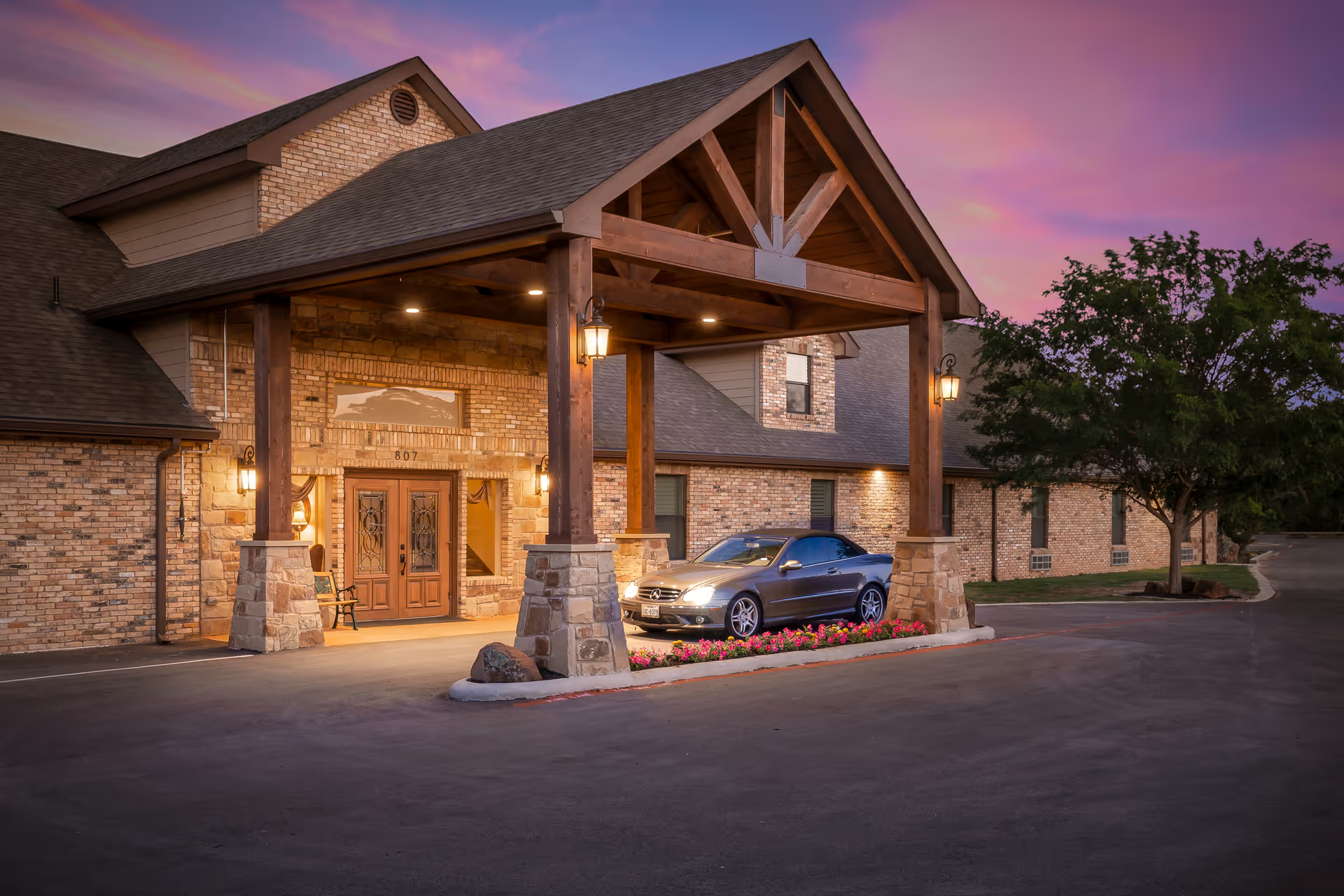
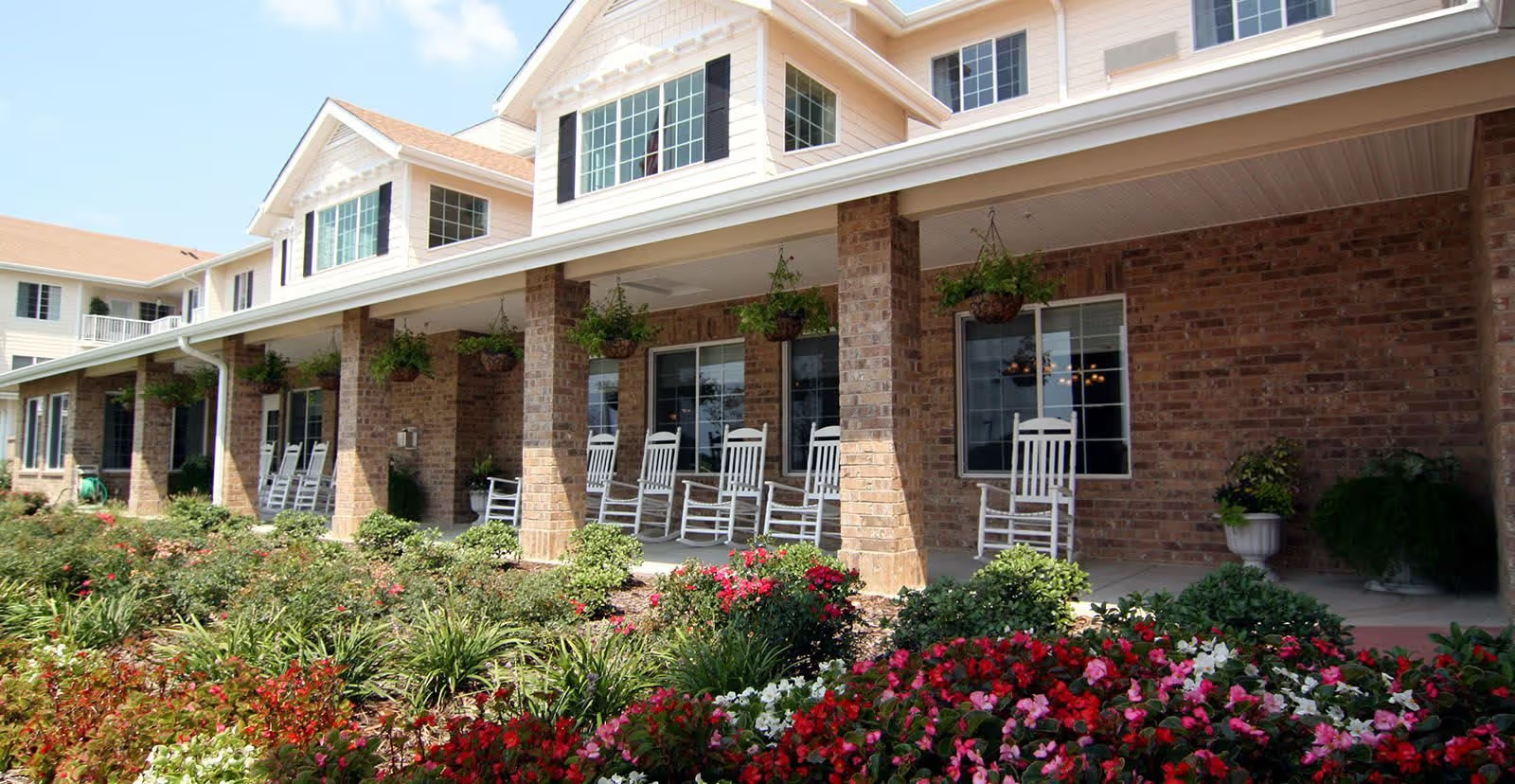
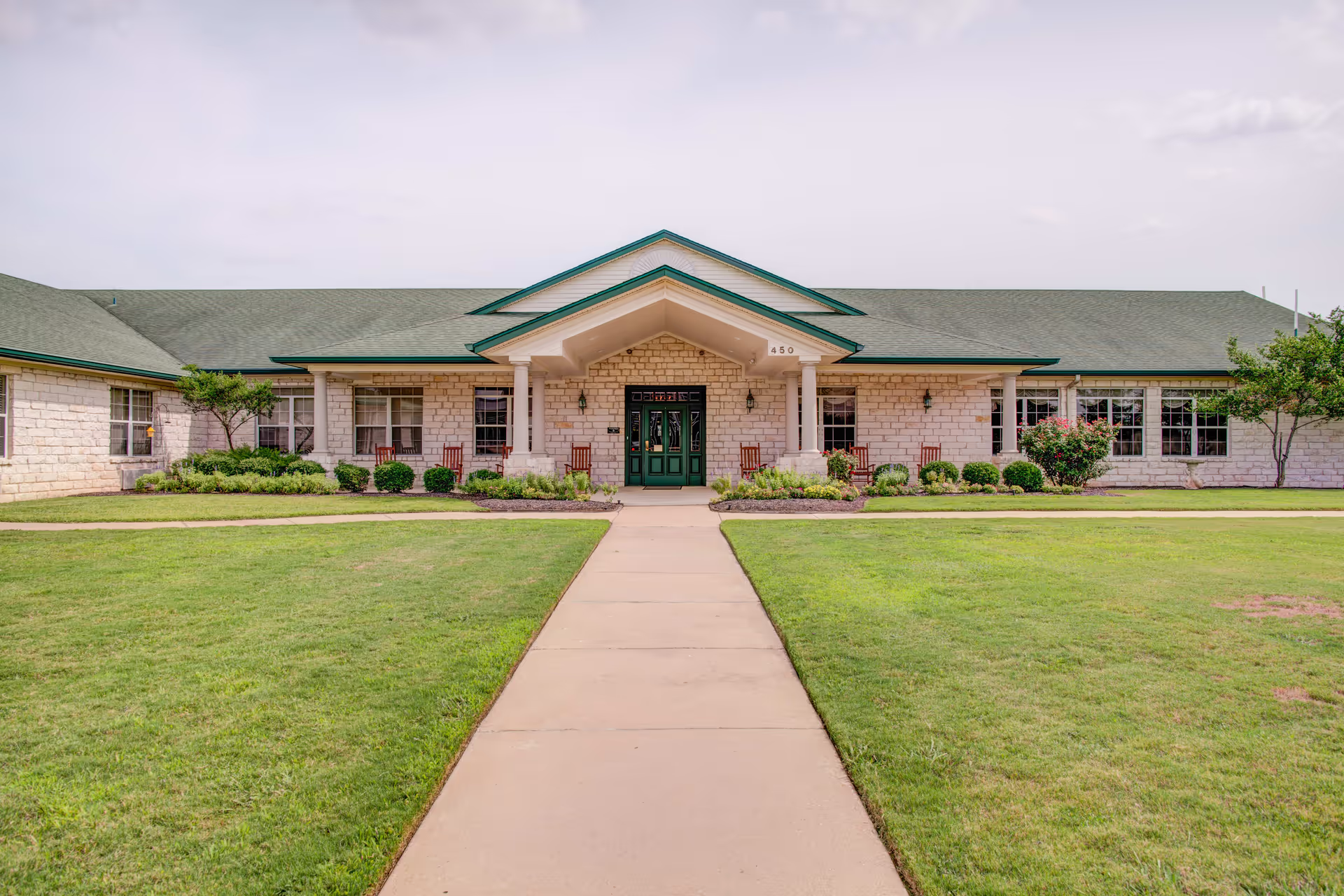
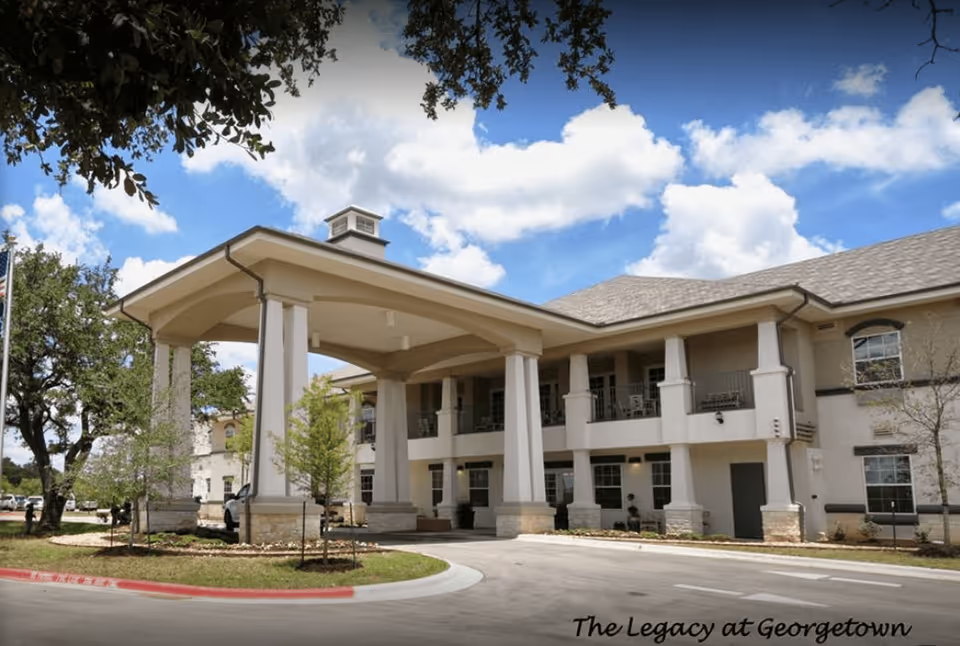
Facilities and amenities: The physical plant and grounds receive consistently positive remarks. Apartments are described as roomy L‑shaped units with separate sleeping areas, kitchenettes, and walk‑in closets. Common areas, a game room, beauty shop, and pleasant grounds contribute to an overall well‑maintained environment. Security features such as cameras and after‑hours access control are also noted as strengths.
Management and notable patterns: Leadership is generally described as professional and helpful, and the facility accepts a variety of insurance options—factors that families find reassuring. Nonetheless, there are isolated but serious concerns related to billing/admissions practices and possible prioritization of financial matters over care; these comments are less frequent but significant and warrant direct inquiry during a tour. The pattern across reviews points to two distinct experience clusters: many families report very positive adjustment and recommend the community, while others report system‑level gaps (staffing, medication and supply management, emergency response, and hospice coordination) that materially affected care. Prospective residents and families should consider verifying staffing ratios, emergency and medication‑management protocols, meal planning for nutritional needs, and billing transparency during their evaluation of the community.