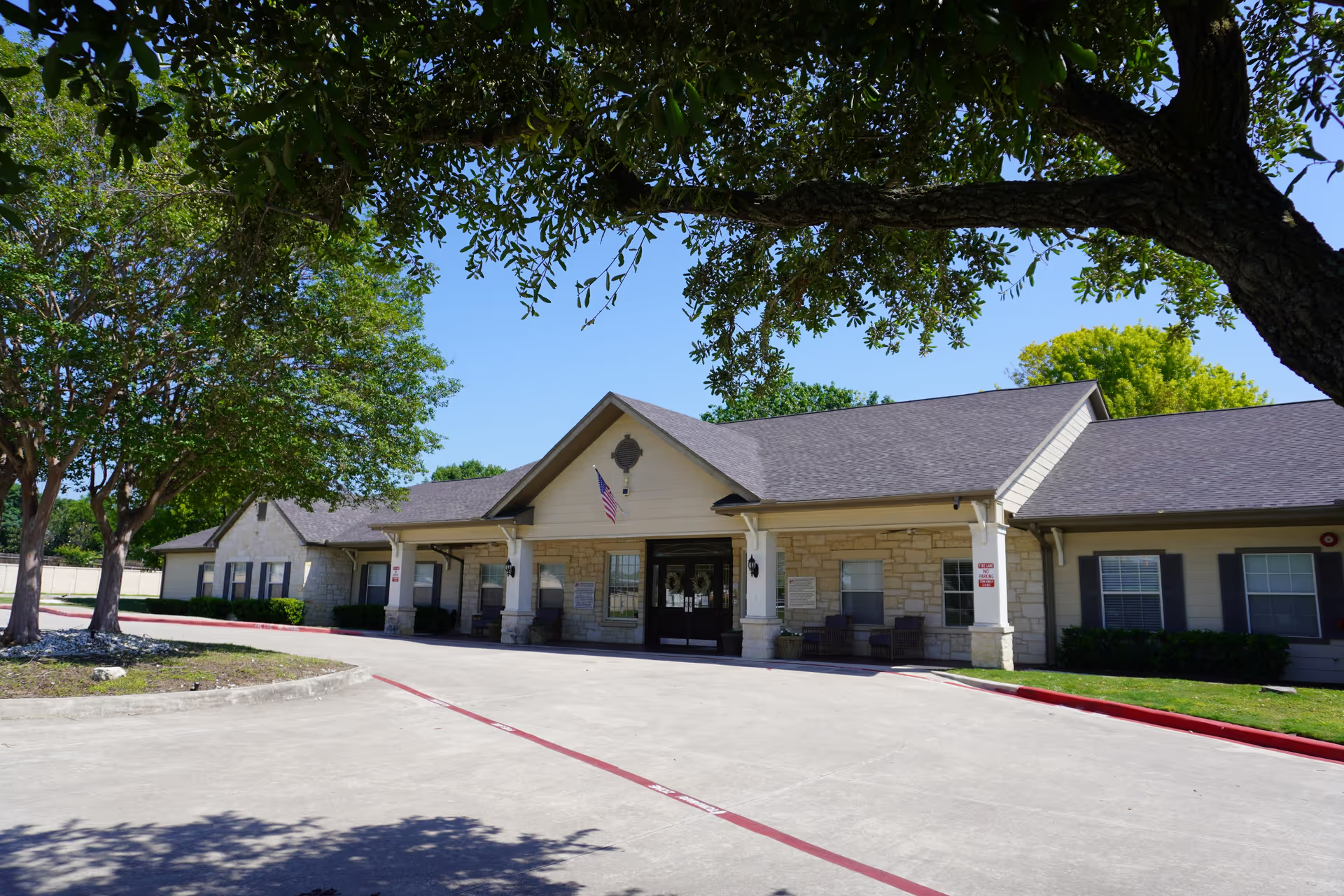
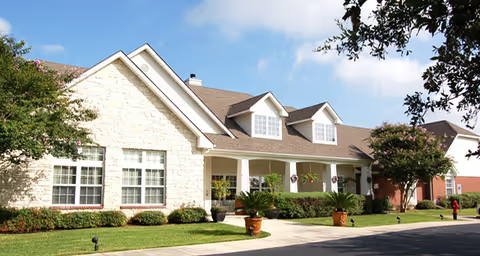
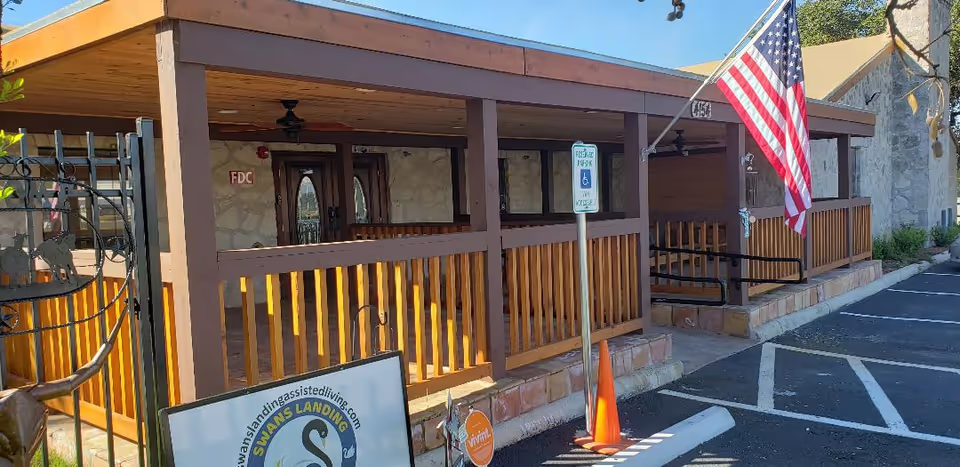
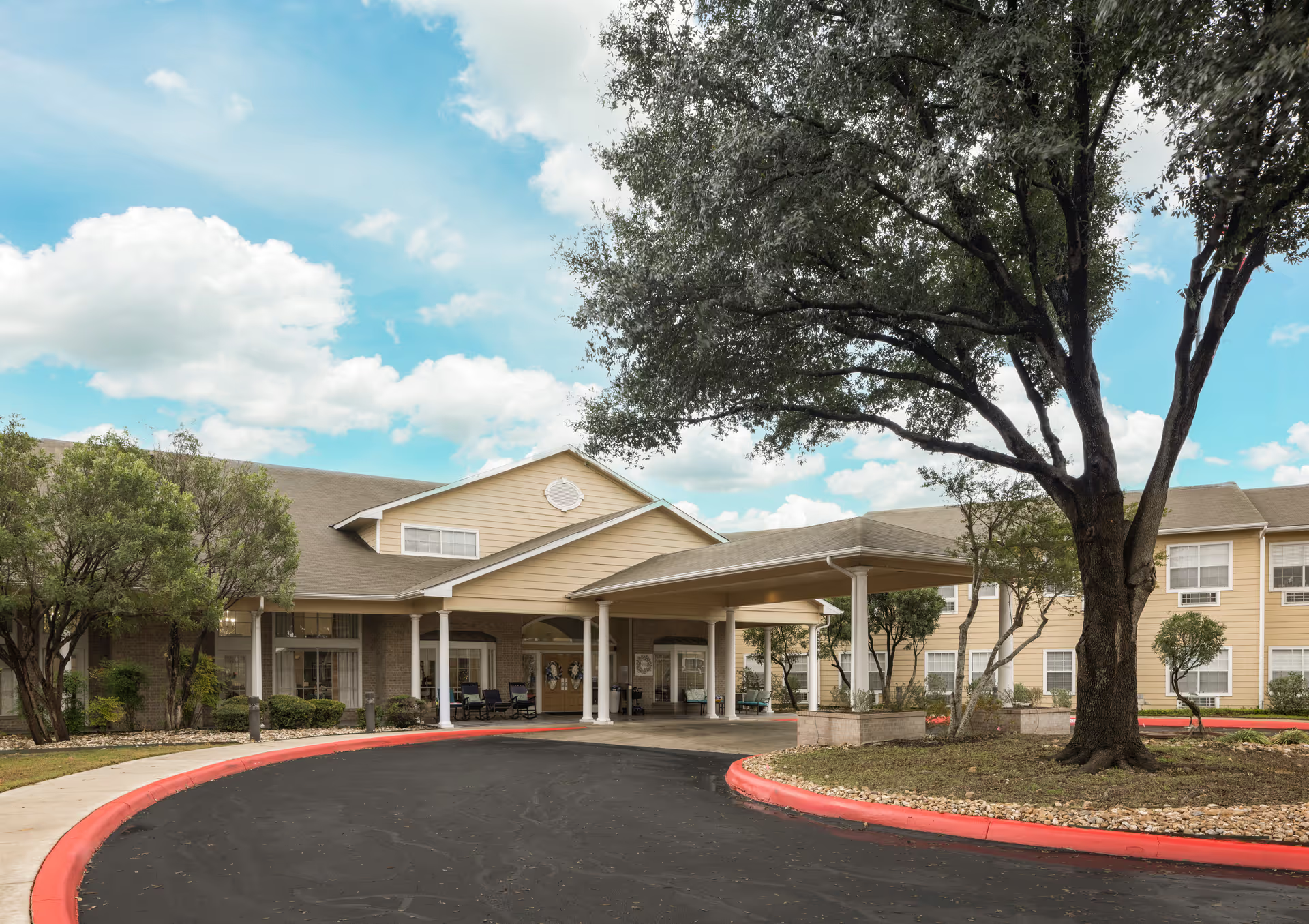
Reviewer accounts describe a facility with a mix of clear strengths and recurring operational weaknesses. Positive experiences emphasize compassionate direct care, knowledgeable nursing and CNA teams, successful rehabilitation outcomes, well-kept grounds and interior maintenance, and attentive housekeeping. Several families praised private rooms, a home-like atmosphere, good therapy participation, and effective coordination with hospice. When the facility performs well, reviewers noted engaging staff–resident relationships, improved mood and mobility for residents, and a clean, remodeled environment.
At the same time, there is a consistent pattern of variability in day-to-day operations. Staffing levels and coverage appear inconsistent across shifts and weekends; reviewers specifically mention reduced attention overnight and staffing shortages on weekends. This variability contributes to concerns about staff responsiveness and conduct, including delayed responses to call lights and uneven communication with families. Multiple accounts describe differences in staff competency—some staff are praised while others, including agency or newer hires, are characterized as less engaged.
Sanitation and incontinence-care issues are recurring themes: some reviewers report delays in attending to personal-care needs and room maintenance, and occasional odor concerns. Related to resident possessions, there are multiple complaints about missing personal items, indicating potential weaknesses in personal-item security and inventory processes. Dining impressions are mixed: some residents and families describe tasty meals and alternative options, while others report inconsistent meal quality and limited fresh fruit or variety at times.
Activity programming and social engagement also vary. Several families describe a robust, family-like activity culture and effective therapy programs; others report minimal offerings (primarily low-engagement activities) and limited weekend programming. Management perceptions are similarly mixed—some reviewers praise an involved, friendly administration and helpful reception staff, while others describe recent turnover, dismissals of long-time personnel, and perceived declines in care following administrative changes.
Finally, there are reports that raise clinical-safety concerns: gaps in escalation procedures and family communication about incidents, delayed clinical follow-up in urgent situations, and at least one account that raised issues following a resident's death. These are isolated but serious and reinforce the broader pattern of inconsistent performance.
For prospective residents and families, the facility appears capable of delivering high-quality, compassionate care and effective rehabilitation under the right circumstances, but experiences are uneven and seem sensitive to staffing levels, administration stability, and shift coverage. Recommended steps before placement include visiting multiple shifts (including weekends and evenings), reviewing staffing ratios and turnover rates, asking about personal-item security protocols, observing activity programming, and confirming escalation and family-notification procedures in writing.