Hill Country Nursing and Rehab is generally described as a facility with strong clinical and rehabilitative capabilities, anchored by a workforce that many families view as compassionate and long tenured. Reviewers consistently highlight nursing and therapy teams that deliver effective post-acute care and rehabilitation, with multiple accounts of positive functional outcomes. The staff profile is characterized as patient, professional, and skilled, and low staff turnover is cited as a stabilizing factor for continuity of care.
Dining and daily life are frequently praised. Meals are described as homestyle southern cooking made from scratch, with special events and holiday meals noted as well-executed and well attended. Several families observed positive changes in residents related to appetite and weight. The facility offers a range of amenities that support resident engagement—on-site hairdressing, volunteer nail services, a library nook, puzzles, music, TVs in rooms, and abundant activities—plus outdoor features such as community gardens and resident chickens that contribute to a more home-like atmosphere.
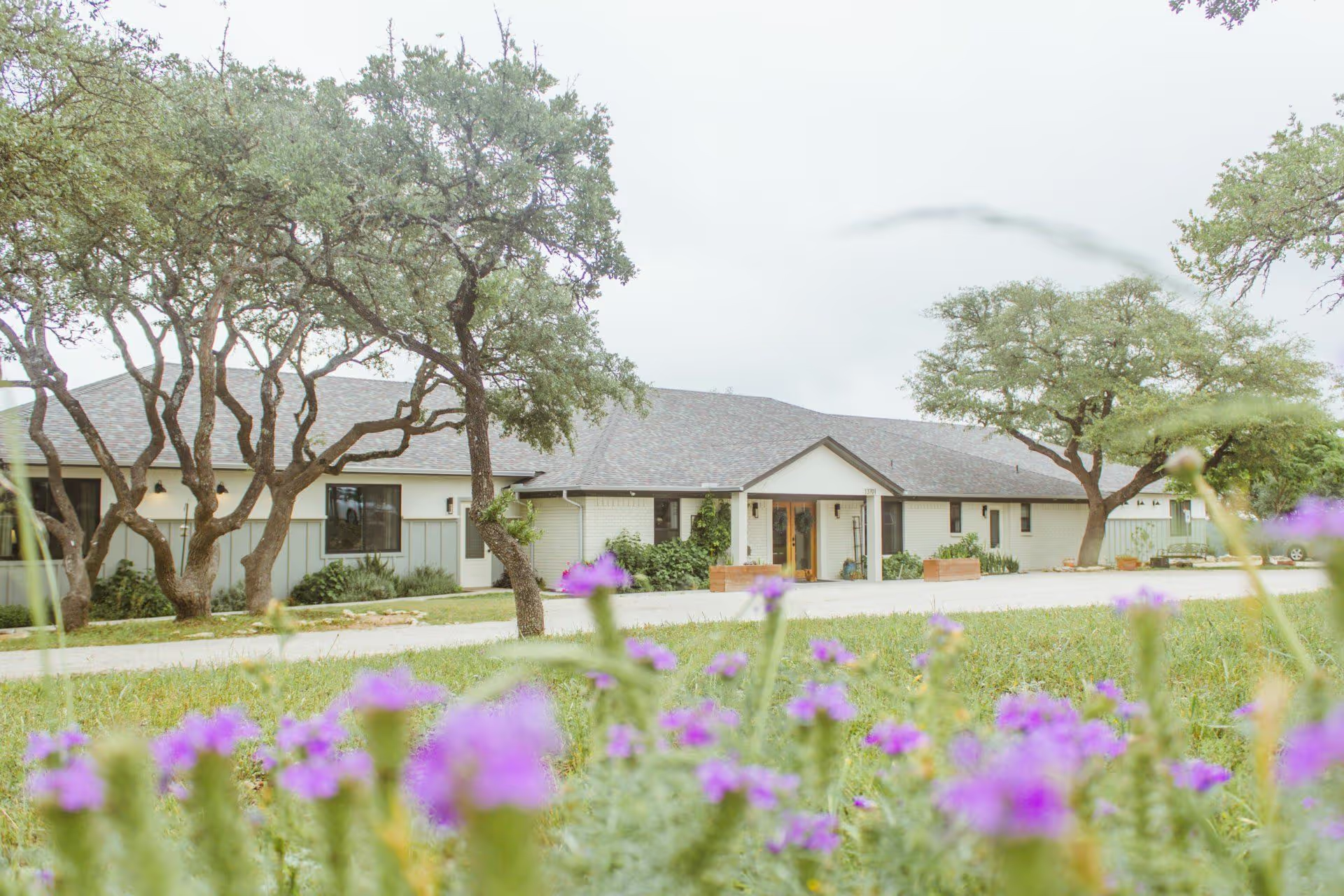
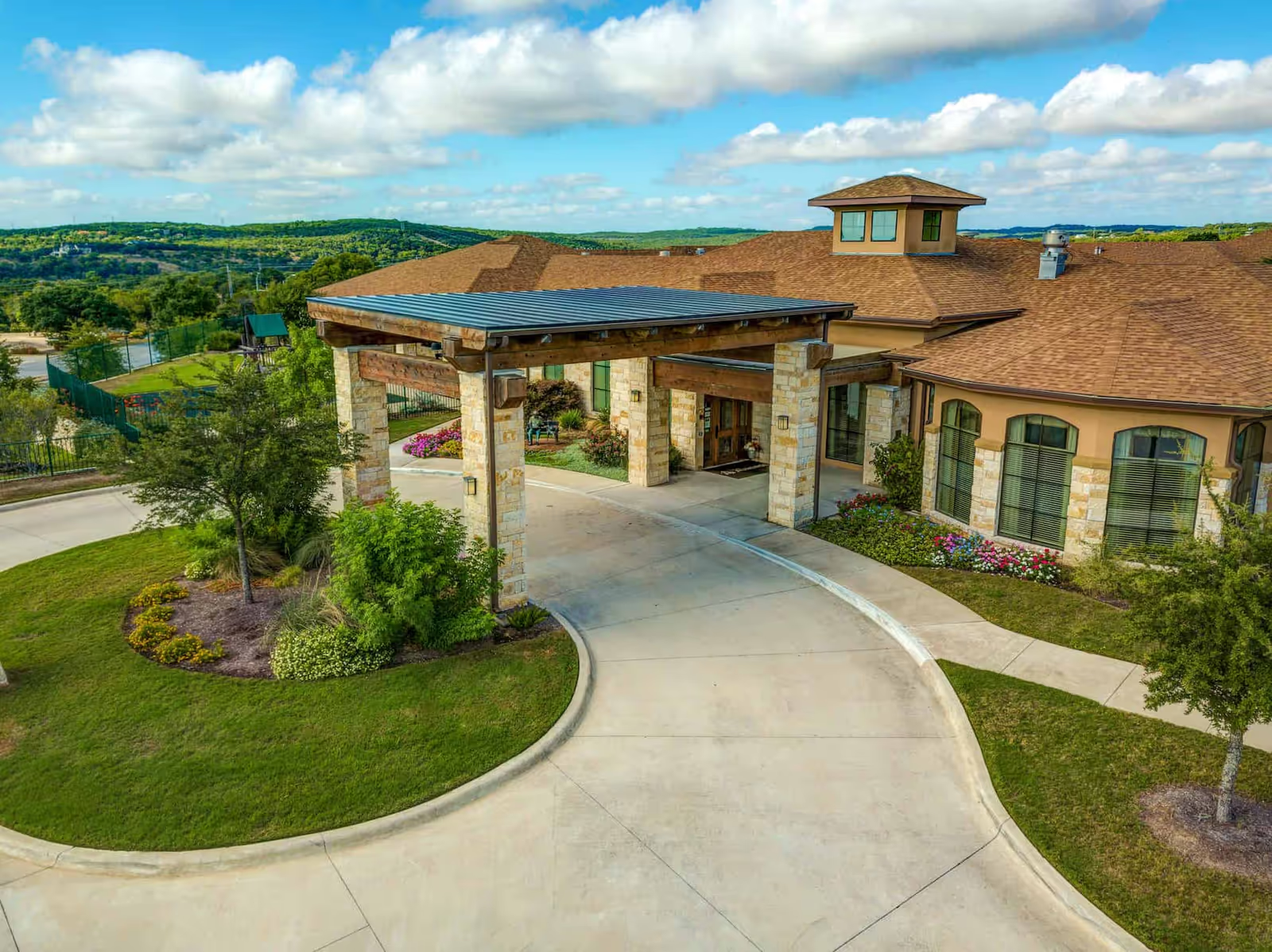
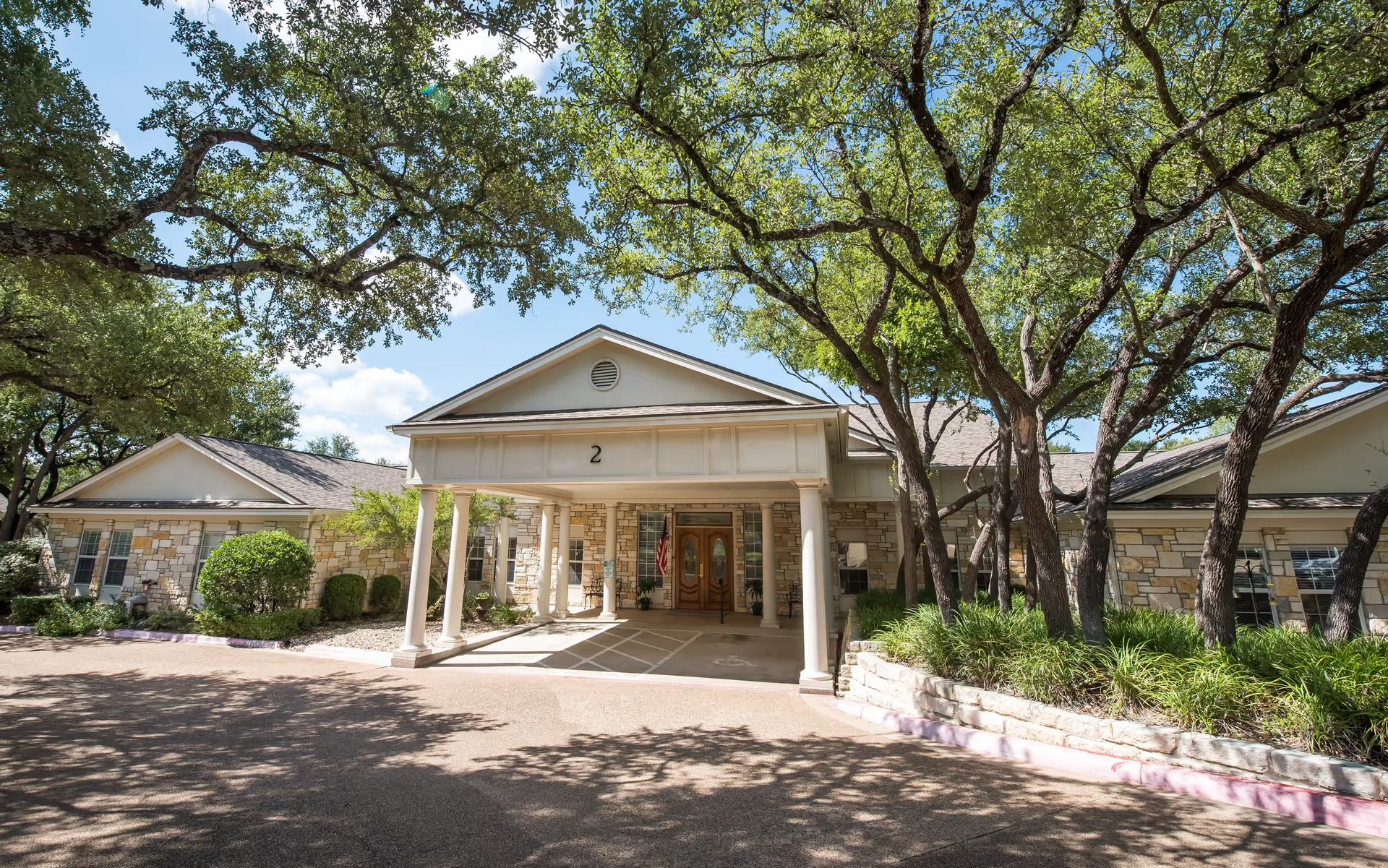
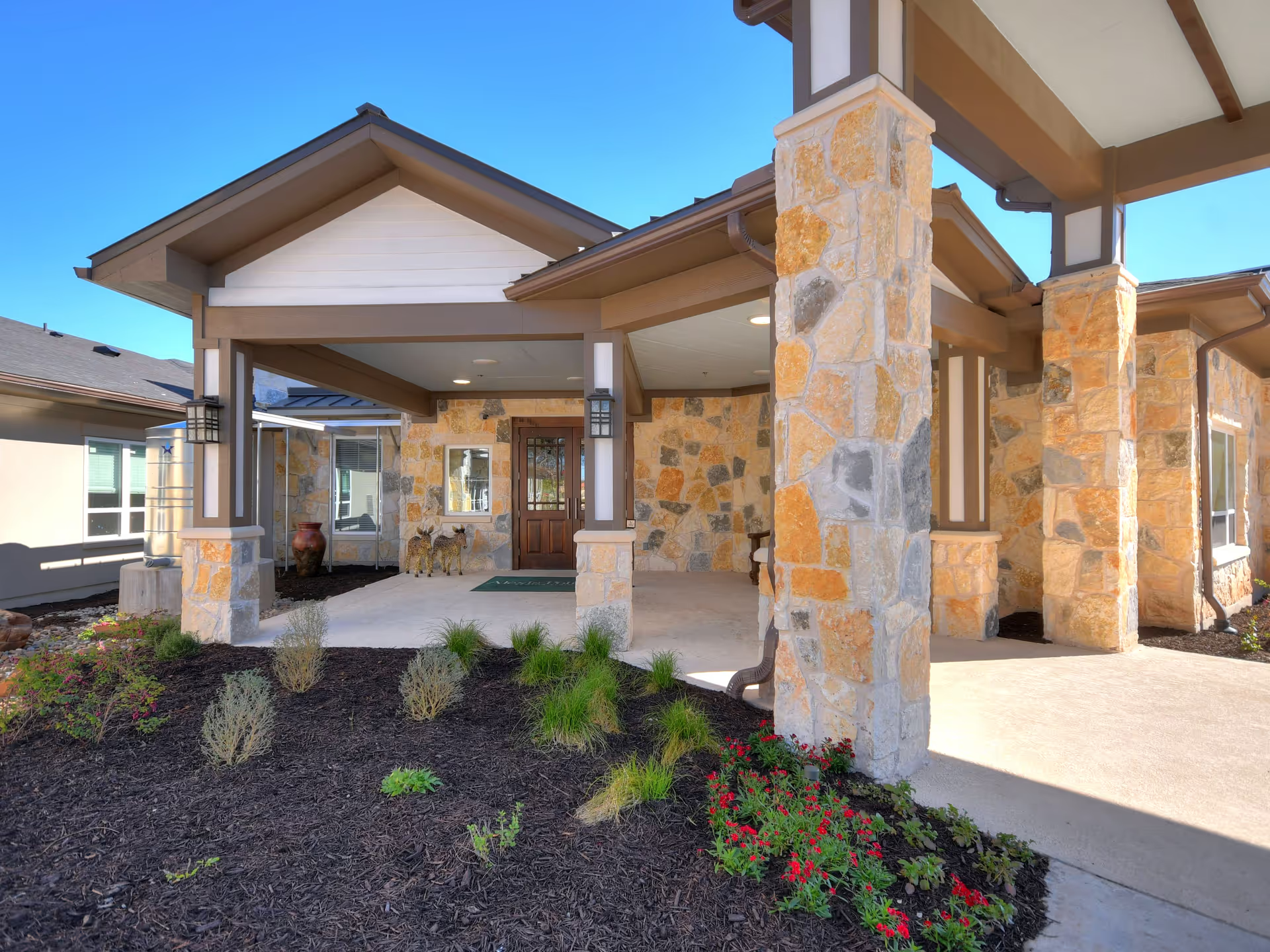
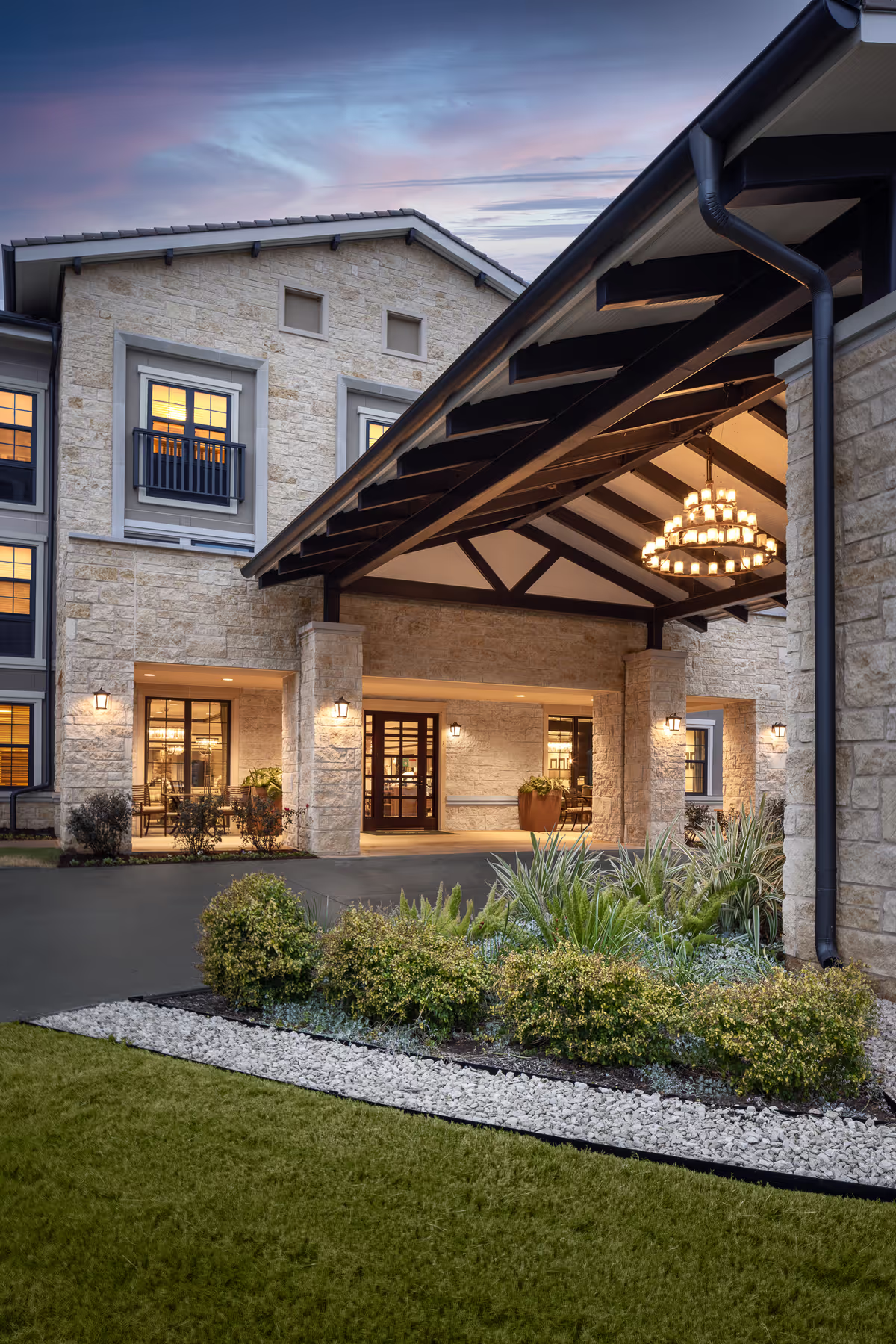
The physical plant and atmosphere are portrayed positively: the building and grounds are well maintained and clean, with decorative touches and live plants that create an inviting environment. A pet-friendly policy and communal programming further support quality-of-life goals. Administration is generally viewed as supportive, and reviewers mention proactive COVID adaptations and encouragement of family involvement.
Areas of operational concern cluster around staffing, communication, and administrative processes. Some reviewers indicate periods of understaffing or staffing shortages that can affect timeliness of response to resident requests. There are recurring notes about inconsistent communication and engagement with family members, including a need for additional staff training in family interactions. Financial and administrative processes have been a pain point for some families; slow refund and billing resolution timelines were specifically called out.
A few reviewers expressed anxiety about potential changes in ownership or corporate oversight and how that might affect the facility's culture and practices. Additionally, while most comments about staff conduct are positive, isolated accounts describe lapses in tone or responsiveness; these have been abstracted as concerns about staff conduct and responsiveness rather than pervasive practice. Prospective residents and families should weigh the facility's strong clinical and social offerings against the operational caveats: ask about current staffing ratios, observe staff–family interactions during a visit, and clarify billing and refund policies and the facility's plan for any ownership transitions.