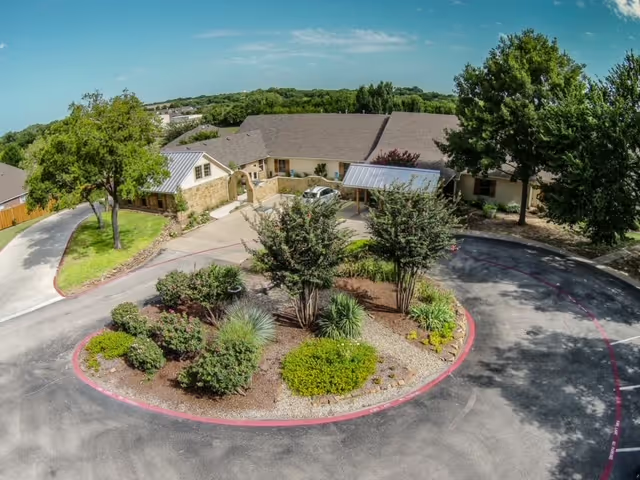
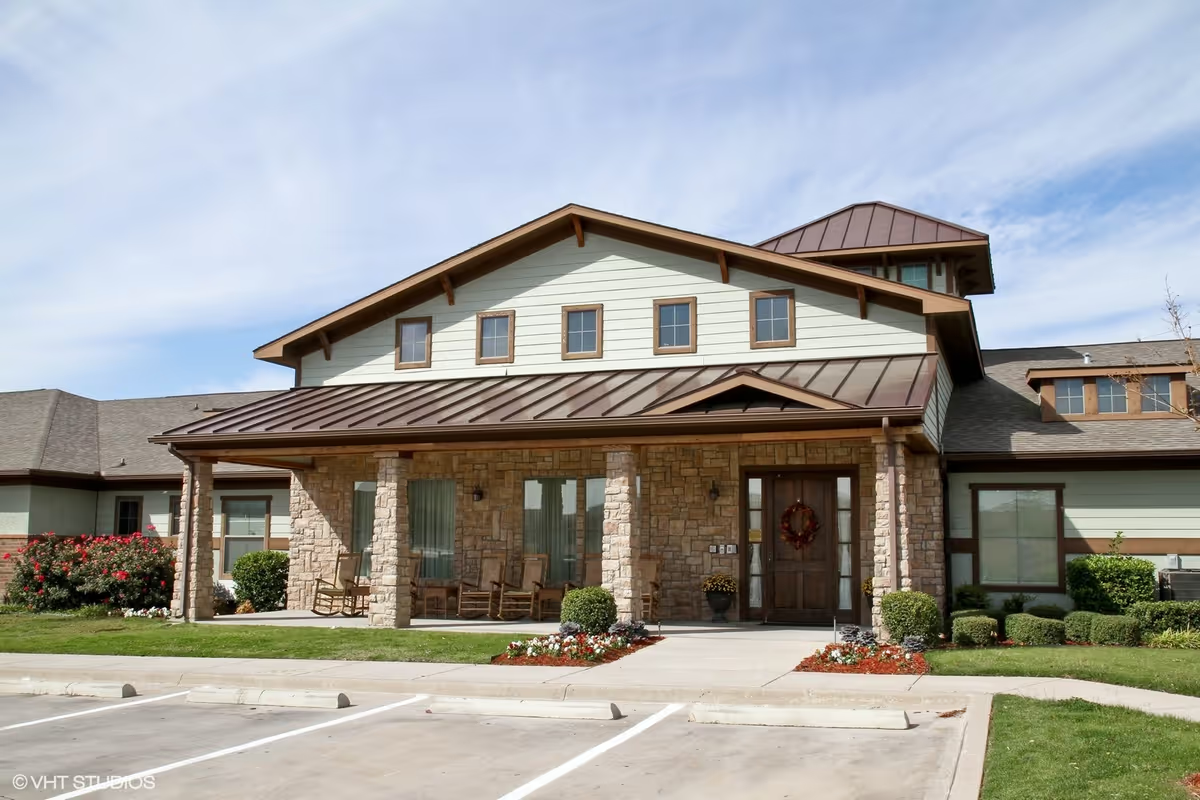
Reviewer feedback for Graham Oaks Care Center is mixed but leans positive in several operational domains. Many families and residents praise the facility’s caregiving culture: reviewers repeatedly cite compassionate, family‑like staff interactions, responsive nurses and CNAs, and a team-oriented environment. Clinical strengths that appear distinctive include around-the-clock respiratory therapy (including ventilator capability) and an active rehabilitation/therapy program. Several reviews highlight smooth admissions and transitions, helpful office staff, and an overall sense of safety when clinical capabilities are needed.
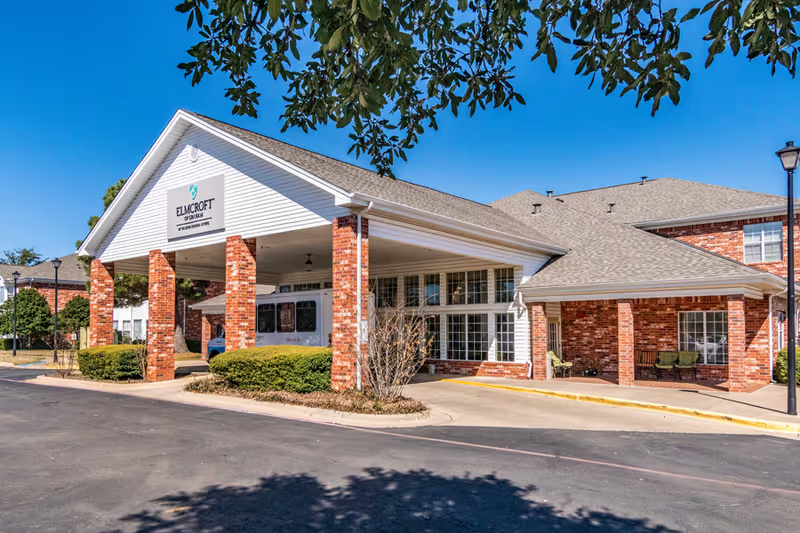
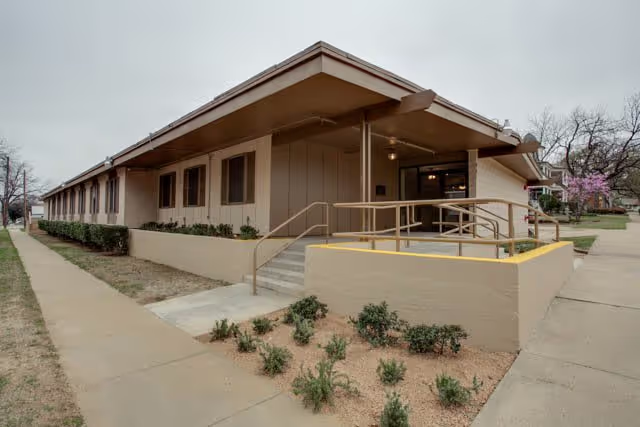
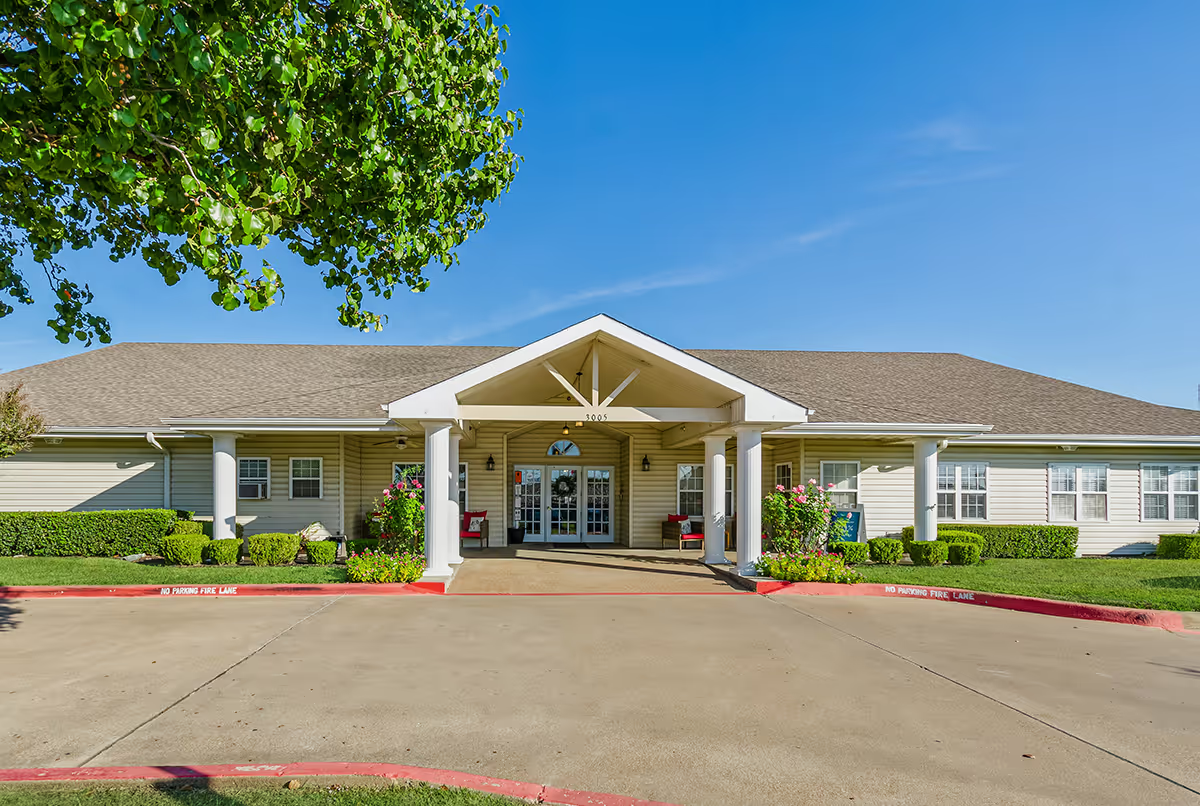
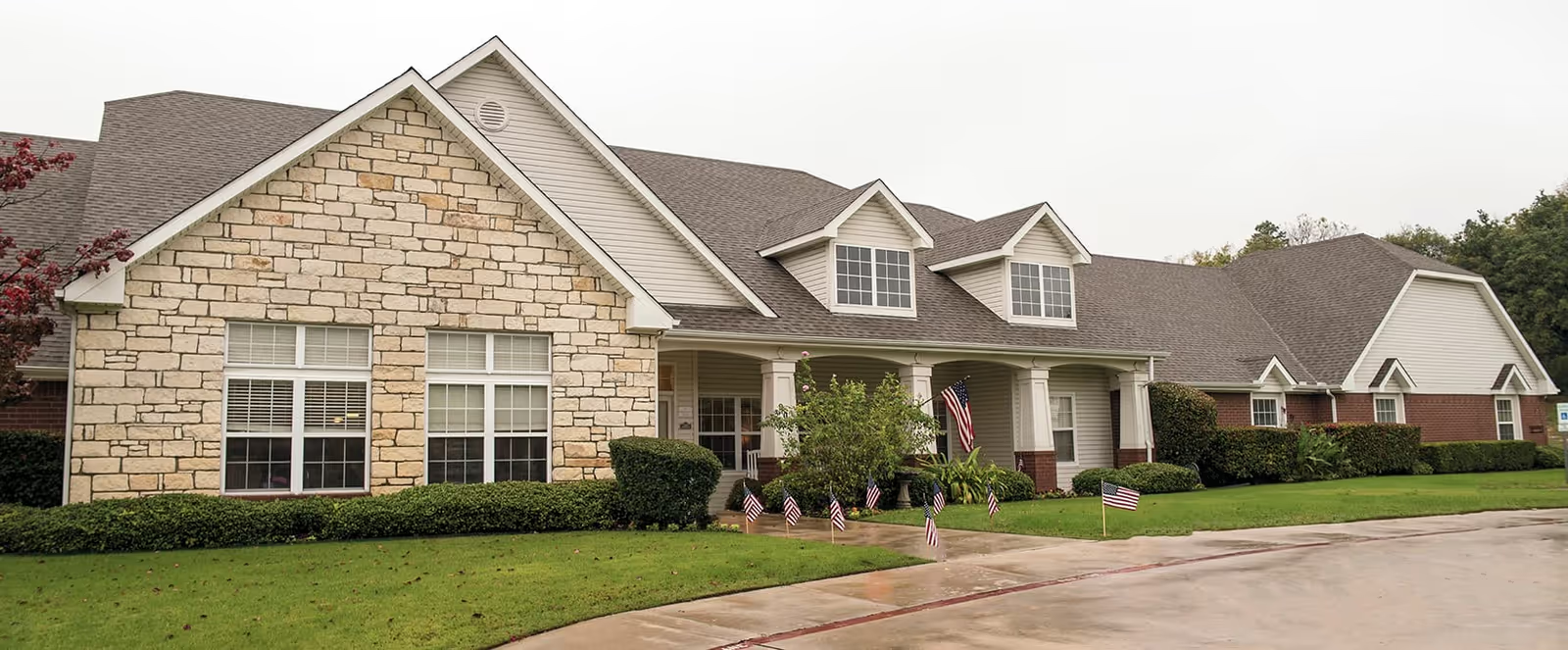
The facility’s physical environment and services receive consistent positive comments. Multiple reviewers note a recent remodel, clean and well‑maintained interiors, an inviting entrance, and a home-like atmosphere. Dining is generally viewed favorably — meals were described as on time and varied — and the activities program is characterized as engaging, with regular events that contribute to resident quality of life. Specialty offerings such as a memory-care unit and a secure unit for residents who are exit‑seeking are noted as useful features.
Despite the many positive observations, a number of operational concerns recur across reviews. Communication and transparency with families are uneven: reviewers describe instances of unclear guidance about visitation and limited or delayed disclosure of resident location or status. Clinical responsiveness is not uniformly consistent; some families report delays in attending to care needs, especially during off‑hours. Related clinical concerns include gaps in infection‑control and wound/incontinence care practices that, in a few cases, were associated with adverse outcomes. There are also mentions of medication‑security and personal‑property issues that suggest the need for stronger controls and oversight.
Personnel and management patterns show both strengths and weaknesses. While many reviewers praise individual clinicians, therapists, and leadership (including an engaged admissions director), others note variability in staff conduct and deficiencies in incident resolution. Comments about HR follow‑up and repeat personnel issues indicate potential gaps in oversight. Taken together, the pattern is one of a facility with substantial clinical capability and many devoted staff members, alongside operational inconsistencies that could materially affect individual experiences.
For prospective residents and families, key takeaways are to verify specifics that matter to you: clinical programs (especially respiratory and rehab services), staffing levels and after‑hours responsiveness, infection‑control protocols, medication and controlled‑substance safeguards, property‑security procedures, and the facility’s procedures for family communication and incident resolution. Those who value a well‑equipped clinical environment and a family‑oriented caregiving culture often report positive outcomes; however, families should also seek clarity about the facility’s policies and oversight mechanisms to address the variability noted by other reviewers.