The available reviews present a uniformly positive view of care at Haskell Healthcare Center, with a clear emphasis on the interpersonal dimension of services. Reviewers consistently highlight staff compassion, attentiveness, and a resident-focused approach. There is repeated mention of a close-knit, family-like atmosphere and friendly, conversational interactions between staff and residents, which suggests strong day-to-day relational continuity and rapport.
Care quality and staffing emerge as the facility's most prominent strengths. Comments emphasize attentive caregiving, watchful oversight by administration, and responsiveness to resident needs. These characterizations point toward a culture that prioritizes personal attention and supportive staff–resident relationships. The available feedback, however, does not include granular clinical outcome metrics or detailed descriptions of clinical protocols, so judgments about clinical performance should be supplemented with facility-provided documentation or direct questions during a visit.
Dining and activities receive little attention in the comments. There is minimal commentary on meal quality, menu variety, special-diet accommodations, activity schedules, or program engagement. For prospective residents and families, this gap means it would be prudent to ask the facility for sample menus, activity calendars, and participation rates to assess whether those services meet individual expectations.
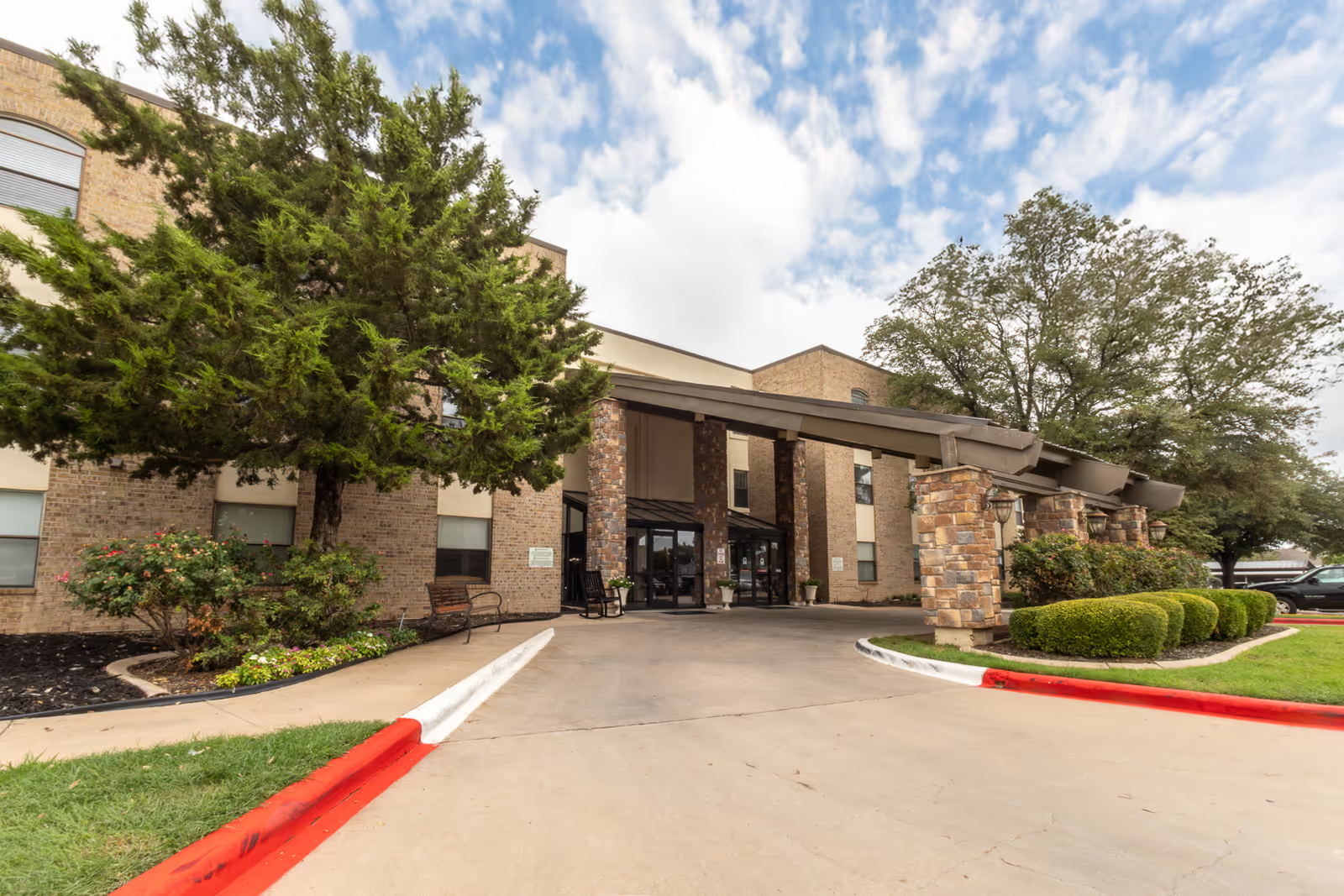
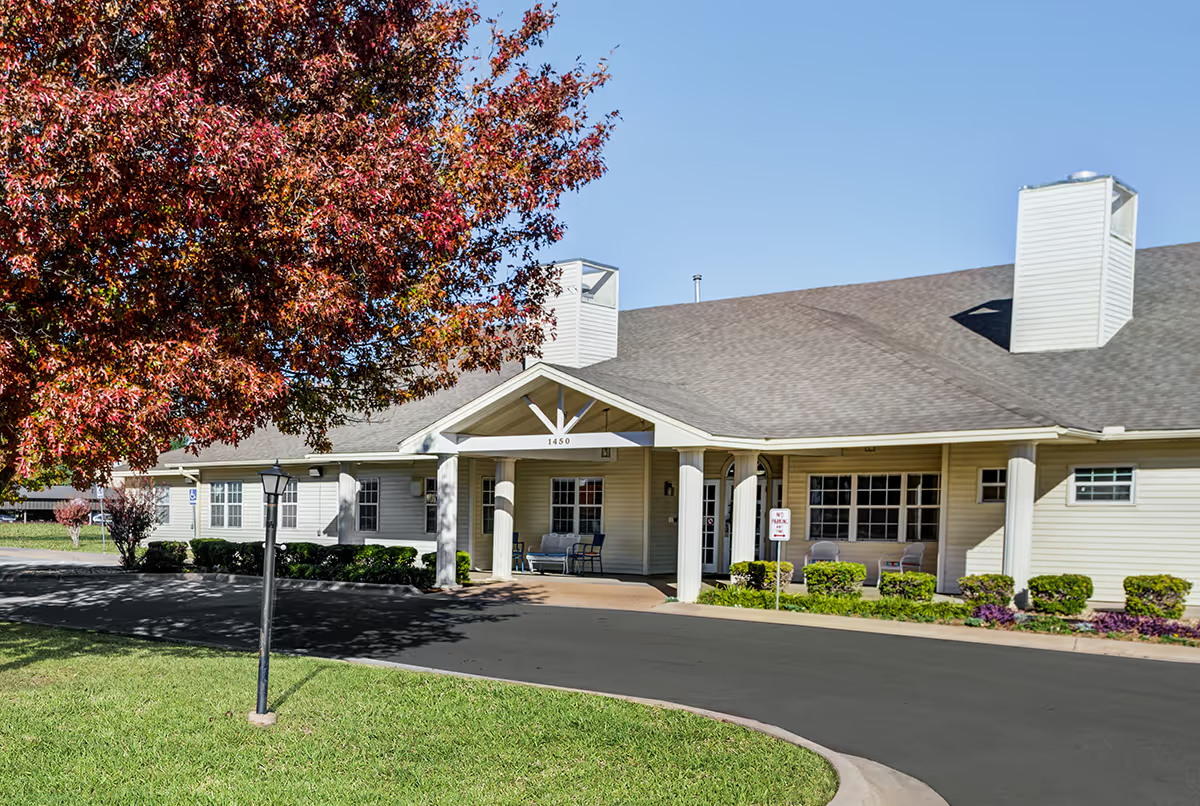
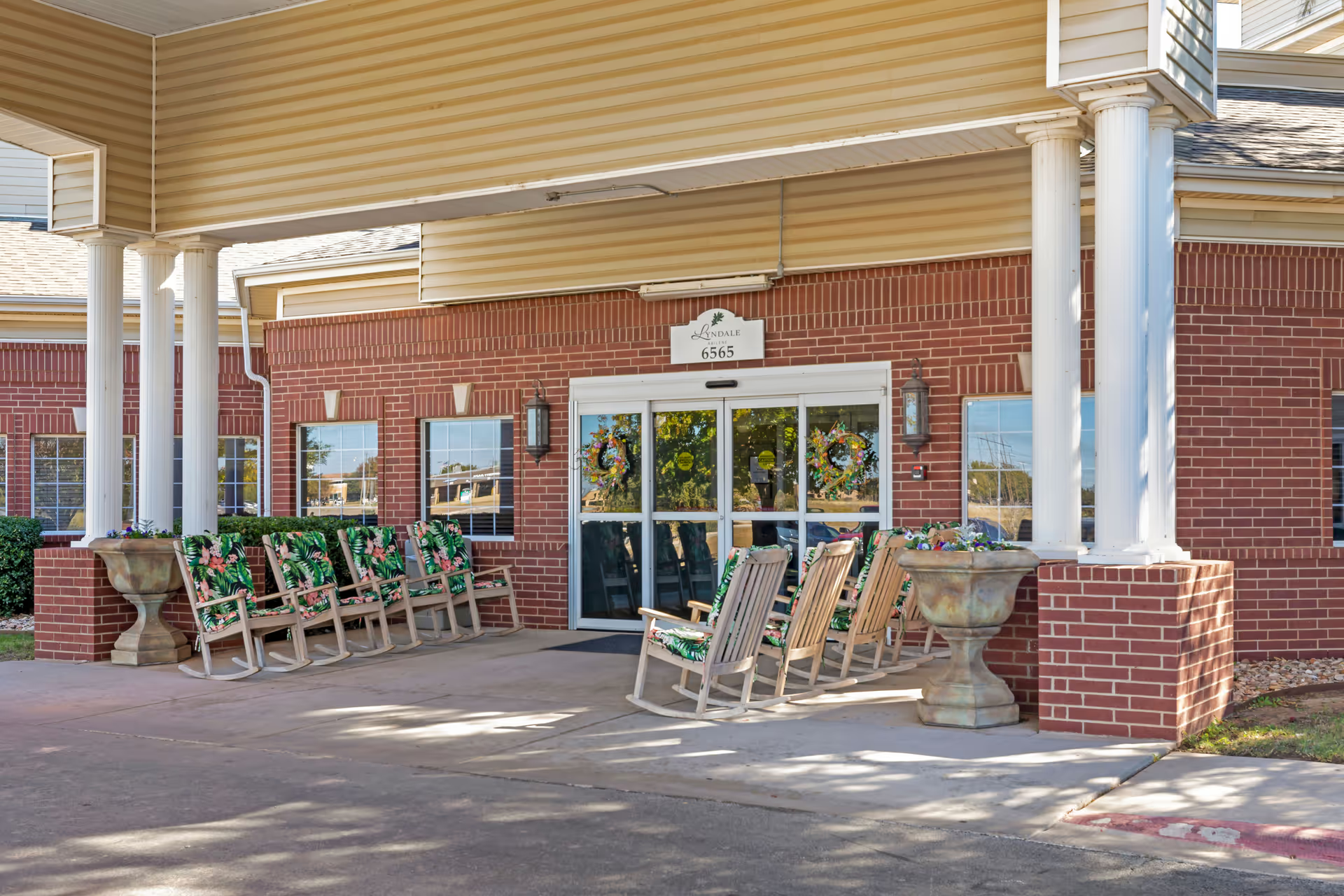
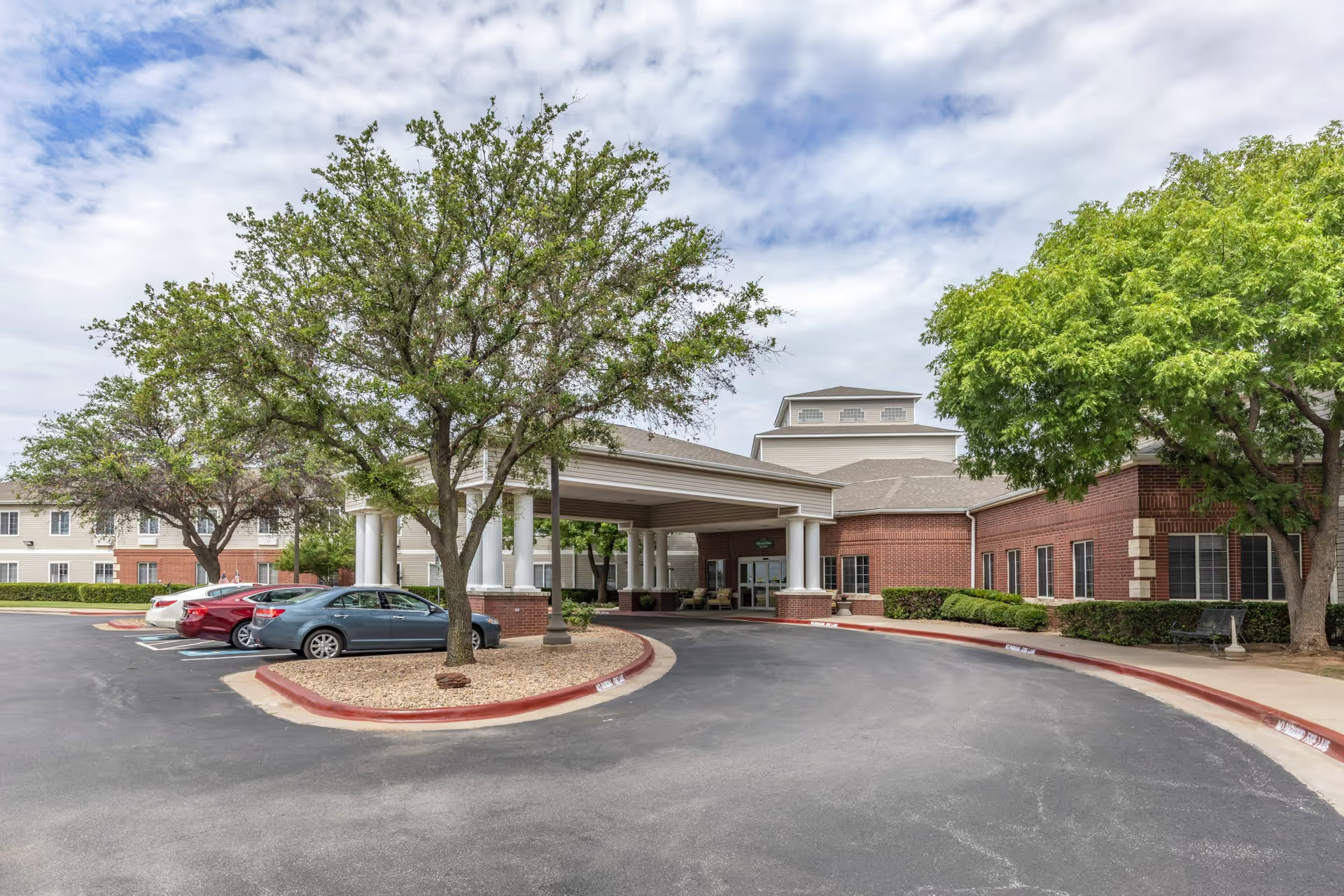
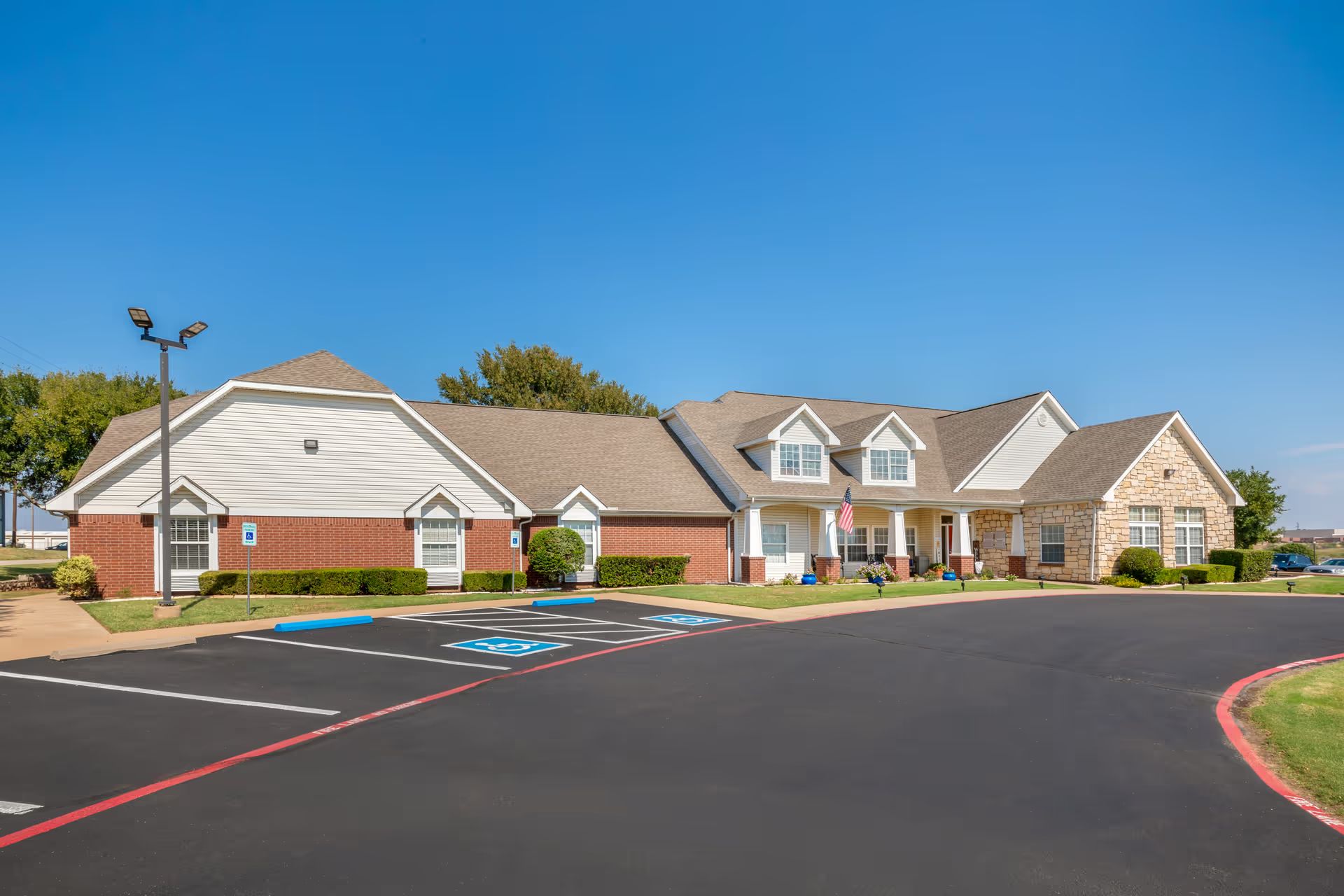
Physical plant and management details are touched on mainly through references to an engaged administrator and a well-regarded staff. Specific information about building condition, amenities, accessibility features, or housekeeping protocols is sparse. Similarly, while families express gratitude and trust in staff, there is limited published information about formal quality-monitoring processes, clinical outcome reporting, or care-plan documentation.
Notable patterns: overwhelmingly positive language about staff and the social environment is the dominant theme. The main limitation of the review set is its narrow focus on interpersonal care, with sparse evidence about dining, activities, facilities, and formal clinical measures. Prospective residents and their families should consider an on-site visit and request written information on menus, activity programming, facility amenities, staffing ratios, and clinical oversight to obtain a more complete picture of operations and care quality.