Experiences at Brookdale Hollywood Park vary across residents, care areas, and time periods. Many families describe kind, patient, and personable staff who help residents adjust, know them by name, and provide reassuring support. Positive accounts include assistance with move-ins, hospice care, and arranging physician visits. Other families, however, describe staffing levels as inadequate, particularly on weekends, with slower responses and inconsistent completion of expected support such as escorts, bathing, or other routine care. A highly critical account raised serious concerns about infection-control exposure, monitoring, staff handoffs, response to a rapid health decline, adherence to a documented DNR, and communication and dignity after a resident's death. These concerns are not consistent with all accounts, but they point to the importance of asking how staffing, escalation, and family notification are managed. One family also raised a concern about safeguards for personal belongings.
Communication and follow-through are similarly mixed. Some families say staff and leaders respond quickly and explain care clearly; others felt that health updates were not timely or that concerns were not acted on without repeated follow-up. A few accounts identify medication-record accuracy, medication delivery timing, or coordination around outdated treatment instructions as areas needing attention. Families considering the community may want to clarify who is responsible for care updates, how changes in condition are communicated, and how individual care instructions are reviewed.
Dining receives both praise and criticism. Some residents and visitors describe meals as delicious, fresh, appealing, and served with choices. Others found the menu repetitive, bland, or inconsistently prepared, and one family noted that a resident with sensory limitations would benefit from more help selecting meals. The overall picture is uneven rather than uniformly positive or negative, so prospective residents may wish to ask about menu planning, meal assistance, and how feedback is handled.
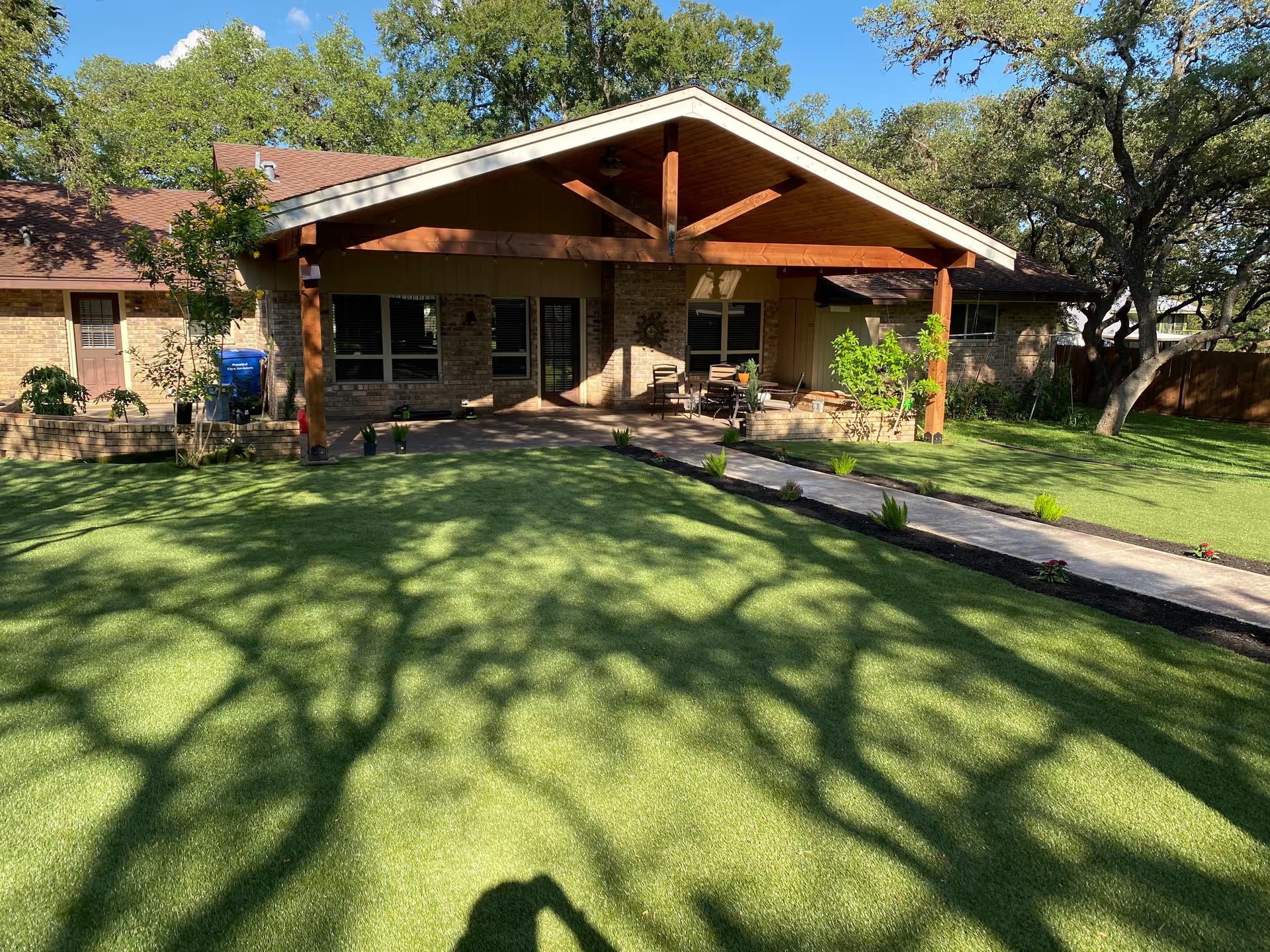
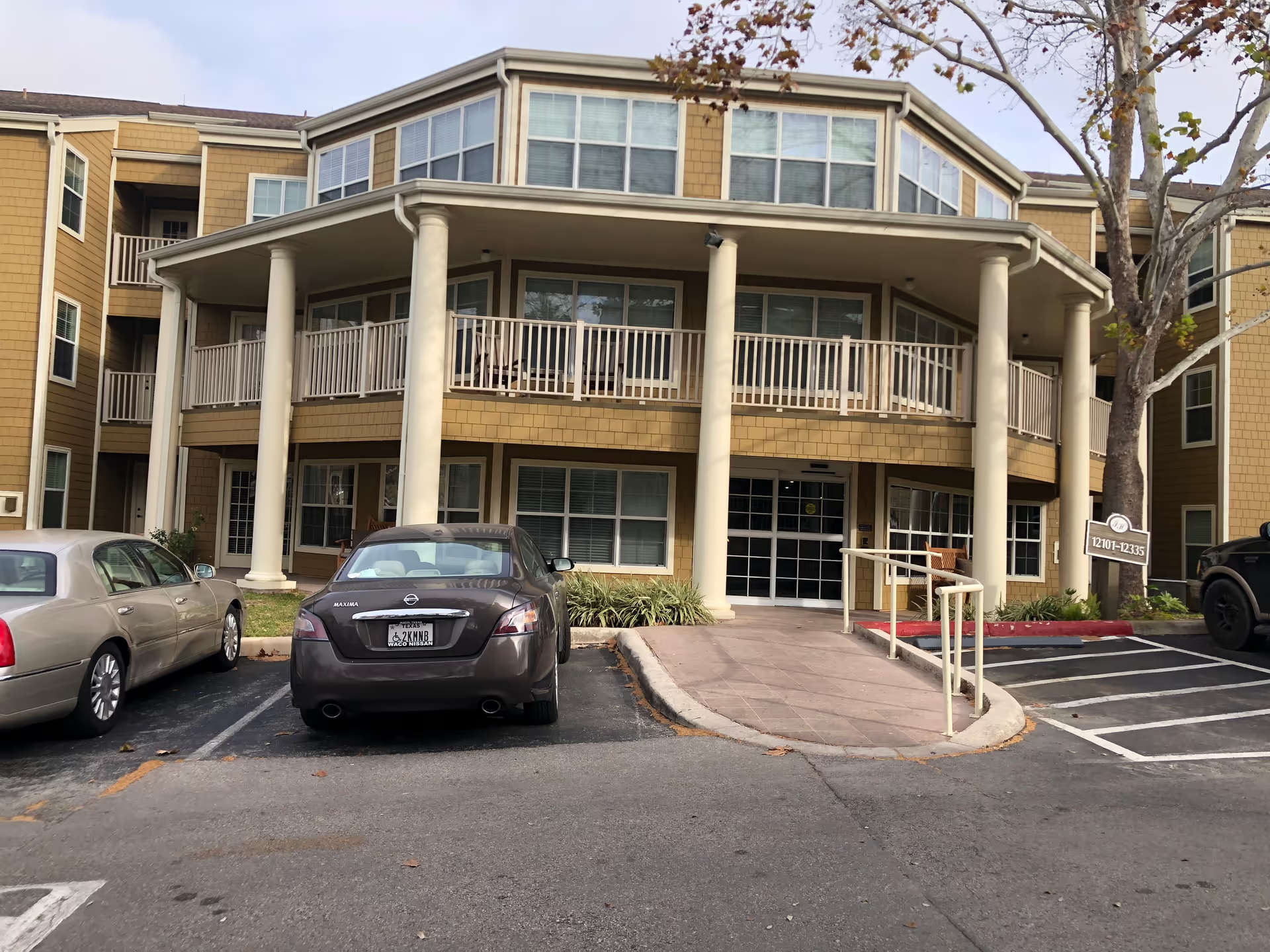
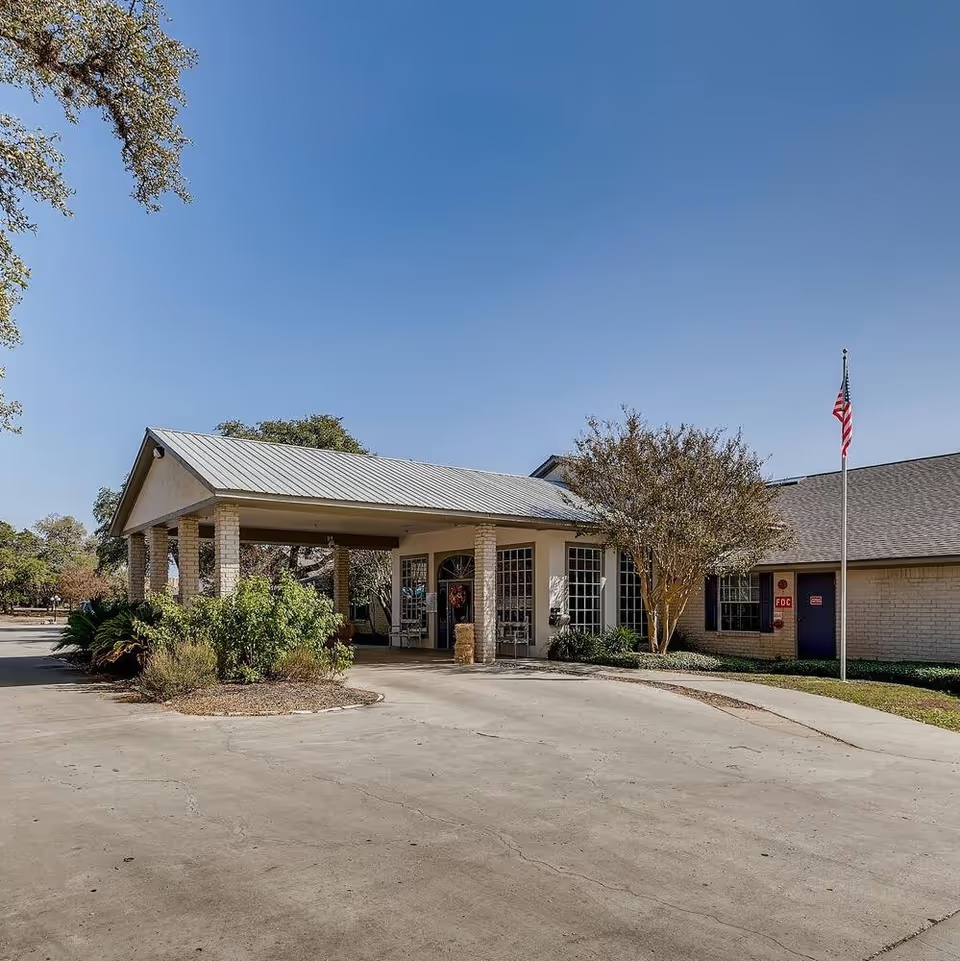
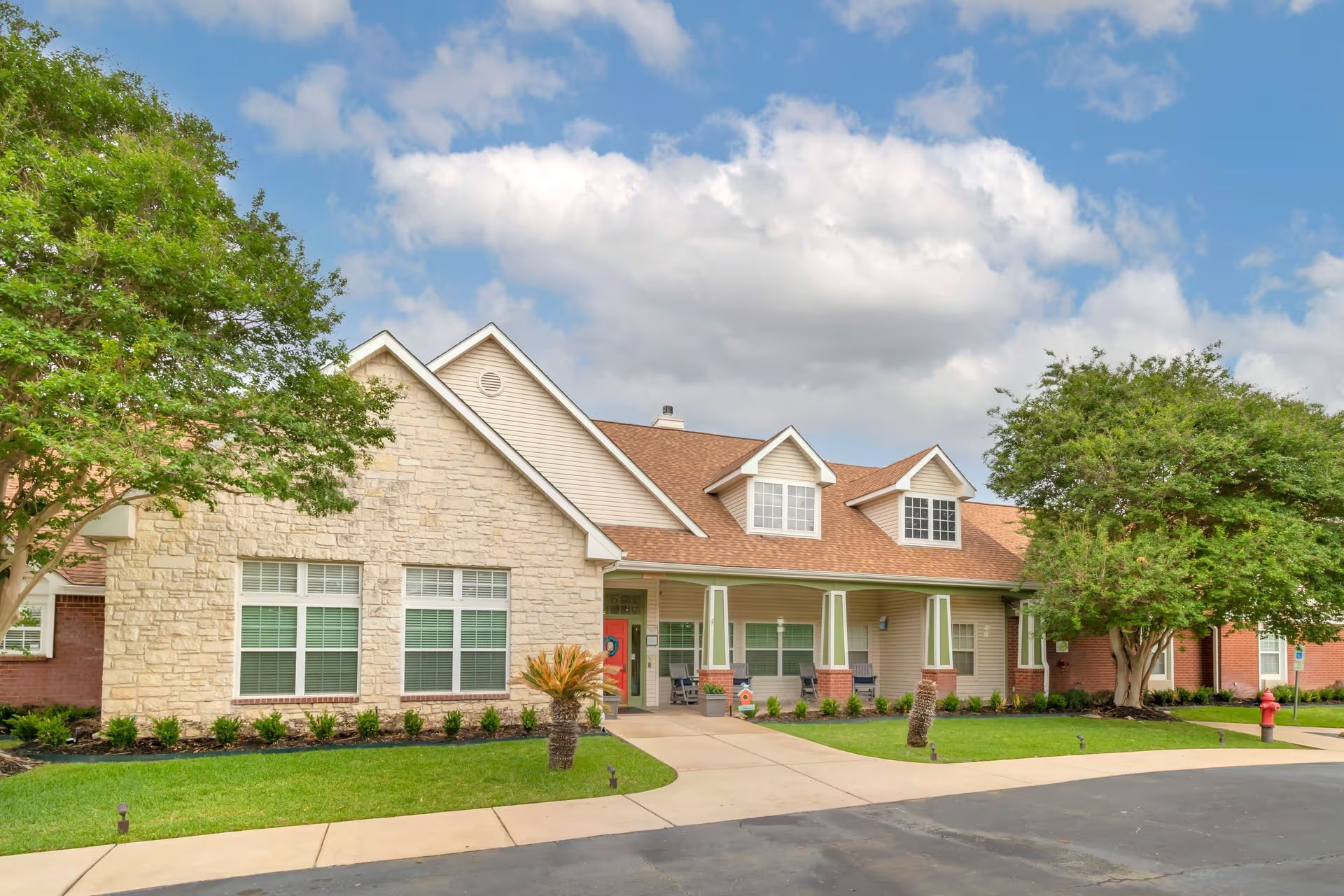
The community is frequently described as small, home-like, and convenient, with private apartments, courtyards, and patios. Many visitors found the facility clean and well maintained, while others felt it was older, crowded, or in need of updating. Impressions of memory care are especially varied: some families were pleased with the care and staff, while others found its layout limiting or its environment less inviting than assisted living. Activities include games, arts and crafts, entertainment, exercise, and outings; however, some accounts say residents who need prompting may not be consistently encouraged to participate, and afternoon options can be limited.
Tour and move-in experiences are often described as welcoming and well organized, and one family noted improvement following management changes. At the same time, staffing and follow-through concerns appear in accounts from both current and former families. Reviews also differ on affordability: some found fees comparable or workable, while others considered the community expensive. Overall, the strongest recurring positives are staff warmth, a smaller community atmosphere, and accessible activities; the main areas to investigate are staffing coverage, communication and care-plan follow-through, dining consistency, and the condition and layout of the specific care area being considered.