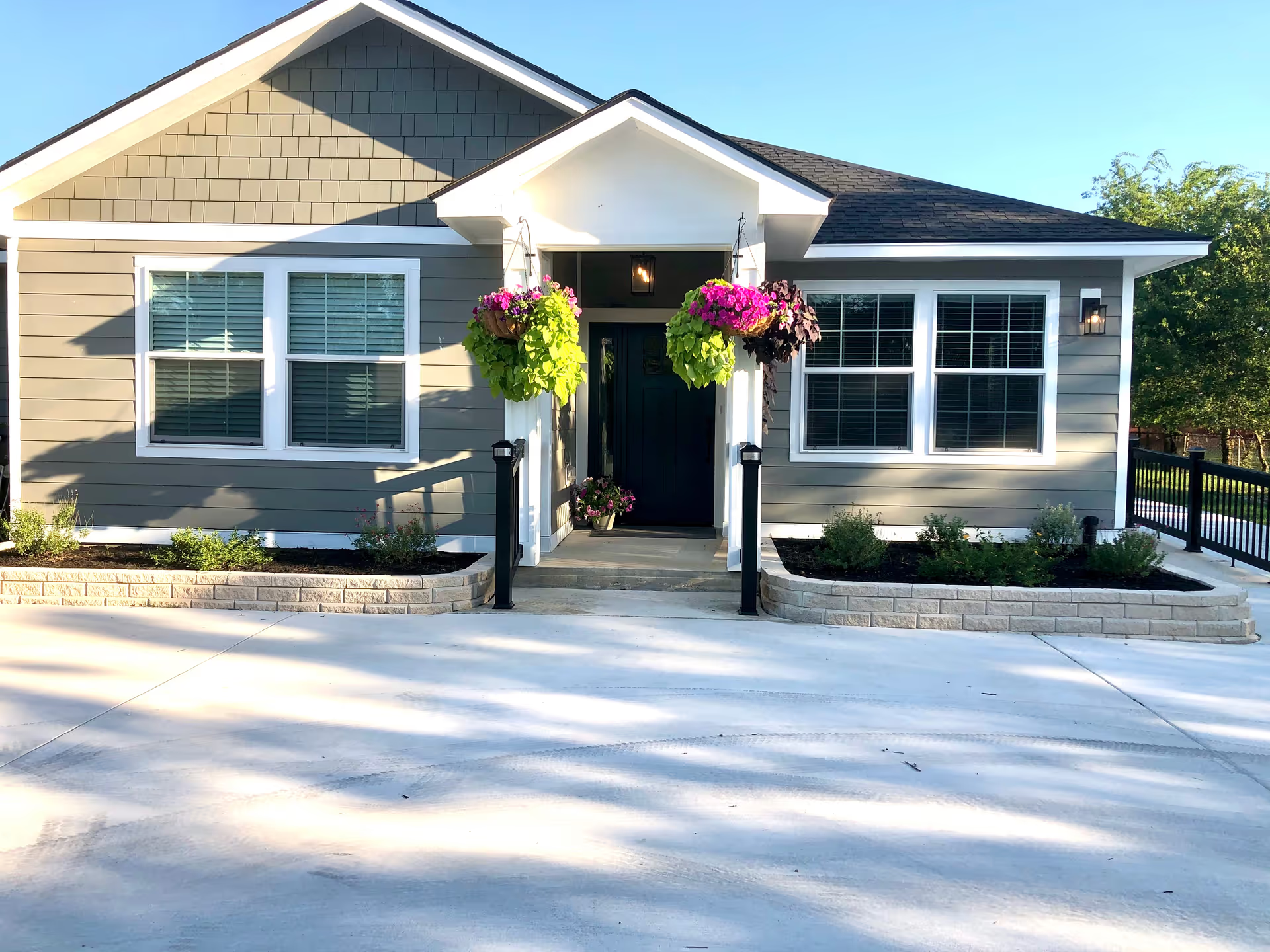
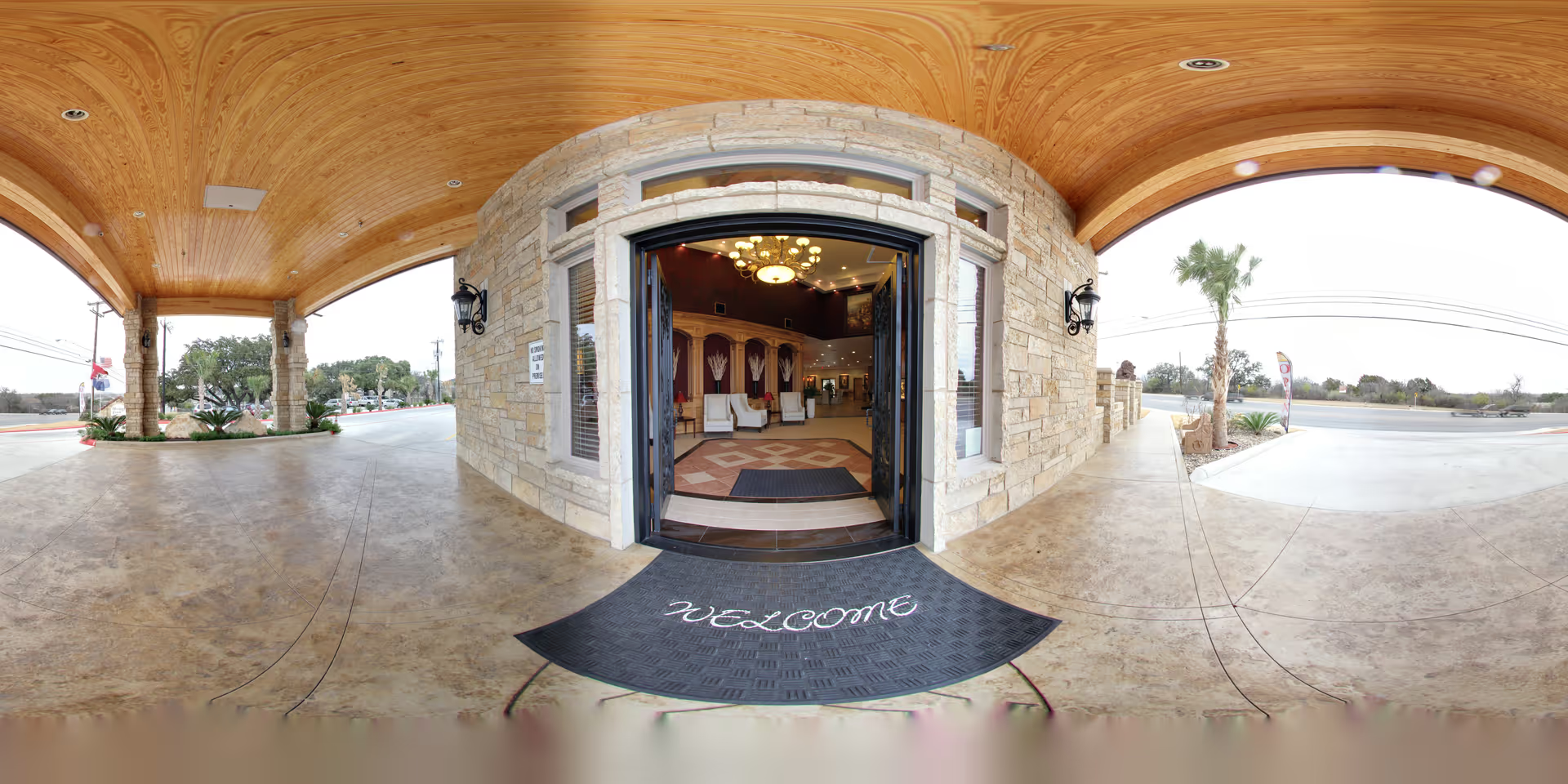
Reviews present a mixed picture of Community Care Center of Hondo. Many families and visitors describe warm, attentive frontline caregivers, robust therapy services, and an active social program that includes daily activities, community events, grooming services, and family dinners. These elements are cited as creating a welcoming environment where residents form friendships and some families experience reassurance about their loved ones' social engagement and rehabilitation progress.
At the level of direct care, nursing and therapy staff receive positive comments for attentiveness and individualized approaches to dining and activities. However, reviewers also raise operational concerns that have a direct impact on care delivery: delays in responding to call bells, gaps in staff certification and training, and inconsistencies in infection-control and hand-hygiene practices. Availability of essential supplies (incontinence products, wipes, slings, mobility aids) is cited as variable; lack of supplies can affect routine personal-care and toileting support.
Dining and programming emerge as relative strengths. Multiple accounts describe individualized meals, accommodating food service, frequent activities, celebration of birthdays, and a range of social options that support resident engagement. Therapy and rehabilitation services are highlighted as particularly strong by several families, contributing to functional gains and resident satisfaction.
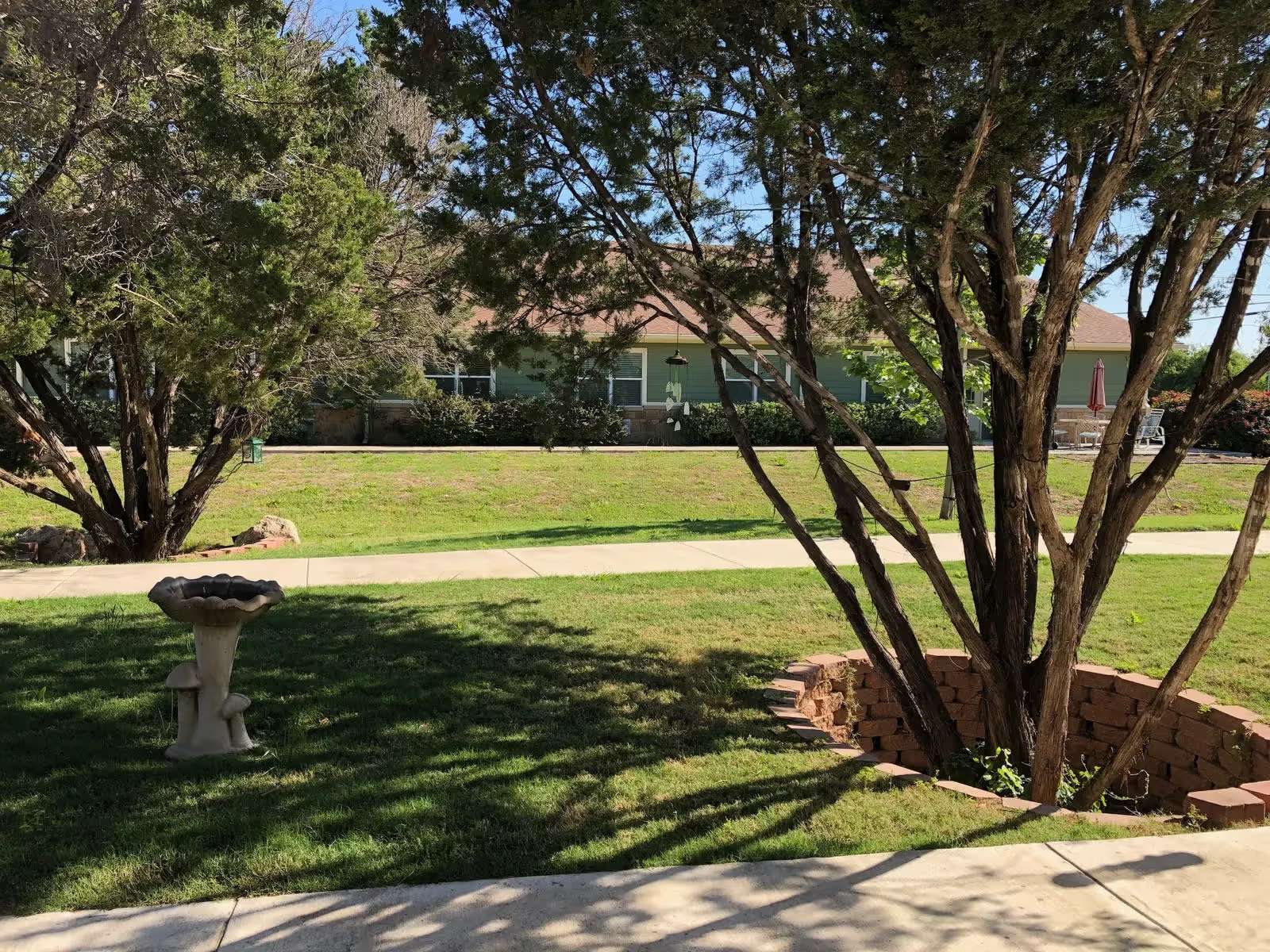
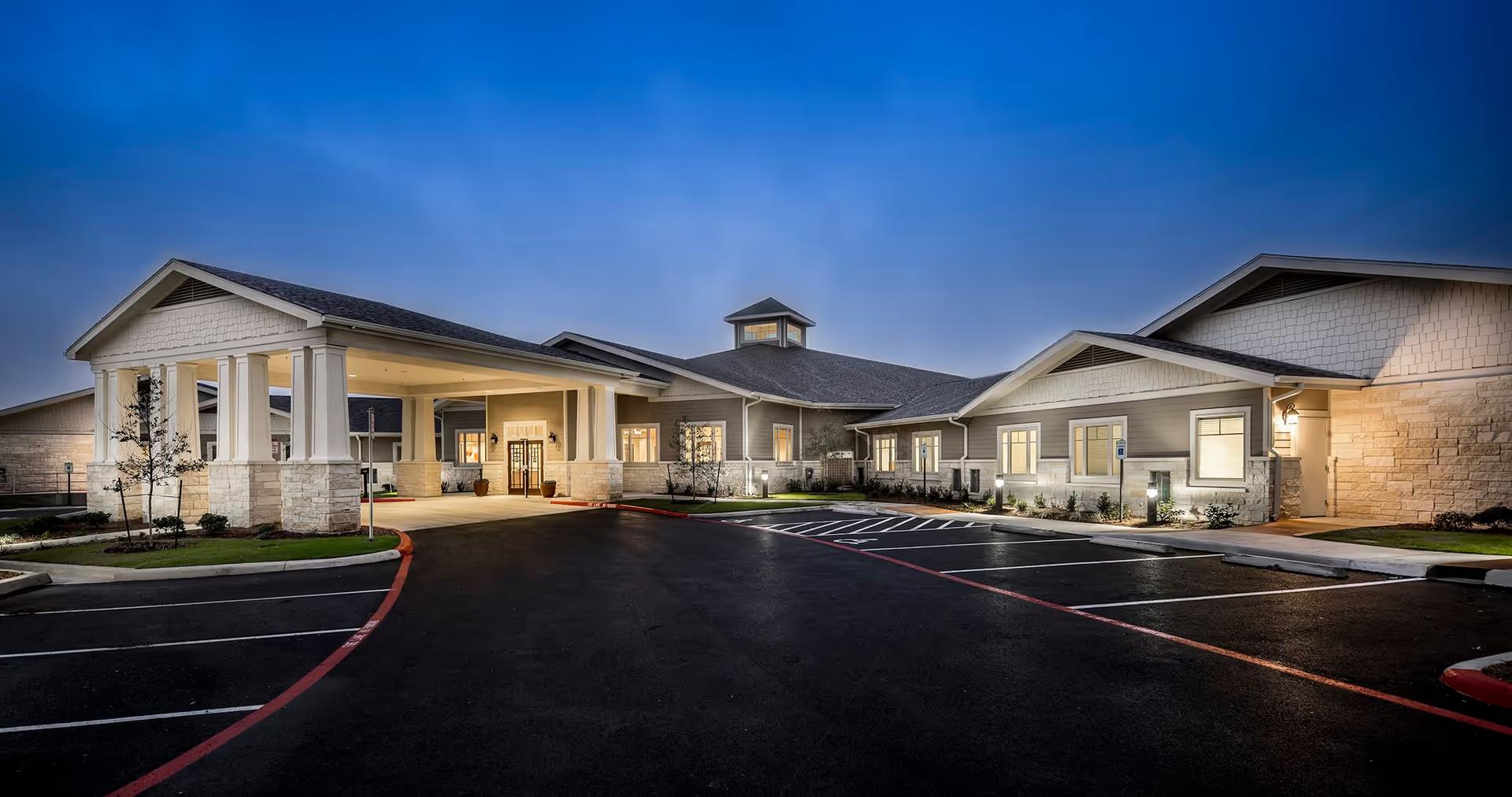
Facility condition and maintenance are an area of clear divergence across reviews. Some describe clean, well-kept common areas, while others describe sanitation concerns in resident rooms, limited ventilation, and evidence of pest-control issues. Reports also note aging infrastructure—an older building with occasional broken equipment, limited laundry capacity, and uneven room upkeep—which suggests maintenance and environmental controls are inconsistent across the facility.
Management and compliance issues are raised in multiple accounts. Reviewers cite weak clinical leadership, documented regulatory deficiencies and fines, and what they characterize as insufficient oversight of infection control, staffing credentials, and equipment safety (including transfer and lift practices). A few reviewers explicitly called for regulatory inspection. There are also reported shortages that may reflect supply-chain or budget constraints; the facility's acceptance of donations was noted as an indicator of resource gaps by some families.
Notable patterns: the facility appears to offer strong programming and compassionate frontline staff but also exhibits operational vulnerabilities that can affect safety and hygiene. Prospective residents and families should seek current, objective information prior to placement: review the facility's most recent inspection and deficiency history, ask about staffing ratios and CNA licensing compliance, inquire about infection-control protocols and pest-control measures, verify availability of essential supplies and transfer equipment, and tour resident rooms at different times of day to assess cleanliness and responsiveness. Given the mixed feedback, careful, up-to-date inquiries and in-person observations will provide the best basis for deciding whether this facility meets an individual resident's clinical and environmental needs.