Overall impression: Country Care Manor receives frequent praise for its day-to-day care, therapy services, and clean, welcoming environment. Many families describe nursing and therapy teams as compassionate and effective, noting good wound care, physical/occupational/speech therapy outcomes, and staff who create a family-like atmosphere. The facility's security measures and controlled entry are commonly seen as reassuring, and maintenance and housekeeping are repeatedly described as attentive.
Care and clinical services: Clinical strengths include an active therapy department, successful rehabilitation outcomes for mobility needs, and attentive nursing for routine care. Several reviews highlight prompt clinical decisions when staff directly contact families or advise emergency department evaluation. That said, reviewers also identify operational gaps: there are instances of delayed clinical escalation and inconsistent follow-up communication to families during acute events. Staffing stability is generally positive, but there are reports of temporary aides and intermittent staffing pressures that can affect continuity of care.
Dining and activities: Dining is noted as varied and appealing, with multiple dinner options and emphasis on communal mealtime fellowship. Activities and social events are described as engaging, and many residents and visitors were greeted and encouraged to join programs. Some pandemic-era limitations on programming were reported to have eased, and services such as the on-site salon are active or reopening, which contributes to resident quality of life.
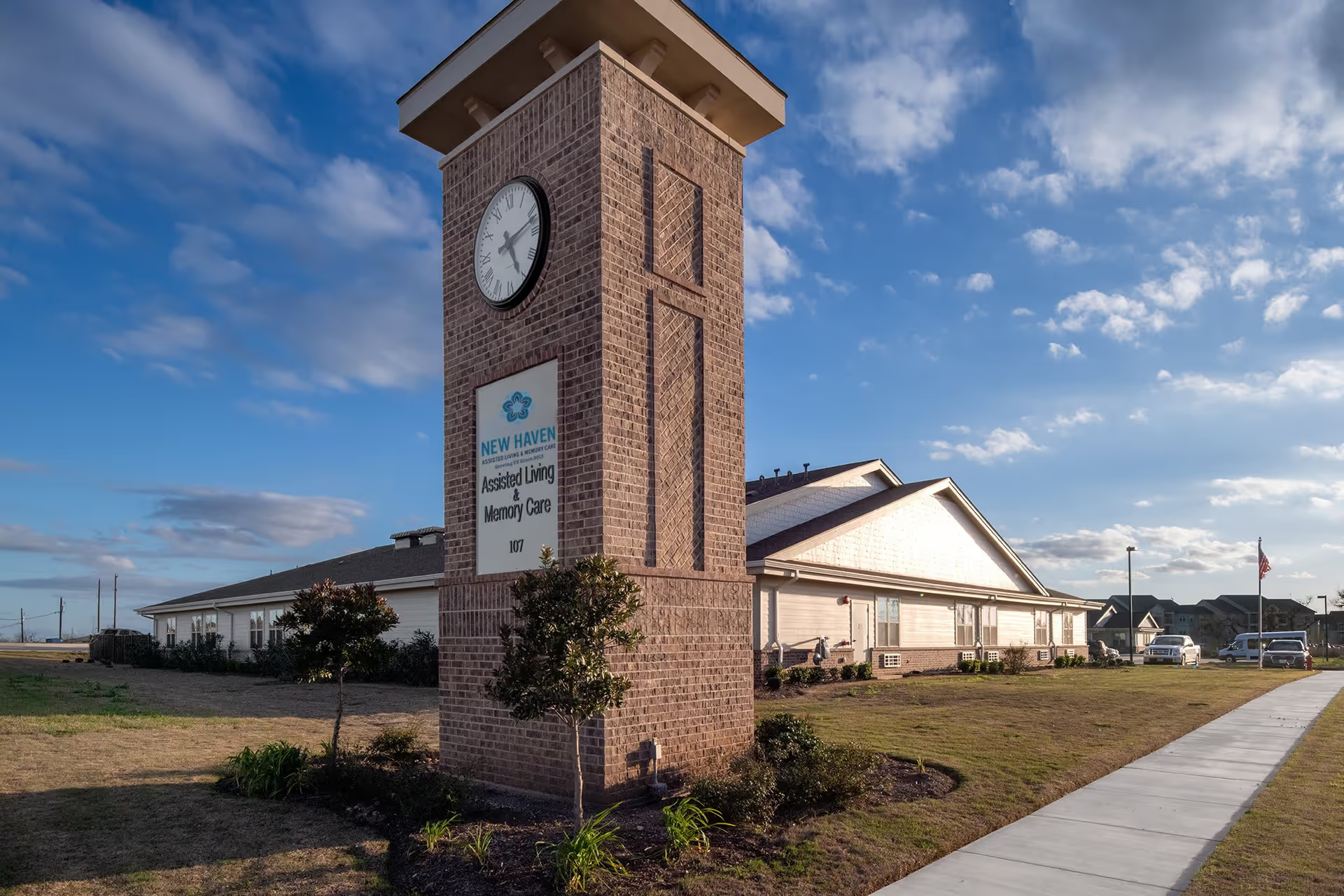
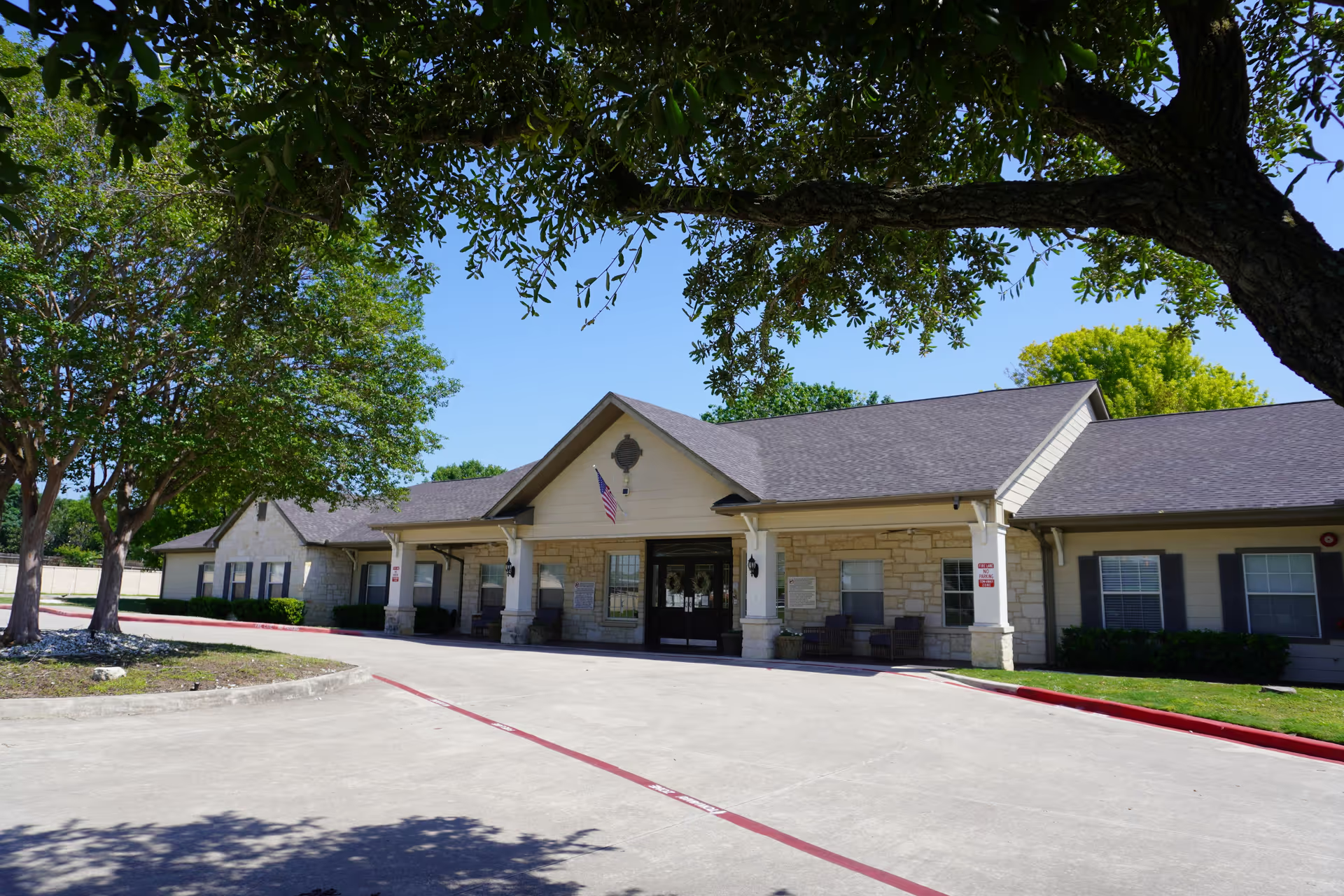
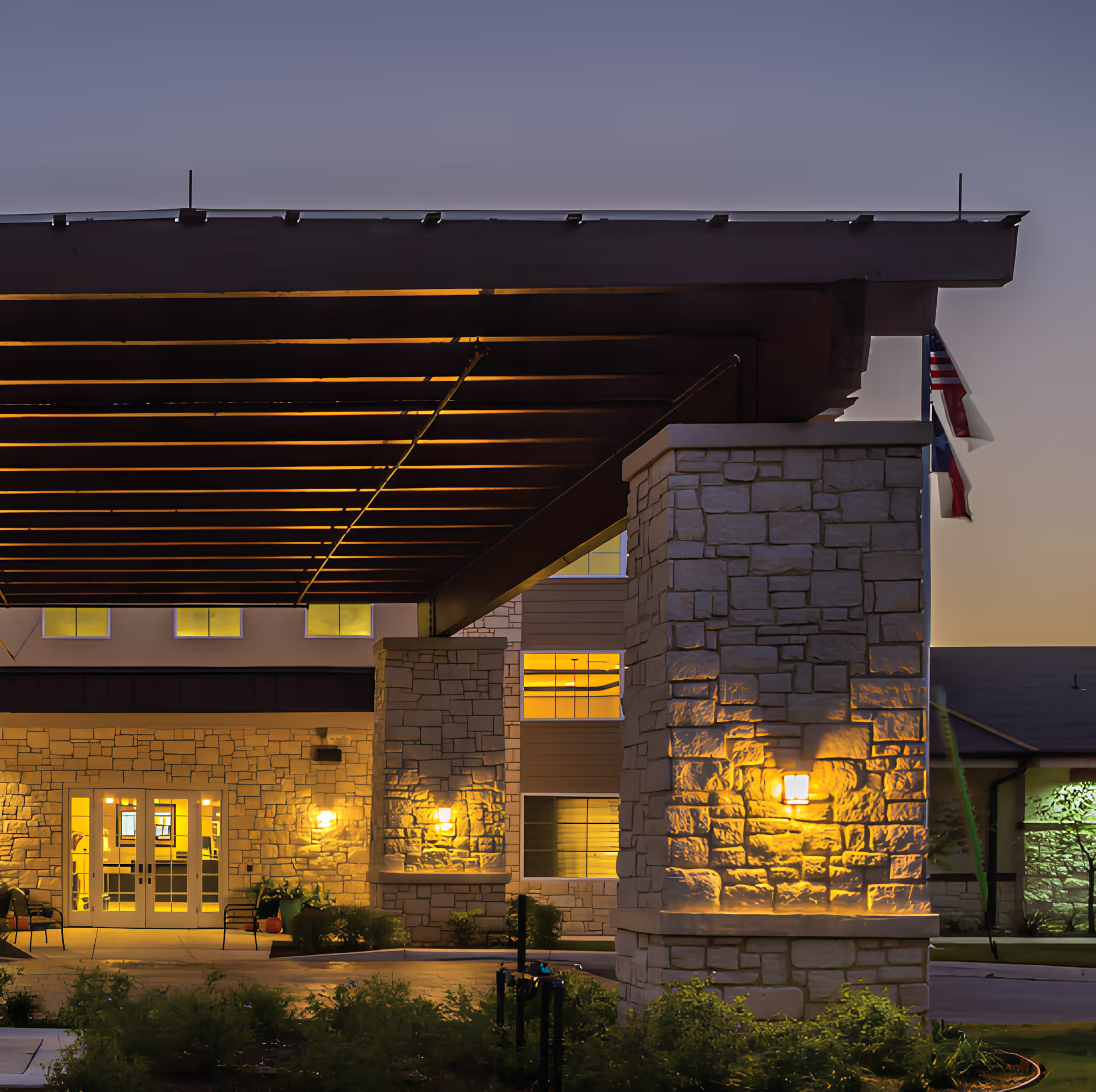
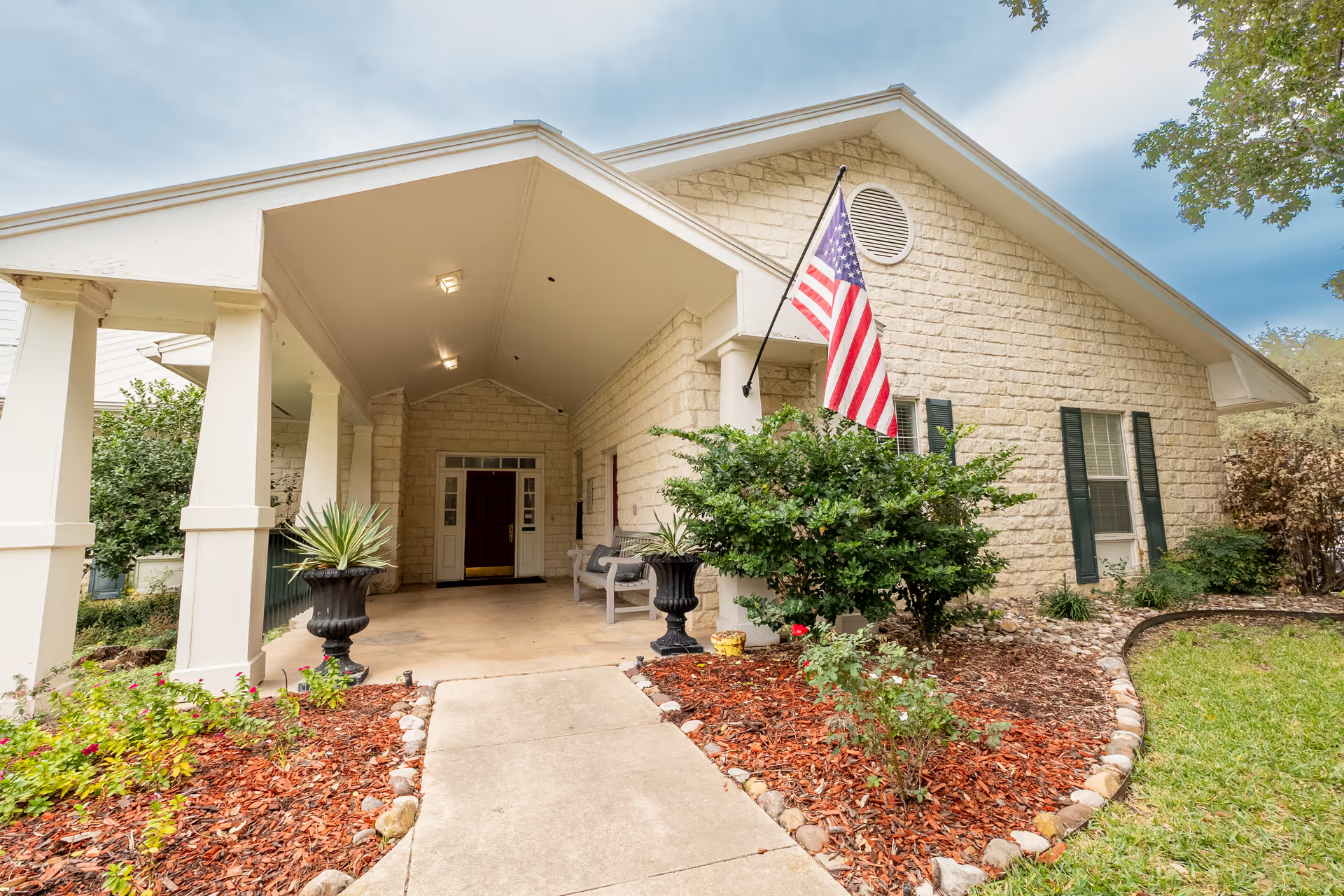
Facilities and environment: The facility is consistently described as clean, bright, and well maintained, with an odor-free environment and pleasant décor. Families cite a cheerful atmosphere, tidy restrooms, and attentive maintenance staff. Security practices such as entrance screening are noted positively as part of infection-control and safety procedures.
Management, communication, and policies: Reviews present a mixed picture of administrative responsiveness. While admissions and many office staff receive commendations for being helpful and communicative, there are recurring concerns about inconsistent communication from leadership when issues arise and variable responsiveness to family complaints. The visitation policy—specifically restrictions on visitors under age 18—has been cited as overly restrictive by some families. There are also isolated but significant operational concerns, including an allegation of lost personal property and occasional instances of unprofessional staff conduct; these point to areas where property-accountability, complaint follow-up, and staff conduct oversight could be strengthened.
Notable patterns and guidance for families: The dominant patterns are strong hands-on care, effective therapy services, and a clean, socially active environment. Counterbalancing those strengths are periodic communication shortfalls, staffing variability, and policy or administrative gaps that can affect some families' experiences. Prospective residents and families would be well served to confirm the facility's protocols for incident notification and escalation, inquire about current staffing models and staff turnover, review visitation rules, and ask about property-accountability procedures during intake and admission discussions.