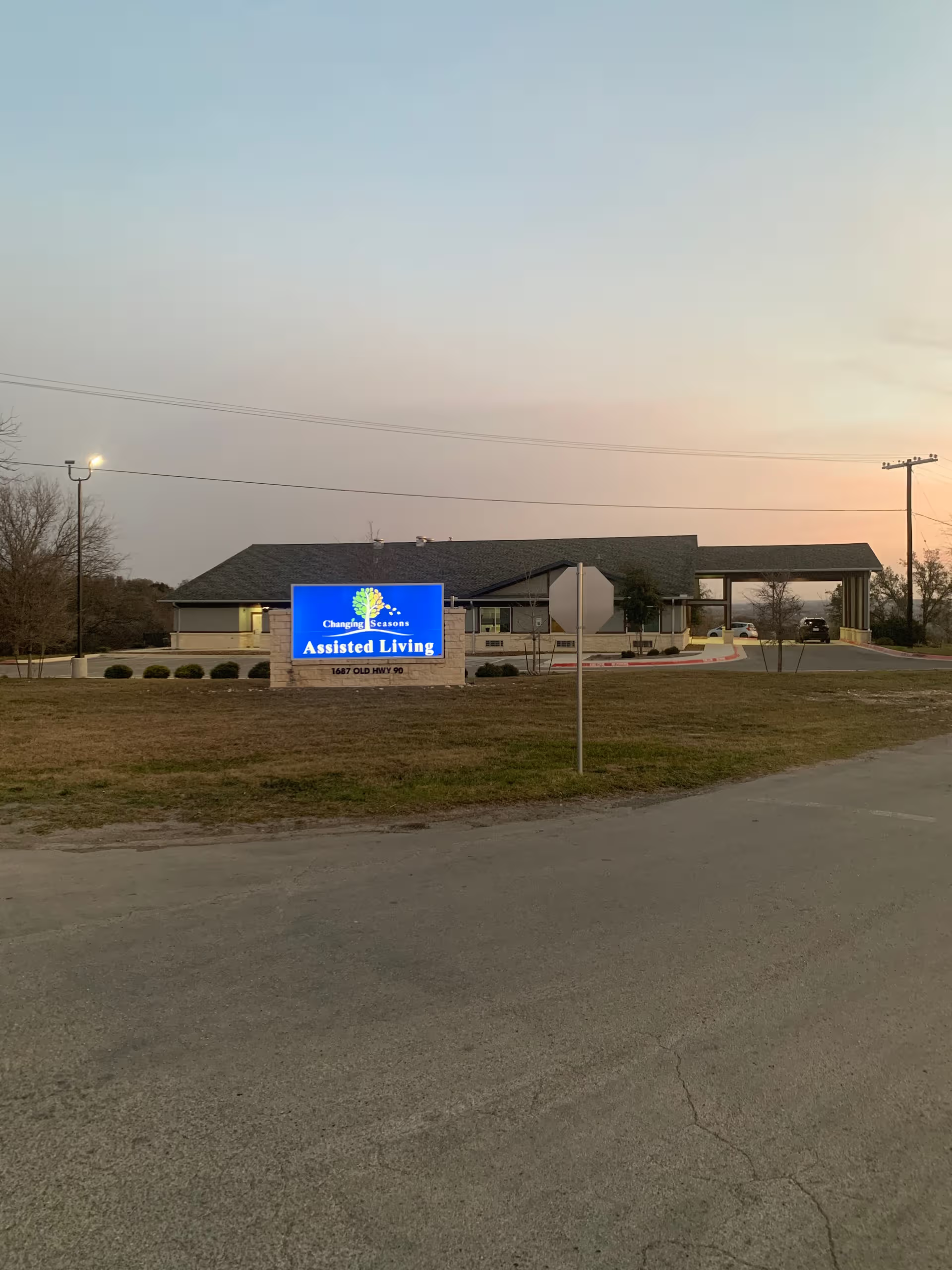
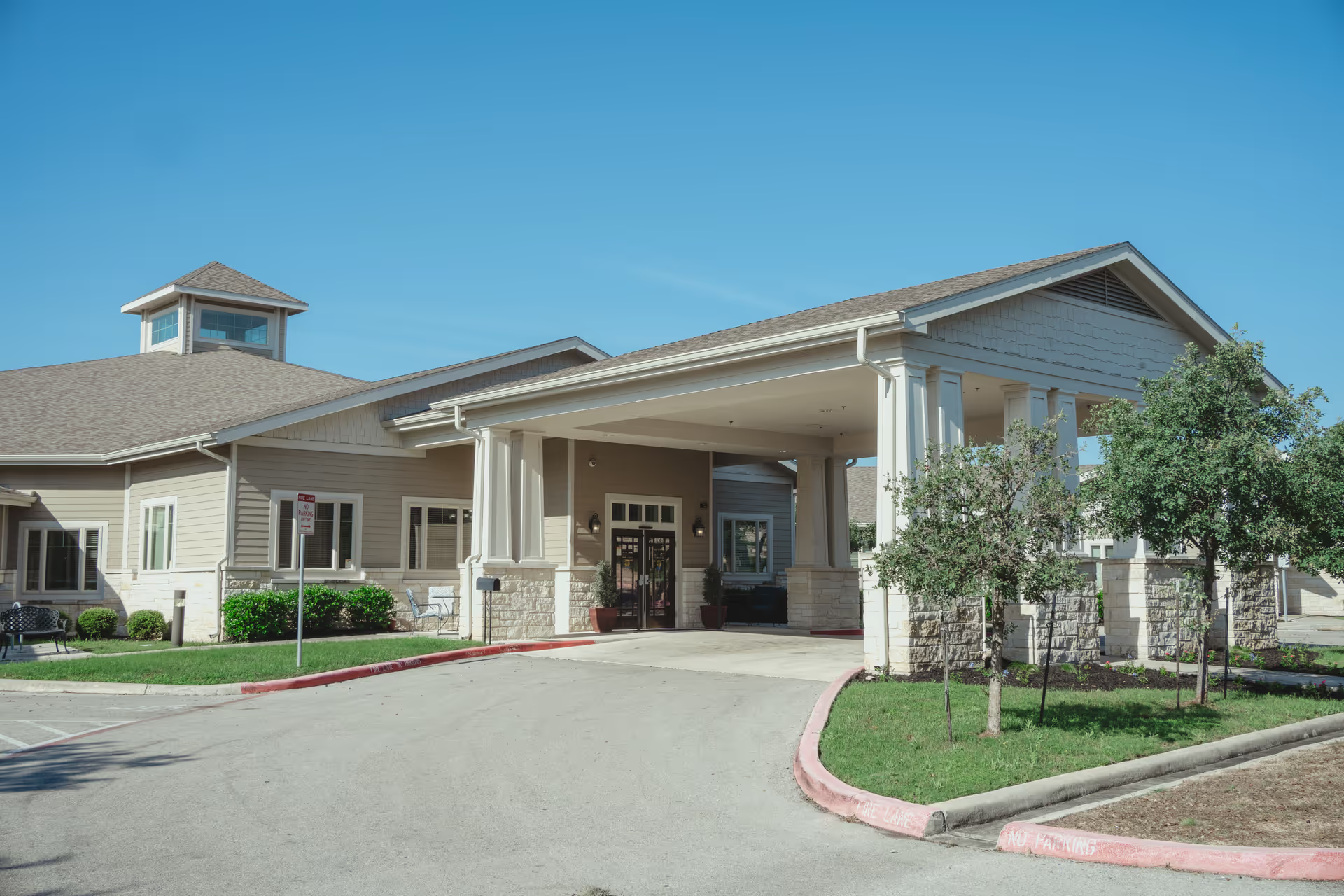
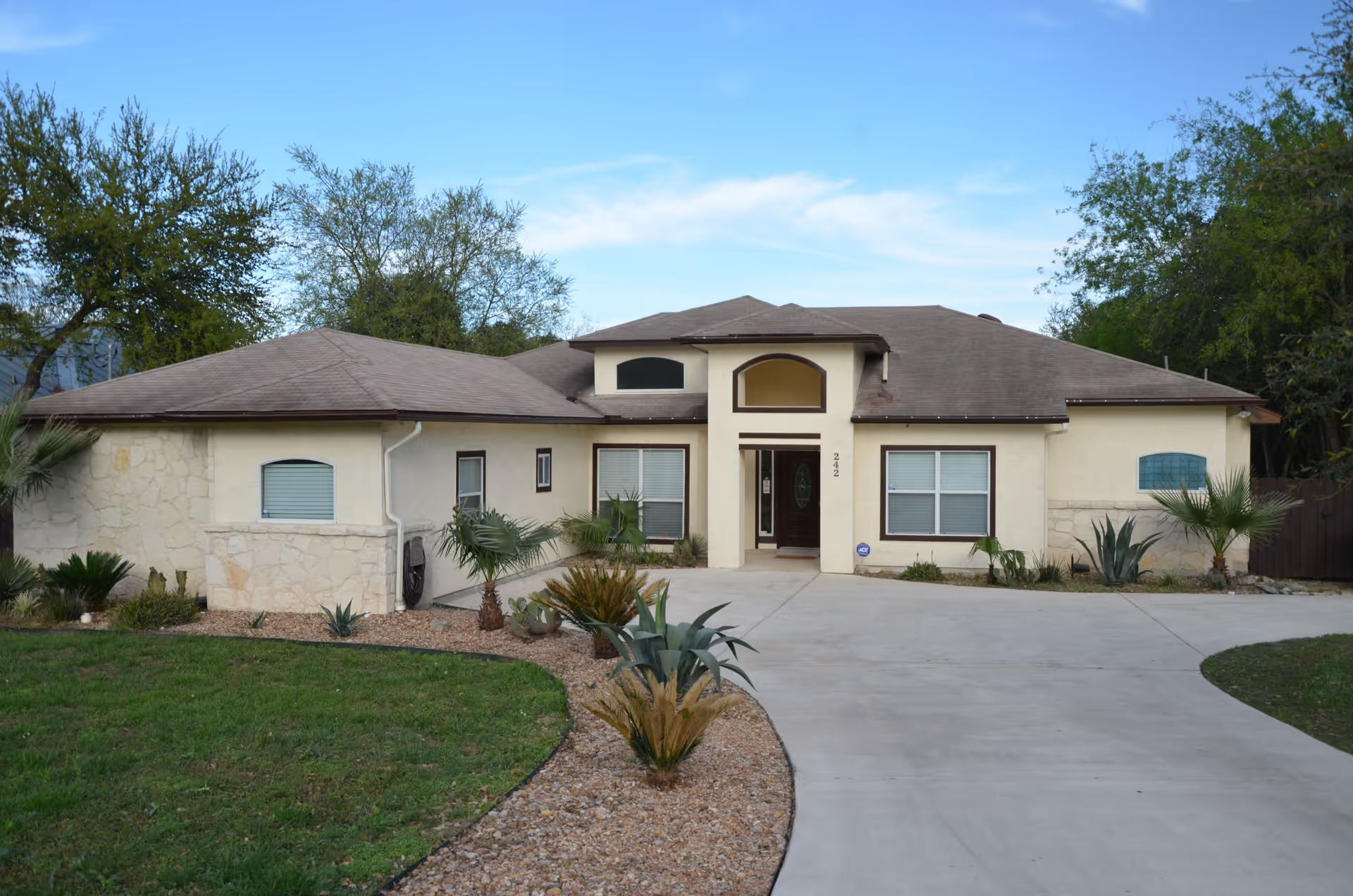
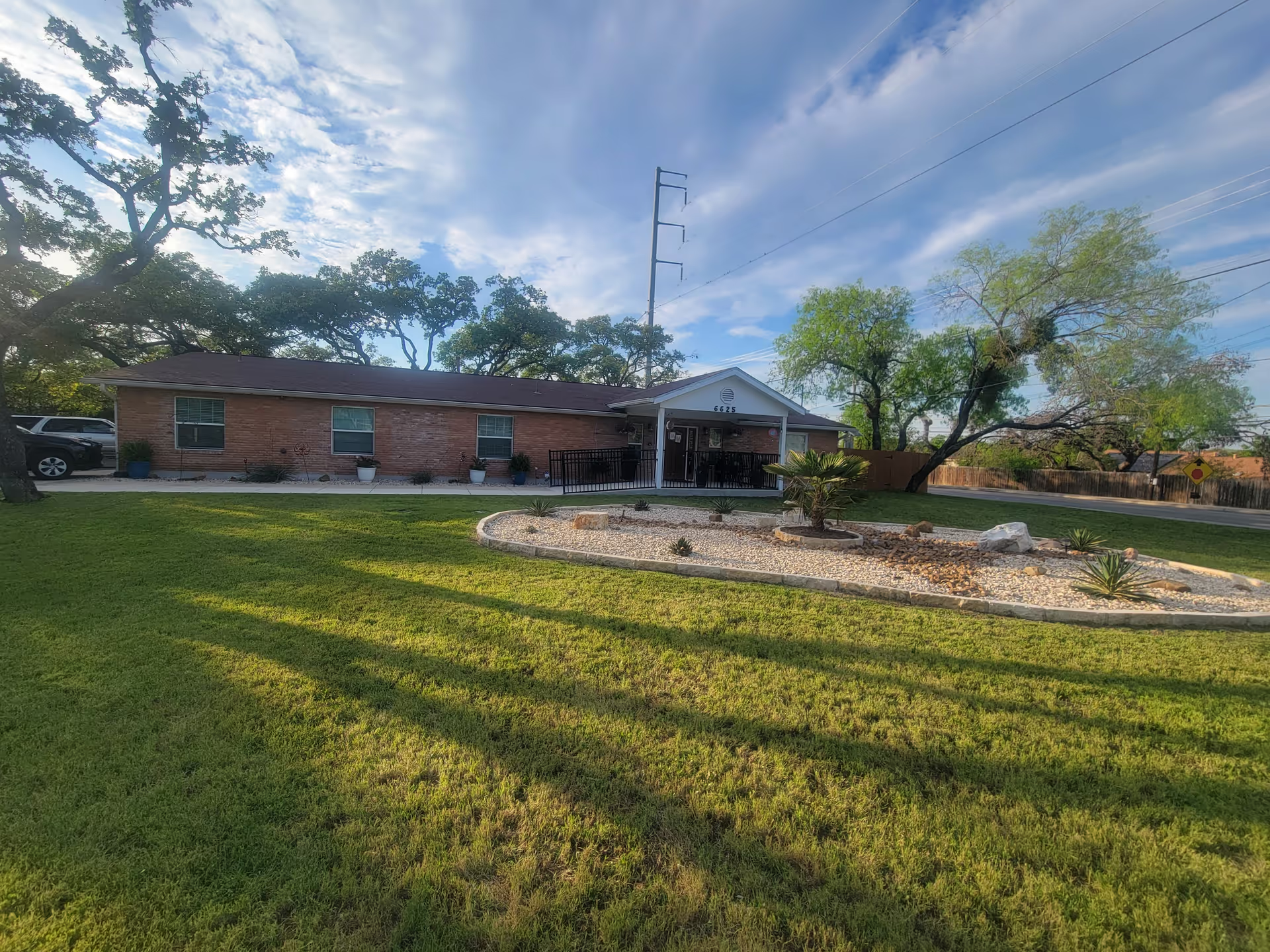
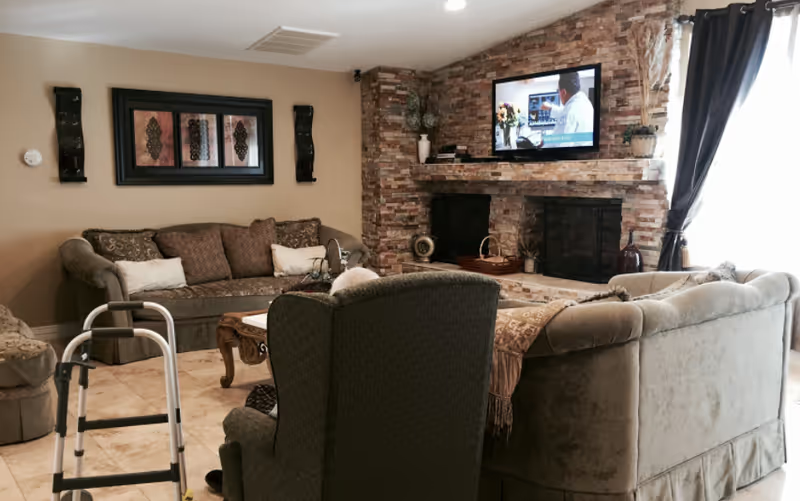
Overall impression Country Life Assisted Living presents as a small, country-style assisted living home with a consistent emphasis on personalized, compassionate care. Reviewers describe a home-like atmosphere with tidy, well-maintained interiors and access to outdoor space and gardening, which many families and residents find restorative. The facility’s scale appears to support close social connections among residents and a family-like culture among staff.
Care quality and staff Caregivers and leadership are repeatedly described as attentive and compassionate. Families emphasize strong communication from the director of nursing and management, with staff keeping relatives informed and responsive to questions. Several accounts highlight individualized touches—personal snacks, space for residents’ personal items, involvement in gardening and sharing produce—and assistance with rehabilitation and physical-therapy needs. End-of-life care is specifically noted as respectful and focused on comfort.
Dining and activities Dining and daily routines are characterized as flexible and accommodating; reviewers reference personalized meal preferences and small-house kitchen interactions (for example, shared salsa and customized snacks). Activity offerings appear oriented to the small-community model: residents participate in group activities, informal socializing, and outdoor gardening. The size of the home supports resident-to-resident interaction and peer support.
Facilities and setting The facility’s country setting, pleasant décor, and garden access are consistent positives. Reviewers describe clean common areas and well-kept grounds. The small-scale environment is framed as peaceful and conducive to family visits, with convenient proximity to some families’ homes.
Management, patterns, and caveats Owners and administrators are frequently described as accessible and involved, and staff are described as team-oriented and willing to go beyond basic duties. At the same time, there are operational concerns prospective families should verify: some interactions with administrative staff have been perceived as defensive or condescending in communications, and there is at least one account of disagreement over post-admission billing practices. These indicate a need to clarify billing policies and dispute resolution procedures before placement. Additionally, the facility’s small size and community model suggest practical limits: there are references to the facility declining admissions when a resident’s care needs exceed the setting’s scope, so families should confirm the facility’s current capacity and clinical capabilities for higher-acuity needs.
Practical guidance For prospective residents and families, the dominant pattern in reviews points to strong, personalized caregiving within a small, well-maintained home setting. To ensure a good fit, ask for written details on billing and proration policies, the facility’s scope for higher-acuity care, staffing ratios, and examples of how they communicate with families during clinical changes. A visit to observe meal service, activities, and staff–resident interactions, plus a conversation with management about admission criteria and billing policies, will help assess alignment with your needs and expectations.