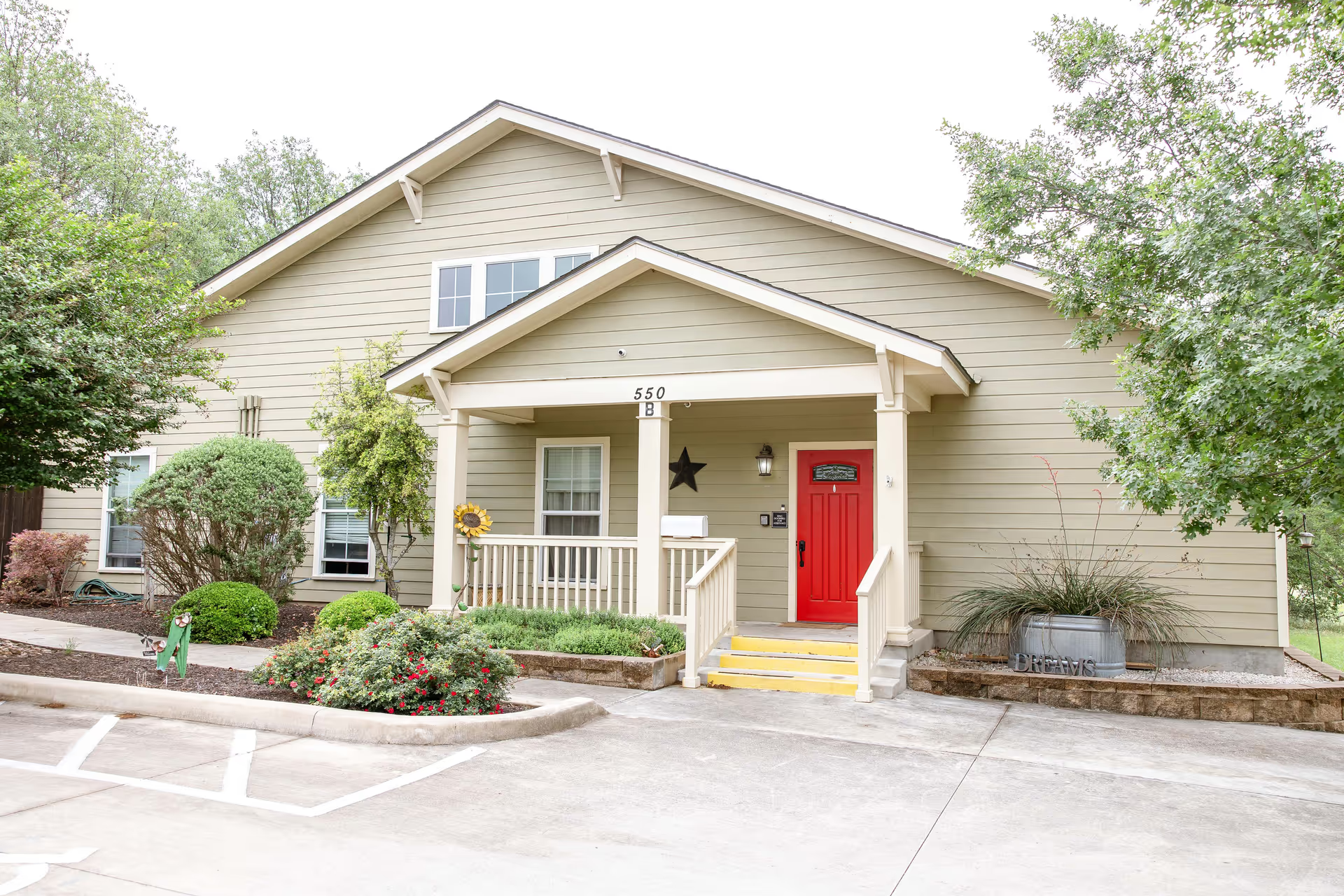
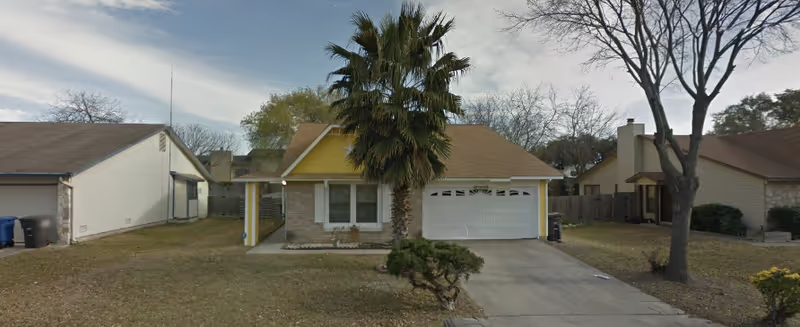
Oak Tree Assisted Living is consistently described as a small, family-like community with a strong focus on personalized care and social engagement. Reviewers highlight compassionate caregiving staff, attentive nursing and medication administration, and a sense of an extended-family atmosphere that suits residents who value close relationships and active participation. The facility’s physical environment is frequently praised: interiors are described as clean and well-maintained, suites are roomy and bright, and some units include in-room kitchens and walk-in showers. Practical supports such as transportation to medical appointments, in-house therapy space, and 24-hour nursing coverage are also noted.
The activity program is a clear strength. Multiple accounts emphasize a varied calendar — exercise classes, bible study, outings, games, and other events — and name the activity director as a primary reason residents stay engaged and socially active. Families and volunteers describe residents as “out and about,” with frequent opportunities for socialization and family involvement.
Dining emerges as the most polarized area. Several families and residents praise the meals and the kitchen staff, but there is a recurring pattern of concerns about meal consistency and nutritional balance. Specific operational issues described include uneven meal temperature and preparation, limited offerings of fruits and vegetables, and the absence of experienced culinary leadership in the kitchen. As a result, some households supplement with takeout or home-prepared meals. Alongside these dining concerns, reviewers also raised questions about whether complaints about food are consistently addressed; this points to broader grievance-resolution gaps that prospective families should investigate.
Management and operational patterns show mixed impressions. Many reviewers applaud frontline staff for warmth and responsiveness, but several comments indicate variability in administrative attentiveness — examples include sales/admissions interactions that felt rushed and perceptions that certain complaints were not escalated or resolved promptly. Staffing shortages and turnover were mentioned as ongoing challenges that may affect service continuity and the communal atmosphere; prospective residents should ask about current staffing levels, turnover rates, and contingency plans.
In summary, Oak Tree appears to offer a strong, small-scale assisted living option with attentive caregiving, active programming, and comfortable living spaces. The primary operational weakness identified across accounts centers on dining and related management responsiveness. Families who prioritize consistent, chef-led meal service and robust complaint-resolution processes should explore those topics in detail during a visit; those seeking a close-knit, activity-rich community with attentive nursing may find Oak Tree a good fit. Recommended tour questions include kitchen staffing and menu cycles, sample meals, staff-to-resident ratios, recent turnover history, and the facility’s formal process for handling resident and family concerns.