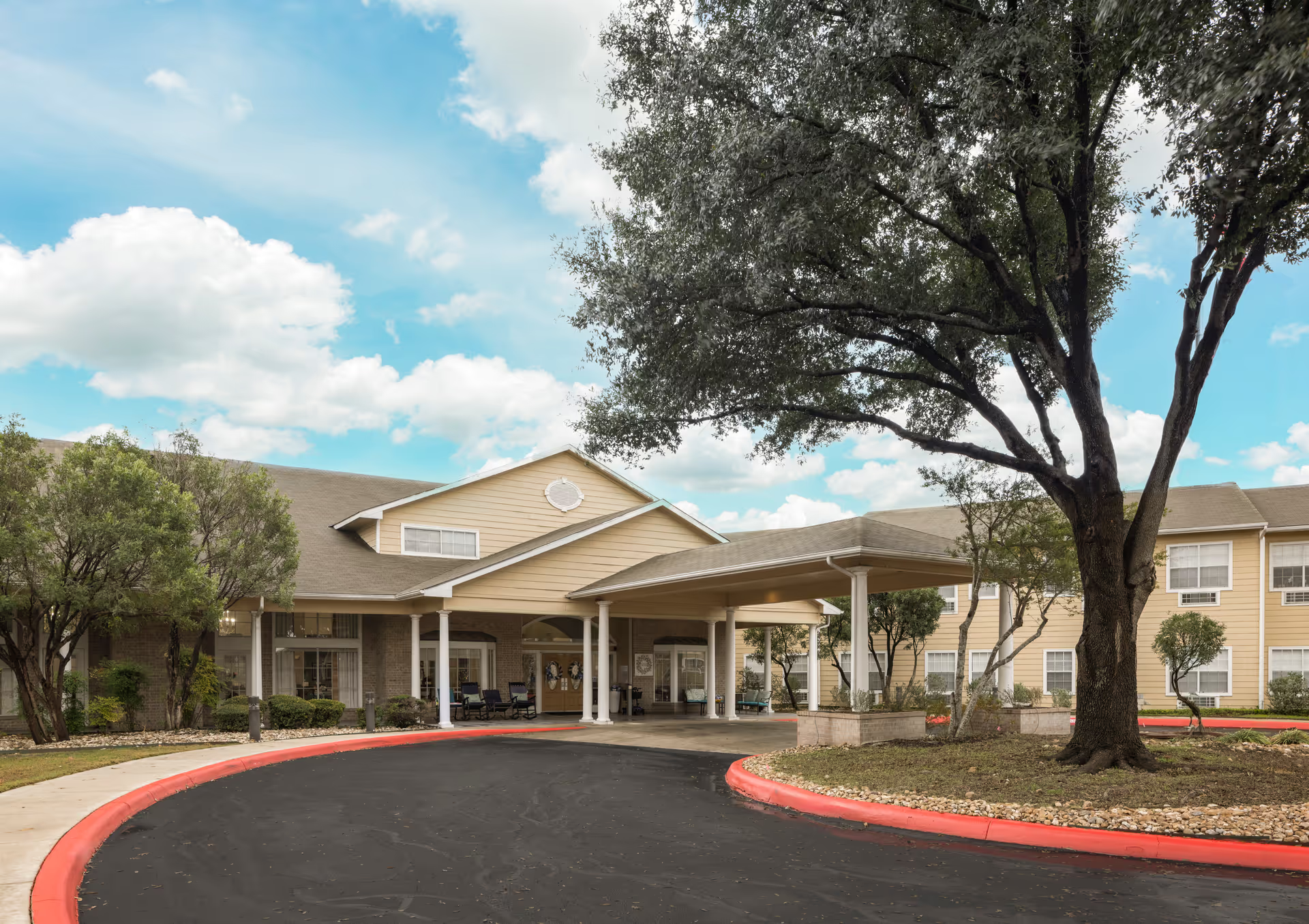
Brookdale Maltsberger is described overall as a small, well-kept assisted living community with a home-like atmosphere and a staff-oriented culture. Families and residents frequently highlight compassionate leadership, attentive nursing and clinical staff, and responsive management. The facility has undergone visible renovations—fresh paint, new floors and furniture—that contribute to a modern, comfortable environment. The smaller size of the community is consistently noted as an advantage for familiarity, safety, and stronger staff–resident relationships.
Clinical care and staff performance are generally rated positively: reviewers describe caring, professional caregivers, timely medical coordination (including hospice), and staff who keep families informed. That said, reviewers also describe intermittent staffing shortages in recent months. These staffing fluctuations are linked to delays in personal-care assistance and sanitation concerns in certain areas, which families say can affect the day-to-day experience for some residents. There are also occasional notes about variability in staff tone or conduct toward residents, indicating unevenness in bedside manner across shifts.
Dining and activities are strengths for many residents. The community offers varied, home-style meals with options for personalization and room delivery; several reviewers praised the taste and balance of the menus. However, there are recurring operational issues around meal-service continuity and presentation—examples include cold meals or food left uneaten—which appear tied to staffing or renovation-related disruptions. The activities program, led by a proactive activity director, provides a broad calendar and active social life, although programming has fluctuated during infection-control periods and construction phases; some residents experienced reduced variety (for example, primarily bingo) during those times.
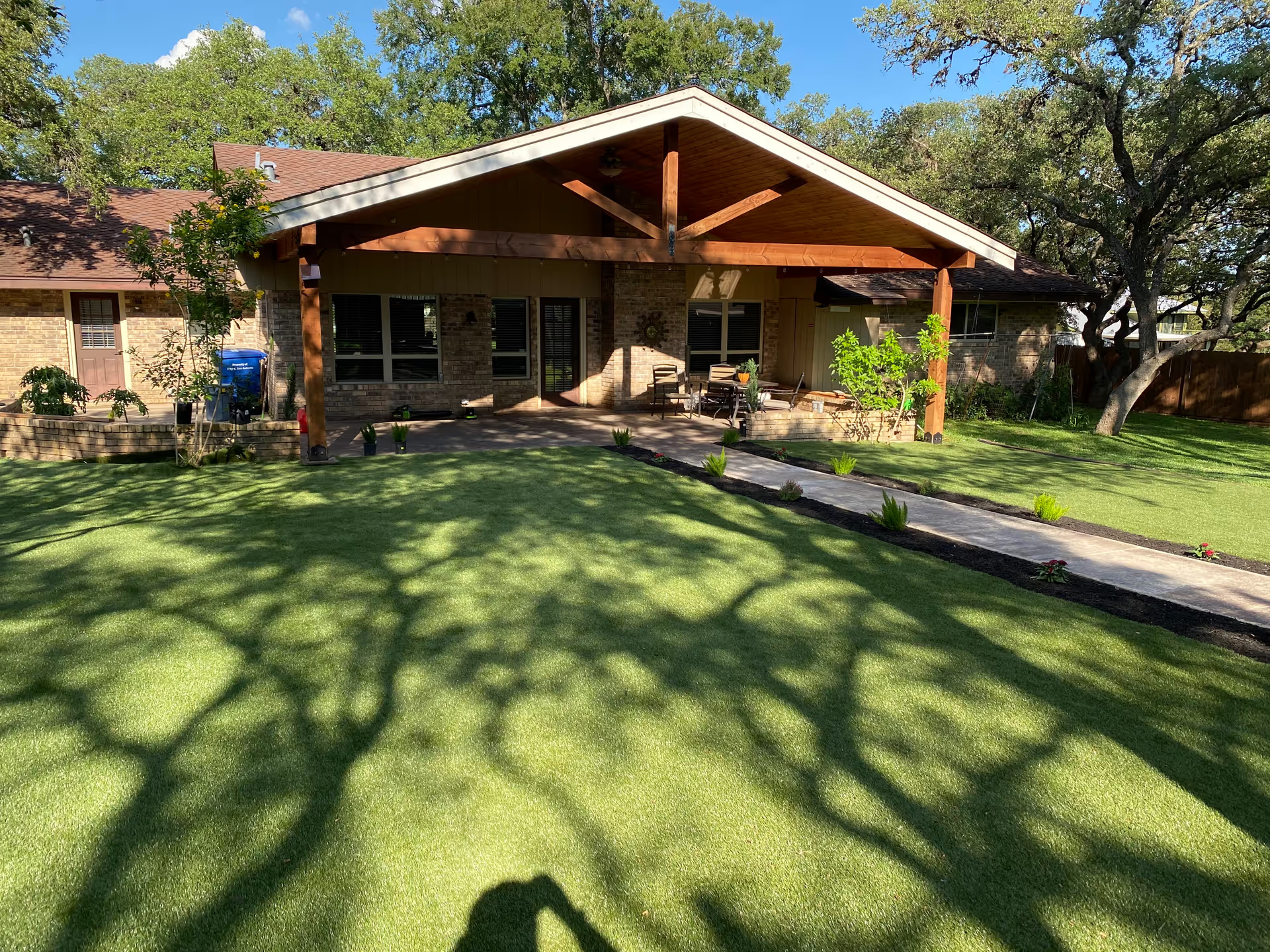
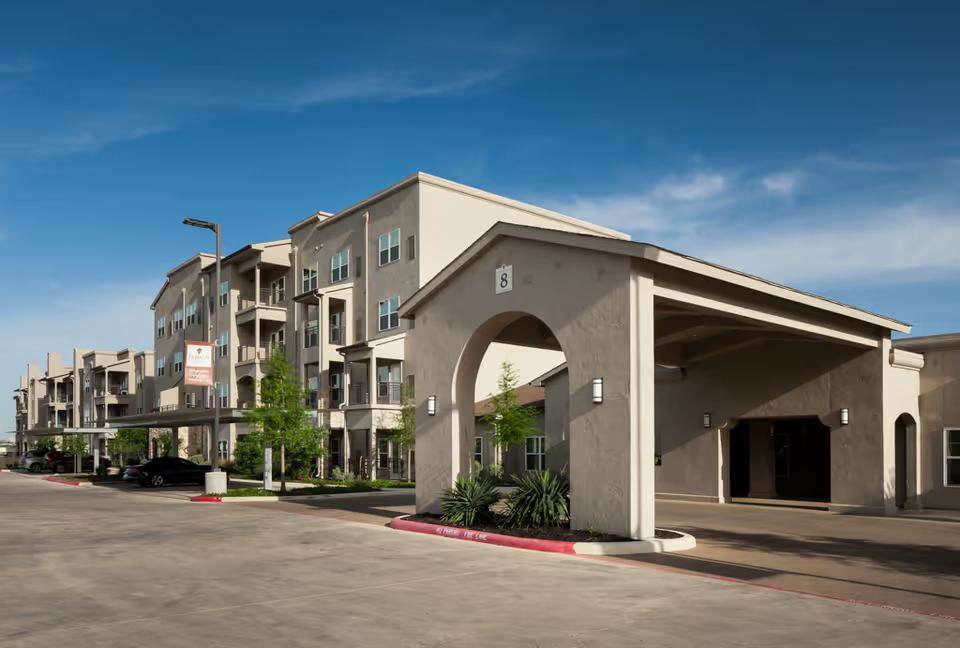
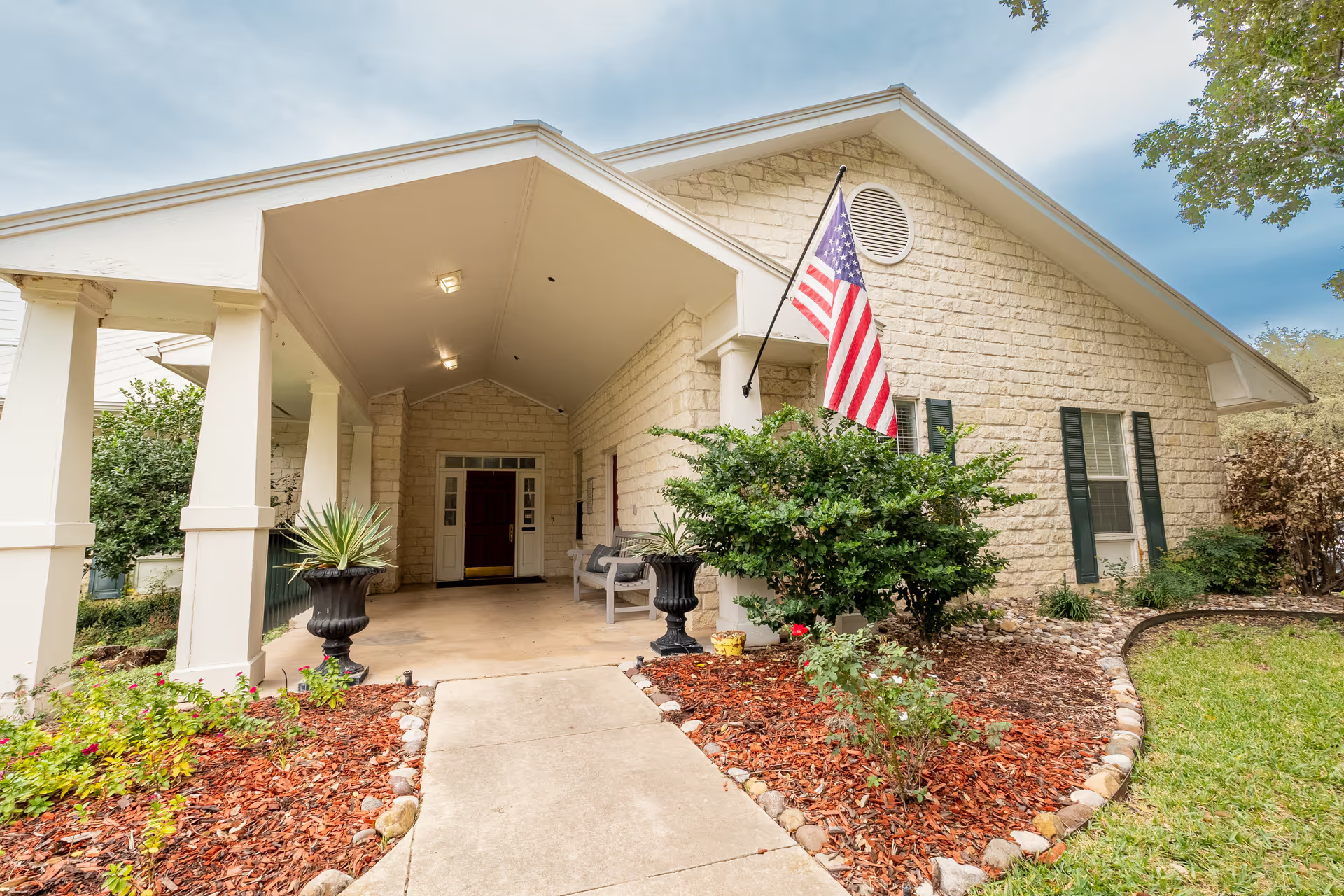
Facility condition and campus amenities receive mixed but mostly positive comments. Many reviewers emphasize cleanliness, attractive common areas, and accessible apartment layouts with kitchenettes. At the same time, a subset of families noted inconsistent housekeeping or maintenance attention inside specific rooms and outdoor areas needing landscaping improvements. Ongoing construction has improved interiors but has also introduced temporary disorder, constrained dining/event spaces, and occasional cleanliness concerns.
Management responsiveness is a clear pattern: staff and administrators are described as accessible, hands-on, and quick to address issues when contacted. Admission and move-in processes are frequently characterized as smooth and supportive. Nonetheless, reviewers flagged episodic communication and billing coordination gaps, and a few cited discrepancies in pricing between respite stays and long-term placement. Overall, the facility appears to provide a warm, community-oriented environment with solid clinical coordination and active programming, while operational consistency—particularly around staffing, housekeeping, meal delivery, and renovation-related disruptions—represents the principal area for improvement.